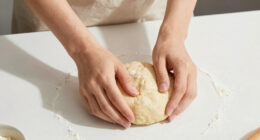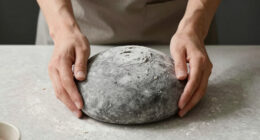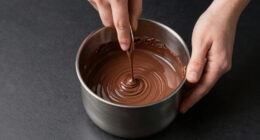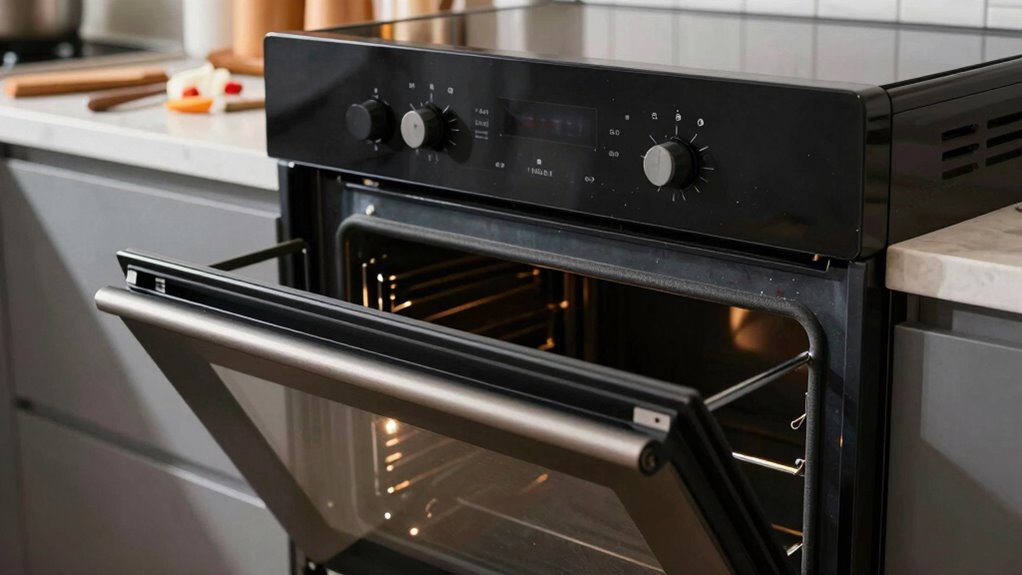

If your oven isn’t properly calibrated or has hot spots, it can cause your great recipe to flop. An oven running too hot might burn the outside of baked goods while leaving the inside undercooked. Uneven heat distribution leads to inconsistent textures and appearances, making everything look and taste off. Regularly testing and adjusting your oven can help fix these issues. Curious about how to prevent these problems and perfect your baking? Keep exploring to learn more tips.

Get baking supplies delivered free — and shop member deals
- Fast, free delivery on millions of items
- Access to Prime Big Deal Days deals on October 6–7
- Prime Video, Amazon Music and more included
Key Takeaways
- An uncalibrated oven can run hotter or cooler, causing improper cooking times and textures.
- Uneven heat distribution creates hot spots, leading to unevenly baked or cooked dishes.
- Discrepancies between actual and displayed temperatures can burn or undercook recipes.
- Lack of regular maintenance can result in faulty heat regulation, affecting recipe success.
- Inconsistent oven performance undermines precise baking results, even with great recipes.
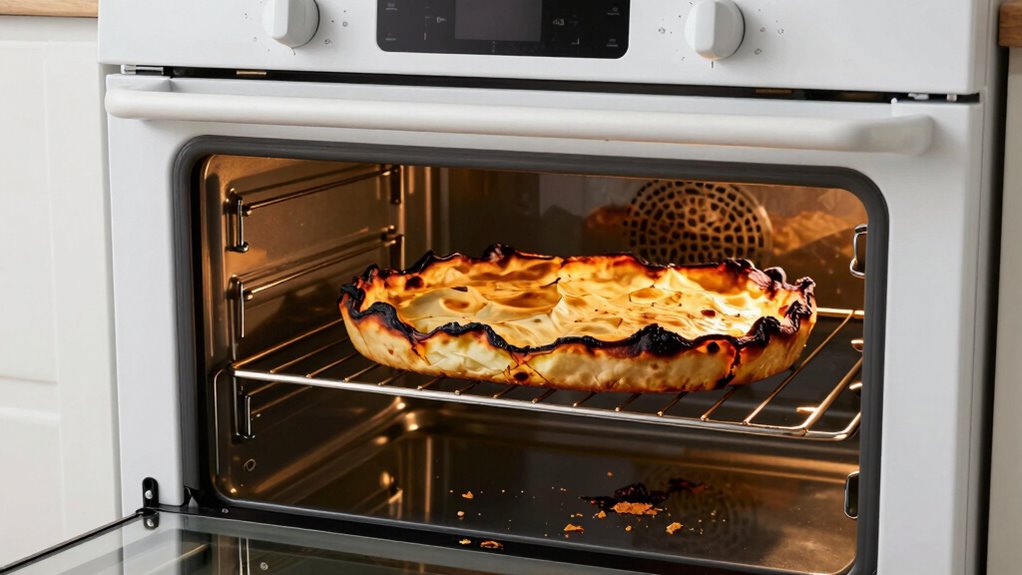
Even the best recipes can fall flat if your oven isn’t performing as it should. One common culprit is an improperly calibrated oven, which affects heat distribution and can throw off cooking times and temperatures. When your oven isn’t calibrated correctly, it might run hotter or cooler than the temperature dial indicates. This discrepancy can cause baked goods to burn on the outside while remaining undercooked inside or vice versa. As a result, what should be a flawless result turns into a kitchen disappointment.
Proper oven calibration is key to perfect baking—avoid surprises and ensure even, reliable results every time.
Oven calibration is essential to ensure the oven’s internal temperature matches what you set on the control panel. If your oven is off by even a few degrees, it can significantly impact your baking. Often, ovens lose calibration over time, especially if they’re older or haven’t been checked recently. You might notice your cookies spread too much or your bread doesn’t rise as expected. These are signs that your oven’s heat distribution isn’t aligned with its settings. Regularly checking oven accuracy can help maintain consistent results. Additionally, understanding heat distribution in your oven can help you better adapt your cooking techniques for the best results. Knowing how your oven’s temperature stability varies can also help you fine-tune your cooking process and avoid common pitfalls.
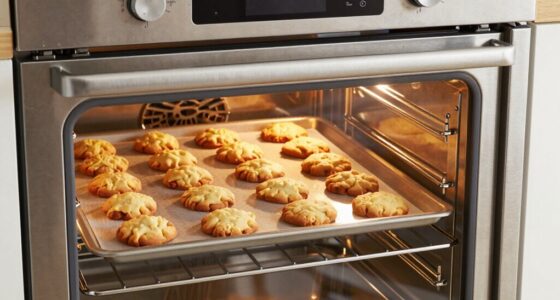
Heat distribution plays a crucial role here. Some ovens have hot spots, which are areas that get hotter than others, disrupting even cooking. This uneven heat can cause parts of your dish to cook faster than others, resulting in inconsistent textures and colors. For example, a cake might develop a crust on one side while remaining moist on another. When heat isn’t evenly distributed, it’s like trying to cook with a faulty stove—some parts get enough heat, while others don’t, leading to unpredictable results.
To avoid these issues, it’s a good idea to test your oven’s calibration and heat distribution regularly. Use an oven thermometer placed in different spots to see how the heat varies. If you find significant discrepancies, you might need to recalibrate your oven or consider having it serviced. Many ovens can be recalibrated on your own or by a professional, depending on the model. Also, rotating dishes during cooking helps counteract uneven heat, ensuring a more uniform result. Proper oven maintenance can extend the lifespan of your appliance and improve your cooking outcomes.
In the end, understanding and maintaining proper oven calibration and heat distribution can make the difference between a perfect dish and a kitchen mishap. When your oven performs accurately, your recipes will turn out just as intended, giving you confidence in your baking and cooking skills. Ignoring these factors, however, can lead to consistent failures, no matter how good your recipe is. So, take the time to check your oven’s calibration and heat distribution regularly—you’ll notice the difference in every baked good you create.
As an affiliate, we earn on qualifying purchases.
Frequently Asked Questions
How Does Oven Age Affect Cooking Results?
As your oven ages, its insulation and heating elements may weaken, leading to inconsistent temperatures. Poor insulation allows heat to escape, making cooking less precise, while worn heating elements struggle to maintain even heat distribution. This impacts your cooking results, causing dishes to undercook or burn. Regularly checking and replacing insulation and heating elements guarantees your oven heats efficiently, helping you achieve consistent, delicious results every time.
Can Oven Placement Influence Baking Outcomes?
Oven placement definitely influences baking outcomes. You can visualize this through the concept of heat distribution; placing your rack too high or low affects how evenly heat reaches your baked goods. Shelf positioning matters because heat rises, so top shelves tend to be hotter, which can cause uneven baking or burning. To get the best results, position your rack in the center for balanced heat distribution and consistent baking.
Does Oven Calibration Impact Recipe Success?
Oven calibration greatly impacts your recipe success because a miscalibrated oven can cause uneven baking or overcooking. You might notice oven noise or inconsistent interior lighting, which are signs it’s off. Calibrating your oven guarantees your temperature settings match actual heat levels, leading to better results. Without proper calibration, you risk your baked goods turning out poorly, no matter how perfect your recipe is. Regular calibration keeps your oven performing reliably.
How Do Oven Door Seals Affect Baking?
Your oven door seal plays a vital role in baking because it affects heat retention. If the seal is damaged or worn out, heat escapes, causing uneven cooking and possibly ruining your recipe. You’ll notice variations in baking times or products not cooking thoroughly. Regularly check your oven door seal, and replace it if needed, to guarantee consistent heat retention and better baking results every time.
What’s the Best Way to Test Oven Temperature Accuracy?
Your oven’s temperature can be wildly off without you realizing—causing your recipes to flop! To test its accuracy, place an oven thermometer inside and preheat to a specific temperature. Watch for temperature variation; if it differs by more than 10-15°F, your oven’s calibration might be off. Adjust your oven settings accordingly, or consider professional calibration for perfect results every time.
As an affiliate, we earn on qualifying purchases.
Conclusion
So, next time your recipe doesn’t turn out as expected, remember—it might not be your skill, but that one oven lurking in the corner. Could it be malfunctioning or just hiding secrets you haven’t uncovered? That simple, ordinary appliance holds the power to transform perfection into disappointment. Are you ready to uncover its mystery and reclaim your culinary success? The answer might be closer than you think—hidden behind its unassuming door.
As an affiliate, we earn on qualifying purchases.
As an affiliate, we earn on qualifying purchases.
Fall Picks
fall essentials
As an affiliate, we earn on qualifying purchases.