Your dough can feel strong one minute and slack the next because factors like fermentation, hydration, temperature, and kneading influence gluten development and elasticity. When fermentation accelerates due to warmth, gluten can stretch more, making the dough feel resilient. If fermentation slows or if hydration isn’t balanced, the dough may become slack or sticky. Consistent temperature and kneading help keep the dough stable. Keep exploring to understand how these changes impact your dough’s behavior.

Get baking supplies delivered free with Prime
- Fast, free delivery on millions of items
- Prime Video, Amazon Music and more included
- Member-only deals all year
Key Takeaways
- Fluctuations in fermentation temperature can cause inconsistent gluten development, making dough feel strong then slack.
- Overproofing or halting fermentation weakens gluten, leading to sudden slackness in dough texture.
- Variations in hydration levels during mixing or handling can cause unpredictable dough elasticity.
- Inadequate kneading results in underdeveloped gluten, causing dough to alternate between firm and slack.
- Changes in fermentation activity or yeast performance can cause rapid shifts in dough strength.
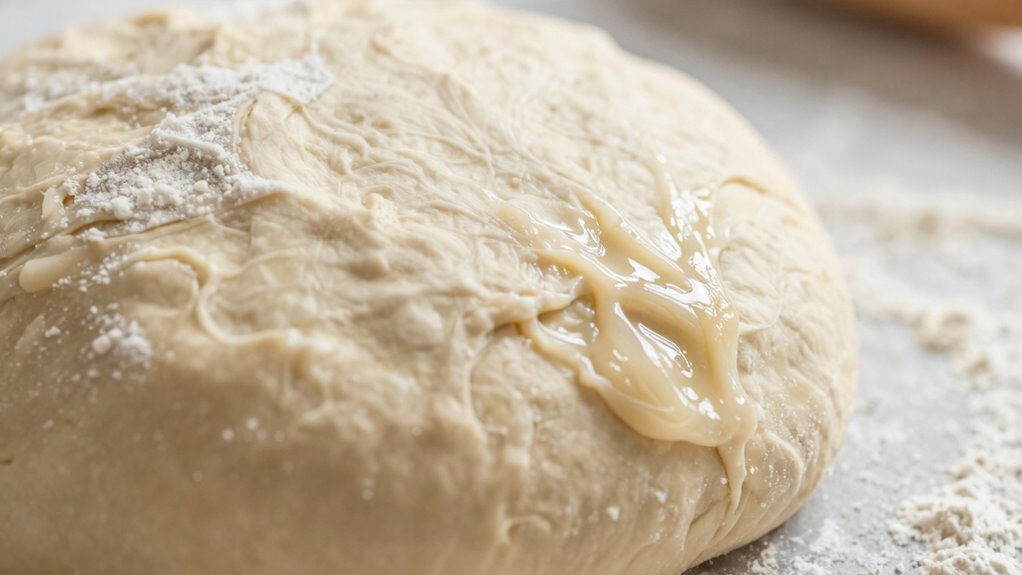
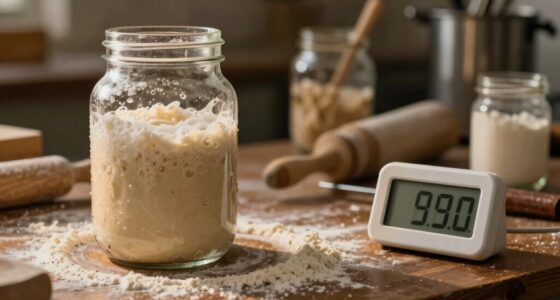
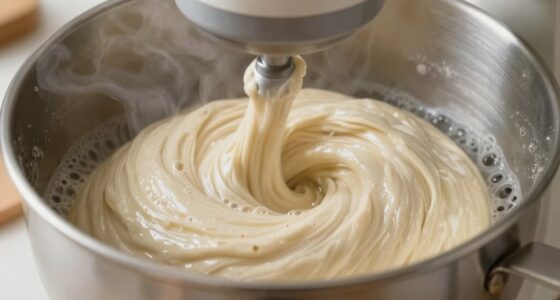
During fermentation, yeast produces carbon dioxide and alcohol, causing the dough to rise. This process also strengthens the gluten network, giving your dough its structure and elasticity. When fermentation is progressing well, gluten development is at its peak, making the dough feel strong and resilient. However, if fermentation halts or slows down—due to temperature fluctuations, insufficient yeast activity, or overproofing—the gluten network can weaken or become overly relaxed. This results in the dough losing its firmness and feeling slack or overly sticky.
Yeast fermentation strengthens gluten, making dough resilient; disruption causes slack, sticky textures.
Temperature is a crucial factor here. Warmer environments accelerate fermentation, causing rapid gas production and gluten stretching. If the dough ferments too quickly, the gluten network may not develop evenly, leading to inconsistent textures. Conversely, cold environments slow down fermentation, leaving the dough underdeveloped and less elastic, which can make it feel weak and unresponsive. Maintaining a consistent, warm environment during proofing helps *guarantee* the fermentation process proceeds smoothly, fostering proper gluten development. Controlling fermentation conditions is essential for optimal gluten development. Proper temperature regulation also helps prevent overfermentation, which can weaken the gluten network. Additionally, fluctuations in temperature can cause the dough to feel inconsistent, highlighting the importance of stable proofing environments.
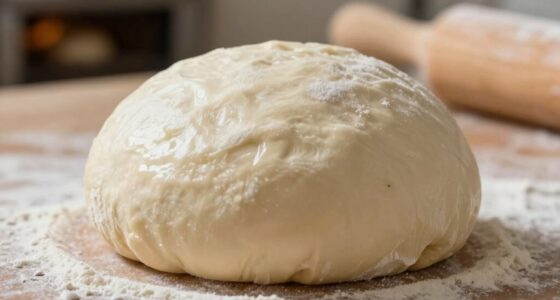
Hydration levels also influence dough texture. High hydration doughs tend to feel slack and sticky because water weakens the gluten bonds if not balanced correctly. Overly hydrated dough can feel loose, even if the gluten network is healthy. Conversely, under-hydrated dough feels firm and tight but might be difficult to work with. Finding the right balance in hydration promotes *necessary* gluten development, giving your dough a consistent, elastic feel. Achieving proper hydration is critical for gluten structure and overall dough performance.
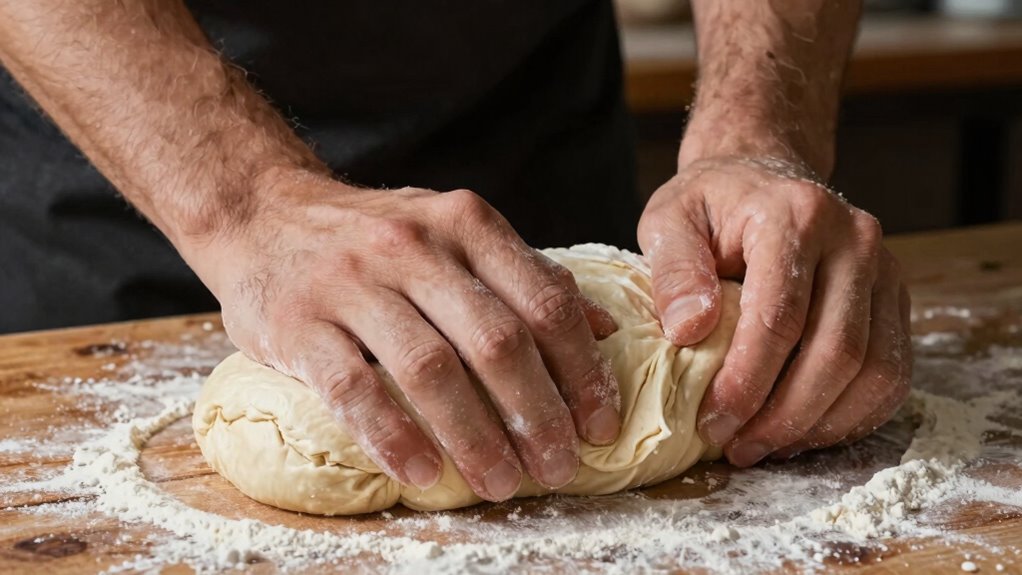
Additionally, kneading plays a *crucial* role. Proper kneading develops the gluten network, making the dough resilient and elastic. Insufficient kneading can leave the gluten underdeveloped, resulting in a dough that’s weak and slack. Overkneading, though less common, can also damage the gluten structure, making the dough overly tough or chewy. Consistent kneading ensures optimal gluten formation, which directly impacts the dough’s texture and strength.
In short, the fluctuating texture of your dough is often a sign of the ongoing fermentation process and the state of gluten development. By controlling factors like temperature, hydration, and kneading, you can create a more predictable and consistent dough. Understanding these elements allows you to anticipate changes and adjust your method, leading to better baking results every time.
As an affiliate, we earn on qualifying purchases.
Frequently Asked Questions
Can Environmental Temperature Affect Dough Consistency?
Yes, environmental temperature can affect your dough’s consistency. Climate influence plays a significant role, as warmer temperatures cause the dough to ferment faster, making it more slack, while cooler conditions slow down fermentation, resulting in a stronger dough. Storage conditions also matter; if you leave dough in a warm spot, it’ll become slack quicker. To maintain consistent dough, keep it in a cool, stable environment and monitor temperature fluctuations.
Does the Type of Flour Used Impact Dough Elasticity?
Yes, the type of flour you use impacts dough elasticity because of its gluten development and protein content. Higher protein flours, like bread flour, promote stronger gluten networks, making your dough more elastic and resilient. Conversely, lower protein flours, such as pastry or cake flour, result in softer, less elastic dough. Choosing the right flour based on its protein content helps you achieve the desired dough consistency and elasticity for your baked goods.
How Does Adding More Water Change Dough Texture?
Adding more water increases hydration levels, making your dough softer and more pliable. As hydration rises, gluten development accelerates, which enhances elasticity and stretchiness. However, too much water can make the dough overly sticky and difficult to handle. You’ll notice a change in texture: it becomes smoother and more extensible, but you need to balance hydration to achieve the ideal dough consistency for your baking needs.
Is It Normal for Dough to Fluctuate in Firmness During Rising?
During fermentation stages, it’s normal for dough to fluctuate in firmness. Think of it like a breathing creature—sometimes tight, sometimes relaxed. As gluten develops, the dough gains strength, then softens as CO2 builds up. This variability allows it to rise properly. You might notice it feels strong one moment, then slack the next, which signals active fermentation. Trust the process—your dough’s natural rhythm is part of perfect bread.
What Role Does Kneading Play in Dough Strength?
Kneading plays a vital role in dough strength by promoting gluten development through proper kneading techniques. As you knead, you align and stretch the gluten strands, making the dough more elastic and resilient. This process helps your dough hold its shape better and develop a stronger structure. Be consistent with your kneading method, and you’ll notice the dough becomes more cohesive and easier to work with, leading to better rising and texture.
As an affiliate, we earn on qualifying purchases.
Conclusion
So, next time your dough swings from Hulk to marshmallow, remember it’s just nature’s way of playing with your patience. Keep an eye on hydration, kneading, and fermentation—it’s like tuning a vintage radio; a little tweak here and there, and you’ll have it singing perfectly. Don’t stress if it’s a rollercoaster; even bakers in ancient times knew that dough’s mood swings are just part of the baking adventure. Happy baking!
gluten development dough scraper
As an affiliate, we earn on qualifying purchases.
As an affiliate, we earn on qualifying purchases.
As an affiliate, we earn on qualifying purchases.
Halloween Picks
halloween
As an affiliate, we earn on qualifying purchases.