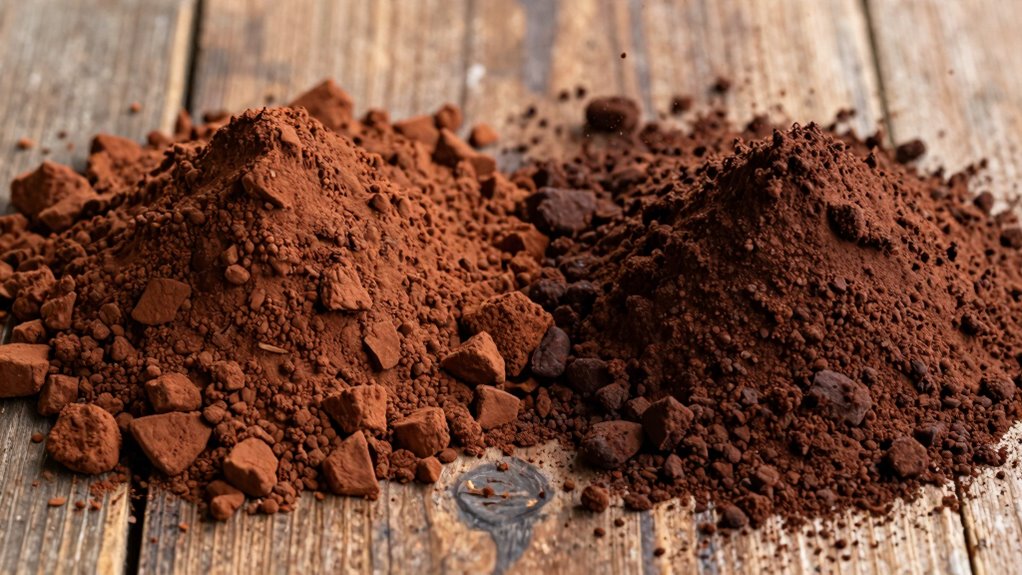

Natural cocoa has a bold, tangy flavor and reacts with baking soda, making it perfect for recipes like classic cakes and brownies. Dutch-process cocoa is milder, smoother, and works better with baking powder, ideal for mousses and frosting. Their distinct acidity and flavor profiles affect your baked goods’ taste and texture. Choosing the right type depends on your recipe’s leavening and flavor goals. If you want to understand the differences more, continue exploring these tasty options.
Key Takeaways
- Natural cocoa is acidic, bright, and tangy, ideal for recipes with baking soda; Dutch-process is alkalized, smooth, and milder, suited for baking powder-based recipes.
- Natural cocoa produces a more robust chocolate flavor, while Dutch-process offers a refined, less bitter taste.
- Natural cocoa reacts with baking soda to create leavening, whereas Dutch-process is better for recipes requiring baking powder.
- Dutch-process cocoa has a fine, velvety texture that contributes to a smooth batter and consistent flavor.
- Choosing between them depends on desired flavor profile and leavening method for optimal baking results.
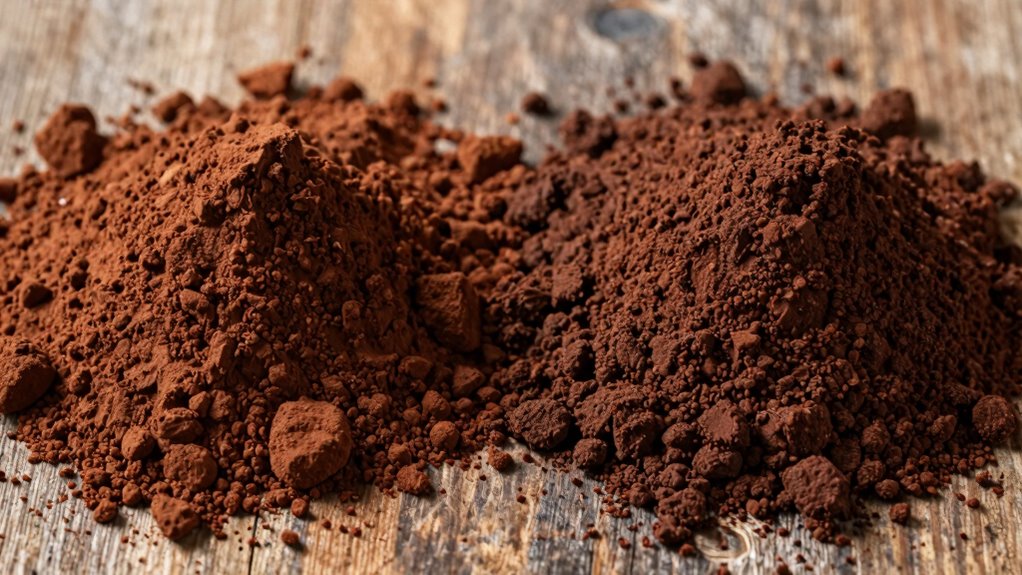
Cocoa powder comes in several types, each offering different flavors and uses for your baking and cooking needs. When you’re choosing between natural and Dutch-process cocoa, it’s essential to understand how their flavor profiles and baking applications differ. Natural cocoa powder has a bold, slightly acidic flavor that adds a bright, tangy note to your recipes. Its sharp taste works well in recipes that include baking soda because the acidity reacts to produce carbon dioxide, helping your baked goods rise. You’ll notice that natural cocoa is often used in classic chocolate cake recipes, brownies, and hot cocoa, giving them a lively, robust chocolate flavor. Its tanginess also enhances the overall depth of flavor in your baked treats, making them more vibrant and complex.
Dutch-process cocoa, on the other hand, has undergone a alkalization process that neutralizes its acidity. This treatment results in a smoother, milder flavor profile that’s less bitter and more chocolatey in taste. Because of its neutral pH, Dutch cocoa doesn’t react with baking soda, so it’s better suited for recipes that rely on baking powder for leavening. Its mellow flavor and fine, velvety texture make it ideal for recipes where you want a rich, uniform chocolate taste without the tanginess associated with natural cocoa. You’ll find Dutch-process cocoa favored in recipes like chocolate mousse, frosting, and certain cookies, where a deep, consistent chocolate flavor is desirable. Its versatility in baking applications allows you to create a range of desserts with a smooth, luxurious cocoa flavor that blends seamlessly into your batter or filling.
When it comes to flavor profiles, natural cocoa provides a brighter, more assertive taste that can add a lively punch to your baked goods, while Dutch-process offers a subdued, refined chocolate flavor perfect for more delicate desserts. Your choice depends on the leavening agents in your recipe and the flavor outcome you’re aiming for. If your recipe calls for baking soda, natural cocoa is usually the way to go because of its acidity. Conversely, if you’re using baking powder or want a smoother, less tangy flavor, Dutch-process cocoa is your best bet. Both types have their strengths in different baking applications, so understanding these differences helps you select the right cocoa powder to elevate your culinary creations.

Hoosier Hill Farm Natural Cocoa Powder, Unsweetened, 1LB (Pack of 1)
- Product Weight: 1 lb.
- Packaging Type: Resealable plastic jar
- Flavor Profile: Intense chocolate flavor
As an affiliate, we earn on qualifying purchases.
As an affiliate, we earn on qualifying purchases.
Frequently Asked Questions
How Does Cocoa Powder Affect Baking Times?
Cocoa powder influences baking times through its absorption properties; natural cocoa tends to absorb more moisture, potentially requiring slightly longer baking, while Dutch-process cocoa absorbs less, often resulting in shorter baking times. You should also consider adjusting your baking temperature if needed, as cocoa’s acidity can affect heat transfer. Keep an eye on your baked goods and make small adjustments to timing and temperature for perfect results.
Can Dutch-Process Cocoa Be Substituted for Natural Cocoa?
Yes, you can substitute Dutch-process cocoa for natural cocoa, but keep in mind that their flavor profiles and pH levels differ due to cocoa processing methods. Dutch-process cocoa has a milder, smoother taste, while natural cocoa offers a more robust flavor. When swapping, you might need to adjust the leavening agents in your recipe because Dutch-process is less acidic. Experiment to find the right balance for your baked goods.
What Is the Shelf Life of Different Cocoa Powders?
You should know that cocoa powder generally lasts about 2 to 3 years if stored properly. To maximize shelf life longevity, keep it in an airtight container, away from heat, light, and moisture. Proper cocoa powder storage guarantees you don’t lose its flavor or potency prematurely. Always check for any signs of spoilage, like an off smell or clumping, before using it in your recipes.
Are There Health Differences Between Natural and Dutch-Process Cocoa?
You might think Dutch-process cocoa is healthier, but natural cocoa actually offers more antioxidants, boosting your health benefits. Dutch-processed cocoa’s alkalization reduces acidity, which can lower antioxidant levels, potentially diminishing its health perks. While both types provide some antioxidants, natural cocoa’s higher levels support better heart health and mood. So, if you’re after maximum health benefits, stick with natural cocoa—it’s richer in antioxidants and more beneficial overall.
How Do I Store Cocoa Powder to Maintain Freshness?
To keep your cocoa powder fresh, store it in an airtight container in a cool, dark place away from heat and humidity. Proper storage techniques help prevent spoilage and preserve its flavor and potency. Avoid refrigeration, as moisture can cause clumping. By maintaining a consistent, dry environment, you guarantee your cocoa powder stays fresh longer and retains its rich cocoa taste for your baking and hot chocolate recipes.

Cocoa Powder (8 oz) Dutch Processed Cocoa Powder, Unsweetened, Extra Rich Cocoa Flavor, 22-24% Fat, Premium Culinary Grade, Non-GMO Sourced, Fair Trade Certified, Perfect Cocoa for Baking and Cooking
- Rich Chocolate Flavor: High fat content for intense chocolate taste
- Dutch Processed for Smoothness: Reduces bitterness for a mellow flavor
- Versatile Culinary Grade: Ideal for baking, cooking, and drinks
As an affiliate, we earn on qualifying purchases.
As an affiliate, we earn on qualifying purchases.
Conclusion
Now that you know the colossal difference between natural and Dutch-process cocoa, don’t settle for anything less than perfection in your baking adventures. Choosing the wrong type could turn your masterpiece into a disaster of epic proportions! So, gear up, pick wisely, and release the full power of cocoa in your recipes. With this knowledge, you’re practically a chocolate wizard—ready to conquer kitchens and wow everyone with your divine creations!
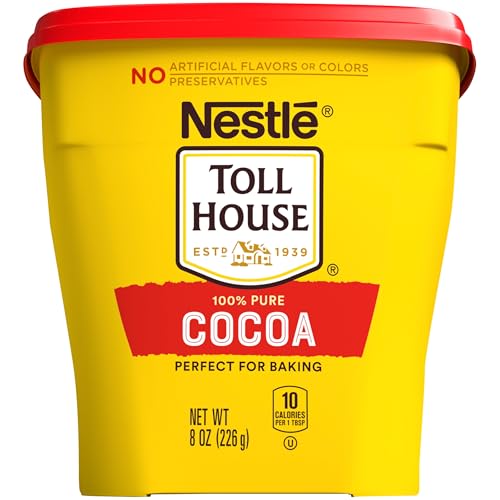
Nestle Toll House 100% Pure Cocoa for Baking 8 oz
- Pure Cocoa Content: 100% pure cocoa without additives
- Versatile Baking Use: Ideal for cakes, brownies, cookies, and drinks
- Reclosable Packaging: Keeps cocoa fresh and easy to store
As an affiliate, we earn on qualifying purchases.
As an affiliate, we earn on qualifying purchases.

Yupik Alkalized Cocoa Powder, 2.2 lb (35.2 oz), Vegan, Gluten-Free, GMO-Free, Kosher, Dairy-Free, No Sugar Added, Dutch Processed Cocoa, Smooth Chocolate Flavor, Ideal for Baking & Beverages
- Type: Alkalized Dutch-Processed Cocoa Powder
- Fat Content: 20-22% Natural Cocoa Butter
- Certifications: Gluten-Free and Kosher Certified
As an affiliate, we earn on qualifying purchases.
As an affiliate, we earn on qualifying purchases.