In compact ovens, the “Ready” indicator signals that the sensor thinks the oven has preheated, but it doesn’t always imply the oven hits the target temperature accurately. Factors like sensor calibration, insulation, and door seals can cause false signals or delays. Sometimes, you need to verify the actual temperature with a thermometer. If you want to guarantee perfect results, understanding how to test, calibrate, and time your preheat is key—more tips ahead.
Key Takeaways
- The “Ready” light indicates sensor detection, not actual oven temperature, which can lead to false or premature signals.
- Regular calibration with an oven thermometer ensures the “Ready” indicator accurately reflects true oven temperature.
- Factors like poor insulation, damaged seals, or internal component issues can delay preheating and affect accuracy.
- Proper rack placement and waiting for the full preheat cycle prevent uneven cooking caused by premature use.
- Routine testing, calibration, and maintenance optimize preheat reliability and consistent cooking performance.

Koolstuffs Silicone Baking Mat, Nonstick and Reusable, 3 Pack
- Nonstick Surface: Prevents sticking without oil or paper
- Easy to Clean: Food releases easily, dishwasher safe
- Reusable Design: Durable for daily use, eco-friendly
As an affiliate, we earn on qualifying purchases.
What Does “Ready” Really Mean on Your Compact Oven’s Preheat Indicator?
When your compact oven’s preheat indicator lights up as “Ready,” it doesn’t always mean the oven has reached the precise temperature you need. This signal relies on sensor accuracy, which can vary due to oven calibration issues. If the sensor isn’t correctly calibrated, it may send false signals, making you believe the oven is ready when it’s not. Proper oven calibration ensures the temperature readings are accurate, aligning the sensor’s signals with actual heat levels inside. Keep in mind that the “Ready” light is a general indicator, not a guarantee of perfect temperature. To achieve consistent results, it’s wise to verify your oven’s calibration periodically and consider using an external thermometer for more precise temperature control. This way, you can trust your oven’s signals and avoid under- or over-cooking your food. Additionally, understanding sensor calibration can help you troubleshoot and improve your oven’s performance effectively, especially since sensor accuracy may drift over time without proper maintenance. Regular calibration checks help maintain temperature measurement reliability, ensuring your cooking results are consistent and safe. Ensuring your oven maintains optimal temperature accuracy is essential for precise cooking and baking outcomes.
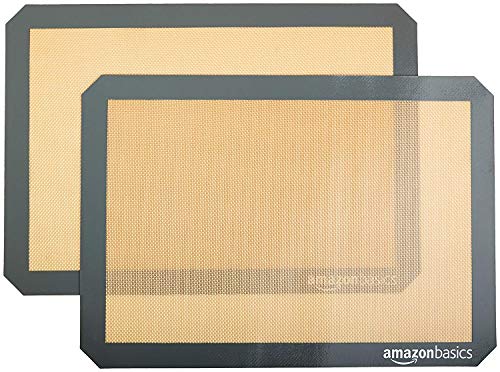
Amazon Basics Silicone Rectangular Baking Mat, Non-Stick, Reusable, Dishwasher Safe, Food Safe, Heat Resistant, 16.5" x 11.6", Beige/Gray, 2-Pack
- Package Includes: 2 silicone baking mats
- Reusable Material: Food-safe silicone for repeated use
- Non-Stick Surface: Releases food easily without oil
As an affiliate, we earn on qualifying purchases.
Why Aren’t Oven “Ready” Lights Always Reliable in Compact Models?
The “Ready” lights on compact oven models can be unreliable because these appliances often rely on smaller, less sophisticated sensors that are more prone to inaccuracies. If the oven isn’t properly calibrated, the light may signal readiness prematurely or too late, affecting your cooking. Light reliability issues often stem from sensor sensitivity or calibration errors, leading to false signals. To understand this better, consider the table below:
| Issue | Cause | Solution |
|---|---|---|
| False “Ready” signal | Sensor sensitivity | Regular oven calibration |
| Delayed signal | Sensor misalignment | Recalibrate sensors |
| Inconsistent readings | Aging sensors | Replace faulty sensors |
| Inaccurate timing | Poor calibration settings | Perform calibration checks |
Proper calibration ensures the “Ready” light accurately reflects the oven’s true preheated state. Additionally, understanding sensor calibration is essential for maintaining reliable signals and optimal oven performance.
What Factors Influence Preheating Time and Performance?
Several factors directly impact how quickly and efficiently your compact oven preheats. First, oven insulation plays a pivotal role; high-quality insulation retains heat better, reducing preheating time. If the insulation is poor or damaged, it takes longer for the oven to reach the desired temperature. Second, the door seal is essential—an intact, tight seal prevents heat from escaping, ensuring heat stays inside and the oven heats up faster. If the seal is loose or worn, heat leaks out, prolonging preheating. Additionally, the oven’s power output and internal components affect performance. Regularly checking and maintaining the door seal and ensuring your oven’s insulation is in good condition help optimize preheating speed and overall efficiency. Proper piercing care and routine maintenance of your oven can further enhance its performance and longevity. Moreover, understanding the physics of heat transfer can aid in identifying the most effective ways to improve preheating times. For smarter management, incorporating local automation and routines can further enhance preheating efficiency and convenience.
How Can You Test If Your Oven Is Truly Preheated?
To guarantee your oven is truly preheated, you need to verify that it has reached the desired temperature before cooking. One effective way is to use an oven thermometer, placing it inside to check the actual temperature. This helps you assess the oven’s temperature accuracy, which can be affected by oven calibration issues. If the thermometer shows a temperature lower than your set point, give the oven extra time or consider recalibrating it for better accuracy. Relying solely on the oven’s indicator light or preheat signal isn’t enough, as they may not reflect the true internal temperature. Regularly testing your oven ensures consistent results and helps you adjust for any calibration discrepancies, ensuring your food cooks evenly and as intended. For optimal results, understanding the preheat process can help you ensure your oven is ready for baking. Additionally, keeping a temperature log can help you track and identify any ongoing calibration problems over time. Knowing how to test oven temperature properly can also help prevent undercooked or burnt dishes.
How Do You Achieve Consistent Results in a Compact Oven?
To get consistent results in your compact oven, start with proper preheating techniques to guarantee even heat distribution. Keep your temperature settings steady and avoid frequent adjustments during cooking. Additionally, pay attention to rack placement and try to use the same spots for similar dishes to maintain reliable outcomes. Ensuring your oven’s temperature calibration is accurate can further enhance consistency and cooking precision. Regularly checking your oven’s performance and addressing any calibration issues can help maintain reliable results over time.
Proper Oven Preheating Techniques
Achieving consistent results when preheating a compact oven requires following precise techniques. First, ensure your oven is properly calibrated; uneven heat can cause inconsistent preheats. Next, verify the heating element functions correctly, replacing it if necessary. Always give the oven enough time to reach the desired temperature, typically 10-15 minutes. Use an oven thermometer to confirm accuracy, adjusting the calibration if needed. To visualize, consider this table:
| Step | Action | Purpose |
|---|---|---|
| Check calibration | Use a thermometer, adjust settings | Ensure accurate temperature |
| Inspect heating element | Replace faulty elements if needed | Guarantee uniform heat distribution |
| Preheat duration | Allow oven 10-15 minutes to reach temp | Achieve consistent heat level |
Following these techniques helps maintain uniform results in your compact oven.
Consistent Temperature Settings
Maintaining consistent temperature settings in a compact oven requires careful attention to how you select and adjust controls. To guarantee temperature accuracy, start with regular oven calibration—this helps correct any discrepancies. Next, follow these steps:
- Use an oven thermometer to verify the actual temperature inside.
- Adjust the oven’s thermostat or calibration settings based on your readings.
- Avoid frequently opening the door, which can cause temperature fluctuations.
- Maintain consistent placement of items on the same rack level to prevent uneven heating.
- Proper document management also plays a role in organizing and tracking your oven calibration records and maintenance schedules. Additionally, understanding oven calibration procedures can further enhance your ability to achieve stable temperatures. Regular maintenance and using energy-efficient models, such as those with advanced controls, can also contribute to more consistent results. Incorporating temperature stability techniques can help mitigate common issues with uneven heating in compact ovens.
Effective Rack and Placement Strategies
Selecting the right rack position is essential for consistent cooking results in a compact oven. Placing food too close to the heating element can cause uneven cooking or burning, so use the middle rack for most tasks. Always follow oven safety guidelines to prevent accidents, especially when adjusting racks during operation. To achieve uniform results, regularly check and calibrate your oven’s temperature, ensuring it matches the set point. Proper placement helps prevent hot spots and promotes even heat distribution. Keep in mind that different foods may require different rack positions; for example, roasting benefits from a lower position, while broiling needs proximity to the heat source. Temperature calibration is a key factor in ensuring your oven heats accurately and consistently. Using simple tools like a temperature tester can help verify your oven’s accuracy. Consistent rack placement combined with accurate Temperature calibration guarantees reliable, safe, and predictable cooking performance.
What Common Mistakes Make You Use the Oven Too Soon?

Many people start using their oven before it’s fully preheated, which can affect cooking results. Rushing the warm-up process or ignoring indicator lights leads to uneven cooking or undercooked food. To avoid these mistakes, always wait until the oven signals it’s ready before placing your dishes inside. Understanding oven preheating and its importance can help you achieve better culinary outcomes.
Ignoring Preheat Time
One of the most common mistakes people make with compact ovens is ignoring the preheat time and starting to cook too soon. This often happens because they assume the oven is ready based on visual cues, but factors like oven calibration and insulation efficiency affect actual temperature. To avoid this mistake, keep these points in mind:
- Always verify the oven has reached the specified temperature before cooking.
- Use an oven thermometer if you suspect calibration issues.
- Recognize that poor insulation can delay heat distribution, requiring extra preheat time.
- Resist the temptation to open the door early, which cools the oven and skews temperature readings.
- Understanding oven calibration and how it impacts temperature accuracy can help ensure you’re cooking at the correct heat, especially since support breakfast options often rely on precise temperatures for optimal results.
Rushing Oven Warm-up
Rushing to start cooking before your oven has fully heated can lead to uneven results and compromised dishes. Many overlook how vital proper oven warm-up is, especially with limited oven insulation in compact models. When you activate the oven too soon, the internal temperature isn’t stable, causing uneven baking and poor texture. Using baking accessories prematurely, without waiting for the oven to reach the right temperature, can also hinder performance. Make sure your oven’s heating elements have stabilized before inserting your dishes. Patience pays off by allowing the oven to evenly distribute heat, which is essential for consistent results. Rushing this step often results in undercooked or unevenly cooked food, defeating the purpose of preheating altogether. Always wait until indicator lights confirm the oven is truly ready. Proper oven maintenance and following manufacturer guidelines can help ensure your oven heats efficiently and reliably. Additionally, understanding how compact ovens are designed to heat quickly can help you better gauge when your oven is ready for use.
Overlooking Indicator Lights
Ignoring the indicator lights can cause you to start your oven before it’s fully heated. These lights serve as preheat signals, confirming when your oven reaches the right temperature. If you skip checking them, you risk under-cooking or uneven results. To avoid this mistake:
- Wait for the indicator lights to turn off or change color.
- Recognize that these signals confirm the oven is at the target temperature.
- Resist the urge to open the door early, which can disrupt the preheat process.
- Trust the preheat signals rather than guessing based on oven sounds or timing.
When Should You Adjust Your Preheating Routine for Better Cooking?
Adjusting your preheating routine becomes necessary when you notice inconsistent results or longer cooking times than expected. One key sign is ingredient freshness; older or less fresh ingredients may require different preheating adjustments to achieve ideal cooking. Additionally, if your oven isn’t calibrated correctly, it can lead to inaccurate temperatures, causing your food to cook unevenly or take longer. Regularly check your oven’s calibration with an oven thermometer to ensure it reaches the desired temperature quickly and consistently. When you identify these issues, tweak your preheating process by allowing extra time or adjusting temperature settings. Doing so helps compensate for calibration discrepancies and ingredient variability, ensuring your compact oven delivers consistent, reliable results every time.
Frequently Asked Questions
How Accurate Are the Temperature Sensors in Compact Ovens?
You can generally rely on the temperature sensors in compact ovens, but their accuracy depends on proper calibration and sensor quality. Over time, sensor accuracy may drift, so it’s crucial to check calibration frequency regularly—at least once every few months. This guarantees your oven’s temperature readings stay precise, helping you cook consistently and avoid under- or overcooking your food. Proper maintenance keeps your oven performing at its best.
Can Preheat Indicators Vary Between Oven Brands and Models?
Preheat indicators can indeed vary between oven brands and models due to differences in sensor reliability and calibration. Some ovens might show a “Ready” signal quickly, but the actual temperature may still be rising. You should trust the sensor’s accuracy and give your oven a few extra minutes if needed. Always check your user manual for specific guidance on preheat indicators, and consider using an oven thermometer for the best results.
Does Oven Size Affect Preheating Duration and Accuracy?
You’ll find that oven size directly impacts preheating duration and accuracy. Larger ovens with greater capacity typically take longer to preheat because they need more time to reach the desired temperature. Studies show that preheat efficiency drops by up to 30% in bigger models, meaning you should plan accordingly. Smaller compact ovens heat faster and more accurately, making them ideal for quick cooking tasks.
Are There Specific Foods That Require Different Preheating Times?
Yes, some foods need specific preheating times due to ingredient sensitivity. For example, delicate baked goods or items with moisture content, like custards or soufflés, require precise preheating to avoid uneven cooking or spoilage. You should modify preheat times accordingly, especially if the recipe emphasizes food-specific preheating. Always follow recommended guidelines for your appliance to ensure your ingredients cook properly and retain their quality.
How Often Should You Calibrate Your Compact Oven’s Temperature?
You should calibrate your compact oven’s temperature at least once a year for ideal oven maintenance. Regular calibration ensures accurate cooking temperatures and prevents under or overcooking. Follow the manufacturer’s calibration schedules, but if you notice inconsistent results or temperature discrepancies, it’s wise to calibrate more frequently. Proper calibration helps maintain consistent results, extends your oven’s lifespan, and guarantees safe, efficient operation.
Conclusion
Understanding your compact oven’s “ready” signal can be like unraveling a mystery. Don’t rush blindly—trust your senses, test properly, and fine-tune your preheat routine. With patience, you’ll turn your oven into a culinary powerhouse that outshines even the fanciest appliances. Remember, a little awareness and practice can save your dishes from disaster and make your cooking experience smoother than you ever imagined. Master your preheat, and watch your results reach new heights!