
To store yeast for maximum power, keep it in airtight containers in a cool, dark spot like the refrigerator or freezer. Use airtight jars or resealable bags to prevent moisture and air exposure. For longer storage, refrigerate or freeze the yeast, and let it come to room temperature before use. Regularly check for signs of spoilage and consider labeling with dates. To discover more tips, continue exploring proven storage methods.
Key Takeaways
- Store yeast in airtight, opaque containers to prevent moisture, air, and light exposure, preserving activity.
- Keep yeast refrigerated at 35-40°F (2-4°C) for consistent, long-term vitality.
- Freeze yeast in sealed containers for extended storage, thaw gradually before use.
- Label packages with storage date to monitor freshness and avoid prolonged storage that diminishes power.
- Regularly check yeast viability through small fermentation tests and discard if signs of spoilage appear.

Bormioli Rocco Fido 17.5 Ounce Glass Storage Jars: Airtight Hinged Lid With Leak Proof Gasket, Wide Mouth Food Container – For Zero Waste Air Tight Preserving Jam, Spices, Coffee, Sugar & Herbs
KEEP IT FRESH: This airtight storage jar is absolutely essential for every kitchen! The glass container has a…
As an affiliate, we earn on qualifying purchases.
As an affiliate, we earn on qualifying purchases.
What Are the Different Types of Yeast and How Should You Store Them?
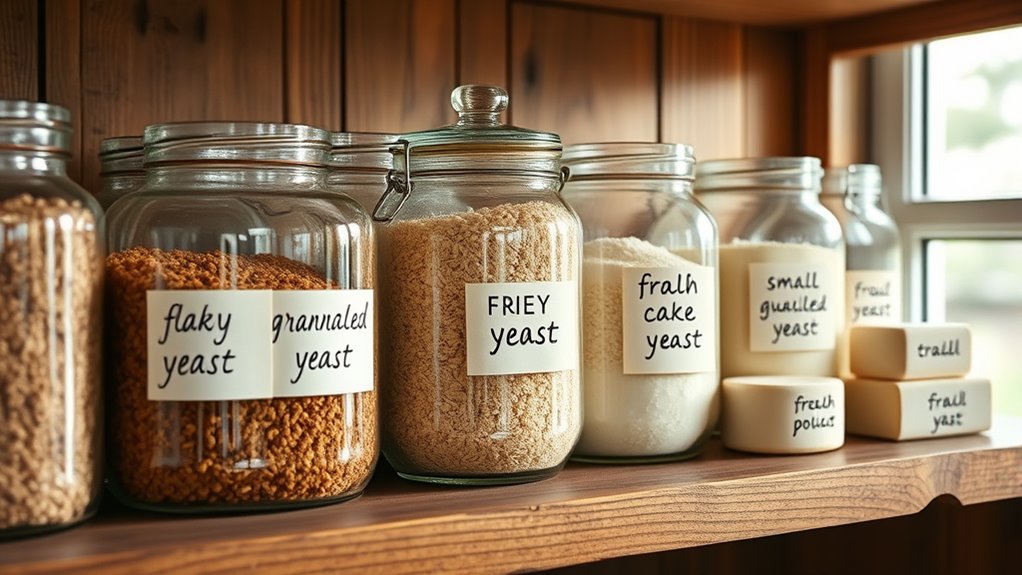
Have you ever wondered about the different types of yeast and how to store them properly? There are several yeast varieties, including active dry, instant, and fresh yeast, each requiring specific storage methods. To keep them at their best, choose appropriate storage containers—airtight jars or resealable bags work well. Active dry yeast should be kept in a cool, dark place in an airtight container to prevent moisture exposure. Instant yeast can be stored similarly but is more tolerant of slightly warmer conditions. Fresh yeast needs refrigeration in a sealed container to stay viable longer. Proper storage containers help maintain yeast potency by protecting it from humidity, light, and air. Additionally, yeast preservation techniques can influence the shelf life and effectiveness of yeast over time. For example, understanding yeast activation can help you determine the best storage practices to ensure reliable baking results over the long term. Maintaining optimal storage conditions is also crucial for preserving yeast vitality, which directly impacts fermentation performance and dough rising.

ComSaf 2 Pack 0.7 Gallon (88 Oz) Large Glass Jars with Airtight Lids, Wide Mouth Fermenting Jar for Pantry, Bulk Food Storage Canister for Flour, Sourdough Starter, Pickling, with Scoop
Fermentation-Grade Airtight Seal: Featuring a classic wire clamp closure and a thick silicone gasket, our jars create a…
As an affiliate, we earn on qualifying purchases.
As an affiliate, we earn on qualifying purchases.
What Are the Best Conditions to Keep Yeast Fresh?
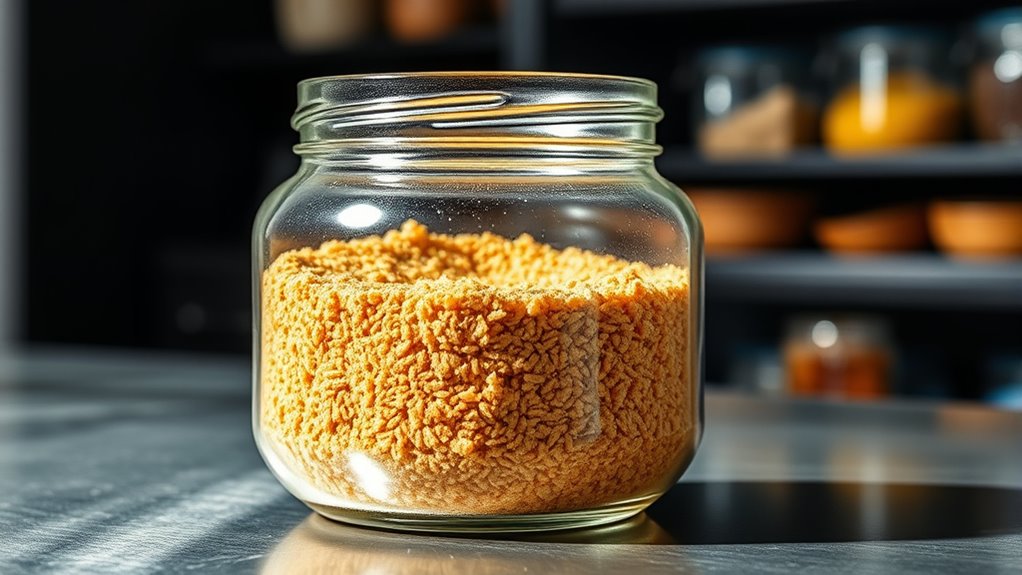
To keep your yeast fresh, you should store it at a cool, consistent temperature, ideally around 35-40°F. Choose an airtight container to prevent exposure to air and moisture, which can spoil the yeast. Minimizing contact with air helps preserve its activity and extends its shelf life. Additionally, storing yeast in a place with proper storage conditions can help maintain its potency over time. Ensuring proper storage conditions also involves keeping the yeast away from temperature fluctuations, which can negatively impact its viability. Proper temperature regulation and stable storage environments are essential for maintaining yeast viability and activity, ensuring reliable fermentation results over time. Using a temperature-controlled environment helps prevent spoilage and maintains optimal yeast performance. Moreover, avoiding exposure to light can help preserve the yeast’s effectiveness for longer periods.
Optimal Storage Temperature
Storing yeast at the right temperature is essential to keep it fresh and active. The ideal temperature range is between 35°F and 40°F (2°C to 4°C). Temperature control helps prevent yeast from losing its potency or becoming dormant. Keep your yeast in a consistently cool environment, as temperature fluctuations can harm its viability. Humidity levels also matter; aim for low humidity to prevent moisture buildup that could cause clumping or spoilage. Avoid storing yeast near heat sources or in places with fluctuating temperatures, like above the stove or near windows. Using a refrigerator with stable temperature settings is your best option. Proper temperature management ensures yeast longevity and preserves yeast’s freshness, ensuring it remains effective for your baking or brewing needs. Proper temperature control is essential for yeast activity, as fluctuations can significantly reduce its effectiveness over time. Additionally, storing yeast in airtight containers can help protect it from moisture and air exposure, further extending its shelf life. Maintaining consistent temperature and humidity levels is crucial for optimal yeast performance over the long term.
Proper Container Selection
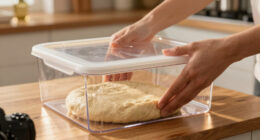
Choosing the right container is crucial for keeping yeast fresh and active. Opt for container materials like glass or food-grade plastic, which won’t react with the yeast or compromise its quality. Guarantee the container has an airtight sealing technique to prevent moisture loss and contamination. A tight seal maintains a stable environment, preserving the yeast’s vitality over time. Avoid containers that are porous or difficult to seal properly, as they can allow air or humidity to seep in, diminishing yeast potency. Clean the container thoroughly before use to prevent mold or bacteria growth. Proper container selection, combined with effective sealing techniques, creates an ideal storage environment—helping your yeast stay fresh, potent, and ready for fermentation whenever you need it. Ensuring the container provides a controlled environment is essential for optimal storage conditions, which can also be supported by smart storage solutions that monitor temperature and humidity levels. Additionally, choosing containers with proper insulation can help maintain consistent storage temperatures, further extending yeast viability.
Minimize Exposure to Air
Since exposure to air can quickly diminish yeast’s vitality, it’s essential to keep it in an environment that limits oxygen contact. Air exposure and oxygen intrusion cause yeast cells to weaken and die, reducing fermentation power. To minimize this, store yeast in airtight containers, removing as much air as possible before sealing. Keep it in a cool, dark location to slow oxidation. Use the following table to understand key storage factors:
| Factor | Best Practice |
|---|---|
| Container Type | Airtight, opaque containers |
| Temperature | Store in a cool, consistent environment |
| Oxygen Exposure | Minimize by removing air before sealing |
| Light | Keep away from direct light |
| Humidity | Keep dry to prevent clumping and spoilage |
Limiting oxygen intrusion preserves yeast’s vitality and guarantees maximum power when you’re ready to brew. Additionally, proper storage methods help maintain yeast freshness over time. To further protect yeast, consider using vacuum-sealed packaging to eliminate air entirely. Proper handling and storage are crucial for maintaining the yeast’s longevity and ensuring optimal fermentation results.

Fleischmann's Instant Dry Yeast Vacuum Pack (1 Lb) (Package may vary)
As an affiliate, we earn on qualifying purchases.
As an affiliate, we earn on qualifying purchases.
How Do You Store Yeast in the Pantry for Best Results?

To keep yeast fresh in your pantry, maintaining its quality requires storing it in an airtight container to prevent exposure to moisture and air, which can degrade its potency. Proper storage supports healthy yeast fermentation by preserving the yeast’s active enzymes and nutrients. When yeast is exposed to humidity or oxygen, its yeast nutrition diminishes, leading to weaker rising power in baked goods. Guarantee the container is sealed tightly after each use, and keep it in a cool, dark place away from direct sunlight. Avoid frequent temperature fluctuations, as they can impair yeast viability. By protecting yeast from moisture and oxygen, you’re helping it retain its ability to ferment effectively, ensuring your baked goods rise consistently and have maximum flavor and texture.

NATURELAND Vaginal pH Test Strips for Women – At-Home BV and Yeast Infection Test Kit, with BloomSense App, Accurate 3.5-6.5 Range, Foil-Sealed (40 Strips)
📱 TRACK. LEARN. CONNECT. WITH THE COMPLIMENTARY BLOOMSENSE APP — Most pH strips give you a color. We…
As an affiliate, we earn on qualifying purchases.
As an affiliate, we earn on qualifying purchases.
How Can You Refrigerate or Freeze Yeast for Long-Term Use?
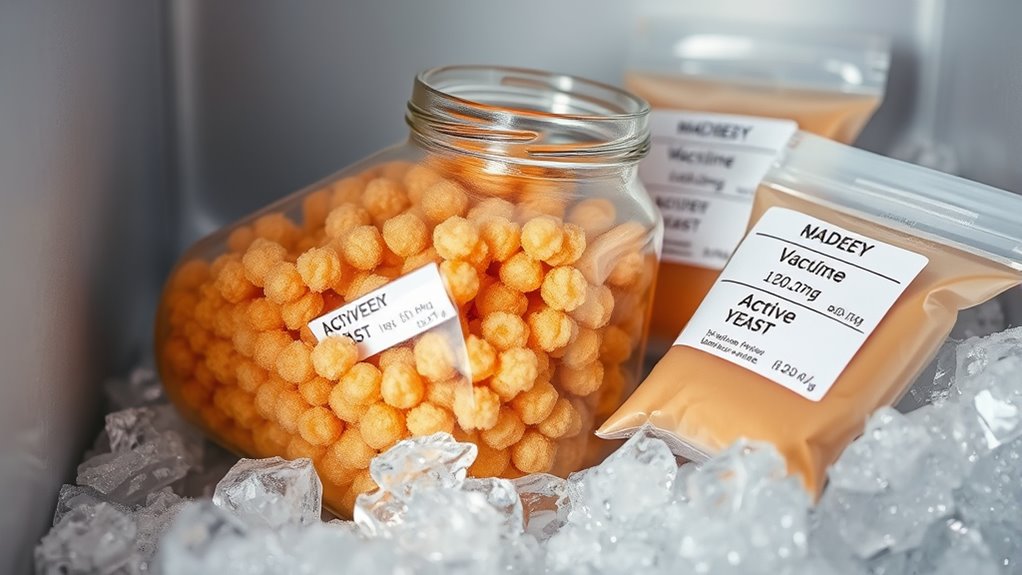
Refrigerating or freezing yeast is an effective way to extend its shelf life and maintain its potency for long-term use. Proper storage helps preserve yeast activation, guaranteeing it remains viable when you need it. When freezing, use airtight containers to protect against moisture and temperature fluctuations, keeping fermentation temperature stable. Before use, let the yeast come to room temperature to optimize activation. Freezing halts yeast activity, so it’s ready for your next batch whenever you need it. Just remember, consistent storage conditions prevent loss of power. Keep in mind these tips to maximize yeast effectiveness:
- Store in airtight containers to prevent moisture damage
- Label packages with date for freshness tracking
- Maintain consistent refrigeration or freezing temperatures
- Avoid frequent temperature changes to preserve viability
- Thaw gradually to ensure proper yeast activation
- Proper storage techniques are essential for maintaining yeast viability over time. Additionally, understanding yeast viability can help you better predict its performance after storage.
How Do You Keep Yeast Viable and Active Over Time?
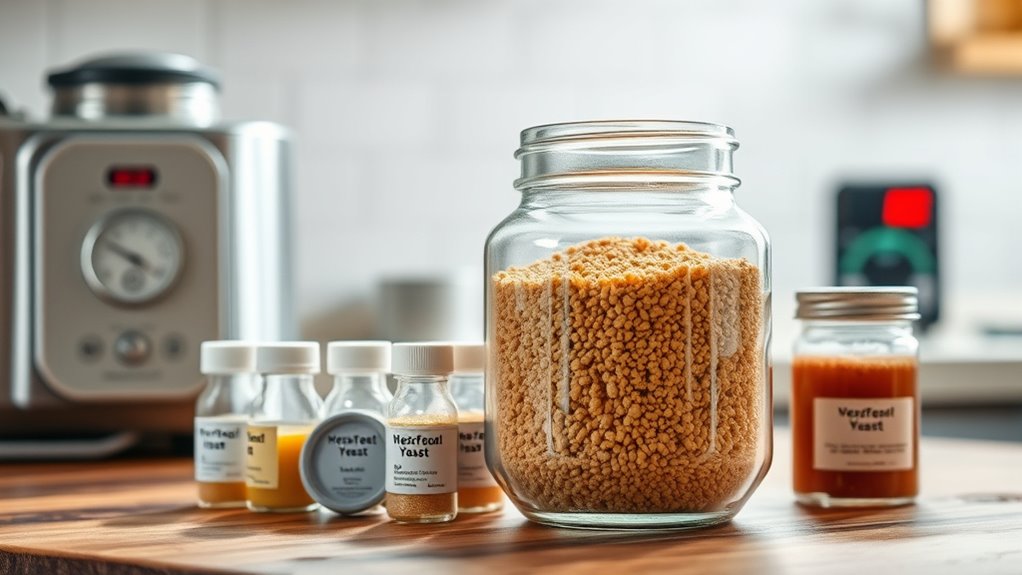
To keep your yeast viable and active, you need to store it under proper conditions, like in a cool, dry place or refrigerated. Regularly checking its viability helps guarantee it’s still effective for baking. By paying attention to these details, you can maintain healthy yeast over time.
Proper Storage Conditions
Keeping yeast viable and active over time depends on maintaining proper storage conditions. To guarantee maximum power, store your yeast in a cool, dark place, ideally in an airtight container. Keep the fermentation temperature steady, as fluctuations can kill the yeast or reduce its activity. Incorporate a small amount of yeast nutrient to help preserve vitality during storage. Avoid exposure to moisture, heat, or direct sunlight, which can compromise the yeast’s quality. Properly stored yeast remains potent and ready for your next batch, saving you time and effort in the long run.
- Feel confident knowing your yeast is protected and primed for fermentation
- Experience the satisfaction of consistent, reliable results
- Avoid waste and unnecessary expense
- Keep your brewing or baking process smooth and stress-free
- Reveal maximum power from every yeast cell
Regular Viability Checks
Regularly checking your yeast’s viability is essential to make certain it remains active and effective over time. You can do this by taking small samples and initiating a quick yeast fermentation test. If the yeast ferments sugar within a few hours, it’s still viable and ready for brewing. Use clean, airtight storage containers to keep your yeast protected from moisture and oxygen, which can diminish its activity. Inspect the yeast for signs of spoilage, such as off-odor or discoloration, before testing. Regular viability checks help you identify when your yeast needs revitalizing or reactivating, ensuring your fermentation process stays consistent. Maintaining healthy yeast guarantees maximum power during fermentation, resulting in better flavor, alcohol content, and overall brew quality.
What Are Common Problems With Yeast Storage and How Can You Fix Them?
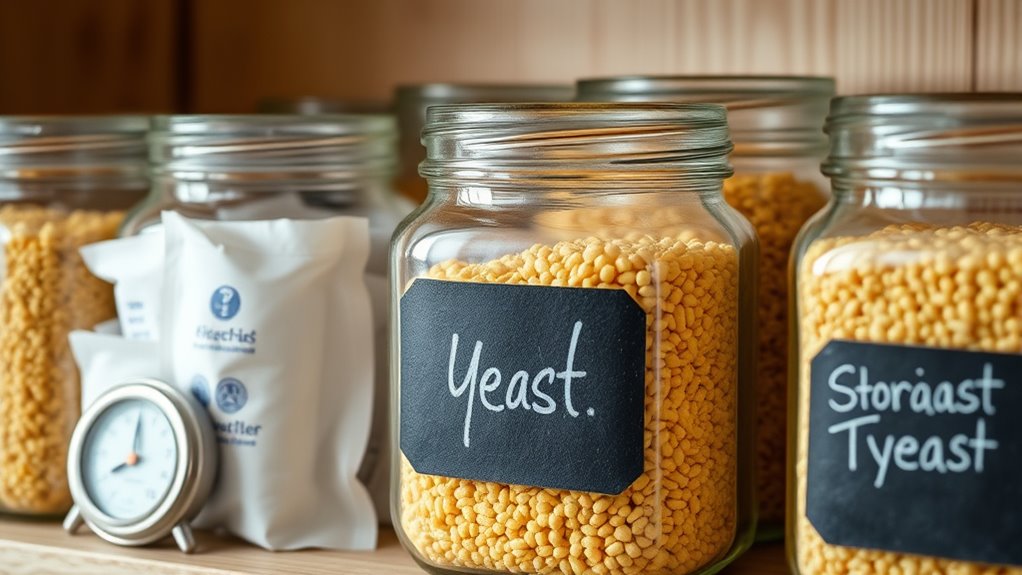
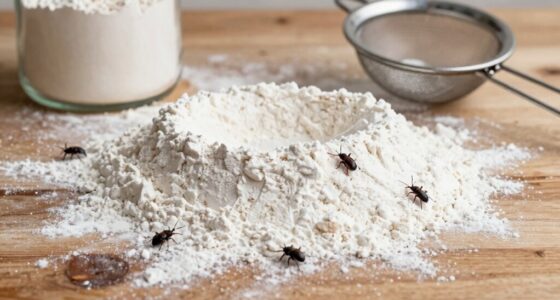
One common problem with yeast storage is its tendency to become inactive or lose potency if not stored properly. Yeast contamination can easily occur if you don’t keep it sealed and sterile, ruining your batch. Excess moisture can cause clumping or mold growth, making your yeast unusable. Poor moisture control can also lead to premature aging of the yeast, reducing its power. To avoid these issues, always store yeast in airtight containers, keep it in a cool, dark place, and ensure it stays dry. Be vigilant for signs of contamination or clumping. Remember, improper storage can drain your yeast’s vitality, wasting your effort and ingredients. Proper storage is your best defense against contamination and moisture-related problems, guaranteeing maximum power when you need it most.
Frequently Asked Questions
How Long Can Yeast Be Stored Before Losing Potency?
You can typically store yeast for up to six months before it starts losing fermentation efficiency. Keep it in an airtight container in a cool, dark place, and avoid frequent temperature fluctuations. After this storage duration, the yeast’s ability to ferment diminishes, leading to less reliable results in brewing or baking. For best results, use fresh yeast or consider refrigerating or freezing it to extend its potency.
Can Yeast Be Stored in Airtight Containers?
Yes, you can store yeast in airtight containers. Use proper yeast packaging, like resealable bags or sealed jars, to keep moisture and air out. Store the containers in a cool, dry place to maintain yeast potency. Airtight storage prevents contamination and preserves its activity over time. Just make certain the container is tightly sealed after each use, and avoid exposing it to heat or humidity.
Is It Better to Store Yeast in the Fridge or Freezer?
Storing yeast in the fridge is generally better for maintaining its liveliness over time. For ideal storage conditions, keep it in an airtight container to prevent moisture and contaminants. The fridge slows down yeast activity, extending its shelf life, while freezing can sometimes damage the cells. Follow these yeast storage tips to guarantee your yeast remains active and ready for baking, especially if you’ll use it within a few months.
How Do Temperature Fluctuations Affect Yeast Viability?
Temperature fluctuations can negatively affect yeast viability by disrupting yeast dormancy and compromising its ability to ferment effectively. When temperatures are unstable, yeast cells experience stress, which can reduce their activity or kill them outright. To guarantee maximum viability, you should maintain temperature stability during storage. Avoid frequent changes, especially between freezing and refrigeration, so your yeast stays healthy and ready to activate when you need it.
What Are Signs Yeast Has Gone Bad During Storage?
A stitch in time saves nine, so check your yeast carefully. If your yeast has lost its fizz, smells off, or shows signs of mold, it’s gone bad. Yeast freshness diminishes if stored improperly, especially in unsealed containers or in fluctuating temperatures. Always store yeast in airtight containers in a cool, dark place. If it doesn’t activate quickly during baking, it’s time to replace it.
Conclusion
By mastering the art of yeast storage, you hold the secret to unsealing bakery magic whenever inspiration strikes. Think of your yeast as a tiny, powerful engine—when kept in perfect conditions, it roars to life, ready to transform your baking dreams into reality. With proper care and attention, your yeast will stay lively and enthusiastic, turning simple ingredients into delicious masterpieces. Keep it fresh, keep it fiery, and let your baking adventures soar to new heights.