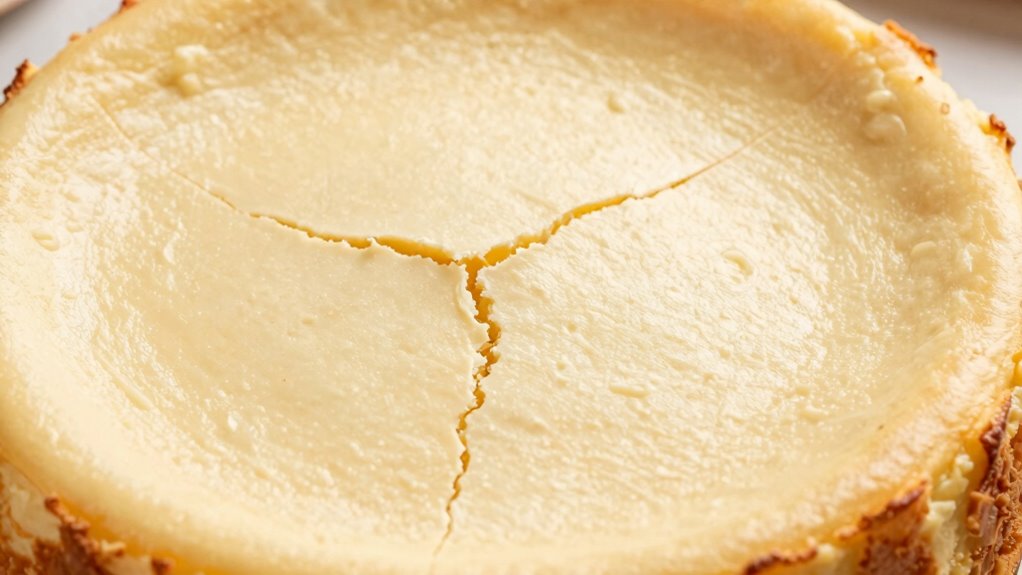
Cheesecakes crack mainly because of uneven cooling, which creates a temperature gradient inside the cake. When the outer layer cools faster than the center, it causes surface shrinkage and internal stress, leading to cracks. Rapid cooling or sudden temperature changes make these issues worse. To keep your cheesecake looking smooth and perfect, controlling the oven’s temperature and cooling slowly is key. If you want to discover more tips, keep exploring the details.
Key Takeaways
- Uneven cooling causes internal temperature differences, leading to surface cracks due to internal stress.
- Rapid temperature changes during baking or cooling induce thermal shock, resulting in cracks on the cheesecake surface.
- Hot spots or uneven heat distribution in the oven create temperature gradients that cause cracks during baking.
- Surface shrinkage from uneven cooling contracts the outer layer faster than the interior, causing cracks.
- Proper gradual cooling and consistent oven temperature help minimize temperature gradients and prevent cracks.
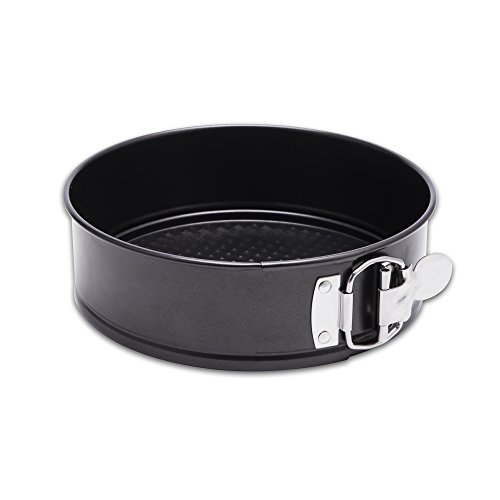
HIWARE 9 Inch Non-stick Cheesecake Pan Springform Pan with Removable Bottom/Leakproof – Black
HEALTHY COATING: Our Non-stick coating is a food grade safety coating with no harsh chemicals or hazardous substances….
As an affiliate, we earn on qualifying purchases.
As an affiliate, we earn on qualifying purchases.
What Are the Key Factors in Cheesecake Baking?
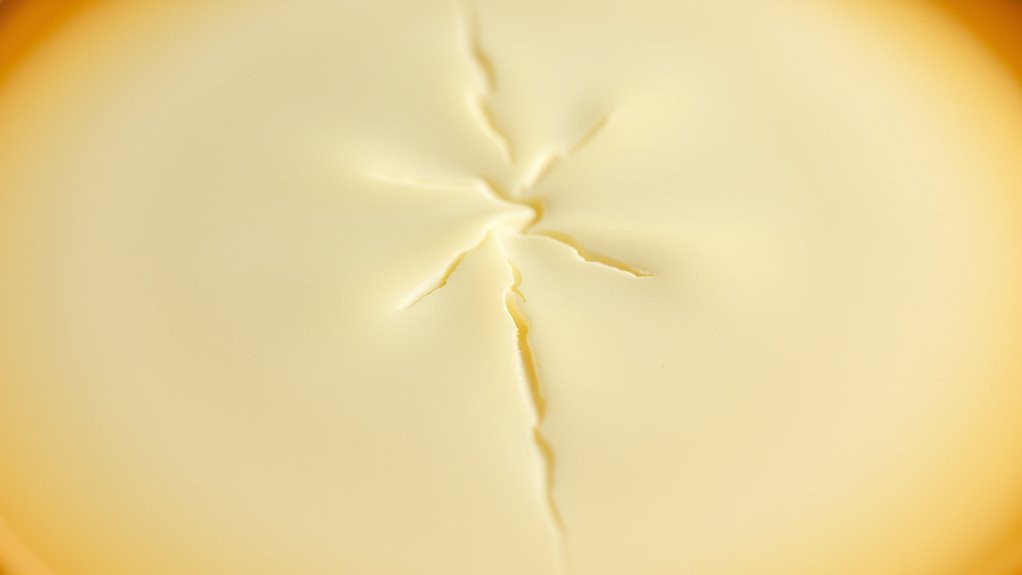
When baking a cheesecake, understanding the key factors that influence its outcome is vital. Your cheesecake’s texture depends heavily on proper baking techniques and ingredients. Overmixing the batter can cause a dense or uneven texture, so mix just enough to combine ingredients smoothly. The quality and type of baking equipment also matter—using a springform pan ensures even heat distribution and easier removal without cracks. The oven’s heat consistency affects how evenly your cheesecake bakes; hot spots can lead to cracks or uneven surfaces. Additionally, the thickness of the batter and the baking time play essential roles. By paying attention to these factors, you’ll achieve a smooth, creamy cheesecake with minimal cracks. Proper equipment and technique are your best tools for baking a flawless cheesecake. High heat retention from quality bakeware can help maintain a consistent baking temperature and prevent cracking.

Stainless Steel Oven Thermometer 50-300°C/100-600°F, Analog Instant Read, Battery-Free Kitchen Cooking Thermometer, Hook & Stand Design Food Thermometer for Oven, Grill, Smoker, Fryer
Clear Dial Display: PECULA's analog oven thermometer delivers precise, instant readings from 50–300°C / 100–600°F. Its dial features…
As an affiliate, we earn on qualifying purchases.
As an affiliate, we earn on qualifying purchases.
What Is the Temperature Gradient Problem in Cheesecake?

Have you ever noticed cracks or uneven surfaces on your cheesecake even when following the recipe closely? That’s often due to the temperature gradient problem. When you bake your cheesecake, uneven cooling methods can cause parts of it to cool at different rates. This creates a temperature gradient inside the cake, leading to stresses that crack the surface. Ingredient interactions also play a role; some ingredients can cause the batter to heat unevenly or trap heat longer. If the outer layer cools faster than the center, it pulls away or cracks as it contracts. Proper cooling methods, like gentle oven cooling or water baths, help minimize these temperature differences, reducing the risk of cracks caused by the temperature gradient problem. Additionally, understanding wiring basics can help ensure proper oven functionality, which is crucial for maintaining consistent baking temperatures. Ensuring your oven heats evenly is essential for maintaining a stable baking temperature, further helping prevent cracks. Recognizing the importance of thermal conductivity in your oven components can further improve even heat distribution during baking.
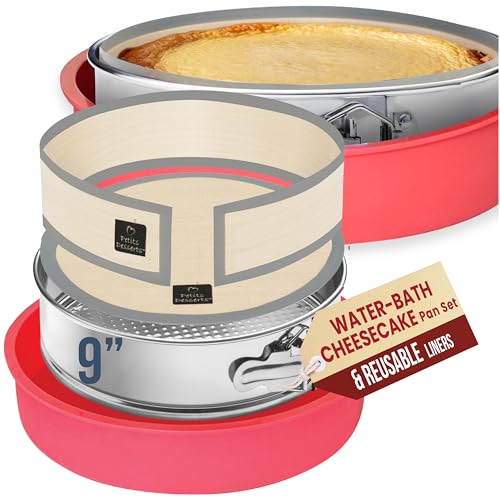
9 Inch Springform Pan for Cheesecake, with LEAKPROOF Silicone Sleeve & 2 REUSABLE Liners for WATER BATH Baking – No Foil Wrap & Parchment Needed, NON-TOXIC Stainless Steel Cheese Cake Pans for Baking
LEAKPROOF WATER BATH PROTECTION – The silicone sleeve helps seal the pan during water bath baking, keeping water…
As an affiliate, we earn on qualifying purchases.
As an affiliate, we earn on qualifying purchases.
How Does Temperature Impact Cheesecake Stability?

Maintaining a uniform temperature throughout your cheesecake is key to preventing cracks. Using proper cooling techniques helps guarantee even temperature distribution, which keeps the texture smooth and stable. When you control temperature carefully, your cheesecake stays intact and looks perfect. Consistent temperature is essential for optimal texture and appearance. Incorporating simple temperature management strategies can make a significant difference in your baking results. Additionally, being aware of how temperature gradients develop during cooling can help you adjust your methods proactively for better outcomes.
Uniform Temperature Distribution
A uniform temperature distribution during baking is essential for ensuring your cheesecake sets evenly and maintains a smooth, crack-free surface. When heat is evenly spread, your cheesecake experiences consistent baking, preventing hot spots that cause uneven rising and cracking. To achieve this, make sure your oven is properly calibrated, so the temperature inside matches the settings. An uncalibrated oven can create temperature gradients, leading to uneven baking and potential cracks. Using a reliable oven thermometer helps verify accurate temperatures. Additionally, avoid opening the oven frequently, as sudden temperature changes can disrupt heat distribution. By maintaining consistent heat, you promote baking consistency, which is key to a beautifully smooth cheesecake with minimal cracks. Proper temperature control is your best tool for perfect results. Heat distribution plays a crucial role in preventing cracks by ensuring even baking throughout the cheesecake. Ensuring proper thermal management within your oven minimizes the risk of creating temperature gradients that can cause cracking. Regularly preheating the oven helps establish a stable baking environment, further reducing temperature fluctuations. Remember, uneven heat can also affect the baking environment, so taking steps to ensure a stable temperature is essential for a flawless cheesecake. Additionally, understanding temperature gradients can help you troubleshoot and improve your baking technique for better results.
Proper Cooling Techniques
Ever wonder how proper cooling techniques influence cheesecake stability? Cooling correctly helps prevent cracks caused by temperature fluctuations. Here are four tips to optimize your process:
- Gradually reduce temperature after baking to avoid sudden changes.
- Keep the cheesecake in the oven with the door slightly open during the first phase of cooling.
- Use a water bath to maintain even cooling, which supports ingredient quality.
- Allow sufficient baking time; underbaked or overbaked cheesecakes are more prone to cracks during cooling.

2PCS Cooling Racks for Cooking and Baking – 10" x 15"Heavy Duty Stainless Steel Wire Rack for Baking, Grilling, Roasting – Oven & Dishwasher Safe – Fits Jelly Roll Sheet Pan-Silver
QUALITY STAINLESS STEEL CONSTRUCTION: Made from food grade stainless steel instead of metal plating or coating, the grill…
As an affiliate, we earn on qualifying purchases.
As an affiliate, we earn on qualifying purchases.
Why Do Cheesecake Cracks Occur Due to Temperature Differences?
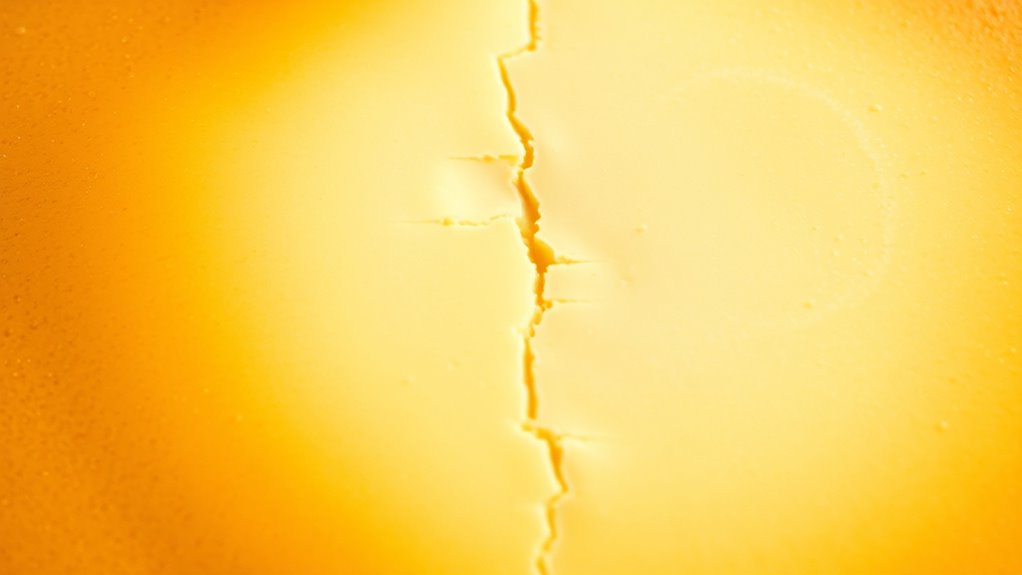
Temperature differences can cause your cheesecake to crack, especially if heat isn’t evenly distributed during baking. Rapid cooling or sudden temperature changes can make the surface shrink too quickly, leading to cracks. Additionally, uneven heat can create surface shrinkage risks, worsening the problem. Using a proper oven temperature and monitoring it carefully can help prevent these issues. Understanding the solar energy flux involved in baking can also help you maintain a consistent temperature environment in your oven. Being aware of spatial heat distribution ensures more uniform baking and reduces crack formation.
Uneven Heat Distribution
When heat isn’t evenly distributed during baking, your cheesecake can develop cracks. This often happens if your oven isn’t properly calibrated or if ingredient consistency varies. To avoid this, consider these tips:
- Check your oven’s calibration regularly to ensure accurate heat.
- Use ingredients at room temperature for even mixing and baking.
- Rotate your cheesecake halfway through baking to promote uniform heat.
- Use a water bath to maintain consistent temperature and prevent hot spots.
Uneven heat causes parts of your cheesecake to cook faster or slower, creating stress that leads to cracks. Ensuring your oven heats evenly and ingredients are consistent helps create a smooth, crack-free surface. Proper heat distribution is key to a perfect cheesecake.
Rapid Cooling Effects
Rapid cooling causes cracks in your cheesecake because sudden temperature changes create stress within the delicate structure. When you transfer a hot cheesecake directly into an ice bath or use a quick cooling method, the outer layer cools and contracts faster than the interior. This rapid cooling increases the temperature gradient, leading to internal stress that can cause cracks to form. A slow, controlled cooling rate allows the cheesecake to gradually release heat, preventing these stresses from building up. Avoid rushing the process by skipping ice baths or overly aggressive cooling methods. Instead, let your cheesecake cool gradually at room temperature before refrigerating. This careful approach helps maintain a smooth surface and prevents cracks caused by thermal shock.
Surface Shrinkage Risks
Surface shrinkage occurs because the outer layer of your cheesecake cools and contracts faster than the interior, creating stress that can lead to cracks. As the surface pulls inward, surface tension increases, making the crust more prone to splitting. Here are some risks to watch for:
- Rapid cooling causes uneven contraction, stressing the cheesecake’s structure.
- Excessive crust formation can trap moisture, worsening surface tension issues.
- Sudden temperature drops intensify surface shrinkage, increasing crack risk.
- Inconsistent heat distribution during baking leads to uneven surface contraction.
To minimize these risks, avoid overcooling too quickly and ensure even baking. Controlling temperature and timing helps maintain surface integrity, preventing cracks caused by surface tension and crust formation.
How Can You Prevent Cracks Caused by Temperature?

Temperature fluctuations can cause cheesecake cracks if you’re not careful. To prevent this, maintain a consistent baking temperature by checking your oven calibration regularly. An oven that runs hot or cold can create uneven heat, increasing the risk of cracks. Use an oven thermometer to verify the temperature matches what’s set on the dial. Adjust your oven’s settings if needed. Also, bake at a lower temperature for a longer period to promote even cooking and reduce thermal stress. Avoid sudden temperature changes; don’t open the oven door frequently during baking. Instead, gently prop the door open with a wooden spoon if you need to check on it. These steps help guarantee even heat distribution, minimizing the temperature gradient and preventing cracks. Additionally, understanding thermal management can help you better control heat flow and prevent cracks in delicate baked goods. Proper heat distribution within the oven is essential for consistent baking results. Being mindful of thermal expansion can further help in reducing stress on the cheesecake surface.
What Other Factors Lead to Cheesecake Cracks?

While maintaining consistent oven temperatures helps prevent cracks, other factors can also contribute to this common cheesecake flaw. First, texture variation occurs when the batter isn’t evenly mixed, causing weak spots prone to cracking. Second, ingredient interactions, like adding too much liquid or not enough binding agents, can destabilize the structure. Third, overmixing the batter introduces air bubbles that expand during baking, leading to cracks. Fourth, uneven cooling causes the surface to contract suddenly, resulting in cracks. Being mindful of these factors helps you achieve a smooth, crack-free cheesecake. Ensuring uniform mixing, balancing ingredients, gentle handling, and controlled cooling all work together to reduce the risk of cracks caused by these additional issues. Additionally, understanding the temperature gradient within your oven can help optimize baking conditions and prevent cracks from forming. Properly managing the baking environment is essential to maintaining a consistent temperature throughout the baking process. Furthermore, employing techniques like a water bath can help regulate the baking temperature and create a more uniform heat distribution. Using a baking thermometer to monitor oven heat can further enhance temperature control and help prevent cracks. Being aware of the thermal expansion of the cheesecake during baking can also assist in minimizing surface cracks.
Frequently Asked Questions
Can Using Different Oven Types Affect Cheesecake Cracking?
Yes, different oven types can affect cheesecake cracking because of oven effects on baking temperatures. Convection ovens, for example, circulate hot air, which can cause uneven heat distribution, increasing the risk of cracks. Conventional ovens may offer more stable temperatures, reducing cracking. You should monitor your oven’s impacts and adjust baking temperatures accordingly to ensure even cooking and prevent cracks in your cheesecake.
Does Cheesecake Size Influence the Likelihood of Cracking?
Yes, cheesecake dimensions and baking pan size influence cracking. Larger cheesecakes or those baked in bigger pans tend to experience more cracking because they take longer to bake evenly, creating temperature gradients that cause the surface to crack. Smaller or thicker cheesecakes bake more uniformly, reducing the risk. To prevent cracks, choose a pan size appropriate for your cheesecake’s dimensions and keep an eye on baking time and temperature.
How Does Humidity Impact Cheesecake Cracking During Baking?
Like a delicate painting, your cheesecake is sensitive to humidity effects, which influence moisture intrusion during baking. High humidity can cause the surface to become overly moist, leading to cracks as it dries unevenly. Conversely, low humidity helps maintain consistent moisture, preventing cracks. You should monitor your kitchen’s humidity levels and consider using a water bath or humidifier to control moisture, ensuring a smooth, crack-free cheesecake.
Are There Specific Ingredients That Make Cracks More Likely?
Certain ingredients can make cracks more likely in your cheesecake. For instance, unstable ingredients like excessive eggs or dairy can cause the batter to crack if they lose stability during baking. Additionally, a crust influence matters—if the crust isn’t evenly baked or is too thick, it can create uneven heat distribution, leading to cracks. Using stable ingredients and ensuring even crust baking helps prevent these issues.
Can Refrigeration Cause or Worsen Cheesecake Cracks?
Refrigeration effects can worsen cheesecake cracks if you chill it too quickly or unevenly. Rapid cooling causes temperature gradients that lead to cracks, so it’s best to refrigerate slowly and evenly. To prevent cracking, let your cheesecake cool gradually at room temperature before chilling. Proper refrigeration effects, like controlled cooling, are key to cracking prevention, ensuring your cheesecake stays smooth and creamy without unsightly fissures.
Conclusion
To keep your cheesecake smooth and crack-free, imagine gently caressing a calm lake’s surface—steady, even heat prevents sudden shifts. By controlling your oven’s temperature and baking carefully, you create a warm, stable environment that lets the batter set smoothly, like a serene dawn. With patience and attention, you’ll enjoy a perfectly baked cheesecake—an unbroken, creamy masterpiece that’s as flawless as a glassy pond reflecting the morning sun.