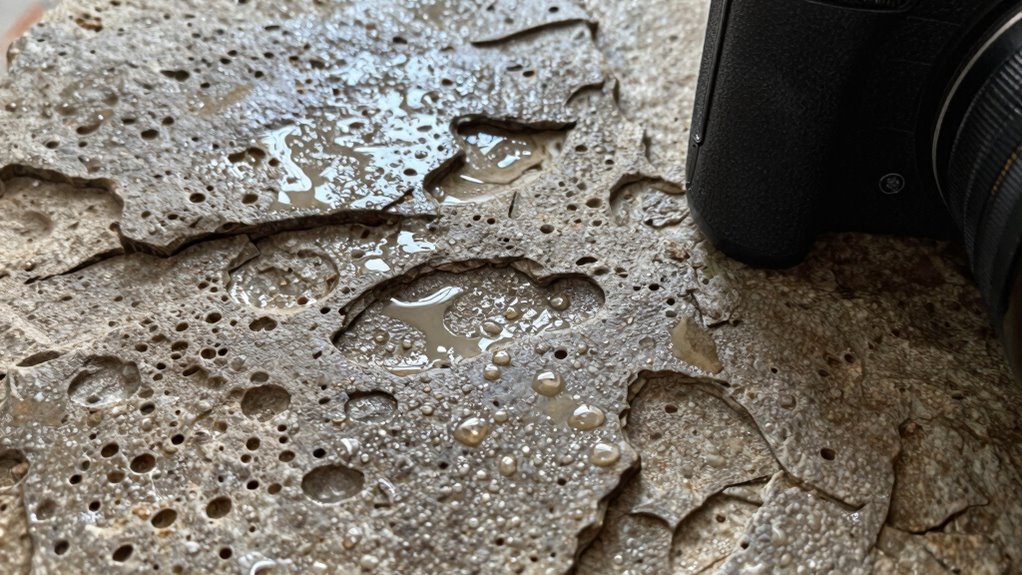
Surface moisture is the main reason your pizza sticks to the stone. Excess wetness from ingredients, dough hydration, or leftover water from cleaning creates a sticky barrier that prevents easy release. When moisture builds up on the surface, it turns to steam during baking, making sticking more likely. Proper preheating, dusting with flour or cornmeal, and controlling humidity help reduce surface moisture. Keep exploring to discover more tips for smooth pizza removal.
Key Takeaways
- Excess surface moisture creates a sticky barrier between the pizza and hot stone, increasing the risk of sticking.
- Moisture from dough overhydration or insufficient dusting can trap water on the crust surface.
- During baking, heat causes surface moisture to migrate and turn into steam, promoting sticking.
- Proper dough elasticity and flour dusting help reduce surface moisture, easing pizza release.
- Inadequate preheating or residual moisture on the stone can trap surface water, leading to sticking.
How Surface Moisture Causes Pizza to Stick
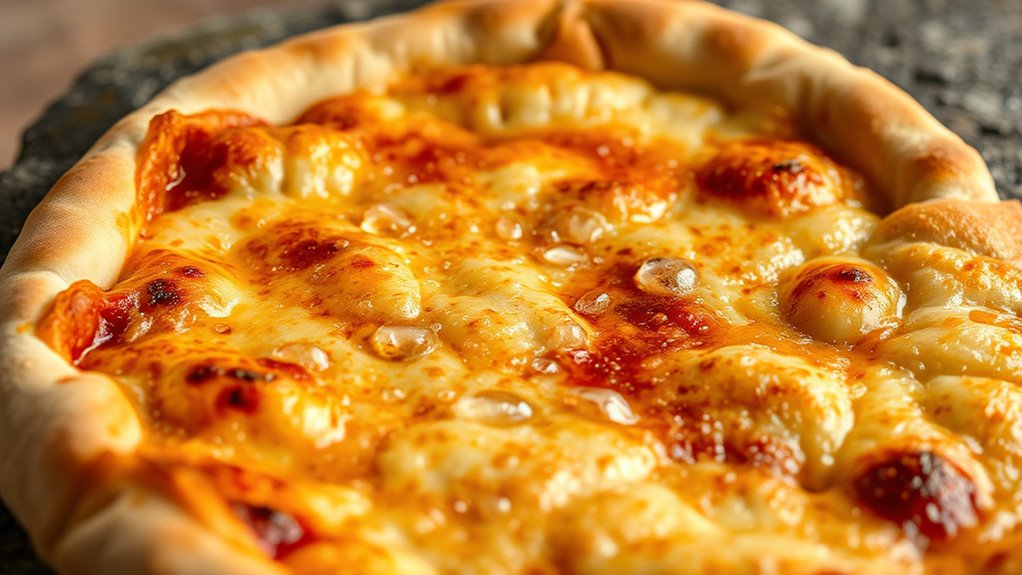
Surface moisture plays a significant role in causing pizza to stick to stones. When your dough has high flour content, it tends to be less elastic, making it harder to handle and more prone to sticking. Dough elasticity is essential because it allows the pizza to release smoothly from the stone without tearing. If your dough is too moist or contains excess surface moisture, it creates a sticky barrier that bonds with the hot stone. This moisture can develop from overhydration or insufficient dusting with flour. As the dough interacts with the stone’s heat, the excess moisture turns to steam, increasing the likelihood of sticking. Ensuring proper dough elasticity and controlling flour content help reduce surface moisture, making it easier to slide your pizza off the stone seamlessly. Additionally, maintaining the right fundamentals like temperature and handling techniques can greatly improve your pizza’s release. Proper temperature control is crucial because excessive heat can cause rapid moisture evaporation, affecting how the pizza releases. Recognizing the role of surface moisture is key to mastering the art of pizza baking on stones. Being aware of moisture management techniques can further help prevent sticking and improve your results.
How Moisture Forms on Pizza and Stone Surfaces
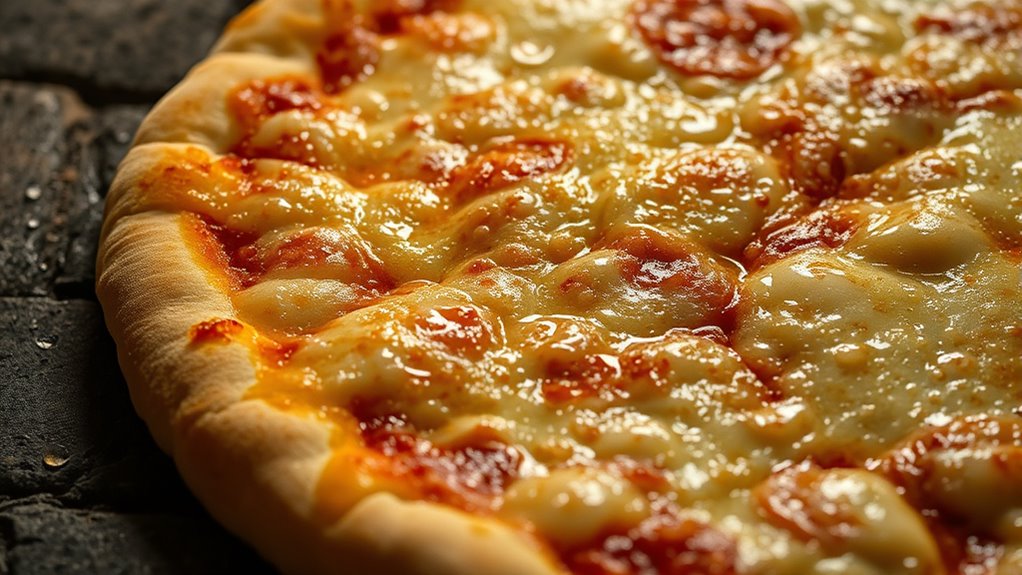
Moisture forms on pizza and stone surfaces primarily through the interaction of heat and ingredients. When you heat pizza, moisture from the dough and toppings begins to migrate toward the surface due to dough elasticity and moisture migration. As the crust cooks, trapped water escapes, creating surface moisture that can cause sticking. Similarly, the stone absorbs some moisture, which can later evaporate or re-condense. This process is influenced by ingredients with high water content and how heat causes moisture to move within the pizza. Understanding this helps you control surface moisture, preventing sticking issues. Additionally, the porous nature of stones allows moisture to be absorbed and released, which can impact the overall baking process. Recognizing how moisture interacts with the porous surface can help optimize baking conditions and reduce sticking, especially when considering moisture management techniques. Moreover, the porous structure of stones can also trap residual moisture, affecting subsequent bakes if not properly maintained. Proper drying and cleaning of your stone between uses is essential to minimize moisture buildup and ensure consistent baking results.
How Dough Hydration Affects Sticking

Your dough’s flour-to-water ratio directly influences how much moisture is available, affecting its stickiness on the stone. When hydration levels are just right, the dough becomes elastic and easier to handle, reducing sticking issues. Too much water, however, makes the dough overly sticky, increasing the risk of sticking to the hot surface. Proper dough elasticity can help in achieving optimal moisture levels for baking, and understanding hydration management techniques can further improve your results.
Flour to Water Ratio
The flour to water ratio plays a crucial role in preventing dough from sticking to stone surfaces. When this ratio is balanced, you attain excellent dough elasticity, making it easier to handle and less prone to sticking. Proper hydration levels ensure the dough isn’t too dry or too sticky, reducing surface moisture that causes sticking. Adjusting the flour to water ratio influences how well the dough holds together during baking. Too much water creates a sticky mess, while too little results in a dry, brittle crust. Finding the right balance helps your dough maintain its structure and prevents surface adhesion. Proper hydration control is essential for consistent baking results and minimizing surface moisture issues. Additionally, understanding the surface moisture dynamics can aid in selecting optimal baking techniques to reduce sticking. Regularly monitoring dough consistency can further improve your baking outcomes and prevent surface problems. Recognizing the role of surface moisture management can also help in adjusting baking conditions for better results.
Proper Hydration Levels
Maintaining the right hydration level in your dough is key to preventing sticking and ensuring smooth handling. Proper hydration control helps achieve the moisture balance needed for ideal dough consistency. If your dough is too dry, it becomes stiff and difficult to work with, increasing the risk of sticking to your stone. Conversely, over-hydrated dough is too sticky, making it hard to shape without excess flour or oil. To avoid this, measure your water carefully and adjust gradually as needed. Consistent hydration levels promote even moisture distribution, which reduces surface moisture that can cause sticking. Additionally, understanding dough hydration and its impact on texture can help you fine-tune your recipe for better results. Being aware of surface moisture is essential for bakers aiming for a perfect crust. By paying close attention to hydration control, you’ll create a dough with the right moisture balance—easier to handle, less prone to sticking, and better suited for a perfect bake.
Impact on Dough Elasticity
Dough hydration has a direct impact on its elasticity, which in turn influences how much it sticks during handling. When your dough has the right hydration level, it becomes more elastic, allowing it to stretch without tearing. This increased dough elasticity reduces surface moisture buildup that causes sticking. Conversely, under-hydrated dough tends to be stiff and less elastic, making it stickier and harder to work with. Proper hydration ensures the surface moisture is balanced, preventing excess stickiness. Additionally, eco-friendly ingredients and techniques can help maintain optimal moisture levels and improve dough handling. Incorporating budget-friendly tools like spray bottles or brushes can also assist in managing moisture more efficiently, making the process more accessible for home bakers. Understanding the benefits of high-pressure sprayers can also inspire more efficient ways to manage moisture in various baking techniques.
How Temperature Changes Moisture Levels During Baking
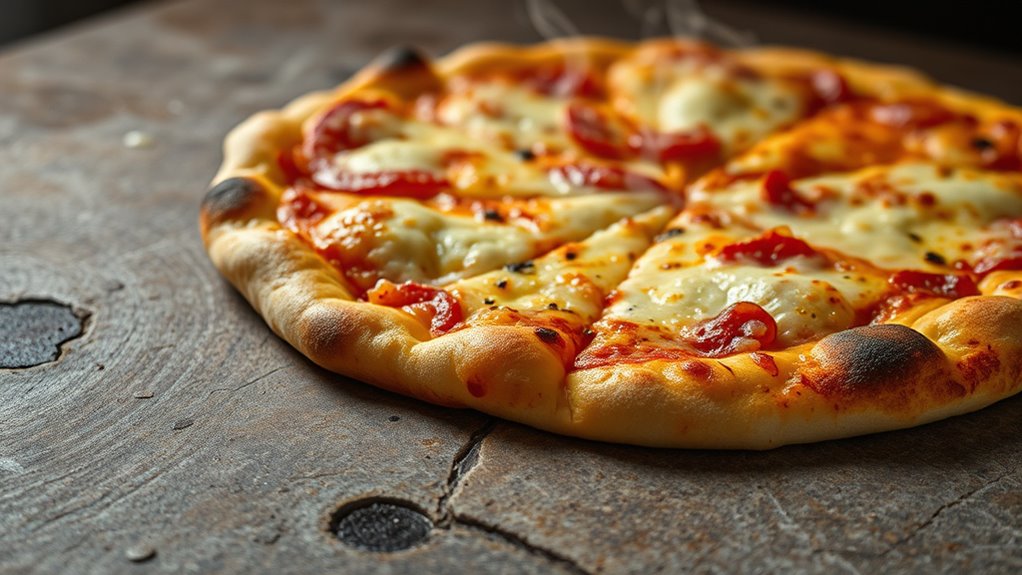
As the oven heats up, moisture in the dough begins to evaporate more quickly, affecting the crust’s texture. Higher temperatures also cause moisture to migrate from the interior to the surface, influencing how the pizza bakes. Understanding these changes can help you control how your pizza develops during baking. Surface Moisture plays a crucial role in the final crust quality, as it impacts both texture and appearance. Additionally, controlling surface moisture through proper techniques can enhance the overall baking process and result in a more desirable crust.
Temperature Alters Moisture Evaporation
When the oven heats up, temperature plays a crucial role in how moisture escapes from your pizza sticks. Higher temperatures accelerate evaporation, reducing surface moisture quickly. This process affects dough elasticity; as moisture leaves, the dough becomes less pliable, impacting texture. Flour hydration levels also influence evaporation rates—drier dough loses moisture faster, creating a crisper crust.
- Increased heat speeds up moisture loss, making crust crispier
- Too high a temperature risks over-drying, causing cracks
- Proper temperature balances moisture retention and crispness
- Dough with ideal hydration resists drying out too quickly
Adjusting oven temperature carefully helps control moisture levels during baking, ensuring your pizza sticks develop the perfect balance of chewiness and crunch.
Heat Causes Moisture Migration
Temperatures during baking cause moisture to migrate within the pizza sticks, moving from the interior toward the surface. As heat increases, the dough’s permeability allows moisture to escape more readily, promoting migration. This process affects how well the pizza retains moisture; higher temperatures accelerate moisture movement, reducing overall retention. If the dough is too permeable, moisture escapes quickly, leading to a drier crust. Conversely, a less permeable dough traps moisture longer, keeping the interior moist and tender. Understanding how temperature impacts moisture migration helps you control the baking process, ensuring your pizza sticks develop a crispy exterior while maintaining a moist, flavorful interior. Managing dough permeability in relation to temperature is key to achieving the perfect balance of texture and moisture.
How Residual Water From Cleaning Contributes to Sticking
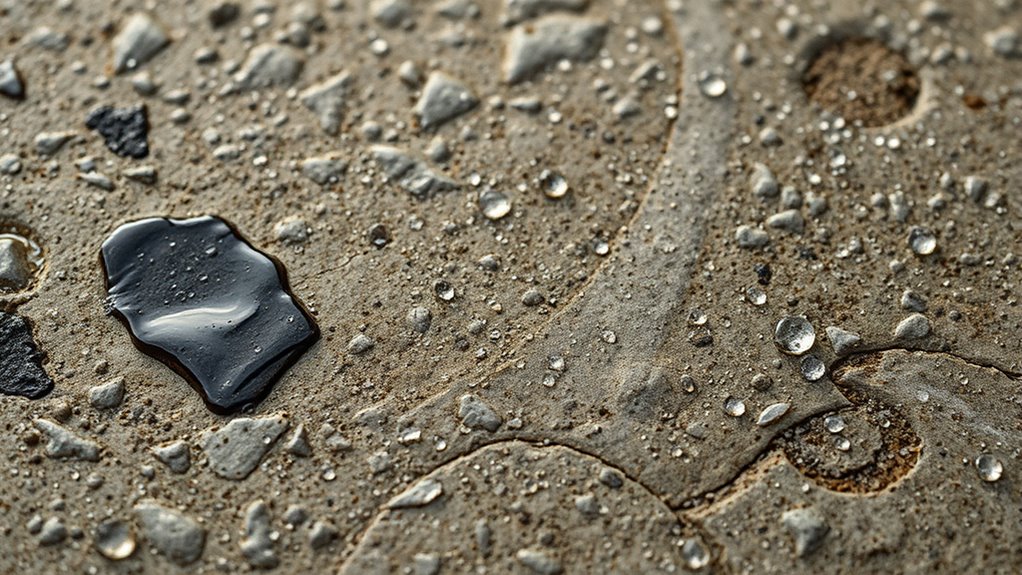
Residual water left on the stone after cleaning can considerably increase the likelihood of pizza sticking. During the cleaning process, if you don’t thoroughly dry the surface, residual water remains trapped in tiny pores. When you heat the stone, this moisture turns to steam, creating a sticky environment that causes the dough to cling.
Key points to contemplate:
- Residual water can evaporate unevenly, leading to hotspots
- Incomplete drying traps moisture that fuels sticking
- Using too much water during cleaning leaves more residual moisture
- Improper drying techniques increase surface moisture levels
The Science Behind Crust Formation and Moisture Release
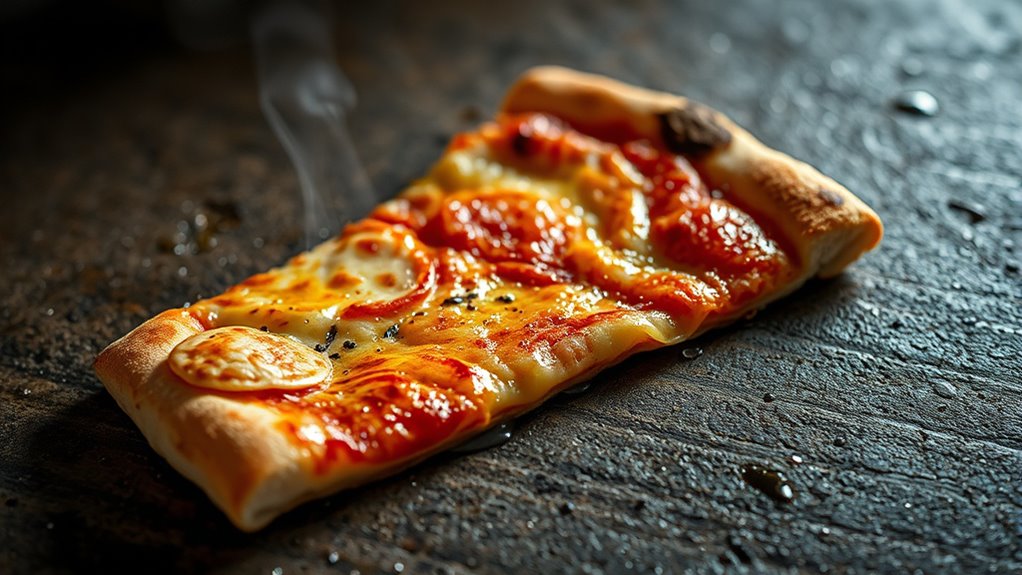
Understanding how the crust forms involves looking at its composition and structure, which determine its texture and strength. As the pizza bakes, moisture moves within the dough, affecting how the crust develops and releases water. Heat causes evaporation, shaping the crust’s final form and preventing sticking to your stone.
Crust Composition and Structure
The composition and structure of pizza crust play a essential role in how it forms and reacts during baking. Your dough’s elasticity determines how well it stretches and traps gases, affecting crust rise and texture. Crust porosity influences airflow and moisture movement within the crust, impacting its crispness and ability to release surface moisture. A well-balanced crust includes the right flour type, hydration level, and kneading technique. These factors shape the crust’s internal structure, dictating how moisture interacts during baking. Pay attention to these key aspects:
- Dough elasticity for stretchability
- Crust porosity for moisture release
- Ingredient quality and ratios
- Kneading and fermentation processes
Understanding these elements helps you control crust formation and prevents sticking issues.
Moisture Migration Dynamics
As your dough bakes, moisture inside it begins to move toward the surface, shaping the crust’s final texture. This process, called moisture migration, occurs because water moves from areas of higher concentration to lower, driven by surface tension. As heat causes moisture to travel outward, the crust forms a barrier that traps some vapor, influencing its crispness. Surface tension plays a key role, pulling moisture upward and creating a thin film on the crust’s surface. This migration affects how much moisture remains within the dough and how much escapes, ultimately impacting texture and stickiness. Understanding these dynamics helps explain why some pizzas develop a dry, crisp crust while others remain moist and chewy near the stone.
Heat and Evaporation Process
When you bake pizza, heat causes the moisture inside the dough to turn into vapor and escape. As temperature rises, moisture migrates from the interior to the surface, impacting crust texture. This process influences dough elasticity, making the crust stretch and develop a chewy consistency. The evaporation of moisture creates a thin, crisp crust while preventing sogginess.
To understand this better, consider:
- How high oven temperatures accelerate moisture migration
- The role of dough elasticity in trapping or releasing moisture
- How surface moisture evaporation leads to crust formation
- The balance between heat and moisture that prevents sticking to the stone
Mastering heat and evaporation helps you control crust quality and achieve that perfect, crispy pizza base.
How to Minimize Surface Moisture Before Baking
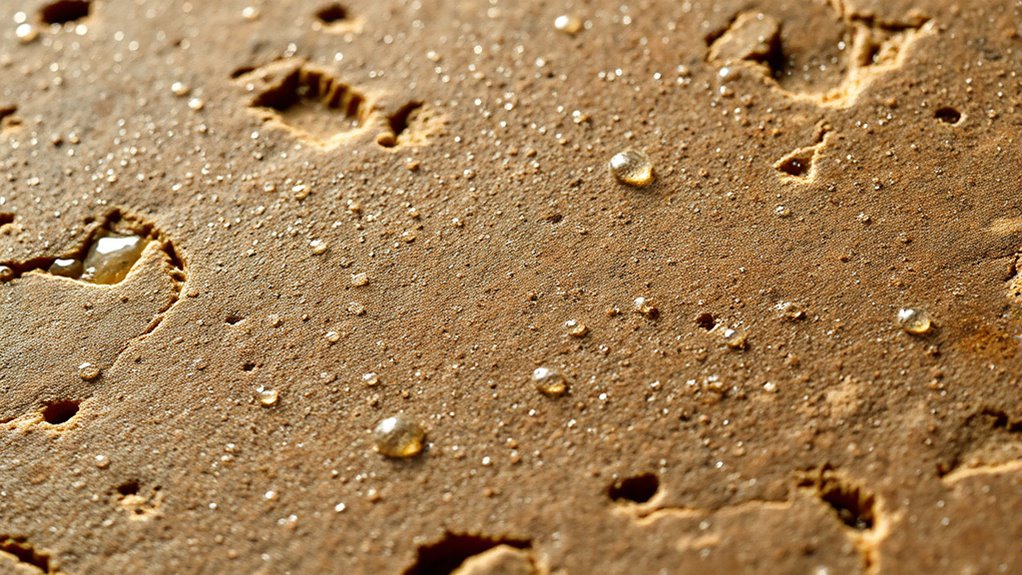
To prevent your pizza sticks from sticking to the stone, it’s essential to minimize surface moisture before baking. Start by ensuring your dough has good stretchability; a well-hydrated but not overly wet dough is easier to handle and less likely to release excess moisture. Lightly dust the dough with flour or cornmeal to absorb surface moisture and create a dry layer. Also, consider your oven temperature—preheat the oven thoroughly so it reaches a high, consistent heat. A hot oven helps evaporate moisture quickly from the dough’s surface, reducing stickiness. Avoid over-wetting your toppings or dough surface before baking, as this can increase moisture. By managing dough consistency and oven heat, you’ll create a dry, firm surface that minimizes sticking and enhances your pizza sticks’ crispness.
How Preheating Helps Evaporate Moisture and Prevent Sticking
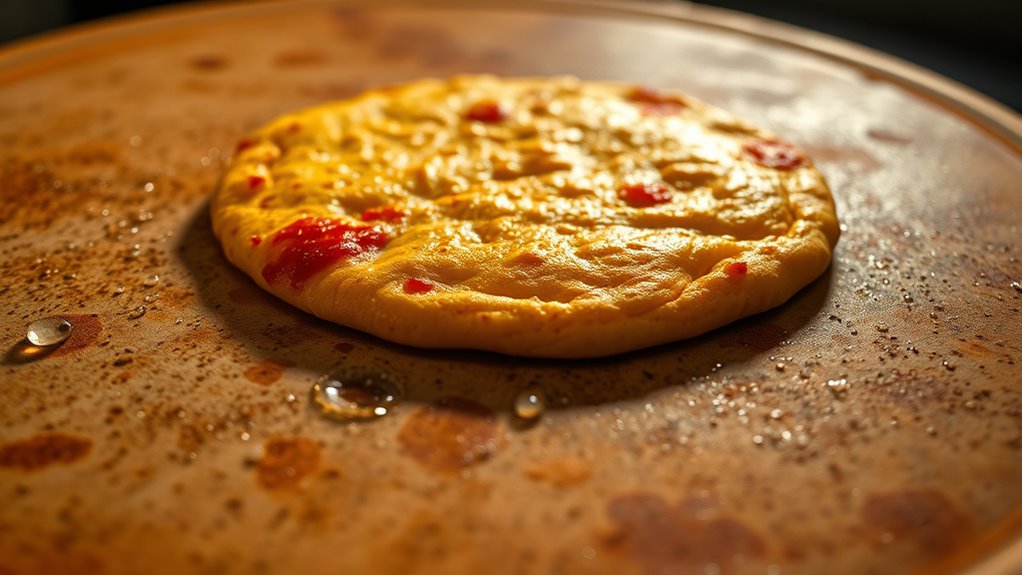
Preheating your oven is essential because it guarantees a consistent, high temperature that quickly evaporates surface moisture. When your oven is properly heated, it creates an environment where moisture from pizza toppings and dough evaporates rapidly, reducing the risk of sticking to the stone. This high oven temperature helps form a crisp crust and prevents sogginess caused by excess moisture. To maximize this effect, ensure your stone is thoroughly preheated before placing your pizza. Proper preheating also promotes even heat distribution, helping your pizza cook uniformly. Remember, the key is to reach the right oven temperature quickly. This process minimizes surface moisture, keeps toppings intact, and ensures your pizza slides off the stone smoothly. A well-preheated oven is your best tool for a perfectly baked, non-sticking pizza.
How Dustings Like Flour and Cornmeal Reduce Sticking
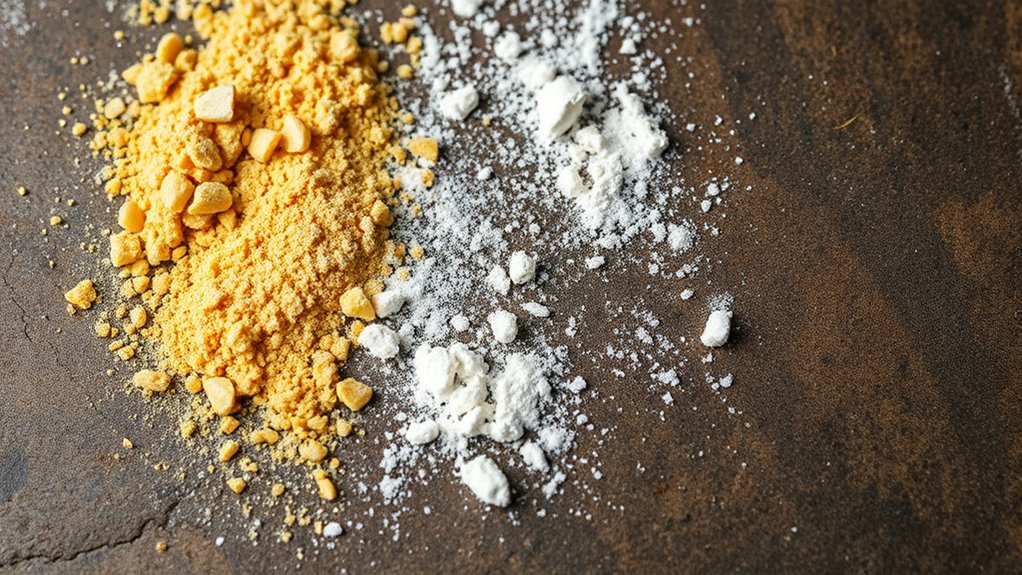
Applying dustings of flour or cornmeal before placing your pizza on the stone creates a barrier that helps prevent sticking. These dustings reduce the contact between the dough and the hot surface, giving the dough’s elasticity room to move without sticking. Flour or cornmeal acts as a dry layer, which is especially helpful if your dough isn’t perfectly smooth or has slight moisture. Keep in mind, baking temperature influences how well these dustings work; a higher temperature can quickly cause moisture to evaporate, making the dusting more effective. Properly dusting your peel ensures the dough slides easily onto the hot stone, preventing sticking and preserving the pizza’s shape. This simple step makes a noticeable difference in achieving a crisp crust without the frustration of sticking.
How to Troubleshoot and Fix Common Sticking Problems
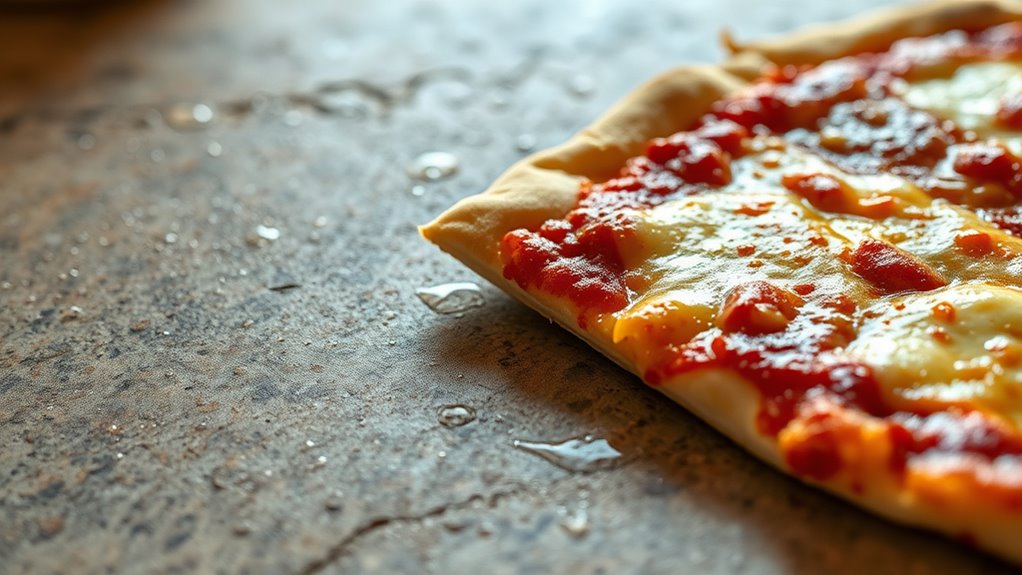
Sticking issues can disrupt your pizza-making process, but identifying the root cause often reveals simple solutions. First, check your dough fermentation; underfermented dough tends to be sticky and hard to work with. Adjust fermentation time or temperature to improve texture. Next, verify your oven calibration—an inaccurate oven temperature can cause moisture buildup, increasing sticking risk. Ensure your oven heats evenly and at the correct temperature. Also, consider your pizza peel or stone preparation; use enough flour or cornmeal to prevent sticking. Finally, make sure your stone is properly preheated; a cold stone causes moisture to linger, making removal difficult. By addressing these factors, you’ll minimize sticking problems and achieve a perfect, easily removable pizza.
Frequently Asked Questions
Does Using a Pizza Stone With Different Materials Affect Moisture Retention?
Yes, using a pizza stone with different materials affects moisture retention due to material compatibility and stone porosity. Some materials, like ceramic or cordierite, absorb and retain moisture better, preventing sticking. Less porous stones may retain less moisture, increasing the risk of sticking. To minimize this, make sure proper preheating and use a thin layer of flour or cornmeal. Choosing a compatible material enhances your baking experience and keeps your pizza from sticking.
Can Humidity Levels in the Kitchen Influence Pizza Sticking?
A stitch in time saves nine, and the same applies to humidity affecting your pizza. Yes, high humidity can cause surface moisture on ingredients and your pizza stone, making sticking more likely. Guarantee good kitchen ventilation to control moisture levels and keep ingredients fresh and dry. Properly preheated stones and avoiding excess surface moisture prevent sticking, giving you perfect pizza every time. Stay mindful of your kitchen’s humidity to achieve ideal baking results.
How Does Cheese or Toppings Moisture Contribute to Surface Sticking?
Cheese melt and topping moisture play a big role in surface sticking. When cheese melts unevenly or toppings release excess moisture, it creates a sticky layer that adheres to the hot stone. You can prevent this by patting toppings dry before adding them and ensuring cheese is evenly distributed. Reducing surface moisture helps your pizza slide off easily, preventing it from sticking and making cleanup simpler.
Is There an Optimal Moisture Level for Storing Pizza Dough?
A stitch in time saves nine, especially with dough hydration. For ideal storage, keep your pizza dough at about 60-70% hydration to prevent it from drying out or becoming too sticky. Store it in a cool, consistent temperature, ideally around 38-40°F, to maintain its elasticity and flavor. Too much moisture can cause sticking, while too little makes it tough—find the sweet spot for perfect pizza every time.
How Do Different Types of Flour Impact Moisture and Sticking?
Different types of flour affect moisture and sticking because of their unique absorption rates. High-protein flours, like bread flour, absorb more water, increasing dough elasticity and reducing surface moisture that causes sticking. Meanwhile, lower-protein flours, like cake flour, absorb less, resulting in less elasticity and more surface moisture. Choose your flour based on the desired dough texture and moisture level to prevent sticking and improve your baking results.
Conclusion
Did you know that up to 60% of sticking issues come from surface moisture? By understanding how moisture forms and taking simple steps like preheating, dusting with flour, and cleaning your stone properly, you can prevent your pizza from sticking every time. Next time, remember that managing moisture isn’t just about cleanliness—it’s the key to perfectly crisp crusts. With these tips, you’ll enjoy flawless pizzas, every single time!