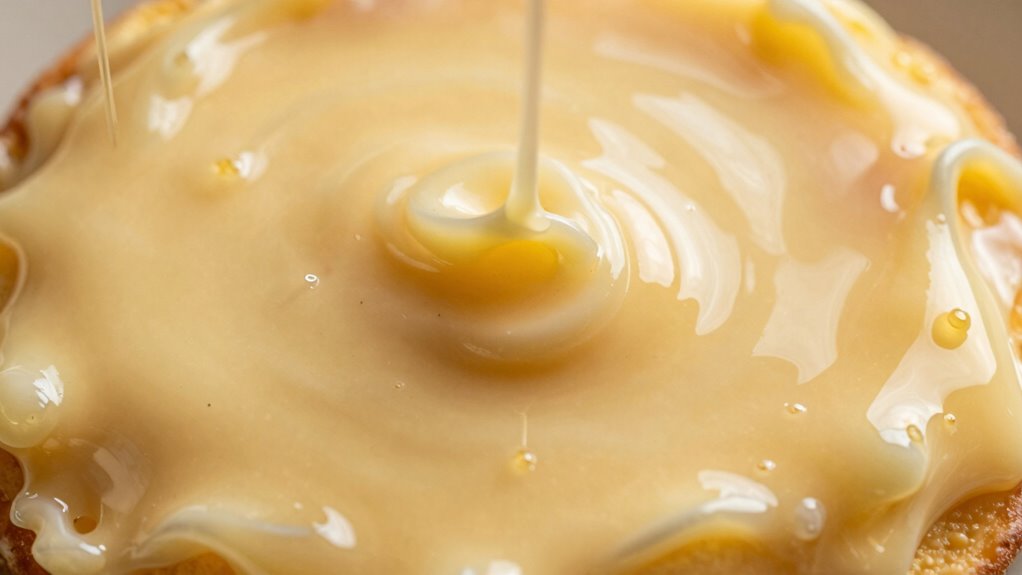
When butter gets too warm during frosting preparation, it melts and separates from the other ingredients, causing the frosting to turn greasy and lose its smooth texture. This can make the frosting appear slick, unappetizing, and difficult to spread evenly. Handling your butter at the right temperature is key to preventing this problem. If you’re curious about how to fix or avoid greasy frosting, keep exploring for helpful tips.

Get baking supplies delivered free — and shop member deals
- Fast, free delivery on millions of items
- Access to Prime Big Deal Days deals on October 6–7
- Prime Video, Amazon Music and more included
Key Takeaways
- Warm butter causes fats to separate, leading to greasy, slick frosting surfaces.
- Melting butter softens frosting, making it difficult to spread smoothly.
- Excess heat causes fats to leak out, creating a greasy layer and ruining texture.
- Overly warm butter increases the risk of frosting becoming overly rich and unappealing.
- Proper refrigeration of warm butter prevents melting and maintains frosting stability.
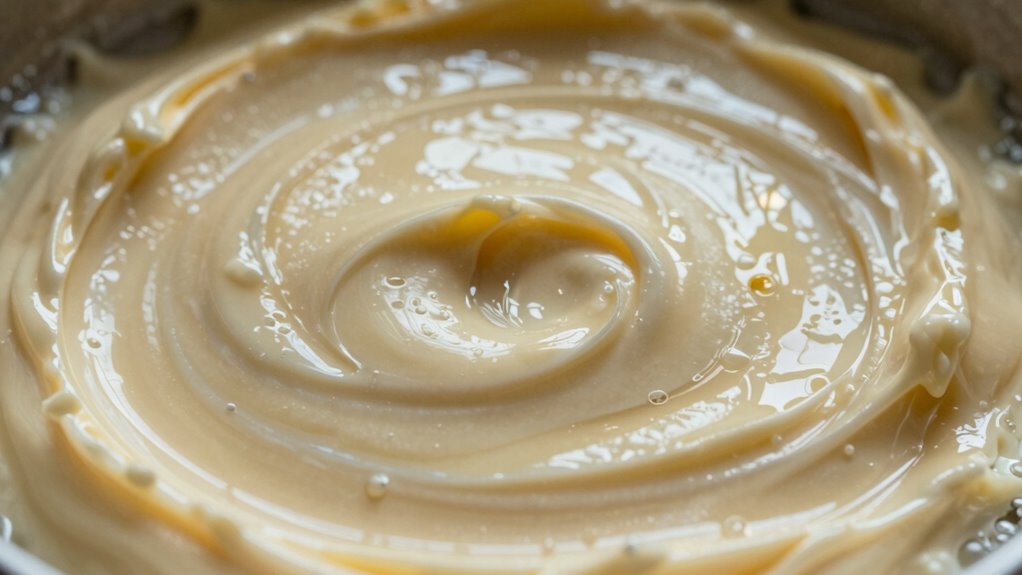
Have you ever bitten into a cupcake only to be greeted by a greasy, overly rich frosting? If so, you’re likely dealing with frosting that’s too warm or has been mishandled during storage. When butter-based frosting gets too warm, it melts slightly, causing the fats to separate from the other ingredients. This separation results in that greasy, slick layer that ruins the texture and flavor. To prevent this, it’s essential to understand how to properly store frosting. Keep your frosting refrigerated if you’re not using it immediately, and store it in an airtight container to avoid temperature fluctuations that can cause the butter to soften too much. When you’re ready to use it, let it sit at room temperature just long enough to become spreadable — but not so long that it turns greasy. If you find your frosting has become greasy despite your best efforts, don’t despair. You can try incorporating alternative ingredients to salvage it or prevent future issues.
One effective way to fix greasy frosting is to add a bit of powdered sugar. This helps thicken the mixture and absorb excess fat, restoring a stable consistency. Keep in mind, though, that adding too much sugar can make your frosting overly sweet or stiff, so add it gradually while mixing thoroughly. Alternatively, some bakers find that mixing in a small amount of cream cheese or mascarpone cheese can help stabilize the frosting, especially if it’s made with butter. These ingredients add structure and reduce the greasy appearance without compromising flavor. Additionally, understanding frosting stability can help prevent these issues from occurring in the first place.
When it comes to storing frosting, always aim for a cool, stable environment. If you anticipate not using the frosting for a while, storing it in the fridge is your best bet. Just remember to bring it back to room temperature before spreading, to ensure smooth application. For longer storage, consider freezing the frosting, but be sure to defrost it slowly in the fridge to prevent any separation or texture changes. Some bakers also opt for butter substitutes like shortening or margarine, which tend to withstand warmer temperatures better and resist melting as quickly as butter does. These alternatives can provide a more stable frosting that’s less prone to becoming greasy if stored or handled improperly.
As an affiliate, we earn on qualifying purchases.
Frequently Asked Questions
How Can I Fix Greasy Frosting After It’s Made?
If your frosting turns greasy, you can fix it by chilling it in the fridge for about 15-20 minutes. This helps to firm up the butter and improve the frosting consistency. Make sure the butter temperature was too warm initially, causing the greasiness. After chilling, re-whip the frosting to incorporate air and achieve a smoother texture. If it still feels greasy, adding a small amount of powdered sugar can help stabilize it.
Does Greasy Frosting Affect the Taste of My Cake?
Greasy frosting can slightly affect the taste of your cake by introducing a greasy or oily flavor, which might overshadow the intended sweetness. It also causes texture issues, making the frosting feel heavy or unspreadable. While it may not ruin the cake, the flavor impact isn’t ideal. To improve this, chill the frosting slightly before using, and consider re-whipping to restore better texture and flavor balance.
Can Refrigeration Help Restore Greasy Frosting?
Refrigeration can definitely help restore your greasy frosting, but don’t expect miracles. When your butter’s temperature is too high, the frosting turns into a greasy mess, with a strange texture. Chilling it in the fridge slows down the melting, firming up the butter and improving the frosting texture. Just be sure to take it out and whip it again once cooled, or it might still be too greasy to work with.
Is There a Way to Prevent Frosting From Becoming Greasy?
To prevent frosting from becoming greasy, you should pay attention to butter temperature during preparation. Keep your butter cool but soft enough to blend smoothly, ideally around 65-70°F. Proper butter temperature helps maintain frosting stability, preventing excess grease from separating. Use room temperature butter for a firm, stable consistency, and avoid over- beating, which can warm the butter and cause greasiness. This guarantees your frosting stays smooth and perfect.
What Types of Butter Are More Prone to Causing Greasiness?
Think of butter like a delicate dance—some partners sway more easily. Higher-fat butters, like European-style or cultured butter, are more prone to greasiness because their composition contains more butterfat, making them sensitive to temperature changes. Proper butter storage, in a cool, consistent environment, helps prevent excess melting. So, choose lower-fat or standard butter for frosting, and keep it chilled to maintain its structure and avoid greasy results.
As an affiliate, we earn on qualifying purchases.
Conclusion
So, next time your frosting turns greasy, don’t despair—it’s just a small bump in your baking journey. Remember, a little too warm butter can turn your masterpiece into a slippery disaster, but with patience and proper technique, you’ll conquer it. Keep calm, chill your ingredients, and trust your skills. Before you know it, you’ll create a frosting so perfect, it’ll make angels sing. Baking is an art, and even setbacks are just stepping stones to greatness.
As an affiliate, we earn on qualifying purchases.
As an affiliate, we earn on qualifying purchases.
Fall Picks
fall essentials
As an affiliate, we earn on qualifying purchases.