When you store desserts near strong-smelling foods or in porous containers, odors can transfer through tiny scent particles that cling to surfaces or migrate through the air. These particles can penetrate packaging or cling to surfaces, causing your desserts to absorb unwanted flavors and lose freshness. Temperature, humidity, and airflow also play roles in speeding up this process. Keep things sealed and organized to prevent odor transfer; learn more for effective strategies.
Key Takeaways
- Porous packaging materials like cardboard and sponge readily absorb airborne odor molecules from strong-smelling foods.
- Odor molecules can migrate through air contact or contact surfaces, causing flavor transfer to desserts.
- Temperature fluctuations increase molecular movement, accelerating scent diffusion and flavor absorption in the fridge.
- Uncovered or poorly sealed desserts are more susceptible to absorbing odors from other stored items.
- Proper packaging, sealing, and storage practices help minimize flavor transfer and preserve dessert freshness.

OFFKITSLY Food Storage Containers with Lids, Plastic Cookie Storage Containers Airtight, 4-Layer Stackable Food Containers Dumpling Storage Box, White
【Premium Quality】This food storage container is made of food-grade PP material, ensuring safety and durability. The transparent design…
As an affiliate, we earn on qualifying purchases.
As an affiliate, we earn on qualifying purchases.
How Does Odor Absorption Work in Your Fridge?

Odor absorption in your fridge occurs when airborne molecules from strong-smelling foods attach to porous surfaces or materials inside the appliance. This process is rooted in flavor science, which explains how molecules diffuse through the air and settle on surfaces. Odor diffusion allows these molecules to penetrate porous materials like cardboard, sponge, or certain plastics, trapping the scent particles. Over time, this buildup causes the odors to linger and transfer to other foods. The porous nature of these surfaces makes them effective at absorbing and holding onto the molecules, which then slowly release, intensifying the smell inside your fridge. Understanding this mechanism highlights the importance of proper storage and cleaning to minimize odor absorption and keep your refrigerator smelling fresh. porous surfaces are especially prone to holding onto scent molecules, making regular cleaning essential to prevent lingering odors. To further reduce odor transfer, using airtight containers can help contain the scents and prevent them from spreading throughout the fridge. Additionally, placing odor absorbers like baking soda can help neutralize lingering smells and maintain a fresher environment inside your appliance. Regularly inspecting and replacing these odor absorbers can further improve the air quality inside your refrigerator.

Arm & Hammer Baking Soda Fridge-n-Freezer Odor Absorber, Orange 14 oz, Pack of 12
12 pack, 14 oz. boxes of ARM & HAMMER Baking Soda Fridge-n-Freezer Odor Absorber
As an affiliate, we earn on qualifying purchases.
As an affiliate, we earn on qualifying purchases.
What Causes Flavor Transfer in Your Refrigerator?
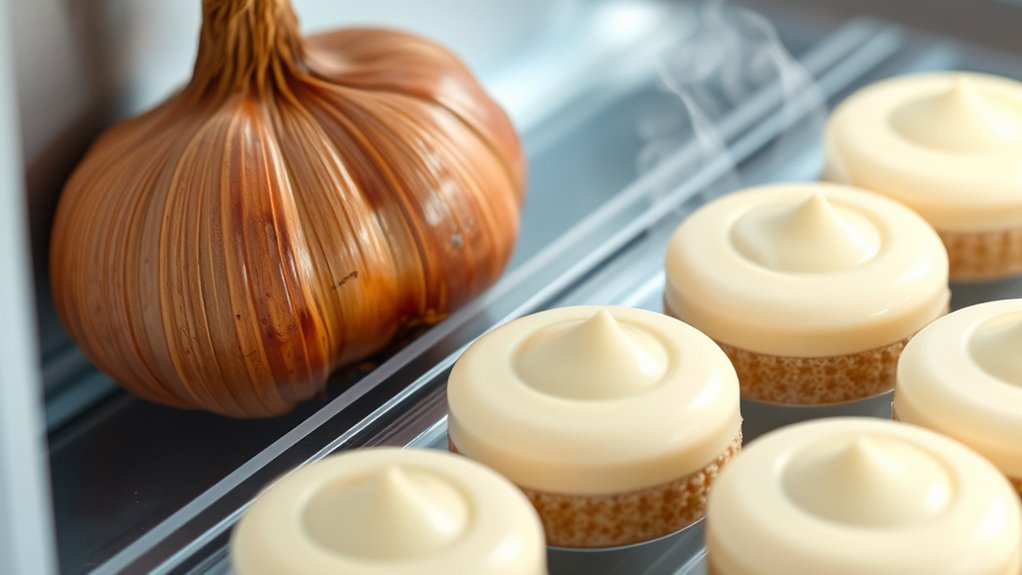
Flavor transfer in your refrigerator happens when volatile molecules from one food escape and settle onto other items, especially those with porous surfaces. This process, known as flavor diffusion, allows scents from strong foods to spread throughout your fridge. When these molecules migrate, they cause scent contamination, affecting the taste and aroma of nearby foods. Porous containers, open packages, and unwrapped items make it easier for flavors to transfer. Temperature fluctuations can also accelerate this process by increasing the movement of molecules. Additionally, improper storage practices can exacerbate scent contamination, making it more difficult to preserve food flavors. As a result, your desserts and fresh produce may absorb unwanted odors, compromising their flavors. Proper storage techniques, such as using airtight containers and keeping items properly covered, can help prevent this diffusion. Maintaining proper storage practices can also reduce cross-contamination, ensuring the freshness and flavor integrity of your foods. Understanding the properties of different materials used in containers can further aid in selecting the best options to minimize flavor transfer. Incorporating natural materials in storage containers can also enhance the preservation of food flavors by reducing scent absorption.

AOZITA 20 Sets 32 oz Plastic Deli Food Containers With Lids, Airtight Food Storage Containers, Freezer/Dishwasher/Microwave Safe, Soup Containers For Takeout Meal Prep Storage
Value Pack: Receive 20 premium-quality deli storage containers in one comprehensive set, designed to meet all your deli…
As an affiliate, we earn on qualifying purchases.
As an affiliate, we earn on qualifying purchases.
How Do Desserts Absorb Odors?
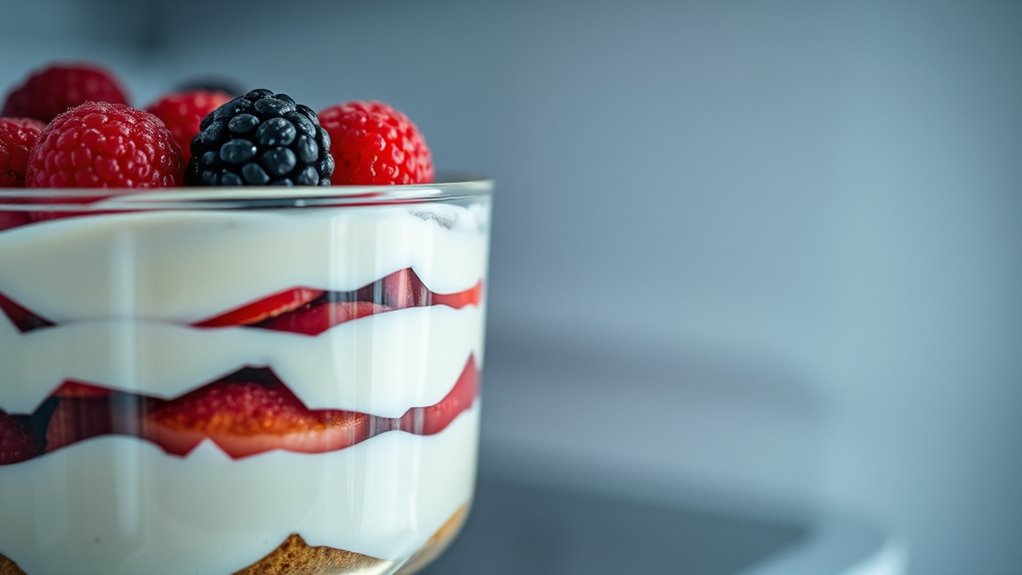
Your desserts can absorb odors because of their porous texture, which allows molecules to pass through easily. The refrigeration environment, with its fluctuating temperatures and moisture levels, also encourages scent transfer. Understanding these factors helps you prevent your desserts from picking up unwanted smells. Additionally, proper storage in airtight containers can significantly reduce airborne odor molecules, safeguarding your desserts’ fresh aroma and overall quality. Using airtight containers creates a barrier that limits exposure to scent molecules in the fridge, further protecting your treats from flavor transfer. Moreover, ensuring consistent refrigeration temperatures can minimize the odor exchange between stored foods.
Porous Nature of Desserts
Desserts often have a porous texture that makes them surprisingly receptive to absorbing surrounding odors. Their porous surface provides tiny cavities and channels that trap airborne molecules, facilitating odor transfer. Additionally, many desserts retain moisture, which helps dissolve and hold onto these odor molecules more effectively. Moisture retention increases the likelihood of odors penetrating deeper into the dessert, making it more susceptible to flavor transfer. This porous nature means that even brief exposure to strong smells can lead to noticeable changes in taste and aroma. Understanding this helps you realize why desserts are so sensitive to their environment and why proper storage is essential. Keeping desserts covered or airtight minimizes their contact with external odors, preserving their original flavor.
Refrigeration Environment Factors
Refrigeration environments can markedly influence how desserts absorb odors, especially when conditions promote the movement of airborne molecules. High humidity levels and fluctuating temperatures accelerate flavor diffusion, increasing the likelihood of scent contamination. When the air inside your fridge circulates freely, odors from other foods can easily reach desserts, leading to unwanted flavor transfer. Conversely, a well-sealed, controlled environment limits the transfer of airborne molecules, reducing scent contamination risks. The placement of desserts also matters; storing them near strong-smelling items heightens their chance of absorbing odors. Understanding how environmental factors like airflow, temperature, and humidity affect flavor diffusion helps you minimize odor transfer, keeping your desserts fresh and free from unwanted flavors during refrigeration. Additionally, using at‑home beauty tech devices to maintain optimal fridge conditions can help stabilize temperature and humidity levels, further reducing aroma transfer.

Purriko Refrigerator Deodorizer,Lasts up to 10 Years,Refrigerator Odor Eliminator,Fridge Deodorizer,More Effective Than Baking Soda Bamboo Air Purifying Bags
Advanced Catalytic Decomposition Technology: Decomposes harmful gases into water molecular, eliminates the odors at the source, maintains a…
As an affiliate, we earn on qualifying purchases.
As an affiliate, we earn on qualifying purchases.
How Does Packaging Protect Desserts From Odors?
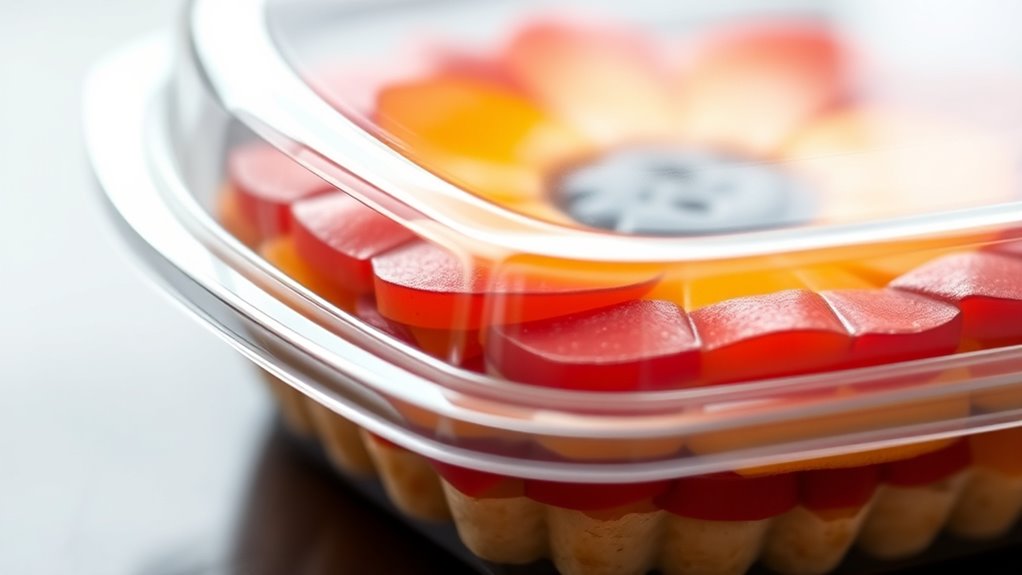
Packaging acts as a crucial barrier that shields desserts from absorbing unwanted odors in the refrigerator. The choice of packaging materials directly influences their barrier effectiveness. Airtight containers, such as plastic or glass with secure lids, prevent odors from seeping in and keep flavors intact. Vacuum-sealed packaging removes air, further enhancing protection by limiting odor transfer. Foil and specialized wraps create a strong barrier against strong-smelling foods, reducing the chance of flavor transfer. Proper packaging not only preserves the dessert’s original taste but also prevents it from influencing neighboring items in the fridge. Using proper storage techniques also extends the freshness and prevents flavor contamination, ensuring desserts remain delicious and true to their original taste. Additionally, selecting packaging with high barrier properties can provide an extra layer of protection against odor transfer and help maintain optimal freshness. Choosing packaging made from odor-resistant materials can further improve protection against unexpected scent absorption. Incorporating airtight sealing methods can enhance the effectiveness of even basic packaging options, offering better defense against odor infiltration.
How Can You Store Desserts to Keep Them Fresh?
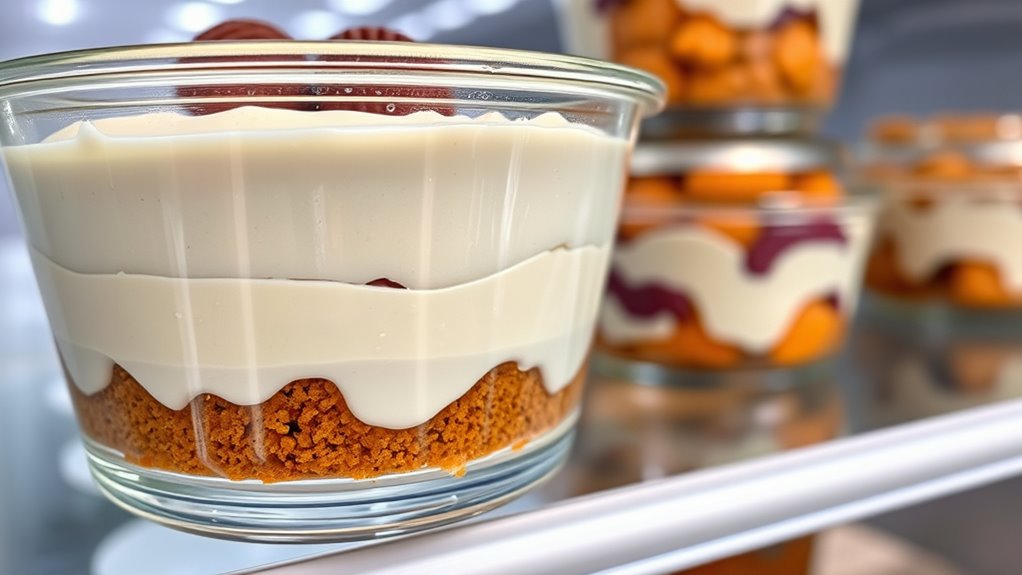
To keep desserts fresh, it’s essential to store them properly right from the start. Select airtight containers or wrap desserts tightly with plastic wrap to prevent exposure to other odors. This helps maintain their original dessert textures, whether they’re delicate mousses or dense cakes. Proper storage also plays a vital role in flavor preservation, stopping strong-smelling foods in the fridge from seeping into your desserts. Keep desserts on the middle or upper shelves, away from the fridge door, where temperature fluctuations are more common. Avoid leaving desserts uncovered for extended periods. By using the right containers and ensuring they’re well-sealed, you minimize flavor transfer and keep your desserts tasting their best longer. Additionally, considering eco-friendly storage solutions can contribute to more sustainable kitchen practices. Ensuring proper air circulation within the fridge can also help prevent moisture buildup that might affect dessert quality. Maintaining consistent temperature control is crucial for preventing spoilage and preserving freshness. Proper storage is key to enjoying fresh, flavorful treats every time.
How Can Organizing Your Fridge Prevent Odor Transfer?
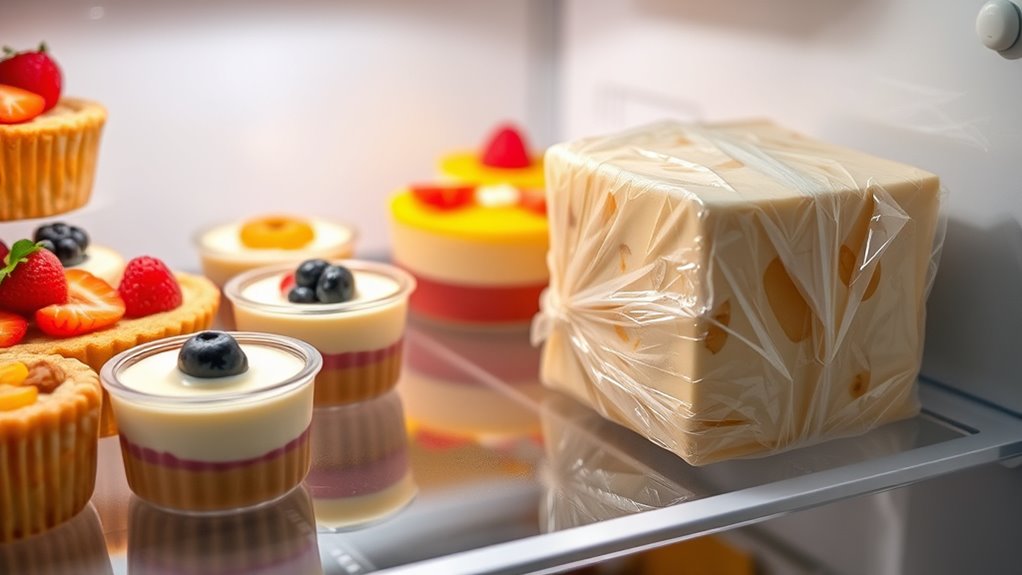
Organizing your fridge effectively is a key step in preventing odor transfer between foods. Proper fridge organization helps with odor containment by keeping strong-smelling items separate from delicate desserts and other foods. Use airtight containers for leftovers and perishables, preventing odors from escaping and seeping into nearby items. Place strong-smelling foods like onions or cheeses on the top shelf or in designated compartments away from desserts. Regularly clean shelves and drawers to eliminate any lingering odors that could transfer. Group similar items together, reducing cross-contact and making it easier to spot potential odor sources. Additionally, understanding the importance of airflow within the fridge can help maintain consistent temperatures and prevent odor buildup, which is essential for proper food preservation. By maintaining a well-organized fridge, you guarantee your desserts stay fresh and flavorful.
How Do Temperature and Humidity Affect Odor Transfer?

Temperature and humidity levels play a crucial role in how odors transfer between foods in your fridge. Temperature effects influence odor mobility; higher temperatures make odors more volatile, increasing the chance of transfer. Keeping your fridge too warm accelerates smell absorption, especially for delicate desserts. Humidity impacts odor absorption as well; higher humidity levels can cause moisture buildup, which facilitates the transfer of aromatic compounds between foods. When humidity is high, odors cling to surfaces and ingredients more easily, making it easier for flavors to mingle. Conversely, lower humidity helps contain odors, reducing transfer. By maintaining ideal temperature and humidity levels—around 37°F and moderate humidity—you minimize odor transfer risks. Proper regulation keeps your desserts fresh and prevents unwanted flavor absorption caused by temperature effects and humidity impacts.
What Are the Best Methods to Remove or Mask Odors?

When odors become noticeable in your fridge, quick and effective action can prevent them from lingering. To protect flavor preservation, start by removing the source of the smell, like spoiled food or strong ingredients. Using odor masking techniques, place activated charcoal, baking soda, or coffee grounds inside your fridge; these absorb or neutralize odors without affecting your stored items. Keep airtight containers sealed to contain any residual smell and prevent it from spreading. Regularly airing out your fridge helps maintain a fresh environment. Avoid using overpowering chemical air fresheners, as they can interfere with flavor preservation. Instead, focus on natural odor masking methods that effectively neutralize scents while keeping your desserts and other foods tasting their best.
How Can You Clean Your Fridge to Reduce Odors?
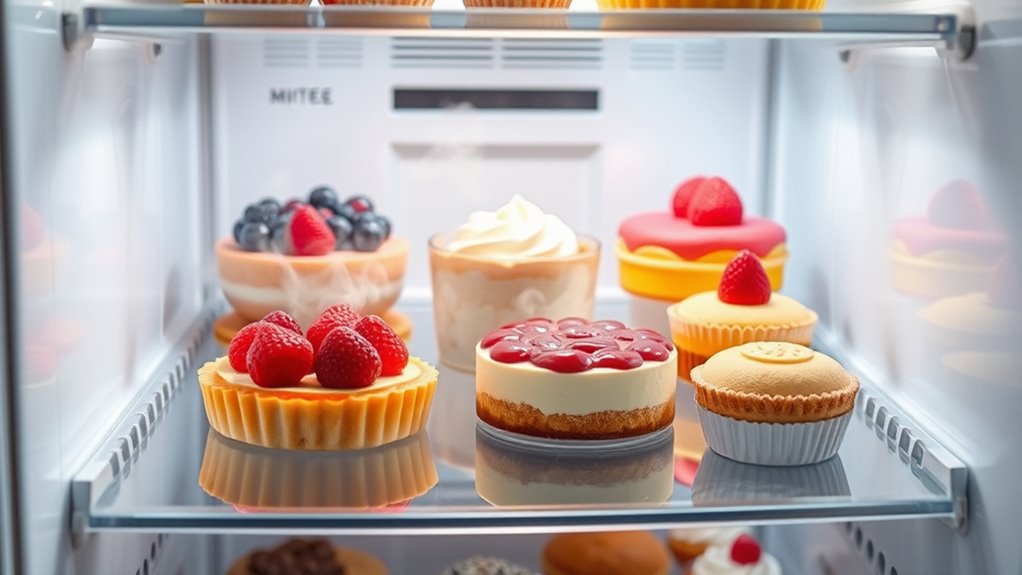
You can reduce fridge odors by using baking soda effectively—place an open box inside to absorb smells. Regularly cleaning shelves and compartments helps prevent buildup and keeps odors at bay. Additionally, storing odor absorbers like activated charcoal or commercial deodorants can help maintain a fresh environment.
Use Baking Soda Effectively
Baking soda is a simple yet effective tool for neutralizing odors in your refrigerator. To maximize its odor neutralization power, place an open box or a small bowl of baking soda on a shelf or in a corner. Replace it every three months to keep its odor-fighting properties strong. For added effectiveness, you can also sprinkle baking soda on shelves or drawers before wiping them down, helping absorb lingering smells. Make sure to keep the baking soda away from food directly touching it, as it’s mainly for air and surface odor absorption. Regularly updating the baking soda ensures your fridge stays fresh and free from unwanted odors, preventing flavor transfer to your food. This simple step is a cost-effective way to maintain a clean, odor-neutral environment.
Regularly Clean Shelves
Regularly cleaning your fridge shelves is key to maintaining a fresh environment and preventing odors from lingering. When shelves are dirty, bacteria and spills can cause unpleasant smells and compromise shelf cleanliness. To effectively clean your shelves and improve odor control:
- Remove all items and unplug the fridge for safety.
- Take out shelves and wash them with warm, soapy water.
- Wipe down interior walls with a mixture of vinegar and water.
- Dry all surfaces thoroughly before replacing shelves and food.
This routine helps eliminate spills and residue that trap odors. Consistent cleaning prevents odor buildup and ensures your fridge stays fresh. Remember, clean shelves mean better shelf cleanliness and more effective odor control, keeping your food fresh and flavorful.
Store Odor Absorbers
To effectively reduce odors in your fridge, storing odor absorbers like activated charcoal, baking soda, or commercial deodorizers can make a significant difference. These items help prevent flavor diffusion and scent contamination, keeping your food tasting fresh. Place them on shelves or in drawers to absorb stray odors. You can also replace or recharge them regularly for ongoing freshness. Here’s a quick comparison:
| Odor Absorber | Best Use | Duration |
|---|---|---|
| Activated Charcoal | Heavy odors, long-term use | Up to 3 months |
| Baking Soda | General deodorizing | 1-3 months |
| Commercial Deodorizer | Quick, targeted freshening | 1-2 months |
Using these tools consistently helps maintain a neutral environment, preventing unwanted scent transfer and preserving the original flavor of your stored foods.
What Are the Latest Innovations in Odor Prevention?
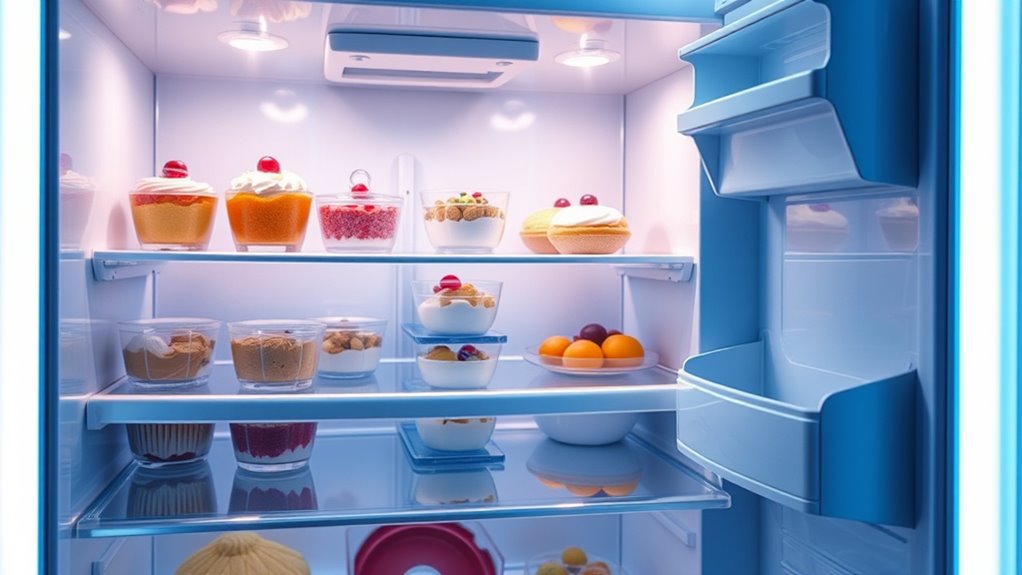
Advancements in odor prevention technologies are transforming how we keep refrigeration units smelling fresh. Cutting-edge solutions now include innovative odor barriers that block smells before they escape and advanced filtration systems that trap odor molecules more effectively. Here are some of the latest innovations:
- Nanotechnology-based odor barriers: These create a protective layer that prevents odors from mixing with stored foods.
- Activated carbon filters: Enhanced with new materials for increased absorption capacity.
- Ionization systems: Neutralize odors at a molecular level, reducing persistent smells.
- Biological odor control: Uses beneficial bacteria to naturally break down odor-causing compounds.
These innovations make it easier to maintain a clean, odor-free environment, ensuring your foods stay fresh and uncontaminated.
Frequently Asked Questions
Can Certain Desserts Naturally Resist Odor Absorption Better Than Others?
Some desserts naturally resist odor absorption better than others, thanks to their composition and flavor barrier properties. For instance, dense, high-fat desserts like cheesecakes and custards create a barrier that minimizes odor transfer. In contrast, lighter, porous desserts like sponge cakes or meringues are more prone to absorbing surrounding flavors. By understanding dessert composition, you can choose options that stay fresher and resist unwanted flavors during refrigeration.
Does the Type of Packaging Material Influence Odor Transfer in the Fridge?
Yes, the type of packaging material influences odor transfer in your fridge. Packaging materials with strong odor barriers, like airtight plastic or glass containers, prevent smells from seeping in or out, keeping your desserts fresh and flavor intact. On the other hand, porous or flimsy materials may allow odors to transfer easily. To preserve your desserts’ taste, always choose containers designed with effective odor barriers.
Are There Specific Storage Techniques to Prevent Flavor Transfer Between Desserts?
To prevent flavor transfer between desserts, always store them in airtight containers or use proper wrapping. Make certain each dessert is sealed tightly to block odors from escaping or entering. Keep strongly scented items away from lighter-flavored treats, and consider storing desserts on separate shelves if possible. These techniques help maintain each dessert’s original flavor and keep your fridge smelling fresh. Proper storage is key to enjoying desserts without unwanted odor absorption.
How Long Does It Typically Take for Desserts to Absorb Fridge Odors?
You’ll typically notice desserts absorb fridge odors within 24 to 48 hours, depending on the odor intensity and storage conditions. Stronger smells, like garlic or fish, can transfer more quickly, often within a day. To minimize this, keep desserts tightly sealed and away from strong-smelling foods. If you detect odor transfer, promptly rewrap or store desserts in airtight containers to reduce the duration timeline and prevent flavor absorption.
Can Using Activated Charcoal or Baking Soda Effectively Prevent Flavor Transfer?
Think of your fridge as a fortress, and activated charcoal and baking soda as loyal guards. Using activated charcoal effectively traps odors, preventing them from invading your desserts. Baking soda also absorbs smells, but it’s less potent. Place these inside your fridge to create a barrier, keeping flavors pure. For best results, replace them regularly, and you’ll preserve your desserts’ original taste, ensuring your refrigerator stays fresh and odor-free.
Conclusion
So, next time you savor a sweet treat, remember it’s secretly auditioning for the role of odor sponge in your fridge. While you try to keep flavors separate, your desserts might be quietly soaking up unwanted smells, turning your carefully stored goodies into flavorless imposters. Ironically, the more you protect them, the more they might end up tasting like yesterday’s leftovers. Keep your fridge clean and your desserts happily oblivious, or else they might just become the aroma’s unwitting accomplices.