To effectively label desserts for shelf life and allergen control, guarantee your labels clearly display the product name, ingredients, and allergens, highlighting warnings with bold or symbols for quick recognition. Include an accurate expiration or best-before date with storage instructions to maintain freshness. Use legible fonts, contrasting colors, and durable materials to withstand handling. Following regulatory guidelines and best practices helps you ensure safety, compliance, and customer trust—continue to explore for detailed strategies and tips.
Key Takeaways
- Clearly display allergen information near ingredients using bold, colored text, and standardized terminology for quick recognition.
- Include precise shelf life or expiration dates with consistent formatting and storage instructions to maintain product safety and quality.
- Use durable, legible labels with contrasting colors and simple fonts to ensure readability and resistance to handling.
- Train staff on allergen control measures and regularly review label content to reflect recipe or ingredient changes.
- Comply with current food labeling regulations and standards, updating labels as needed to ensure legal compliance and consumer safety.

Mobiusea Creation Allergen Warning Stickers | 300 Round Food Allergy Stickers | 2" Waterproof & Writable Ingredient Label Adhesives with Selectable Allergen List for Bakery, Restaurant, Catering Use
Beautiful and Functional – Add a touch of luxury to your packaging with our beautifully designed food allergy…
As an affiliate, we earn on qualifying purchases.
As an affiliate, we earn on qualifying purchases.
Why Shelf Life Matters in Dessert Labeling

Understanding the shelf life of desserts is essential because it directly impacts safety, quality, and consumer satisfaction. Proper storage temperature is vital to slow bacterial growth and prevent spoilage, ensuring your desserts remain safe to eat. Moisture control is equally important; excess humidity can lead to mold and texture changes, reducing freshness. Maintaining optimal conditions by monitoring storage conditions can extend shelf life and maintain flavor, appearance, and texture. Proper storage techniques can further preserve dessert quality over time. Clear labeling about shelf life helps customers consume desserts at their peak quality and reduces waste. It also guarantees compliance with food safety standards. When you prioritize accurate shelf life information and proper storage practices, you build trust with consumers and protect your brand’s reputation. Proper management of storage temperature and moisture is fundamental to effective dessert labeling. Temperature control is crucial in maintaining the integrity of your desserts over time. Regularly reviewing and updating your labels based on shelf life testing can help ensure accuracy and safety for consumers. Additionally, understanding product stability can guide you in setting realistic expiration dates.

300 Pcs Restaurant Quality Shelf Life Food Rotation Labels Vinyl, 2” x 3” Self-Adhesive Removable Freezer Food Labels, Perfect for Reusable Containers, Easy to Remove, Food Safety Date Sticker
1 roll of 300 restaurant quality food labels Vinyl, 2 x 3 inches Self-Adhesive Removable Freezer Food Labels…
As an affiliate, we earn on qualifying purchases.
As an affiliate, we earn on qualifying purchases.
What Key Elements Should Your Dessert Labels Include

Effective dessert labels must include several key elements to inform consumers and guarantee safety. Your dessert packaging should feature clear, legible label design that highlights essential information. Start with the product name and net weight to identify the item quickly. Include the ingredients list, emphasizing allergens, and the date of production or expiration to communicate shelf life. Nutritional information can also be helpful for health-conscious customers. Properly formatted, your labels ensure compliance with regulations and boost consumer confidence. Use contrasting colors and simple fonts for easy readability. Remember, well-designed labels not only convey necessary details but also enhance your product’s appeal. Incorporating modern kitchen technology into your labeling process can improve accuracy and efficiency. Utilizing labeling standards ensures your labels meet industry requirements and help prevent mislabeling errors. Staying informed about regulatory compliance is essential to avoid legal issues and maintain trust with your customers. Additionally, understanding Free Floating concepts can streamline your labeling workflows and reduce errors. Implementing automated labeling systems can further increase consistency and speed. By focusing on these key elements, you create effective dessert packaging that balances safety, transparency, and attractive presentation.

Removable Freezer Labels, Date Label 1×3 Inch Food Storage Stickers, Waterproof Oil Resistant Easy Clean Leaves no Residue 250 Total Per Roll
Each label sticker is about 1×3 inch,totally have 250pcs
As an affiliate, we earn on qualifying purchases.
As an affiliate, we earn on qualifying purchases.
How to Clearly Communicate Allergen Information

Clear allergen information on your dessert labels helps consumers make safe choices quickly. Effective allergen communication relies on a clear label design that highlights allergen details prominently. Use bold or colored text to distinguish allergens from other ingredients, ensuring they catch the eye. List all potential allergens clearly and avoid vague terms like “may contain” unless necessary, and even then, specify the risk. Place allergen information close to the ingredients list to improve readability. Keep language simple and direct, so consumers don’t have to search for details. Regularly review and update labels to reflect any recipe changes. Implementing study techniques like using iconography or symbols can further enhance clarity and immediate recognition. Incorporating attention to detail in label design ensures all allergen information is accurate and comprehensive. Additionally, understanding label regulations related to allergen disclosures can help ensure compliance and prevent potential legal issues. Staying informed about allergenic cross-contact risks can help you better communicate potential contamination issues, safeguarding consumer health. By prioritizing clear label design and allergen communication, you help protect your customers and demonstrate your commitment to transparency and safety.
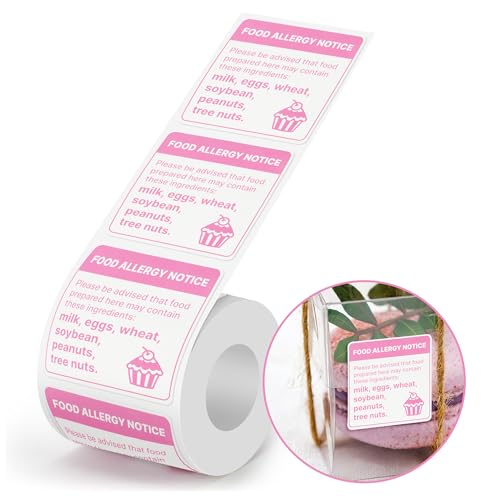
2"x2" 300pcs Square Food Allergy Stickers Waterproof for Party, Restaurants, Allergen Warning Stickers for Food, Kitchen
Size: 2×2 inch, 300 Pcs stickers.
As an affiliate, we earn on qualifying purchases.
As an affiliate, we earn on qualifying purchases.
Navigating Food Labeling Regulations and Best Practices

Navigating food labeling regulations can seem complex, but staying compliant is essential for your business’s success and consumer trust. To do this effectively, focus on these key areas:
- Ensure accurate ingredient sourcing to prevent mislabeling and allergen risks. Incorporating auditory processing assessment can help identify potential sensory sensitivities that might influence ingredient selection or packaging design.
- Design packaging that clearly displays allergen info and shelf life details, which is crucial for consumer safety.
- Keep labels consistent with current regulations to avoid penalties, maintaining your brand’s credibility.
- Regularly review updates in labeling laws to stay ahead and protect your brand. Understanding regulatory compliance requirements is vital for long-term success.
- Consider adopting European cloud standards to streamline compliance and data security across your labeling processes. Implementing these standards can also enhance data management efficiency and reduce errors. Additionally, integrating smart home automation concepts can improve inventory tracking and product freshness monitoring.
Tips for Labeling Desserts in Retail, Home, and Food Service Settings

Properly labeling desserts across different settings requires understanding the specific requirements of retail stores, home kitchens, and food service operations. To guarantee clarity and appeal, focus on clear allergen and shelf life info, and consider packaging aesthetics. For example, including entertainment ideas related to food presentation can enhance visual appeal. At home, labels can be simple but informative. Use consistent font sizes and colors for professionalism. Incorporate essential details like ingredients and storage instructions. Additionally, understanding labeling standards can help ensure compliance and safety. Being aware of regulatory guidelines is also crucial for proper food labeling practices. Incorporating proper labeling practices can further minimize errors and improve consumer trust. For instance, using water safety knowledge can help prevent cross-contamination and spoilage. To help visualize, see the table below:
| Setting | Key Tips |
|---|---|
| Retail | Focus on attractive packaging aesthetics and clear labels |
| Home | Keep labels simple, informative, and easy to read |
| Food Service | Prioritize practicality, durability, and allergen info |
These tips help ensure your desserts are appealing, safe, and compliant.
Frequently Asked Questions
How Often Should Dessert Labels Be Updated for Accuracy?
You should update your dessert labels based on your label refresh frequency, which ideally is at least every three to six months. Regular label accuracy checks are essential to make certain all information, like shelf life and allergen details, remains correct. Whenever ingredients change, or there’s a product update, refresh your labels promptly. Consistent checks help prevent errors, comply with regulations, and maintain customer trust.
What Are Common Labeling Mistakes to Avoid?
Avoid common mislabeling mistakes by double-checking your labels for ingredient omissions and incorrect allergen info. Forgetting to list all ingredients can cause serious health risks and legal issues. Don’t rely solely on memory or templates—accuracy is key. Use clear, legible fonts and verify allergen warnings. Mislabeling may seem small but can lead to customer complaints, recalls, or even lawsuits. Pay close attention to detail, and keep labels updated regularly.
How Can Labels Ensure Compliance Across Different Regions?
To guarantee compliance across different regions, you should tailor your labels to meet regional labeling requirements and international compliance standards. Use local language, include metric units where needed, and follow specific regulations for allergen declarations and shelf life information. Regularly update your labels to reflect changing laws, and consult regional authorities to stay current. This proactive approach helps you avoid legal issues and ensures your desserts meet diverse market standards.
Are There Eco-Friendly Labeling Options Available?
Yes, eco-friendly labeling options are available for your desserts. You can choose biodegradable labels that break down naturally, reducing environmental impact. Additionally, using plant-based inks for printing makes your labels more sustainable and eco-conscious. These options help you meet eco-friendly standards while maintaining clear, compliant labeling for shelf life and allergen control. Incorporating biodegradable labels and plant-based inks demonstrates your commitment to sustainability and appeals to eco-minded consumers.
How Do I Handle Labeling for Homemade or Small-Batch Desserts?
Your homemade desserts deserve labels as eye-catching as a billboard! For small batches, create a simple custom label design that highlights ingredient transparency and shelf life. Use clear, legible fonts and include allergen info to protect your customers and build trust. You can print these labels yourself or order eco-friendly stickers online. This personal touch shows you care and keeps your treats safe, fresh, and compliant.
Conclusion
By mastering the art of dessert labeling, you’re the conductor guiding a symphony of safety and clarity. Clear shelf life dates and allergen info are your notes, ensuring customers savor your creations with confidence. When you navigate regulations like a skilled sailor charting a steady course, your desserts become more than just treats—they become trusted experiences. Ultimately, meticulous labels transform your desserts into beacons of transparency, shining brightly on the shelf and in your customers’ hearts.