
As you ferment foods for a long time, you need to watch for signs of spoilage and dangerous pathogen growth, like foul odors, mold, or slimy textures. Over-fermentation can lead to excessive acids or alcohol, increasing risks. Regularly inspect your ferments, control temperature, and keep everything sanitized. Knowing when to stop or discard unsafe batches helps prevent health hazards. Keep exploring to learn how to keep your long ferments safe and delicious.
Key Takeaways
- Monitor fermentation stages regularly for signs of spoilage, such as foul odors, mold, or slimy textures.
- Control environmental factors like temperature, humidity, and pH to prevent pathogen growth during long fermentations.
- Use proper hygiene and sterilized equipment to minimize microbial contamination risks.
- Cease fermentation at the appropriate time once desired flavor and safety indicators are achieved.
- Store finished ferments in cool, airtight conditions to inhibit spoilage and ensure microbial safety.
Understand the Timeline of Fermentation and Its Impact
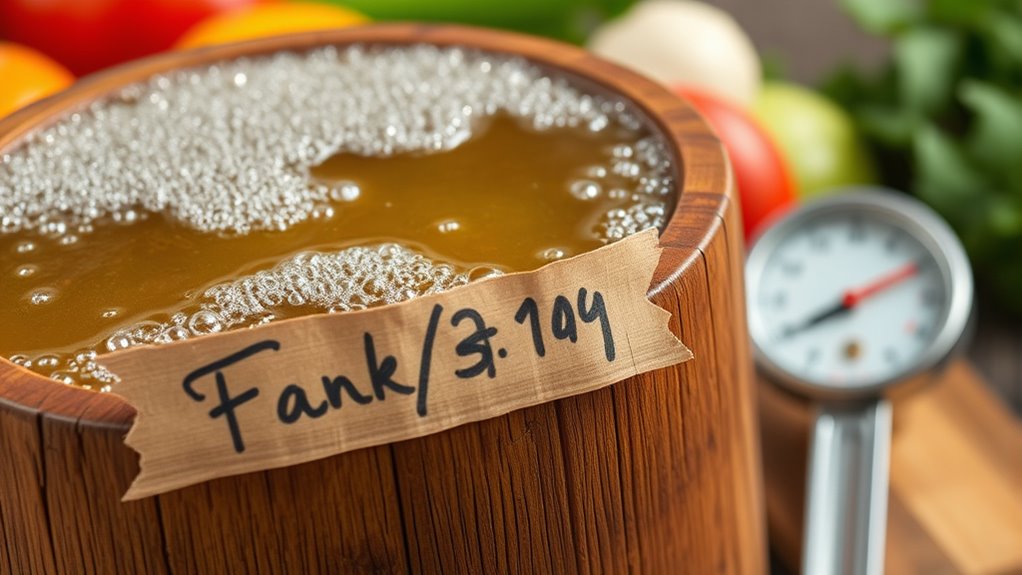
Understanding the timeline of fermentation is essential because it directly affects the safety and quality of your long-fermented foods. Knowing the fermentation timeline helps you track progress and recognize when the process is ideal or if something’s off. As fermentation progresses, microbial activity increases, which can influence flavor, texture, and safety. Being aware of typical stages allows you to identify signs of proper fermentation and avoid potential risks. Monitoring fermentation stages is crucial for timely adjustments and maintaining optimal conditions. Risk awareness during this timeline helps you prevent over-fermentation or spoilage. For example, fermentation can last anywhere from days to months, depending on the food and conditions. Understanding these stages enables you to better interpret fermentation signals and respond appropriately. Recognizing the microbial activity within each stage allows you to make informed decisions about when to proceed or halt the process. Additionally, understanding the pH changes during fermentation helps you assess acidity levels and safety thresholds. Being familiar with environmental factors such as temperature and humidity enhances your ability to control the process effectively. By understanding these stages, you gain control over the process and ensure your long ferments develop safely and taste great. Staying attentive to the timeline is a key part of responsible fermentation.
Recognize the Risks of Over-Fermentation and When to Stop
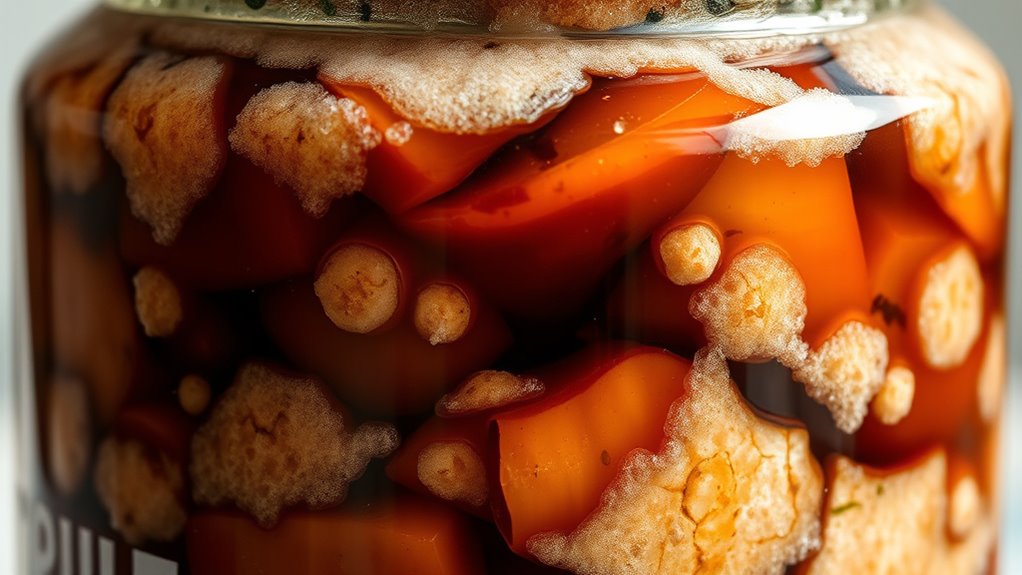
While fermentation is a natural process that enhances flavor and preservation, over-fermentation can lead to spoilage and undesirable qualities. To prevent this, you need to recognize the signs of spoilage and avoid over fermentation risks. Key indicators include a strong, off-putting odor, mold growth, slimy texture, or excessive bubbling. If your ferment develops a foul smell or strange appearance, it’s time to stop and assess. Over fermentation can produce unwanted acids or alcohol, compromising safety and taste. Use this quick guide to stay alert:
| Signs of Spoilage | When to Stop |
|---|---|
| Unpleasant, rotten smell | Once target flavor is achieved |
| Mold growth | When fermentation reaches ideal stage |
| Slimy or discolored surface | Before over-fermentation occurs |
| Excessive bubbling or foaming | After desired fermentation time |
Additionally, understanding the fermentation process can help you better control the timing and avoid unnecessary risks.
Spot Signs That Fermentation Has Gone Unsafe
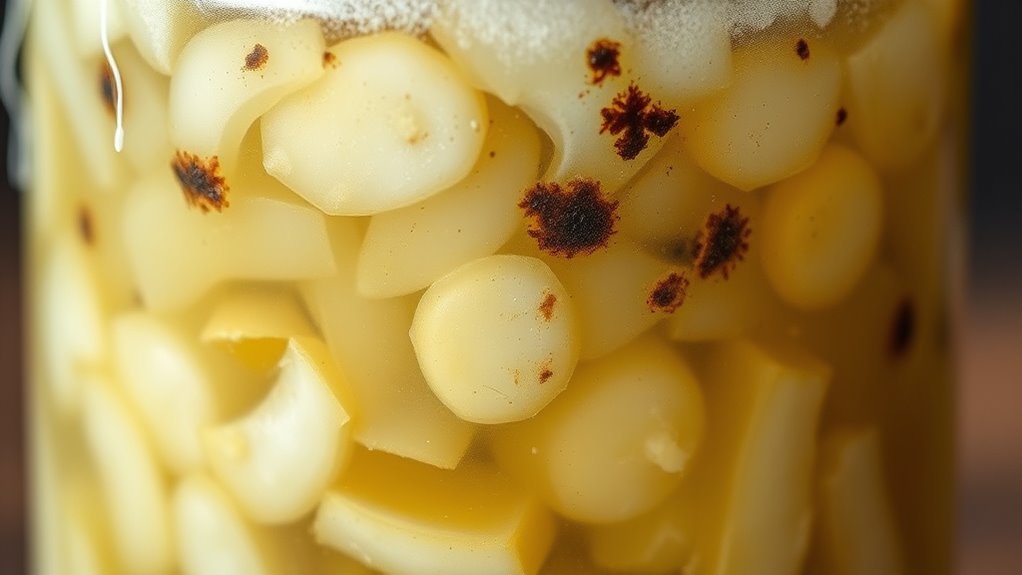
Fermentation can sometimes turn unsafe despite your best efforts, so it’s crucial to recognize early warning signs. One key indicator is visual cues—look for mold, fuzzy patches, or an unusual cloudiness that wasn’t present before. These signs suggest contamination or spoilage. Additionally, odor changes are critical; a strong, foul, or off-putting smell indicates that harmful bacteria or molds may have taken hold. Trust your senses—if the aroma shifts from the normal tang to something unpleasant, stop fermentation immediately. Keep in mind that some visible signs might be subtle, so regularly inspecting your ferments is indispensable. Recognizing these warning signs early helps prevent consuming unsafe food and ensures your ferments remain safe and healthy.
Know Which Pathogens Can Grow During Long Ferments
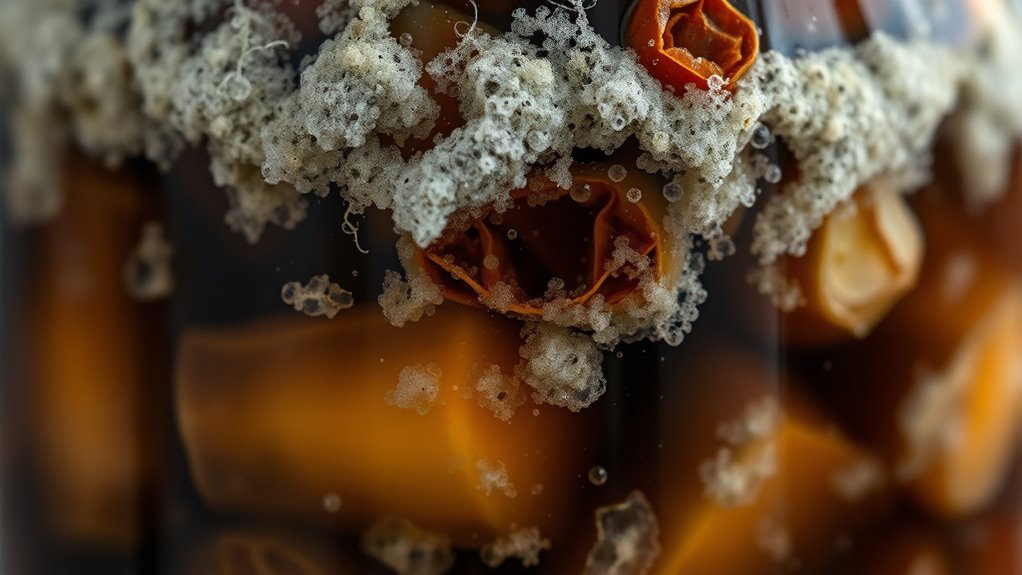
During long fermentation processes, certain pathogens can develop if conditions favor their growth, posing health risks. Understanding which microbial hazards can emerge is vital for safety. Clostridium botulinum is a major concern; it thrives in low-acid, anaerobic environments, producing dangerous toxins. Listeria monocytogenes can also grow in some ferments, especially if refrigeration is inadequate or pH isn’t low enough. Salmonella may survive in poorly fermented products, risking foodborne illness. While beneficial microbes often outcompete harmful ones, prolonged fermentation without proper control can allow these pathogens to establish and multiply. Recognizing these risks helps you prevent pathogen growth by monitoring acidity, salt levels, and temperature, ensuring your long ferments stay safe and free from microbial hazards.
Maintain Hygiene and Sanitation to Keep Ferments Safe

Maintaining proper hygiene and sanitation is key to preventing the growth of harmful microbes in your ferments. Cleanliness directly impacts the safety and quality of long-term ferments. You should follow consistent hygiene practices, such as washing your hands thoroughly before handling ferments and using sanitized tools. Establish sanitation routines, including sterilizing jars and utensils regularly, to minimize contamination risks. Keep your workspace clean and free of debris that could harbor bacteria or mold. Regularly inspect your ferments for signs of spoilage or unwanted growth. Remember, small lapses in hygiene practices can lead to dangerous microbial growth, compromising your ferments’ safety. Prioritizing cleanliness ensures your ferments stay safe, healthy, and delicious throughout the fermentation process. Incorporating safe installation practices and proper equipment handling is also important for maintaining an optimal fermentation environment.
Control Temperature, Humidity, and Airflow for Safe Fermentation
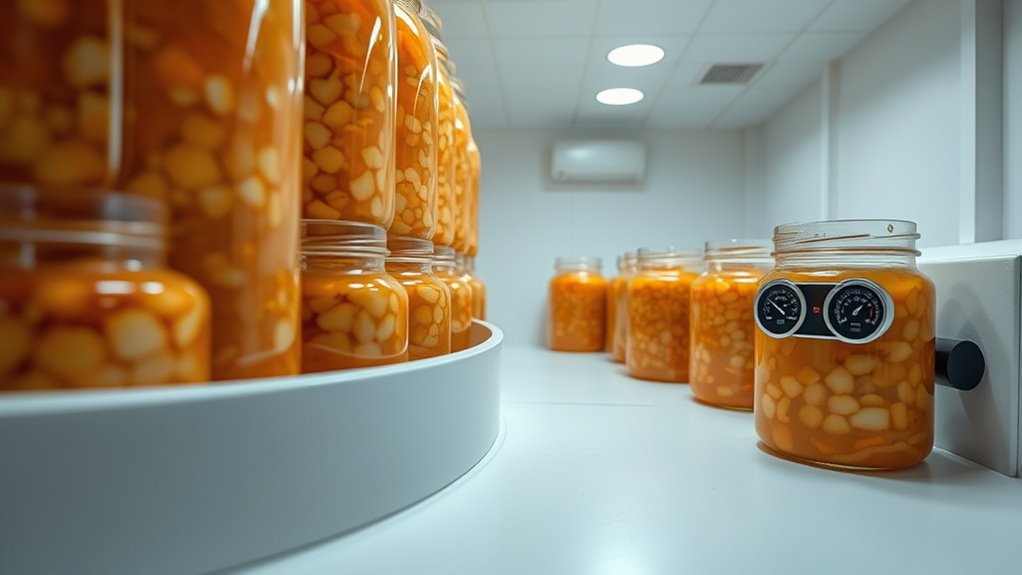
Controlling temperature, humidity, and airflow is essential to ensuring your ferments develop safely and consistently. Proper temperature regulation prevents harmful bacteria from thriving and ensures desired fermentation. Keep the environment between specific ranges depending on the ferment—usually around 65-75°F for many long ferments. Humidity regulation helps prevent drying out or excess moisture, which can lead to mold or spoilage. Use a thermometer and hygrometer to monitor conditions regularly. Airflow is also critical; gentle ventilation prevents buildup of undesirable gases and mold spores. Avoid sudden fluctuations in temperature or humidity, as they can disrupt fermentation and increase risks. By maintaining stable conditions through precise temperature regulation and humidity regulation, you create a safe environment that promotes healthy, predictable fermentation. Recognizing the importance of well-sourced ingredients can also help ensure accurate identification of specific fermentation practices and conditions. Additionally, consistent airflow can help prevent the growth of unwanted molds and bacteria, contributing to overall safety. Regularly inspecting your environment and making adjustments as needed supports ongoing fermentation safety, while understanding how temperature fluctuations impact microbial activity can further safeguard your ferments. Incorporating proper cleaning and sanitation practices reduces the risk of contamination and spoilage during long fermentations.
Store and Handle Long Ferments Properly to Prevent Hazards

Properly storing and handling your long ferments is essential to guarantee health hazards and assure their safety. Incorrect storage can lead to unwanted microbial growth, affecting fermentation flavors and risking spoilage. To protect your ferments, keep them in consistent, cool temperatures and avoid direct sunlight. Use clean, airtight containers to prevent contamination and preserve cultural traditions. Proper handling includes gentle stirring if needed and avoiding unnecessary exposure. Maintaining proper storage conditions can significantly reduce the risk of spoilage and ensure your ferments remain safe to enjoy. Additionally, understanding microbial activity during fermentation can help you better monitor and maintain optimal safety levels. Awareness of nanotechnology applications in food safety can also provide innovative ways to detect contamination early and improve preservation methods.
Use Natural Signs to Check If Your Ferment Is Safe

Since visual and sensory cues are reliable indicators of fermentation safety, you should learn to recognize natural signs that your long ferment is healthy. Look for consistent visual cues like bubbles, active fermentation layers, and no mold or unusual coloration. Smell indicators are equally important; a fresh, tangy aroma suggests proper fermentation, while foul or rotten odors signal trouble. Use this table to guide your assessment:
| Visual Cues | Smell Indicators |
|---|---|
| Bubbles or fizz | Pleasant, sour aroma |
| No mold or discoloration | No foul or rotten smell |
| Active fermentation layer | Slightly acidic scent |
| Stable appearance | No off-putting odors |
Trust these signs to determine if your ferment remains safe, ensuring a healthy, successful process. Recognizing fermentation stability through these indicators can help prevent spoilage and ensure your long ferment stays safe. Additionally, understanding home fermentation techniques can enhance your ability to monitor and maintain safe conditions throughout the process. Being familiar with natural signs of fermentation health is essential for safe and effective preservation, especially when dealing with long fermentation durations. Developing an awareness of fermentation health can further improve your confidence in assessing the safety of your ferments over extended periods.
Know When to Discard or Restart a Fermentation

Knowing when to discard or restart your fermentation is essential to guarantee safety and quality. If the flavor development deviates unexpectedly or develops off-notes, it’s a clear sign to reconsider. Additionally, mold, foul odors, or slimy textures indicate spoilage, risking health. Sometimes, a fermented item might lose its cultural significance if it no longer reflects traditional taste or methods, signaling it’s time to restart.
- Unusual or persistent bad smells
- Visible mold or slime on the surface
- Significant flavor changes that don’t align with expected profiles
Follow Best Practices to Keep Long Ferments Food Safe

To keep your long ferments safe, you need to maintain a clean environment and prevent contamination. Regularly monitor your fermentation process to catch any issues early. Staying vigilant guarantees your ferments stay healthy and safe to enjoy. Paying attention to water chemistry and maintaining proper sanitation practices are essential for preventing spoilage. Incorporating project management support can help streamline your fermentation setup and ensure all safety protocols are followed consistently. Proper electrical safety measures in your fermentation workspace can further reduce risks and promote a secure environment. Developing a methodical approach to your fermentation routine ensures consistency and safety over time. Utilizing visual and auditory cues can assist in identifying early signs of fermentation issues and maintaining optimal conditions.
Maintain Clean Environment
Maintaining a clean environment is essential for ensuring the safety of your long ferments. Proper cleaning routines prevent harmful bacteria and mold from contaminating your fermentation process. Regularly sterilize all equipment, including jars, utensils, and surfaces, to eliminate potential risks. Consistent cleaning reduces the chance of unwanted microorganisms thriving, which could compromise your ferments.
- Use hot, soapy water followed by sterilization to keep equipment safe
- Wipe down work surfaces daily to prevent cross-contamination
- Store tools and ingredients in hygienic, airtight containers
Monitor Fermentation Progress
How can you guarantee your long ferments develop safely and correctly? Monitoring fermentation progress is key. Regularly check for signs like bubbling, aroma, and surface changes. Keep track of fermentation timing to avoid over or under-fermentation, which can compromise safety. Proper monitoring ensures flavor development occurs naturally without harmful bacteria taking hold. Use the table below to help identify stages and indicators:
| Stage | Duration | Key Signs |
|---|---|---|
| Early Fermentation | Days 1–7 | Bubbles, slight sour aroma |
| Active Fermentation | Weeks 2–4 | Increased bubbling, tangy smell |
| Maturation | Weeks 4–12 | Stabilized flavor, no off-odors |
| Overfermentation | Beyond 12 weeks | Excess sourness, mold growth |
| Safe Storage | After fermentation | Properly sealed, refrigerated |
Monitoring ensures safe, flavorful long ferments with heightened fermentation timing.
Frequently Asked Questions
How Can I Tell if My Long Ferment Has Developed Harmful Toxins?
You can tell if your long ferment has harmful toxins by checking microbial indicators and performing pH testing. If you notice unusual odors, mold, or sliminess, these are signs of potential danger. Use a pH meter or test strips; a pH above 4.6 may suggest unsafe conditions. Regularly monitoring these factors helps make certain your ferment remains safe, and discard it if indicators suggest spoilage or toxin development.
Are There Specific Storage Containers That Prevent Fermentation Hazards?
You should use airtight containers made of non-reactive materials like glass or food-grade plastic to prevent fermentation hazards. These containers help maintain a stable environment, reducing contamination risk and controlling oxygen exposure. Avoid metal or porous materials that can react with the ferment. Make certain your containers are clean and properly sealed, so the fermentation stays safe and your long-term ferments develop the desired flavors without harmful bacteria or molds.
Can Certain Ingredients Increase the Risk of Unsafe Long Ferments?
Ever wondered if certain ingredients boost fermentation risks? Yes, some ingredients like unwashed vegetables or unpasteurized dairy can trigger unwanted bacteria due to ingredient interactions. These can accelerate spoilage or create unsafe conditions, especially if the fermentation timeline extends. To stay safe, carefully select ingredients, maintain proper hygiene, and monitor your ferments regularly. This way, you prevent dangerous microbial growth and make certain your fermented foods remain delicious and safe.
How Does Altitude Affect the Safety of Long Fermentation Processes?
Altitude effects can influence your long fermentation process by altering temperature and pressure, which can slow down or speed up fermentation. You might need to adapt your fermentation times or adjust salt levels to guarantee safety. Higher altitudes often demand fermentation adaptation, like longer fermentation periods or monitoring pH levels more closely, to prevent unsafe growth of harmful bacteria and ensure your ferments remain safe and delicious over time.
What Are the Best Practices for Safely Disposing of Spoiled Ferments?
Imagine discovering your ferment has spoiled—what’s next? You should perform proper disposal by sealing the spoiled ferment in a plastic bag and tossing it in your trash to prevent contamination. Always wash your hands thoroughly afterward. To prevent contamination, avoid composting or pouring it down drains. Safely disposing of spoiled ferments keeps your kitchen clean and protected, ensuring no harmful bacteria spread, and preserves the safety of your future ferments.
Conclusion
As you tend your ferments, remember that time is both a guardian and a thief. Stay vigilant, trust your senses, and don’t let complacency steal the safety from your kitchen. By understanding the signs and risks, you become the steward of your own delicious creation, ensuring it’s a treasure, not a trap. Keep watch, nurture with care, and your long ferments will reward you with safe, flavorful results that stand the test of time.