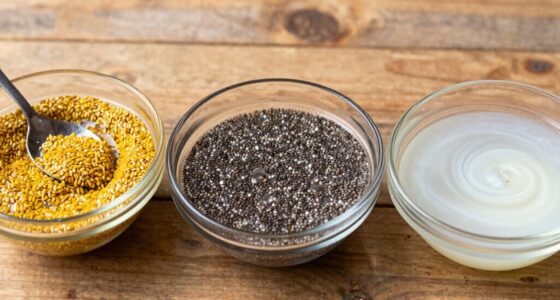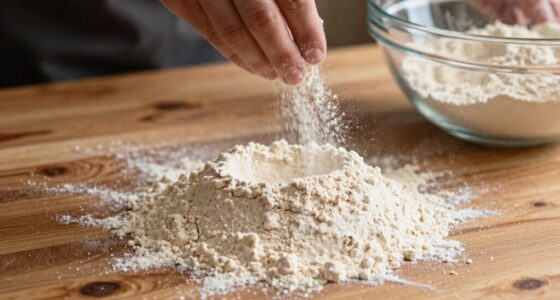
To fix rice flour grittiness in gluten-free baking, choose a finer, high-quality flour or process it through sifting to break down larger grains. soaking the flour for 15-30 minutes helps hydrate starches and smooth the texture. blending rice flour with other flours like tapioca or potato starch can improve cohesiveness. Proper mixing, storing well, and experimenting with techniques will give you softer, grit-free baked goods—discover more tips to perfect your recipes.

Get baking supplies delivered free with Prime
- Fast, free delivery on millions of items
- Prime Video, Amazon Music and more included
- Member-only deals all year
Key Takeaways
- Sift rice flour through a fine mesh to break down larger grains and create a smoother, more uniform texture.
- Soak rice flour in cold water for 15-30 minutes to hydrate starch granules and reduce grit.
- Rinse rice flour before use to remove impurities and fine particles that contribute to grittiness.
- Blend rice flour with finer flours like tapioca or potato starch to improve dough elasticity and reduce coarseness.
- Store rice flour properly in an airtight container in a cool, dry place to maintain freshness and prevent grain clumping.
finely milled rice flour for baking
As an affiliate, we earn on qualifying purchases.
As an affiliate, we earn on qualifying purchases.
Why Does Rice Flour Feel Gritty?
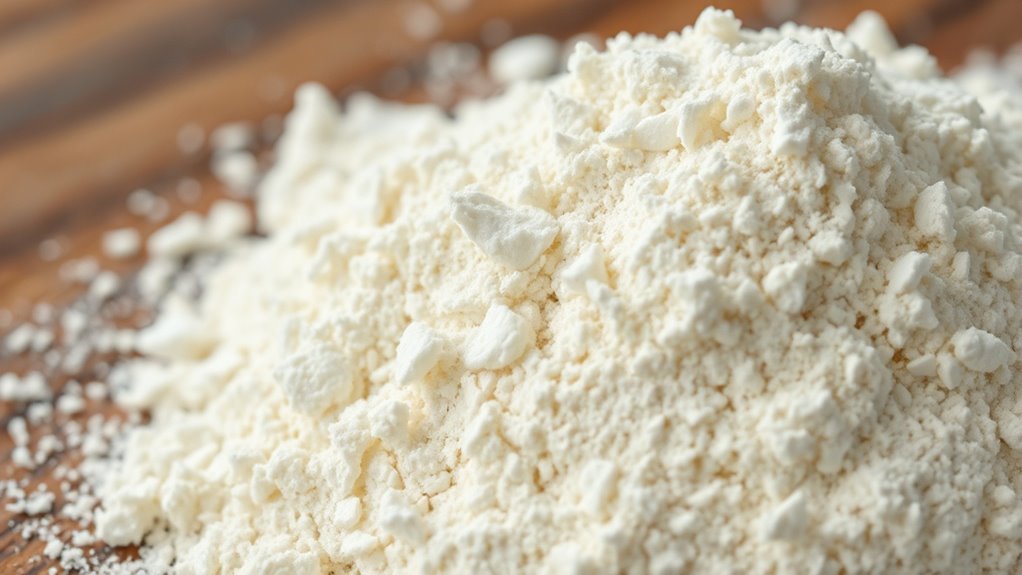
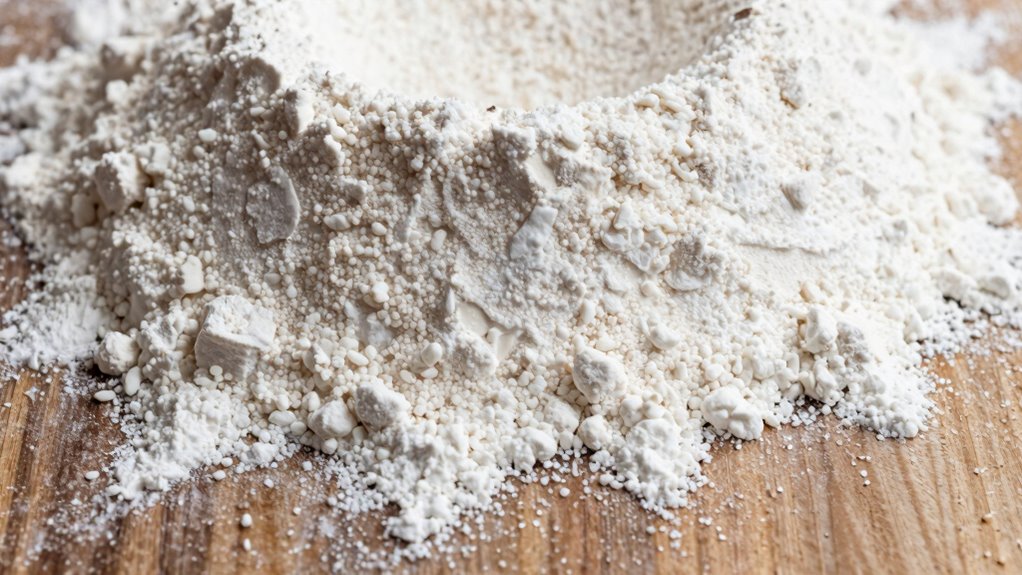
Have you ever noticed that rice flour sometimes feels gritty instead of smooth? This gritty texture usually comes down to the grain size. When rice grains aren’t finely milled, larger particles remain, giving the flour a coarse, sandy feel. This uneven grain size affects not only the texture but also the flavor impact. Coarser rice flour can introduce a nutty or earthy taste that might overpower delicate baked goods. Additionally, larger particles don’t dissolve as well during mixing, leading to a gritty mouthfeel. The milling process, storage conditions, and rice variety all influence grain size. To avoid grittiness, opt for finely milled rice flour, which creates a smoother batter and enhances the overall flavor profile of your baked treats. Proper milling techniques are essential to achieving a fine, uniform rice flour that results in a better baking experience. Using high-quality, finely ground rice flour can make a significant difference in achieving a smooth texture in your baked goods. Incorporating grain size control during processing can help ensure consistent quality and texture in the flour. Furthermore, selecting rice that has undergone appliance maintenance plans can help ensure optimal milling conditions, leading to finer flour quality. Additionally, understanding the 16PF traits can help in selecting the best milling processes to meet specific quality standards.
As an affiliate, we earn on qualifying purchases.
How Do I Choose the Best Rice Flour for Baking?
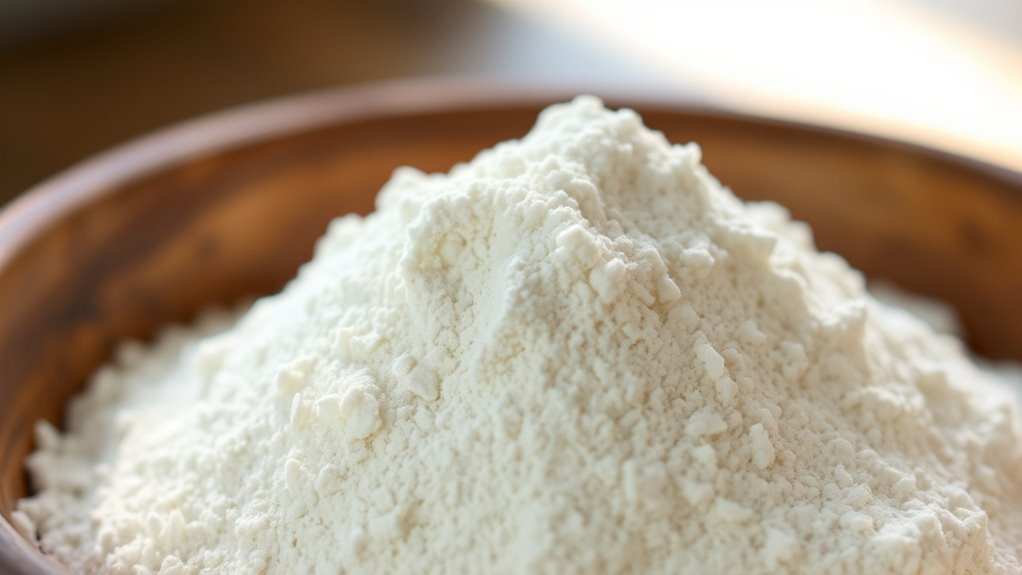
Choosing the best rice flour for baking starts with understanding your specific needs and the type of baked goods you’re making. Grain size plays a vital role; finer rice flours create a smoother texture, ideal for cakes and delicate pastries, while coarser flours work better for bread or hearty muffins. Pay attention to the milling process, as it influences the flour’s texture and grittiness. Stone-ground rice flour retains more of the bran and germ, resulting in a slightly coarser feel, whereas highly processed, commercially milled rice flour offers a finer consistency. Select a rice flour that matches your desired outcome and suits your baking style. Reading labels and experimenting with different brands can help you find the perfect match for your recipes. Additionally, understanding the Grain size can help you make more informed choices tailored to your baking needs. It’s also helpful to consider the milling method, as it can significantly impact the flour’s texture and performance in recipes. Being aware of the processing techniques can further refine your selection and improve your baking results. Incorporating texture considerations into your choice can enhance the overall quality of your baked goods. Recognizing the impact of processing on flour quality can guide you toward more consistent and satisfying baking outcomes.
rice flour soaking and blending kit
As an affiliate, we earn on qualifying purchases.
As an affiliate, we earn on qualifying purchases.
How Can Sifting and Mixing Improve Rice Flour Texture?

Sifting and mixing are effective techniques for refining rice flour’s texture and reducing grittiness. Sifting breaks down larger grain sizes, creating a finer, more uniform flour that improves the overall mouthfeel. Use a fine sieve to sift the rice flour thoroughly, removing any coarse particles. Proper mixing techniques also play an essential role; by evenly distributing the flour and breaking up clumps, you promote a consistent grain size throughout. When mixing, use a gentle folding motion or whisk to prevent the formation of lumps. This process ensures a smoother, more cohesive batter or dough, resulting in baked goods with a finer, less gritty texture. Combining these methods enhances rice flour’s performance and helps you achieve a better gluten-free bake.
high-quality rice flour for gluten-free baking
As an affiliate, we earn on qualifying purchases.
As an affiliate, we earn on qualifying purchases.
Should I Use Finely Ground or Blanched Rice Flour?
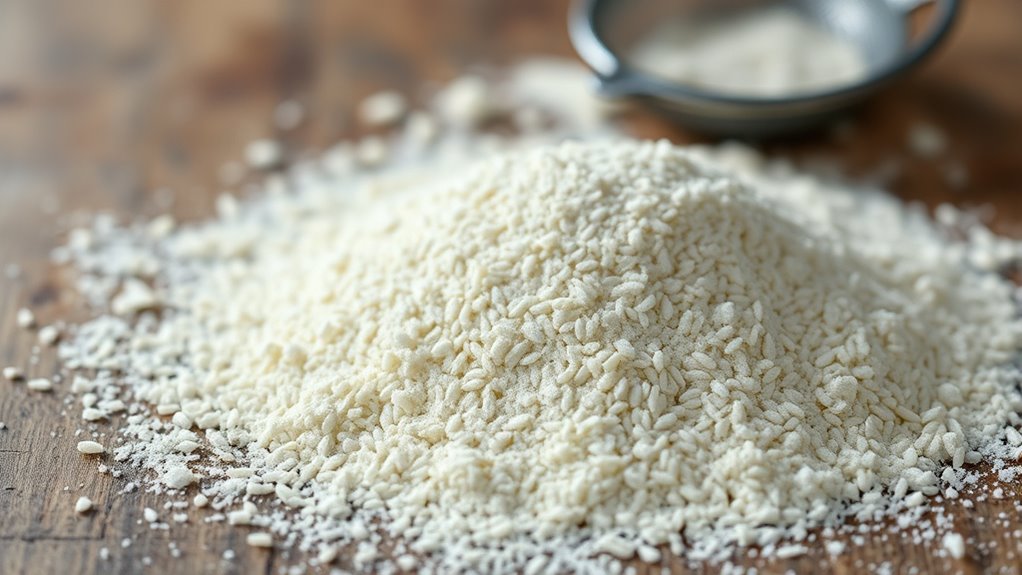
Deciding between finely ground rice flour and blanched rice flour depends on your baking needs and desired texture. Finely ground rice flour has a smaller grain size, resulting in a smoother, more cohesive batter or dough. It’s often produced through a milling process that grinds rice into a very fine powder, ideal for delicate baked goods. Blanched rice flour, on the other hand, typically has a slightly coarser grain size, as it may not be ground as finely during processing. This type of flour tends to produce a slightly different texture, often with less grittiness. Your choice hinges on whether you want a smoother, more refined crumb or a slightly more rustic feel. Consider your recipe’s requirements and the milling process can significantly influence the flour’s texture and performance in recipes. Additionally, understanding the grain size can help you select the best rice flour for achieving the desired baking outcome. For example, particle size can impact how well the flour binds and interacts with other ingredients in gluten-free baking, and choosing the appropriate type can help reduce undesirable grittiness in your baked goods. Being aware of ingredient quality can also make a noticeable difference in your final product’s texture and consistency.
Can Soaking Rice Flour Reduce Grittiness?

Soaking rice flour can help reduce its grittiness by softening the particles. To get the best results, you should soak it in cold water for about 15 to 30 minutes, stirring occasionally. Proper soaking techniques guarantee the flour becomes smoother and less gritty when cooked. Additionally, selecting appropriate storage methods can prevent moisture absorption that might worsen texture.
Soaking Effectiveness on Grittiness
When you soak rice flour before cooking, it can substantially reduce its grittiness. Soaking allows water to hydrate the starch granules fully, promoting better gluten development when combined with other ingredients. This improved gluten network helps create a smoother, more cohesive batter or dough, minimizing the coarse texture that causes grittiness. Additionally, soaking can enhance flavor by allowing the rice flour to absorb moisture gradually, leading to a richer, more developed taste. The process also helps break down surface particles, making the flour less coarse and easier to incorporate into baked goods. Proper soaking can also improve hydration, leading to better overall texture and consistency in gluten-free baking. This method can also influence the texture of your baked items, making them more tender and less gritty. Overall, soaking is an effective step to improve the texture and flavor of gluten-free recipes, making your baked goods less gritty and more enjoyable.
Proper Soaking Techniques
To effectively reduce grittiness in rice flour, it’s vital to follow proper soaking techniques. Soaking benefits include breaking down surface starches and softening the particles, leading to noticeable texture improvement. To maximize these benefits, consider these steps:
- Use cold or room temperature water to prevent gelatinization.
- Soak the rice flour for at least 30 minutes, or up to several hours for better results.
- Stir occasionally to ensure even hydration.
- Drain thoroughly before using, avoiding excess moisture that can affect batter consistency.
- Incorporate proper storage methods to maintain freshness and prevent clumping. Additionally, understanding flour processing can help you select the best rice flour for soaking and baking outcomes. Recognizing grain texture can also guide you in choosing the ideal flour type for your recipes.
Following these techniques helps loosen the gritty particles, resulting in a smoother, more refined texture in your baked goods. Proper soaking is a simple yet effective way to enhance rice flour’s quality and improve your gluten-free baking results.
How Does Blending Rice Flour With Other Flours Help?
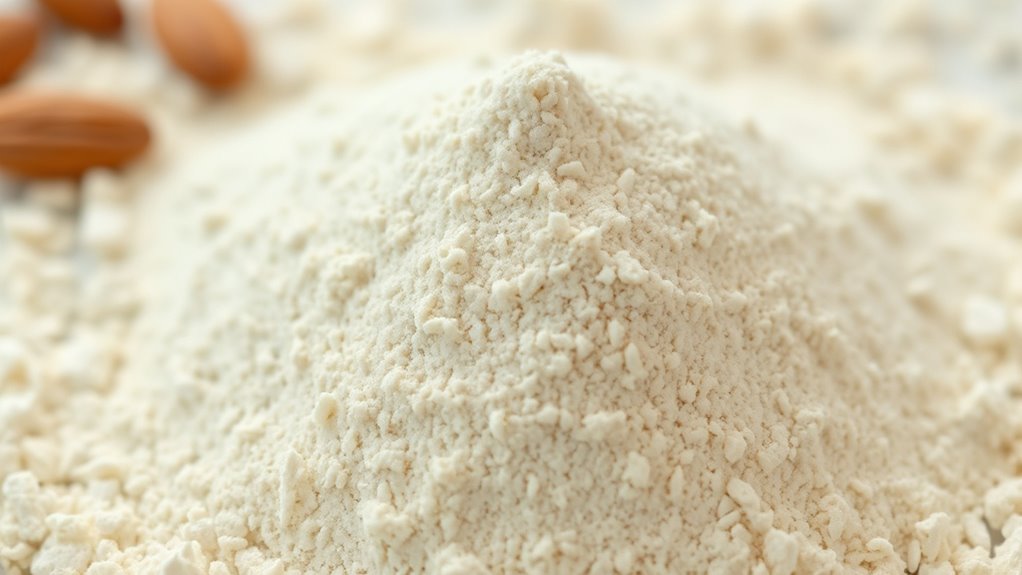
Blending rice flour with other flours can make your dough more elastic, making it easier to handle. It also helps create a better balance in texture, preventing it from becoming too gritty or crumbly. With the right mix, your baked goods come out smoother and more satisfying. Incorporating different flour types can enhance the overall structure and mouthfeel of your gluten-free baked treats. Using a variety of flours can also improve texture and cohesiveness, resulting in baked goods that are more similar to traditional wheat-based products. Additionally, experimenting with different flour blends can help you customize recipes to achieve your desired results. Incorporating techniques like proper mixing methods can further optimize the texture and overall quality of your baked items.
Improves Dough Elasticity
Mixing rice flour with other flours enhances dough elasticity by balancing textures and gluten development. When you combine rice flour with ingredients like tapioca or potato starch, it helps create a more flexible dough that can stretch without tearing. This improves dough elasticity, making it easier to shape and handle. Here are four ways blending flours boosts elasticity:
- Adds natural stretchiness, reducing breakage during kneading.
- Encourages better gluten development with complementary flours.
- Creates a more cohesive dough, less crumbly and more pliable.
- Improves overall elasticity, resulting in softer, more elastic baked goods.
Enhances Texture Balance
When you combine rice flour with other flours, it helps create a more balanced texture in your baked goods. This blending improves grain texture, preventing the dryness or overly gritty feel often associated with pure rice flour. By mixing in ingredients like almond or tapioca flour, you enhance mouthfeel, making your baked items feel softer and more satisfying. The table below illustrates how different flour combinations evoke emotion and improve texture:
| Flour Blend | Grain Texture | Mouthfeel Enhancement |
|---|---|---|
| Rice + Almond | Slightly nutty, smooth | Creamy, comforting |
| Rice + Tapioca | Chewy, elastic | Silky, tender |
| Rice + Coconut | Slight crunch, moist | Rich, indulgent |
| Rice + Buckwheat | Earthy, hearty | Substantial, warm |
| Rice + Cornmeal | Grainy, rustic | Crunchy, hearty |
This harmony creates a better eating experience and more appealing baked goods.
What Are Some Extra Tips for Soft, Grit-Free Gluten-Free Bakes?
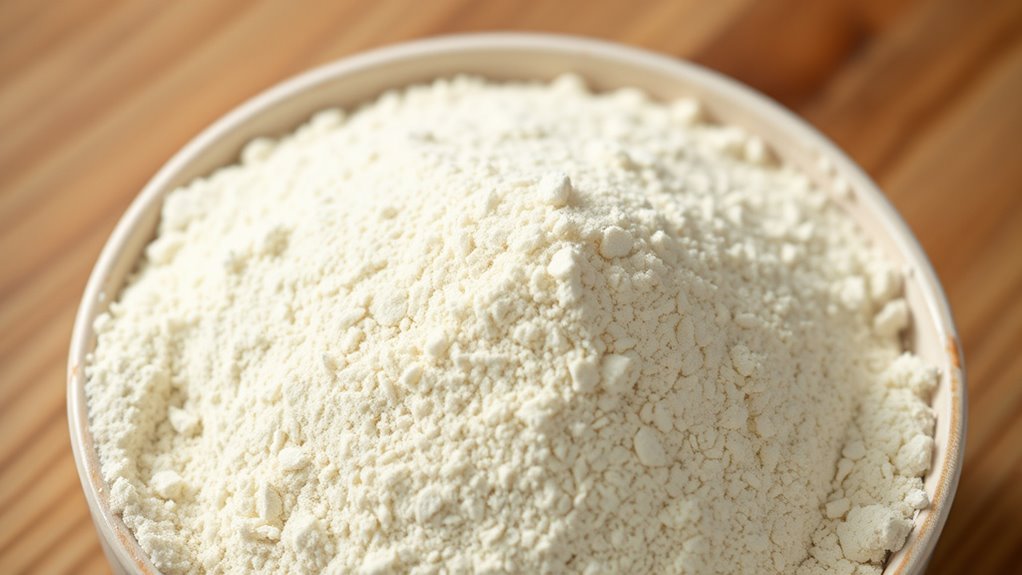
To achieve soft, grit-free gluten-free baked goods, paying attention to ingredient quality and preparation techniques is key. Proper gluten development ensures a cohesive texture, while flavor enhancement makes your baked goods tastier. Here are some extra tips:
- Use a combination of gluten-free flours, like rice and tapioca, to improve texture and reduce grit.
- Incorporate binders such as xanthan gum or psyllium husk to develop gluten-like elasticity.
- Soak or toast rice flour beforehand to enhance flavor and improve gluten development.
- Don’t overmix; gentle mixing helps prevent toughness and keeps your baked goods soft.
Implementing these tips guarantees your gluten-free treats stay tender, flavorful, and free of unwanted grit.
Frequently Asked Questions
Can Adding Eggs Affect Rice Flour’s Gritty Texture?
Adding eggs can indeed affect rice flour’s gritty texture by binding the ingredients better and improving overall texture. Eggs help create a smoother batter, reducing the graininess often felt in gluten-free baked goods. Their proteins provide structure and cohesiveness, making the final product softer and more uniform. So, incorporating eggs is a useful trick to fix rice flour’s gritty texture and achieve a more pleasant mouthfeel in your baking.
Are There Specific Brands Known for Smoother Rice Flour?
Think of rice flour brands like trusted artisans shaping perfect textures. Some brands have a reputation for smoother, finer rice flour due to advanced processing methods, such as ultra-fine milling. Brands like Bob’s Red Mill and King Arthur are known for quality, offering less gritty, more consistent results. Choosing reputable brands guarantees you get a finer, more workable flour, making your gluten-free baking experience much easier and more enjoyable.
How Does Humidity Influence Rice Flour Grittiness?
Humidity impact profoundly influences rice flour grittiness because higher moisture absorption makes the flour clump and become more powdery, reducing grit. When humidity is low, rice flour tends to stay dry and gritty, affecting texture. To counter this, store your rice flour in an airtight container and keep it in a cool, dry place. Controlling moisture levels helps maintain a smoother, more consistent texture in your baked goods.
Is Homemade Rice Flour Less Gritty Than Store-Bought?
Homemade rice flour is generally less gritty than store-bought because you control the grain size and milling methods. When you grind rice at home, you can achieve a finer texture, avoiding the coarse particles often found in commercial versions. Store-bought rice flour might contain larger, uneven grains due to commercial milling processes, making it grittier. So, if you prefer a smoother baking texture, making your own rice flour can be a better choice.
Can Using Hot Water Improve Rice Flour’s Texture?
Using hot water can improve rice flour’s texture by promoting rice gelatinization, which softens the grains and reduces grittiness. When you add hot water, it helps break down the starches more effectively, creating a smoother batter or dough. Just be careful not to use boiling water, as it may cook the flour prematurely. Experiment with hot, but not boiling, water to achieve a finer, less gritty texture in your baked goods.
Conclusion
By experimenting with different rice flours and techniques like sifting, blending, or soaking, you can banish that pesky grittiness and achieve soft, delightful gluten-free baked goods. Don’t be afraid to play around—think of it as your culinary quest, like a modern-day knight seeking the perfect recipe. With patience and a bit of wizardry, you’ll craft baked treats that are as smooth and satisfying as a silk tapestry, even in today’s fast-paced world.
Fall Picks
fall essentials
As an affiliate, we earn on qualifying purchases.