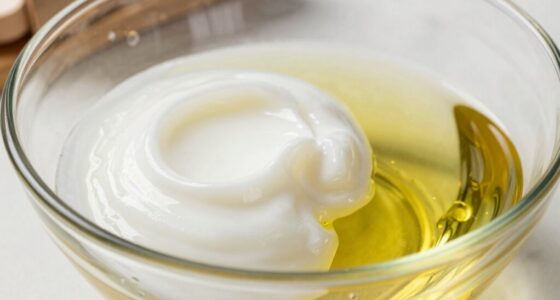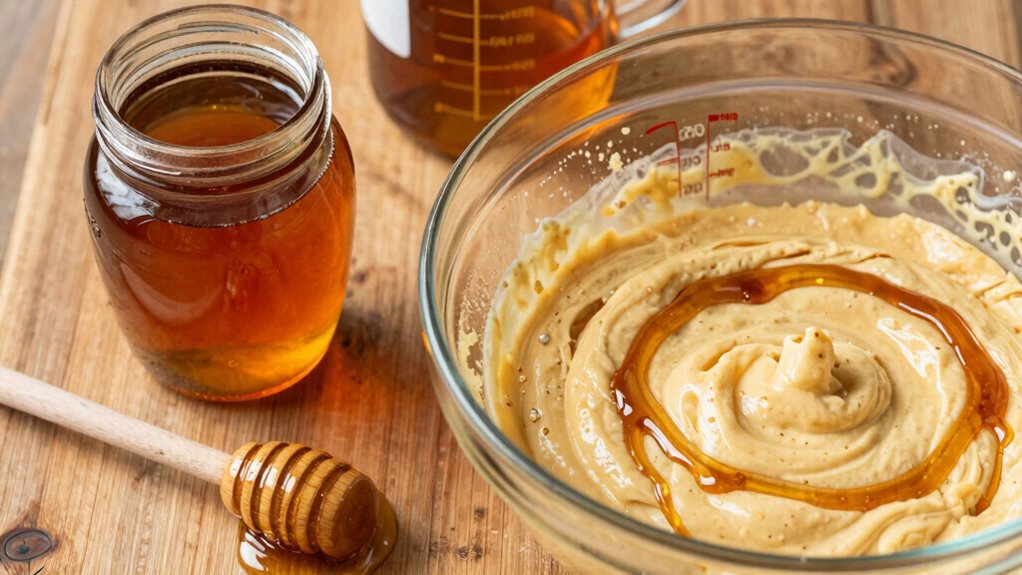
When baking with maple syrup or honey, you need to reduce other liquids in your recipe—about 3 to 4 tablespoons per cup of sweetener—to stay balanced. This prevents your baked goods from becoming too moist or dense. Adjust oven temperature slightly lower to avoid over-browning. Pay close attention to texture and flavor as you make these changes, and you’ll find that mastering liquid adjustments can elevate your baking skills. Keep going, and you’ll learn how to perfect your recipes even more.

Get baking supplies delivered free — and shop member deals
- Fast, free delivery on millions of items
- Access to Prime Big Deal Days deals on October 6–7
- Prime Video, Amazon Music and more included
Key Takeaways
- Replace 1 cup of sugar with ¾ cup of maple syrup or honey to maintain sweetness and moisture balance.
- Reduce other liquids in the recipe by 3-4 tablespoons for each cup of liquid sweetener used.
- Lower oven temperature slightly (by about 25°F) to prevent over-browning caused by natural sugars.
- Adjust baking time as liquid sweeteners can cause faster browning, monitoring closely to avoid burning.
- Taste the batter first, then fine-tune the amount of sweetener and liquid adjustments for optimal flavor and texture.
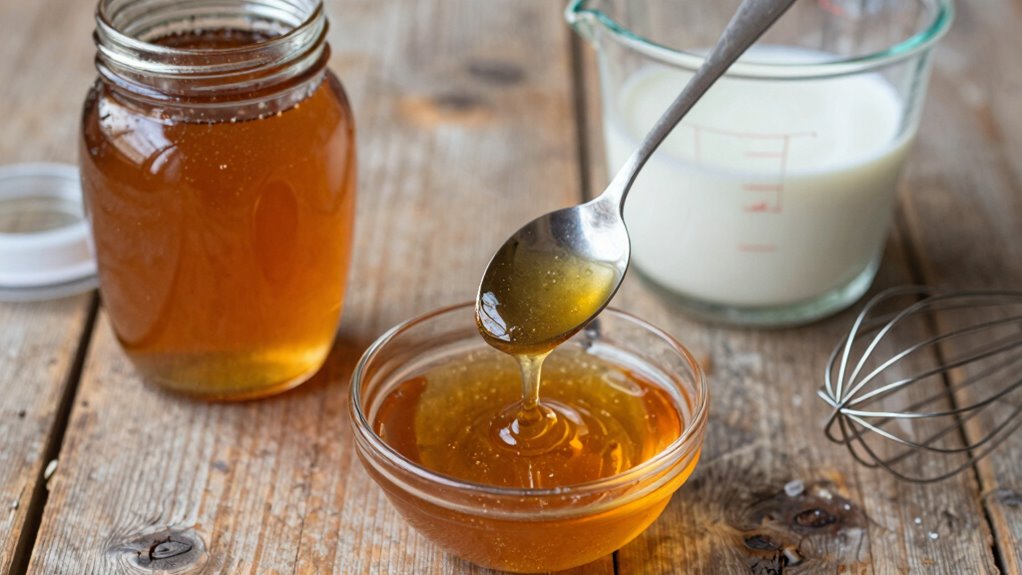
If you’re looking to elevate your baking, incorporating maple syrup and honey can add rich, natural sweetness while enhancing flavor complexity. These natural sweeteners aren’t just about sweetness; they also bring unique flavor pairings that can complement a wide variety of ingredients. Maple syrup offers earthy, caramel notes that work beautifully with spices like cinnamon and nutmeg, as well as with nuts and berries. Honey, on the other hand, adds floral, fruity undertones that can brighten baked goods, pairing well with citrus, ginger, and vanilla. Understanding these flavor pairings helps you craft desserts that are more layered and memorable, transforming simple recipes into refined treats.
Beyond flavor, both maple syrup and honey come with notable health benefits. Maple syrup contains antioxidants and minerals such as manganese, zinc, and calcium, which support overall health. Honey, especially raw or unfiltered varieties, boasts antibacterial properties and antioxidants that can boost your immune system. When you choose these natural sweeteners over refined sugar, you’re also avoiding artificial additives and excess processing, making your baked goods not only tastier but healthier.
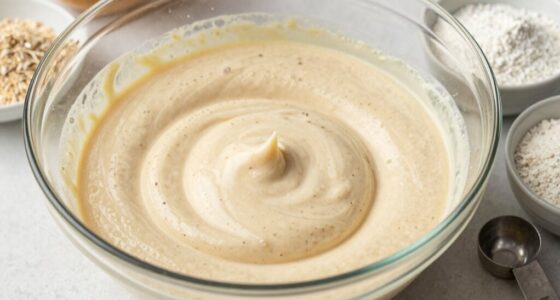
However, baking with maple syrup and honey requires some adjustments, especially regarding liquids. These sweeteners are liquid by nature, so they can alter the moisture content of your recipes. If you’re replacing granulated sugar with either of them, you’ll need to reduce other liquids in your recipe to maintain the right batter or dough consistency. For instance, if a recipe calls for 1 cup of sugar, substitute with ¾ cup of maple syrup or honey and cut back on liquids like milk or water by about 3 to 4 tablespoons. This helps prevent your baked goods from becoming overly moist or dense. It’s also wise to lower the oven temperature slightly, as these sugars tend to brown faster and can cause over-baking or burning if not monitored.
Additionally, the sweetness level of honey and maple syrup varies, so taste-testing your batter can help you adjust the amount to suit your preference. Keep in mind that honey is sweeter than sugar, so you might need less. When baking with these sweeteners, consider their distinct flavors and how they’ll meld with other ingredients. For example, a maple syrup glaze pairs beautifully with cinnamon rolls, while honey works wonderfully in citrus-infused muffins. By paying attention to these flavor pairings and making proper liquid adjustments, you’ll be able to create baked goods that are not only delicious but also balanced in texture and sweetness. Incorporating the right balance of ingredients ensures your baked creations come out perfect every time.
As an affiliate, we earn on qualifying purchases.
Frequently Asked Questions
Can I Substitute Maple Syrup With Honey in All Recipes?
You can substitute honey for maple syrup in many recipes, but keep in mind their flavor profiles and nutritional differences. Honey has a sweeter, more floral taste, while maple syrup offers a richer, caramel-like flavor. The nutritional content varies too, with honey providing more antioxidants and calories. Adjust the liquid amounts slightly, as honey is thicker, and consider how the flavor change will complement your dish.
How Does Temperature Affect the Consistency of Honey Versus Maple Syrup?
Temperature effects both honey and maple syrup’s viscosity, impacting their consistency. When you heat honey, it becomes thinner and more pourable, making it easier to mix into recipes. Maple syrup’s viscosity also decreases with heat, but it tends to thicken as it cools due to its sugar content. Keep in mind, excessive heat can alter flavor and texture, so gently warming both guarantees smooth integration without compromising quality.
Are There Specific Baking Techniques for Using Liquid Sweeteners?
When using liquid sweeteners, you should measure carefully, adjust moisture levels, and balance the liquids in your recipe. You’ll want to reduce other liquid ingredients, like milk or water, to maintain the right batter consistency. Incorporate the sweetener gradually, mixing thoroughly, to guarantee even distribution. By focusing on liquid measurement and moisture balance, you’ll achieve ideal texture and sweetness without compromising your baked goods’ structure.
What Are the Best Storage Methods for Baked Goods With Honey or Syrup?
You should store baked goods with honey or syrup in an airtight container to keep them fresh. For honey storage, guarantee it stays in a cool, dry place to prevent crystallization. Maple syrup preservation involves keeping it refrigerated after opening to avoid spoilage. By doing this, you maintain the sweetness and texture, preventing mold or spoilage, and extending the baked goods’ freshness and flavor.
How Do Liquids Impact the Shelf Life of Baked Products?
Liquids in baked goods are like a double-edged sword—they help with moisture retention but can also invite microbial growth if not managed properly. Increased moisture can make your treats stay fresh longer, but too much can spoil faster or develop mold. To extend shelf life, you should balance liquids carefully, guarantee proper storage, and keep baked goods in airtight containers. This way, you protect your creations from spoilage and keep them tasting their best.
honey liquid sweetener for baking
As an affiliate, we earn on qualifying purchases.
As an affiliate, we earn on qualifying purchases.
Conclusion
When baking with maple syrup and honey, remember that adjusting your liquids is like fine-tuning a musical instrument—you want everything to harmonize perfectly. By reducing other liquids slightly, you guarantee your baked goods stay moist and tender without becoming overly dense. Don’t be afraid to experiment, because mastering these adjustments will make your treats as sweet and smooth as a honey drizzle. With a little practice, you’ll create baked delights that taste just right every time.
baking adjustment tools for natural sweeteners
As an affiliate, we earn on qualifying purchases.
As an affiliate, we earn on qualifying purchases.
As an affiliate, we earn on qualifying purchases.
Fall Picks
fall essentials
As an affiliate, we earn on qualifying purchases.