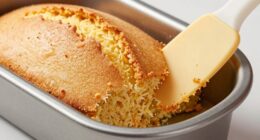
If your pie crust turns out tough, chances are you’ve overworked or handled the dough too much. This develops excessive gluten, making the crust dense and chewy instead of light and flaky. To prevent this, work the ingredients just enough to combine, handle the dough gently, and use cold ingredients to slow gluten formation. Resting the dough and rolling with care can make a big difference. Keep these tips in mind, and you’ll learn how to avoid this common mistake effectively.
Key Takeaways
- Overworking the dough develops too much gluten, leading to a tough, chewy crust.
- Handling and kneading the dough excessively during mixing or rolling can cause toughness.
- Using warm ingredients or over-flouring the surface accelerates gluten formation, resulting in a dense crust.
- Rolling the dough too thin or repeatedly re-rolling activates gluten, making the crust less tender.
- Resting the dough in the fridge relaxes gluten strands, preventing toughness and improving texture.
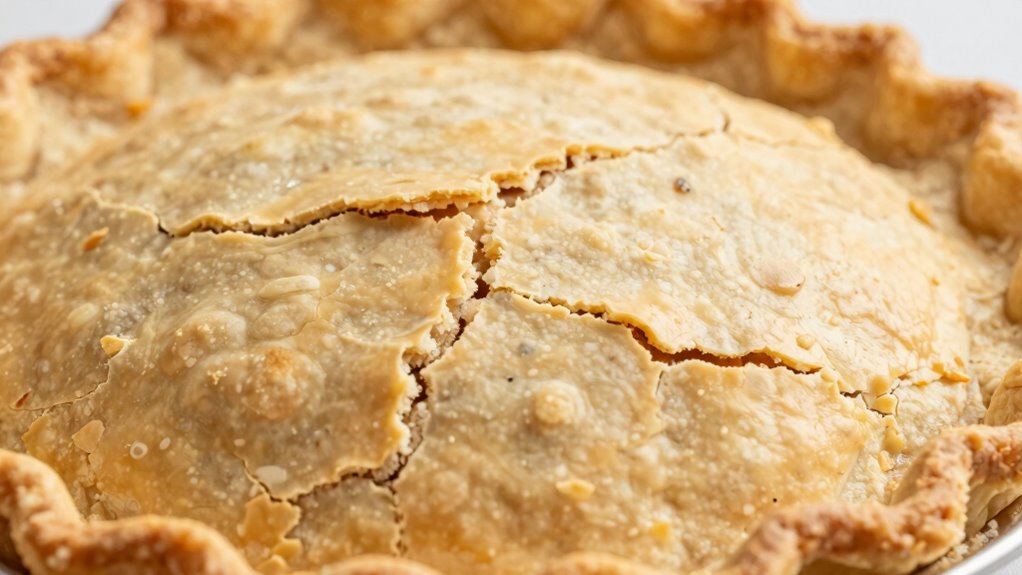
Have you ever bitten into a pie crust only to find it unexpectedly tough and difficult to cut? If so, you’re not alone. Many bakers run into this problem, and most of the time, it comes down to an overworked dough. When you handle pastry too much, the gluten development intensifies, making the crust dense rather than tender. It’s a common mistake, but one that’s easy to fix once you understand the role of pastry techniques. Overworking your dough during mixing and rolling creates more gluten strands, which is great for bread but problematic for pie crusts. Gluten provides structure, but too much makes the crust chewy and tough instead of flaky and delicate. To avoid this, you need to adopt gentle pastry techniques that keep gluten formation in check.
Start by mixing your ingredients just until they come together. Use cold ingredients to slow gluten development and prevent the dough from becoming elastic. When it’s time to roll out the crust, do so with light, even pressure, and avoid over-flouring the surface, as excess flour can toughen the dough. As you work, resist the urge to knead or handle the dough excessively. The goal is to keep the fat dispersed evenly and the gluten minimal, resulting in a tender, flaky crust. Resting the dough in the fridge after mixing is another key pastry technique that helps relax gluten strands and makes rolling easier. This step also prevents the dough from shrinking during baking. Proper dough handling is essential for achieving the perfect balance between structure and tenderness.
Another common mistake is over-rolling the dough, which can lead to a dense texture. When you roll, do it gently and turn the dough frequently to maintain an even thickness. If the dough starts to resist or crack, it’s a sign you’ve overworked it. At this point, it’s better to let it rest again rather than continue forcing it. Patience and gentle handling are essential. Remember, the goal isn’t to create a perfectly smooth, elastic dough like bread but to develop just enough gluten for structure without sacrificing tenderness. Using proper pastry techniques, such as minimal handling, cold ingredients, and adequate resting, can make a significant difference. These small adjustments ensure your pie crust remains light, flaky, and easy to cut—not tough and chewy. Proper pastry techniques also involve understanding how gluten development impacts texture and how to control it through gentle handling. Once you master these techniques, you’ll find that tough pie crusts become a thing of the past, replaced by perfectly tender, delicious results every time.
Top picks for "crust tough overwork"
Open Amazon search results for this keyword.
As an affiliate, we earn on qualifying purchases.
Frequently Asked Questions
Can Using Cold Ingredients Prevent Toughness?
Using cold ingredients can definitely help prevent toughness in your pie crust. When you use cold ingredient temperature, especially with butter or shortening, it stays firm and creates a flaky texture. Cold ingredients slow down gluten development, which keeps the crust tender. Be sure to chill your ingredients and handle the dough gently; this way, you avoid overworking and ensure a light, flaky crust every time.
Does Resting the Dough Improve Crust Texture?
Think of your dough as a delicate dance partner—you need to give it a break to stay graceful. Resting the dough is like a well-timed pause, allowing gluten to relax. This improves crust texture by preventing toughness. Use proper resting techniques, wrapping the dough and chilling it, to handle it gently later. So, yes, resting your dough helps create a tender, flaky crust—just like a perfect dance partner.
How Does Humidity Affect Pie Crust Consistency?
Humidity impacts your pie crust by affecting moisture levels, making the dough either too sticky or too dry. When humidity is high, the moisture impact can cause the crust to become softer and harder to handle, while low humidity can dry out the dough, resulting in a crumbly crust. To maintain consistent texture, focus on moisture control by adjusting your ingredients and working quickly in different humidity conditions.
Are There Alternative Flours That Yield Softer Crusts?
Yes, you can use alternative flours like almond, rice, or oat flour for softer pie crusts. These flours have less gluten development, which helps prevent toughness. Be aware that they might require adjustments in fat or liquid amounts to achieve the right texture. Experimenting with blends of all-purpose and alternative flours can give you a tender, flaky crust without overworking the dough.
What Role Does Fat Type Play in Crust Tenderness?
Fat type considerably influences crust tenderness through fat distribution. Butter adds flavor and creates flakiness, but it melts quickly, potentially making the crust less tender if overworked. Shortening, with its uniform fat distribution, promotes a tender, flaky crust by maintaining consistent layers. You should choose between butter and shortening based on your desired texture, knowing that the fat’s melting point and distribution directly impact how tender and flaky your pie crust turns out.
Conclusion
So, next time you roll out your pie crust, remember it’s a delicate dance—too much handling can turn it into a tough cookie. Treat the dough gently, like a fragile butterfly, and you’ll end up with a tender, flaky masterpiece. Just a little care, and you’ll have a crust that melts in your mouth, not fights it. With patience and a light touch, you’re the maestro of perfect pie crusts—delicious and tender every time.