
If your custard sauce curdles, act quickly by removing it from heat immediately. Then, whisk in a small amount of cold milk or cream gradually to help re-emulsify the sauce. You can also add a teaspoon of cornstarch mixed with cold water to thicken and smooth it out. Keep whisking until it regains a silky consistency. For more tips on fixing and preventing curdling, continue exploring effective techniques to save your sauce.
Key Takeaways
- Immediately remove the sauce from heat to stop further curdling.
- Gradually whisk in cold milk or cream to re-emulsify the mixture.
- Add a teaspoon of cornstarch slurry and whisk until smooth and thickened.
- Gently stir in a small amount of butter or vanilla to mask imperfections.
- Keep the sauce on low heat and avoid further rapid temperature changes.
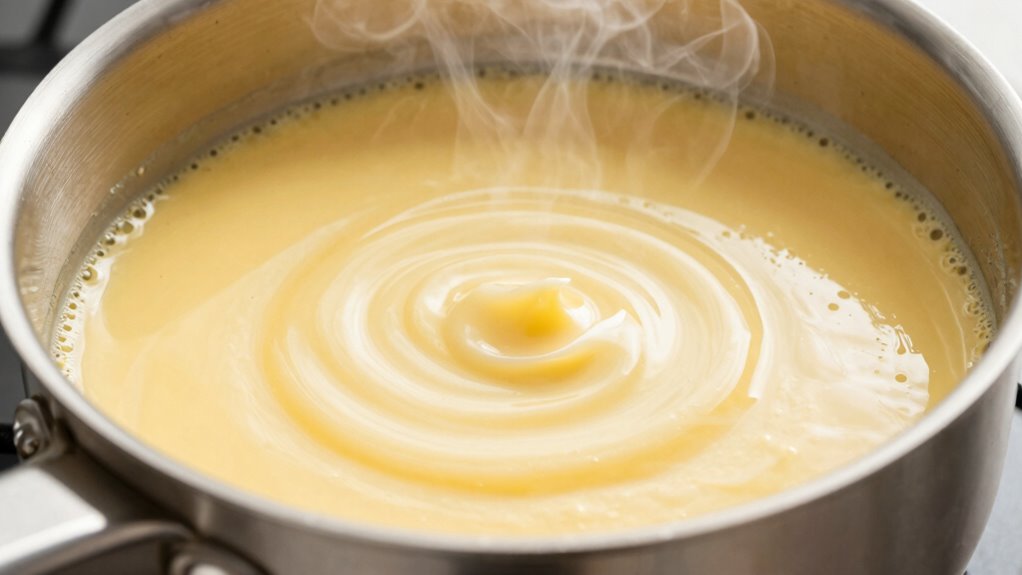
Curdled custard sauce can be an unexpected disappointment, especially when you’ve carefully prepared a silky, smooth dessert. It’s frustrating to see your once-lustrous sauce turn lumpy and uneven, but don’t panic. Many times, you can save it quickly with the right techniques. The first step is understanding why it curdled. Usually, it’s caused by overheating, rapid temperature changes, or mixing incompatible ingredients. To fix it, your priority should be restoring the sauce’s smooth, creamy texture.
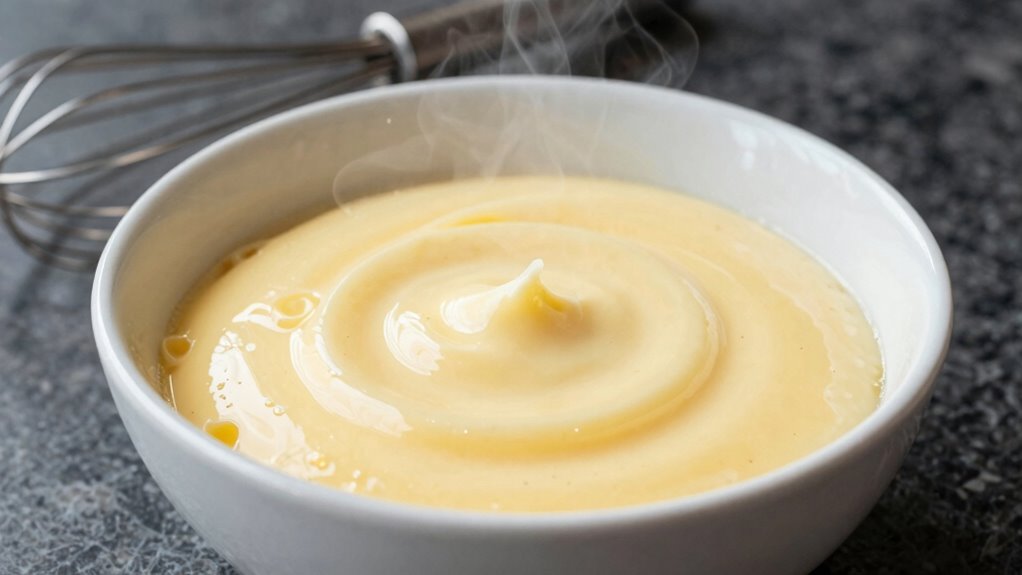
Start by removing the sauce from heat immediately. Once off the stove, you can employ thickening techniques to bring it back together. One effective method is to add a bit of cold milk or cream gradually, whisking constantly. This will help lower the temperature and re-emulsify the mixture. If you’re dealing with a particularly stubborn curdle, blending in a small amount of cornstarch slurry can work wonders. Mix a teaspoon of cornstarch with a little cold water or milk, then whisk it into your sauce over low heat. Keep stirring until it thickens and regains its smooth consistency. These thickening techniques are essential because they help restore the emulsion and improve the overall texture.
In addition to fixing the texture, this is a good opportunity to think about flavor enhancements. Sometimes, a slight flavor adjustment can mask minor imperfections caused by curdling. Adding a splash of vanilla extract or a pinch of nutmeg can elevate your custard, making it taste even better. You might also stir in a small amount of butter to enrich the sauce’s mouthfeel. Just be cautious with heat and timing; overcooking after adding these ingredients can cause the sauce to break again. Always keep the heat low and stir gently.
To prevent future curdling, pay close attention to your cooking process. Use gentle heat, and temper your eggs by slowly adding hot milk or cream while whisking constantly. This gradual process helps the eggs incorporate smoothly without scrambling. Also, make sure your ingredients are at similar temperatures before combining. This minimizes shock to the mixture and reduces the risk of curdling. Additionally, understanding the role of temperature control in custard making can help you avoid common pitfalls. With practice, you’ll get better at recognizing signs of overheating and adjusting your techniques accordingly.
custard sauce thickening tools
As an affiliate, we earn on qualifying purchases.
As an affiliate, we earn on qualifying purchases.
Frequently Asked Questions
Can Curdled Custard Be Used in Other Recipes?
Yes, you can use curdled custard in other recipes. Its thick, tangy flavor makes it great for alternative uses like adding to smoothies, coffee drinks, or baking. You can also incorporate it into flavor enhancements for sauces or dips, giving them a rich, creamy texture. Just be sure to taste and adjust seasonings as needed, since the slight tang may alter the final flavor profile.
How Long Does It Take to Fix Curdled Custard?
It takes just a few minutes to fix curled custard if you act quickly. Start by checking your egg temperature, aiming for around 160°F. Then, gently stir the sauce while slowly adding a small amount of warm milk or cream. This process helps re-emulsify the mixture. Remember, patience is key—stir gently to avoid further curdling, and you could have a smooth sauce in about 5-10 minutes.
Is Curdled Custard Safe to Eat?
Yes, curdled custard is safe to eat if it has been cooked and stored properly, as custard safety depends on proper handling. However, if it smells sour or shows signs of spoilage, discard it to prevent food poisoning. Always make certain your custard reaches a safe temperature during cooking, and keep it refrigerated to avoid bacteria growth. When in doubt, it’s better to be safe than sorry.
What Ingredients Cause Custard to Curdle?
Did you know that egg proteins begin to denature at just 149°F? When you use high heat, it causes the egg proteins in your custard to tighten and curdle. Ingredients like rapid temperature changes or adding cold liquids too quickly can also trigger curdling. To prevent this, cook your custard gently and stir constantly, ensuring the heat stays low and steady to keep it smooth and creamy.
Can I Prevent Custard From Curdling Initially?
To prevent custard from curdling initially, make sure your egg temperature is close to the liquid’s temperature before mixing—gradually temper the eggs by adding hot liquid slowly. Keep your heat gentle and constant, and stir constantly to distribute heat evenly. This helps prevent the eggs from cooking too quickly and curdling, resulting in a smooth, silky custard every time.
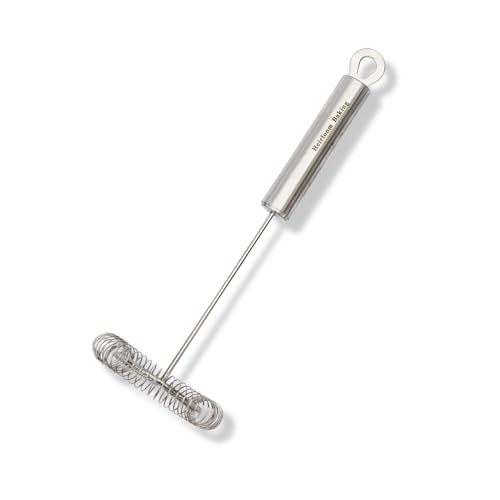
Heirloom Swedish Sauce and Gravy Whisk for Easy Mixing | Durable Stainless Steel with Ergonomic Handle | Ideal for making gravies, sauces, custard, pie filling. Whisks for Cooking
SIMPLIFY YOUR MIXING: This sourdough whisk and dough whisk blend ingredients thoroughly and smoothly. As a reliable sourdough…
As an affiliate, we earn on qualifying purchases.
As an affiliate, we earn on qualifying purchases.
Conclusion
Don’t let a curdled custard ruin your dessert dreams. With quick action, you can turn a soupy mess into silky perfection, like rescuing a sinking ship with a steady hand. Imagine gently whisking in a splash of warm milk, watching the clumps dissolve into a smooth, glossy sauce that glistens like satin. Just a few moments of patience and care can restore your custard’s luscious texture, ensuring your final dish looks and tastes as beautiful as you imagined.

Earthborn Elements Corn Starch (1 Gallon), Thickener For Sauces, Soup, & Gravy
Earthborn Elements Corn Starch
As an affiliate, we earn on qualifying purchases.
As an affiliate, we earn on qualifying purchases.

CUSTARD CREME Flavoring by Flavor Essence (Unsweetened, Natural Background Flavoring) 2 Oz. –For water, coffee / tea, shakes, smoothies, bar drinks –and baking, doughs, batters, frostings, yogurt
Natural Flavoring -Unsweetened (Add your own favorite sweetener)
As an affiliate, we earn on qualifying purchases.
As an affiliate, we earn on qualifying purchases.