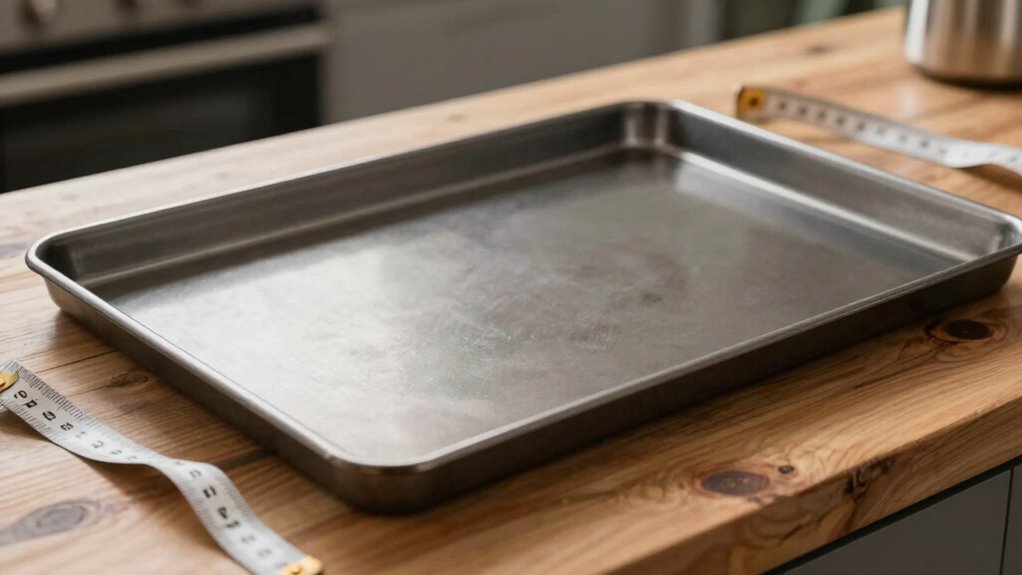
The ideal thickness for your baking steel depends on your oven size, baking style, and durability needs. Thinner steels (¼ inch) heat quickly and are easy to handle, perfect for frequent or quick bakes. Thicker steels (½ inch) retain heat longer and offer better long-term performance, ideal for larger ovens and multiple uses. If you want a balance, go for around ⅓ inch. To discover which suits you best and get the most from your steel, continue exploring.
Key Takeaways
- Thicker steels (½ inch or more) provide better heat retention and durability for long-term, consistent baking.
- Thinner steels (¼ inch) heat faster, ideal for quick baking and frequent use.
- ⅓ inch steel offers a balanced mix of quick heat-up and good heat retention.
- Consider your oven size and maximum safe loading height when choosing thickness.
- Match steel thickness to your baking style—longer preheat for thicker steels, quick heat for thinner options.
How Does Baking Steel Thickness Affect Heat Retention and Transfer?
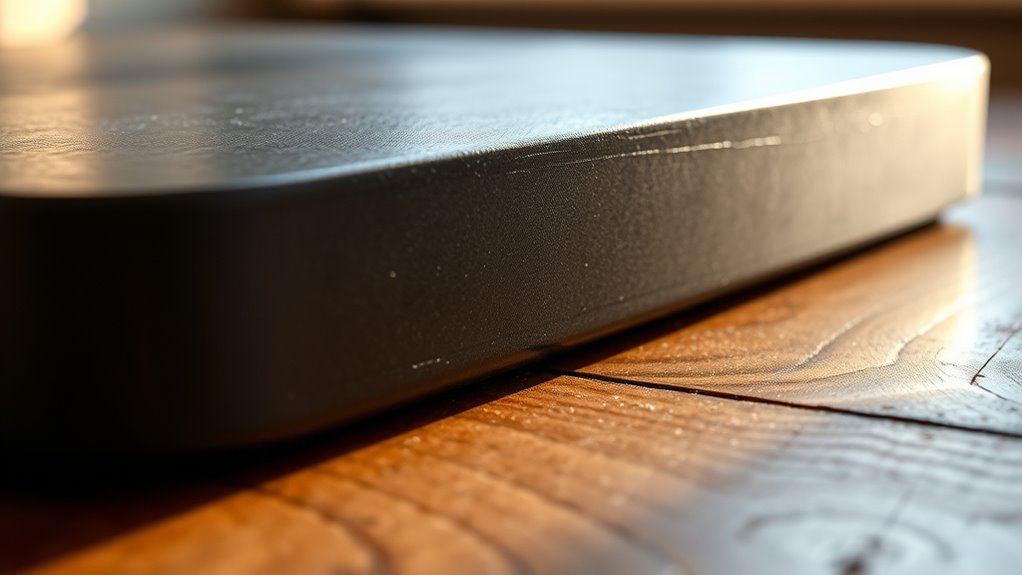
The thickness of your baking steel directly impacts how well it retains and transfers heat. Thicker steel has greater baking steel durability because it heats more evenly and retains warmth longer, making your crust crispier. The metal weight increases with thickness, meaning a heavier steel will hold temperature more effectively during baking. This improved heat retention allows for better oven spring and a more consistent bake. However, keep in mind that increased thickness can also mean longer preheating times and heavier handling. The balance between thickness and weight is vital for peak performance. Choosing the right thickness ensures you get the best heat transfer without sacrificing ease of use or durability. Ultimately, thicker steel offers superior heat retention, but consider your baking needs and oven capacity.
What Are the Common Thickness Options and Their Benefits?

Choosing the right thickness for your baking steel depends on your baking style and oven setup. Common thickness options include ¼ inch, ⅜ inch, and ½ inch. Thinner steels, like ¼ inch, heat up quickly and are easier to handle, making them ideal for home bakers who want faster preheat times. Thicker steels, such as ½ inch, retain heat longer and provide more even baking, which benefits those baking multiple pizzas or bread. The benefits of steel thickness relate directly to heat transfer and retention: thinner steels offer rapid heating, while thicker steels deliver consistent, sustained heat. Your choice should balance your need for quick heating versus even, stable heat distribution, based on your baking goals and oven capabilities. Steel thickness impacts heat transfer and retention, and understanding these properties can help you select the best option for your specific baking needs. Additionally, considering oven size and heat capacity can ensure optimal performance with your baking steel. For best results, consider your baking frequency to determine whether quick heating or sustained heat retention is more advantageous for your routine. Being aware of steel material quality can also influence the durability and performance of your baking steel over time. Furthermore, knowing the desired baking results can guide you in choosing the optimal thickness for achieving consistent crusts and textures.
What Factors Should I Think About When Choosing Steel Thickness?
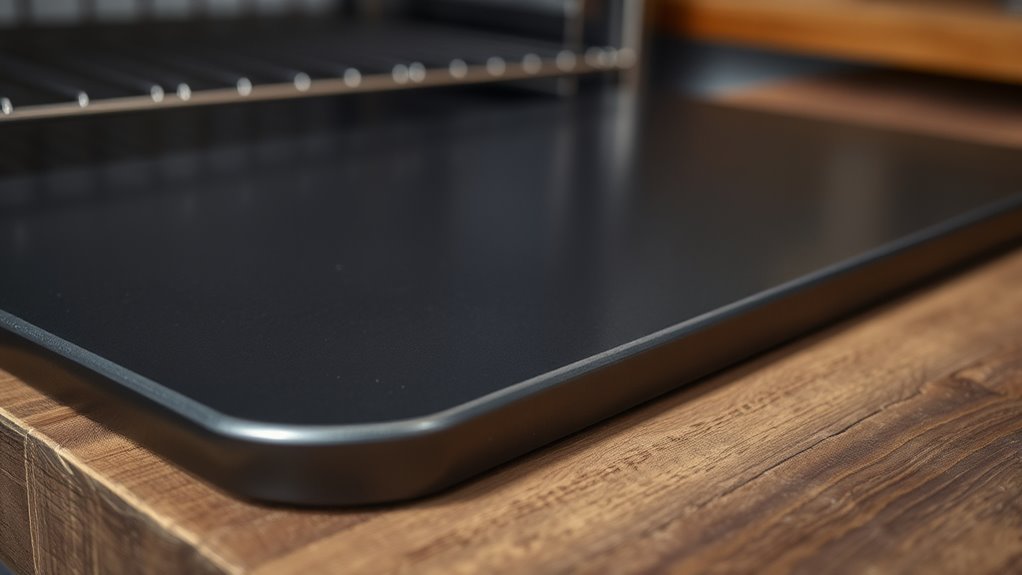
When choosing steel thickness, consider how well it conducts and retains heat, as this impacts your baking results. Think about your oven’s size and compatibility to guarantee the steel fits comfortably and heats evenly. These factors help you select the right thickness for efficient, consistent baking. Additionally, understanding the heat conduction properties of different steel thicknesses can help optimize your oven’s performance and improve your baking outcomes. A thicker steel can also provide better heat retention, which is beneficial for maintaining consistent temperatures during long baking sessions. Moreover, material quality plays a crucial role in durability and overall baking performance, making it an important aspect to evaluate when selecting your steel.
Heat Conductivity and Retention
Since steel thickness directly impacts heat conductivity and retention, you’ll want to contemplate how these factors influence your baking results. Thicker steel retains heat longer, providing more consistent heat transfer for evenly baked crusts. However, very thick steel can take longer to heat up initially, requiring more time and energy. For ideal baking steel safety, ensure your steel is high-quality and free of harmful coatings. Material quality also plays a crucial role in overall performance, affecting durability and safety. Thinner options heat faster but may not hold heat as well, making them suitable for quick bakes. If you prefer alternative materials, consider ceramic or cordierite, which also affect heat retention differently. Additionally, thermal conductivity plays a crucial role in optimizing your oven’s heat distribution. Recognizing the steel thickness that best matches your baking style can help you balance quick heat-up times with sustained heat, helping you achieve perfect crusts while maintaining safety and efficiency in your oven. Understanding heat retention characteristics can further enhance your baking outcomes by selecting the appropriate steel thickness for your specific needs.
Oven Compatibility and Size
Your oven’s size and compatibility play a crucial role in selecting the right steel thickness. Before choosing, consider these factors:
- Check your oven’s maximum safe loading height to prevent safety hazards.
- Measure the oven’s interior dimensions to ensure the steel fits comfortably.
- Consider how the steel’s thickness might affect heat transfer and cooking times, as thicker steels can retain heat longer and may require adjustments in cooking duration.
- Balance cost considerations—thicker steels are more durable but often cost more and require more energy to heat.
- Keep in mind that thermal conductivity influences how quickly and evenly your baking steel heats up, affecting your cooking results. Being aware of your oven’s heat distribution can help in selecting an optimal steel thickness to achieve consistent baking outcomes.
- Additionally, understanding your oven’s specific temperature limits ensures you select a steel that won’t compromise safety or performance under high heat conditions. For example, knowing how heat retention varies with steel thickness can help in planning your baking process more effectively. Properly assessing your oven’s capacity and design can also prevent potential issues related to uneven heating or thermal stress.
How Do Oven Size and Type Impact the Best Steel Thickness?
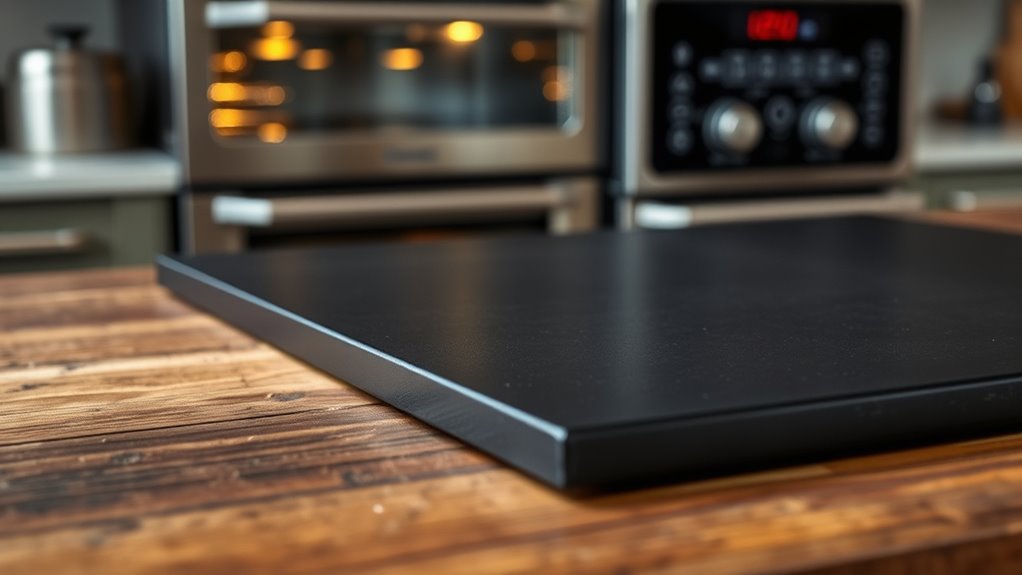
The size and type of your oven play a crucial role in determining the ideal thickness of your baking steel. Larger ovens require a thicker steel to evenly distribute heat and prevent warping, while smaller ovens need thinner steel to avoid over-insulation. The oven material also influences your choice: a convection oven heats differently than a conventional one, affecting heat transfer. Your baking surface should match the steel’s thickness for maximum performance. Additionally, understanding home energy considerations can help optimize your oven’s efficiency and safety during baking. Considering thermal mass is important, as it impacts how quickly and evenly heat is transferred during baking, especially in relation to your oven’s size and type. To achieve optimal results, it’s essential to factor in oven insulation as well, since it influences heat retention and transfer efficiency. Moreover, selecting the appropriate steel thickness can contribute to energy efficiency, reducing unnecessary heat loss and saving on energy costs. Recognizing how heat transfer methods function in different oven types can further refine your choice for consistent baking outcomes.
What Thickness Balances Durability and Performance for Long-Term Use?
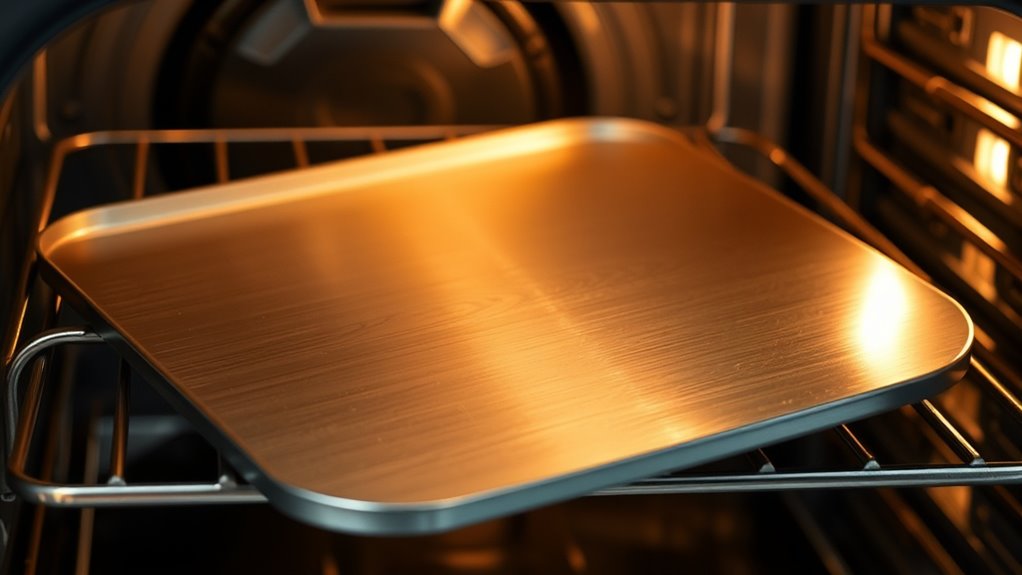
Choosing the right thickness means balancing heat retention and durability so your steel lasts over time. Thicker steels offer better longevity but may take longer to heat up, affecting performance. Consider how material thickness impacts both heat retention and structural integrity to find the ideal balance. Additionally, understanding how the material properties influence cooking outcomes can help you select a steel that meets your specific needs.
Material Thickness and Heat Retention
When selecting a baking steel, balancing thickness is crucial for ideal heat retention and durability. Thicker steels generally retain heat better, leading to crisper crusts, but can be heavier and slower to heat up. To maximize your baking steel’s performance, consider these points:
- A ¼-inch steel offers quick heat transfer, ideal for frequent baking and easy handling.
- A ⅓-inch steel balances heat retention with manageable weight, suitable for most home ovens.
- Thicker steels (>½ inch) excel in heat retention but require longer oven preheats and more substantial baking steel installation.
- Adjust oven temperature settings accordingly, as thicker steels may need higher or longer preheats for optimal results.
Choosing the right thickness ensures consistent performance without compromising your oven’s capabilities.
Structural Integrity and Longevity
A steel’s thickness directly impacts its durability and ability to withstand frequent use over time. Thicker steels tend to be more resilient, resisting warping and cracking, which enhances baking steel safety. However, excessively thick options may compromise heat transfer and ease of handling. Balancing these factors ensures longevity without sacrificing performance. When choosing thickness, consider manufacturing standards that guarantee quality and safety. Here’s a quick comparison:
| Thickness | Durability & Longevity | Performance Impact |
|---|---|---|
| 1/4 inch | Good for long-term use | Slightly slower heating |
| 3/8 inch | Excellent durability | Maintains heat well |
| 1/2 inch | Maximum durability | Heaviest, less responsive |
Selecting the right thickness ensures your baking steel remains safe, durable, and effective over years of regular use.
How Can I Care for My Baking Steel, No Matter Its Thickness?
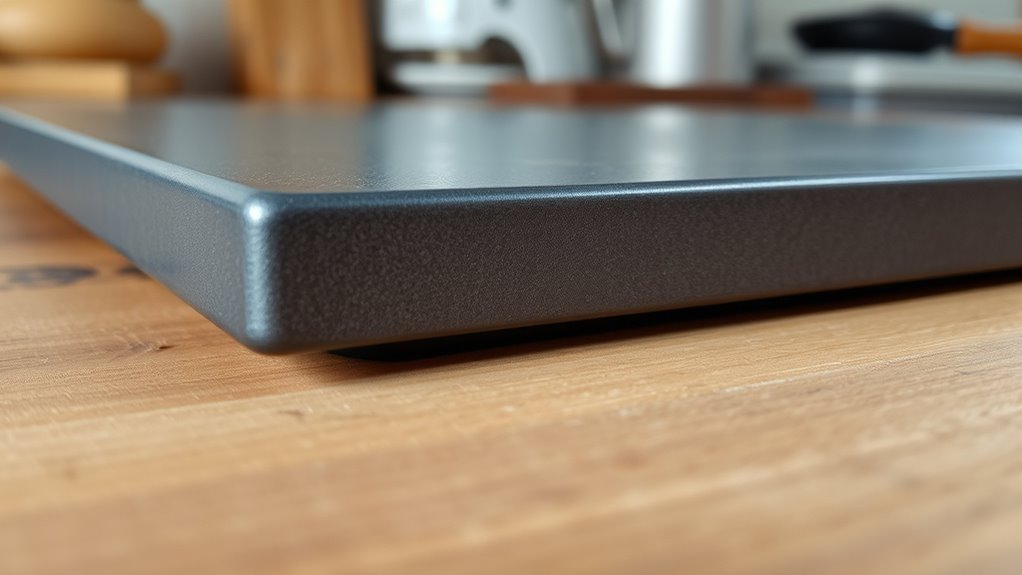
Regardless of its thickness, caring for your baking steel involves regular cleaning and proper maintenance to keep it in top shape. To do this effectively, focus on these key steps:
Proper care and cleaning keep your baking steel performing at its best, no matter the thickness.
- Use gentle cleaning methods like a scraper or brush to remove food residues after each use.
- Avoid soap; instead, wipe with a damp cloth or sponge, then dry thoroughly.
- Season your steel periodically using seasoning techniques, like applying a light oil layer and heating it in the oven.
- Store it in a dry place and avoid drastic temperature changes to prevent warping or rust.
Consistently following these steps helps maintain your baking steel’s performance, regardless of its thickness. Proper care guarantees even heat distribution and extends its lifespan.
Frequently Asked Questions
Can I Customize Baking Steel Thickness for Specific Recipes?
Yes, you can customize your baking steel thickness based on recipe specificity. Thicker steels retain and transfer heat more evenly, ideal for thick-crust breads, while thinner steels heat up faster, perfect for quick pizzas. Adjusting steel thickness allows you to optimize heat conduction for different recipes, giving you better control over your baking results. Just consider your oven’s capacity and the desired baking time when customizing your steel thickness.
How Does Steel Thickness Influence Baking Time and Crust Quality?
Think of your baking steel as a culinary magic wand—its thickness directly shapes your crust’s destiny. Thicker steel boasts greater thermal mass, absorbing and releasing heat steadily, which means a shorter baking time and a crispier crust. Steel conductivity ensures rapid heat transfer, but the steel’s thickness fine-tunes this process, giving you control over crust quality. Adjusting thickness helps you craft perfect bread every time.
Is a Thicker Steel More Prone to Warping or Damage?
A thicker baking steel is less prone to warping risks because it’s more stable under high heat. However, it may have durability concerns if it’s too thin or poorly made, risking damage over time. You should choose a steel that balances thickness for heat retention and durability, ensuring it withstands frequent use without warping or cracking. Proper handling and avoiding rapid temperature changes also help prolong its lifespan.
What’s the Ideal Thickness for High-Temperature Baking?
For high-temperature baking, a baking steel around 1/4 inch thick strikes the perfect balance. It offers excellent material durability, resisting warping and damage during intense heat. This thickness maximizes heat retention, helping you achieve crispy crusts and evenly baked goods. Thinner steels heat up faster but may be less durable, while thicker ones retain heat better but can be heavier and more prone to warping if not properly supported.
How Does Steel Thickness Affect Energy Efficiency During Baking?
Thicker steel enhances energy efficiency by improving thermal conduction and heat retention during baking. When you use a thicker baking steel, it absorbs and maintains heat longer, reducing the need for constant oven preheating. This means you save energy and achieve consistent, high-quality results. Keep in mind, while thicker steel heats up more slowly initially, it provides better heat transfer and retention, making your baking more efficient overall.
Conclusion
Choosing the right baking steel thickness is like tuning a fine instrument—you want harmony between heat retention, durability, and performance. Thicker steels act as steadfast guardians, holding heat like a warm embrace, while thinner ones dance quickly with temperature changes. Think about your oven size and how often you’ll bake. With the right thickness, you’ll craft crispy crusts and perfect pies, turning your kitchen into a bakery symphony—beautiful, reliable, and always in tune.