Your 1 cup of flour changes each time because factors like flour type, how you pack, sift, and measure it, and environmental conditions such as humidity and temperature all affect its weight and volume. Heavier, denser flour will give a different measurement than lighter, fluffier flour. Using consistent techniques, like spooning and leveling, and proper storage can help. Keep exploring to learn more ways to get precise, reliable measurements every time.
Key Takeaways
- Variations in flour type, density, and moisture content cause weight differences for the same volume.
- Packing, sifting, and measurement techniques affect how much flour fits into a measuring cup.
- Environmental factors like humidity and temperature influence flour’s moisture level and weight.
- Using different measuring tools or methods can lead to inconsistent flour measurements.
- Weighing flour with a kitchen scale provides the most accurate and consistent measurement.

Etekcity Food Kitchen Scale, Digital Grams and Ounces for Weight Loss, Baking, Cooking, Keto and Meal Prep, LCD Display, Medium, 304 Stainless Steel
𝗘𝗳𝗳𝗼𝗿𝘁𝗹𝗲𝘀𝘀 𝗪𝗲𝗶𝗴𝗵𝗶𝗻𝗴: Supports 5 units (oz/lb:oz/fl'oz/g/mL), tare function, and includes 2 AAA batteries for hassle-free operation
As an affiliate, we earn on qualifying purchases.
As an affiliate, we earn on qualifying purchases.
How Different Flour Types Affect Your Measurements
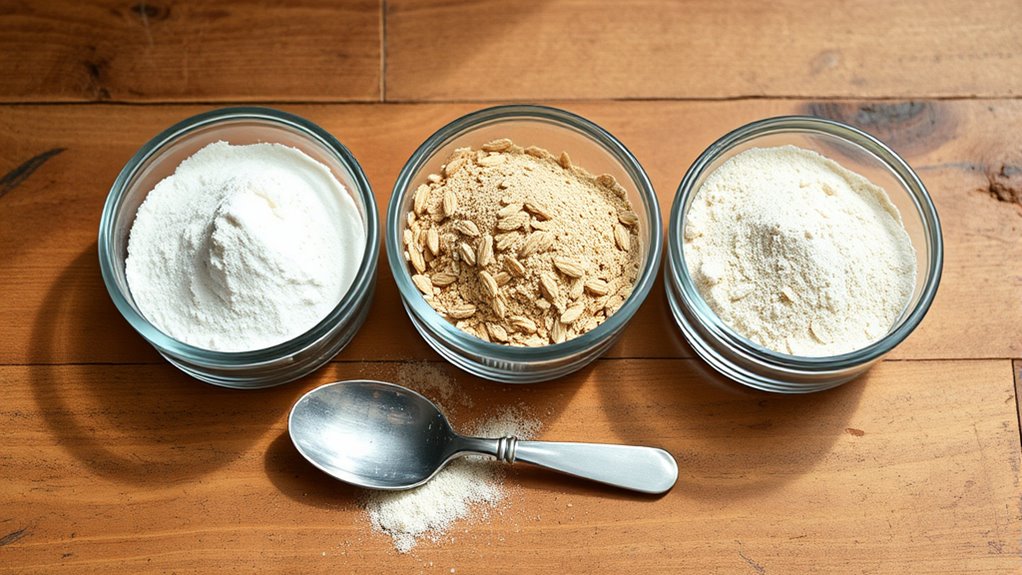
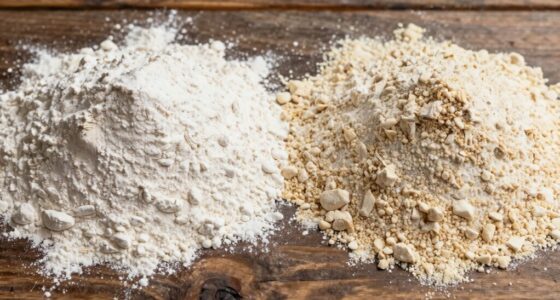
Have you ever noticed that a cup of one type of flour doesn’t weigh the same as a cup of another? Different flour types have varying flour nutritional content, which impacts their density and weight. For example, whole wheat flour is denser than all-purpose flour, meaning a cup of whole wheat weighs more. These differences affect your measurements, making consistency tricky. Your storage container choices also play a role; flours stored in airtight, measuring-friendly containers stay fresh and prevent moisture absorption, which can alter weight and volume. Knowing how each flour type’s properties influence measurement helps you adjust recipes accurately. For instance, flour density can vary significantly, affecting how much flour you need. By understanding these nuances, you ensure your baking turns out just right, regardless of the flour variety you use. Understanding measurement accuracy is essential for consistent baking results.

OXO Good Grips 4 Piece Stainless Steel Measuring Cups with Magnetic Snaps
Set includes: 1/4 cup, 1/3 cup, 1/2 cup and 1 cup
As an affiliate, we earn on qualifying purchases.
As an affiliate, we earn on qualifying purchases.
How Packing and Sifting Change Your Flour Volume
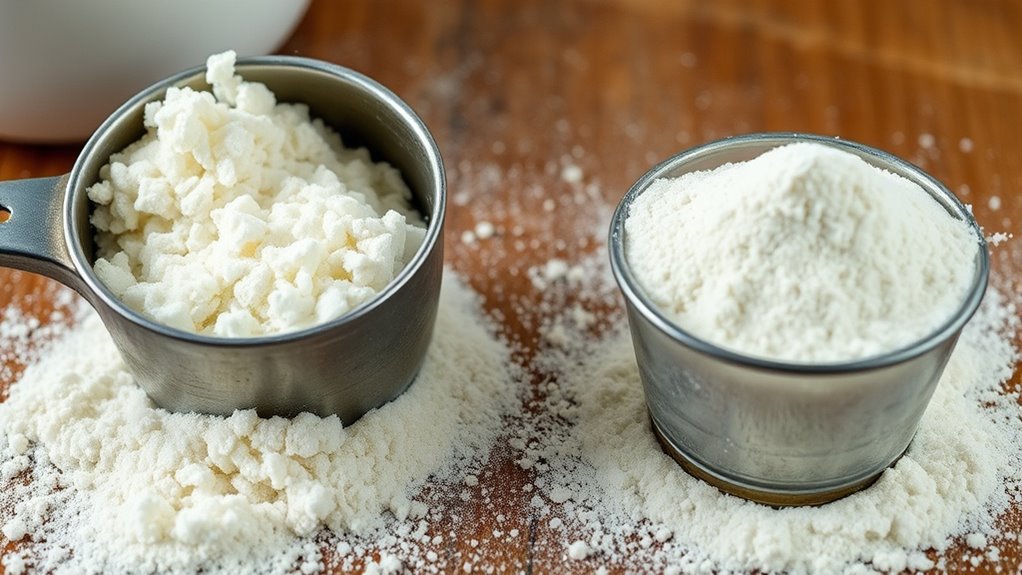
The way you pack and sift your flour can considerably change its volume, impacting your measurements. Packing effects occur when you press flour firmly into the measuring cup, causing it to become more compact and resulting in a higher volume than intended. Conversely, lightly spooning flour into the cup minimizes packing, giving a more accurate measurement. Sifting influences your flour by aerating it and reducing its density, which decreases its volume. If you sift before measuring, you’ll end up with less flour compared to measuring without sifting. Understanding these effects helps you achieve consistent results. To avoid discrepancies, always decide whether your recipe calls for sifted or unpacked flour and measure accordingly. This awareness ensures your measurements are precise and your baked goods turn out just right. Recognizing how measuring techniques can affect your baking outcome is essential for perfect results every time, especially since standardized measurements can vary based on packing and sifting methods. Additionally, being mindful of baking accuracy can significantly improve your overall baking success. Being aware of measurement variability helps you adjust your process to produce reliable and repeatable results.

Flour Sifter, 3 Cup Flour Sifter for Baking Fine Mesh Rotary Hand Crank with Loop Agitator for Quick Sifting, Flour Sifter Stainlees Steel, Crank Sifter Flour for Baking Cakes and Spices Toresano
Holds 3 Cups: Our flour sifter holds more flour and powedered sugar than most sifters; Masurements are stamped…
As an affiliate, we earn on qualifying purchases.
As an affiliate, we earn on qualifying purchases.
Which Measuring Tools Are Most Accurate—and How to Use Them
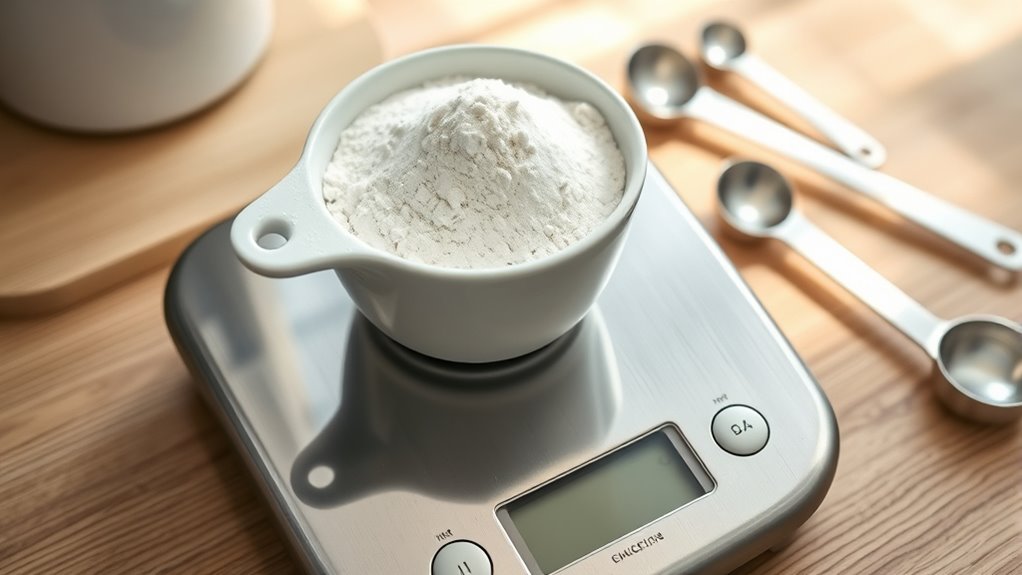
Using the right measuring tools can make a significant difference in your baking accuracy. For best ingredient accuracy, use a set of digital kitchen scales, which provide precise weight measurements and eliminate guesswork. They’re especially helpful for flour, where volume can vary. When measuring dry ingredients like flour, use a flat-edged spatula or spoon to lightly fill the measuring cup or spoon, then level it off with a straight edge. For liquids, a clear, liquid measuring cup with measurement marks ensures accuracy. Avoid using guesswork or flimsy cups, as they can lead to inconsistent results. Investing in quality measuring tools and knowing how to use them correctly will help you achieve consistent, reliable baking outcomes every time. Additionally, understanding how to properly measure ingredients like flour and liquids is essential for baking precision. Being aware of measurement variations can help you troubleshoot and improve your baking results over time. Recognizing the importance of accuracy in measurements is crucial for successful baking. Standardized measurements are especially important in precision baking, where small differences can significantly impact the final product. Remember that standardized measurements are key to replicating recipes successfully.
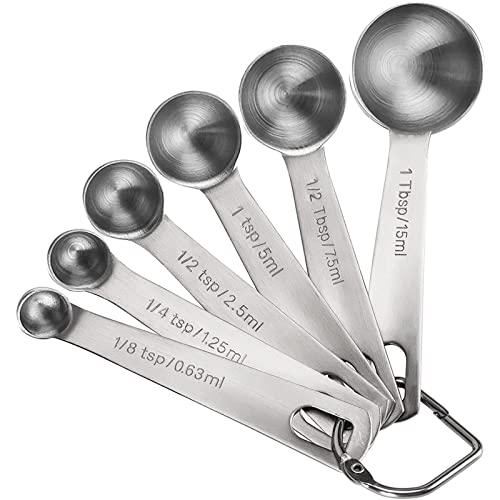
Measuring Spoons, Premium Heavy Duty Stainless Steel Measuring Spoons Cups Set, Small Tablespoon with Metric and US Measurements, Set of 6 for Measuring Dry and Liquid Ingredients
GUARANTEE SAFE FOR COOKING: Are you worried about silicone and plastic tools not safe for cooking? Protect your…
As an affiliate, we earn on qualifying purchases.
As an affiliate, we earn on qualifying purchases.
How Humidity and Temperature Impact Flour Density
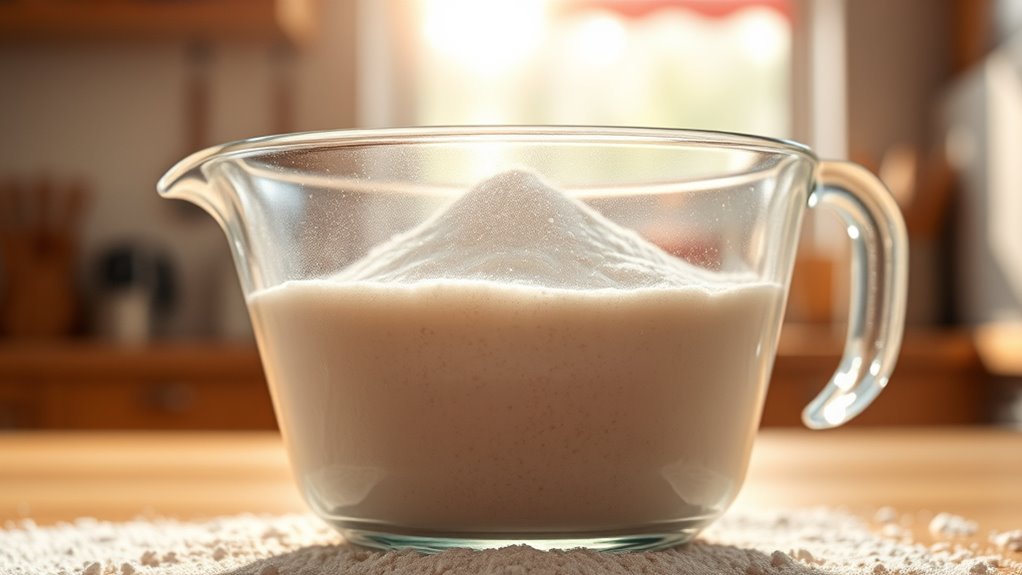
Humidity and temperature can cause flour to absorb moisture or lose it, changing its overall density. As moisture content varies, flour becomes fluffier or denser, affecting your measurements. Understanding these factors helps you achieve more consistent results in your baking. Proper storage techniques can also help maintain your flour’s ideal moisture level and density. Additionally, using air purifiers in your kitchen can help control indoor humidity levels, further stabilizing your flour’s moisture content. Being aware of environmental conditions can further assist in maintaining consistent flour quality. Regularly monitoring kitchen humidity levels can provide valuable insight into fluctuations that impact flour consistency, especially since flour density is sensitive to such environmental variations.
Moisture Content Variations
Since moisture levels in flour fluctuate with changes in humidity and temperature, these variations can considerably alter its density. Higher humidity increases moisture content, causing flour to clump and become heavier, while dry air reduces moisture, making it lighter and fluffier. Freshness also impacts moisture content; older flour tends to lose moisture over time, affecting measurement accuracy. To maintain consistent results, store flour in airtight containers and avoid exposure to fluctuating conditions. Proper storage minimizes moisture fluctuations and preserves flour quality. Additionally, understanding the role of environmental factors like humidity and temperature significantly impact flour’s moisture content and, consequently, its density. Recognizing how flour storage conditions influence moisture levels is crucial for achieving precise measurements in baking. Maintaining stable humidity levels in your storage area can help prevent unwanted moisture absorption or loss.
Air Density and Fluffiness
Flour’s fluffiness and how densely it packs into a cup are heavily influenced by air density, which varies with humidity and temperature. When air is humid or warm, the air density decreases, causing flour to feel lighter and fluffier. Conversely, dry or cold air increases air density, making flour more compact. This means your cup of flour could weigh more or less depending on conditions, even if measured the same way. To illustrate:
| Condition | Effect on Flour Fluffiness | Resulting Density |
|---|---|---|
| Humid/Warm | Fluffier, less dense | Lighter volume |
| Dry/Cold | Denser, more compact | Heavier volume |
Understanding air density helps you anticipate how your environment impacts flour measurement, ensuring more consistent results. Being aware of atmospheric conditions enables bakers and cooks to adapt their measurements for better accuracy. Recognizing how environmental factors influence ingredient density is essential for precise baking outcomes. Additionally, measuring flour by weight rather than volume can help mitigate the effects of these environmental variations.
Why Using Consistent Measuring Techniques Matters
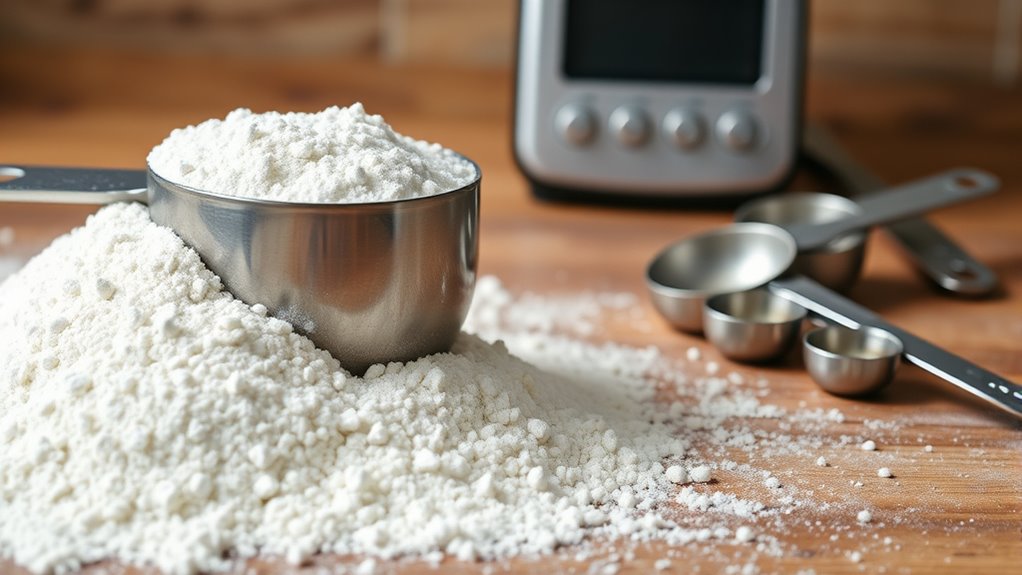
Using consistent measuring techniques is essential because small variations can substantially affect your baking results. Achieving measuring accuracy ensures that ingredient consistency remains intact, leading to reliable and delicious baked goods. When you measure ingredients precisely, you avoid unexpected outcomes like dense or dry textures. Consistency in your method helps replicate successful results every time. To improve accuracy, consider using the same type of measuring tools and measuring at the same level each time.
- Use the same measuring cups or spoons for each ingredient
- Measure ingredients at eye level to avoid over or under-measuring
- Always level off dry ingredients for precision
- Avoid packing ingredients unless specified, to maintain ingredient consistency
How to Convert Flour Between Weight and Volume Accurately
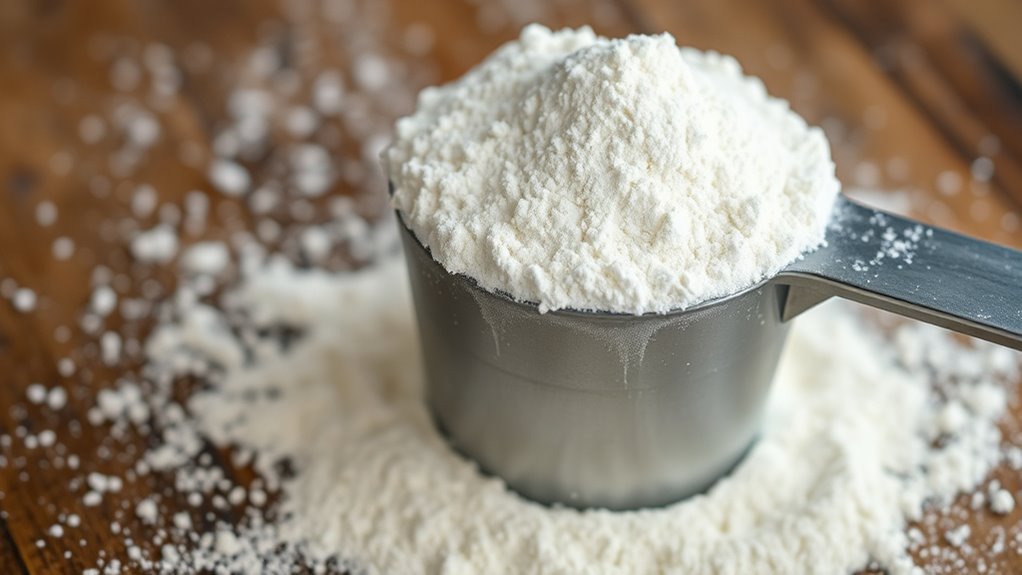
Converting flour between weight and volume requires understanding how density varies and using precise methods. Because of this variability, relying on digital scales or accurate conversion tools can make a big difference. Keep these tips in mind to guarantee your measurements stay consistent and reliable.
Variability in Flour Density
Because flour density can vary widely depending on factors like moisture content and packing method, converting between weight and volume isn’t as straightforward as it might seem. Variability in flour density stems from differences in flour particle size, which influence how tightly flour settles. Storage container effects also matter—air gaps and compression can alter volume measurements. To improve accuracy, consider how your flour is stored and handled.
- Larger flour particles tend to settle less densely, affecting volume.
- Using a sifter can change the particle size distribution.
- Tightly packed flour increases weight per cup, skewing conversions.
- Air gaps in storage containers lead to inconsistent measurements.
Understanding these factors helps you gauge flour more precisely, reducing recipe errors. Recognizing how moisture, particle size, and storage impact density allows for better adjustments when converting between weight and volume.
Precision in Measurement Methods
To accurately convert flour between weight and volume, you need to measure carefully and consistently. Proper flour storage ensures the flour stays dry and free of clumps, which affects measurement accuracy. Use packaging materials that prevent moisture absorption or contamination, such as airtight containers. When measuring by weight, use a reliable kitchen scale for precision, avoiding scoops that can pack flour unevenly. For volume measurements, fluff the flour first to loosen it, then spoon it into your measuring cup without tapping or pressing down. Always level off the excess with a straight edge. Consistent methods and good storage habits help guarantee your measurements are accurate, reducing variability and improving your baking results.
Conversion Tools and Tips
Using the right conversion tools makes switching between weight and volume measurements straightforward and accurate. Digital kitchen scales are essential for precise baking chemistry, ensuring your flour measurement is consistent regardless of recipe or ingredient substitutions. When converting, keep in mind that weight provides greater accuracy than volume, especially for baking. Always use reliable conversion charts or apps designed specifically for baking ingredients. Consider the type of flour, as different varieties may have slight weight variations. To improve accuracy, tare your scale to zero before weighing. For quick reference, keep a conversion chart handy. Remember, understanding these tools helps prevent recipe errors and ensures your baked goods turn out just right.
Top Tips for Measuring Flour Precisely and Repeatedly
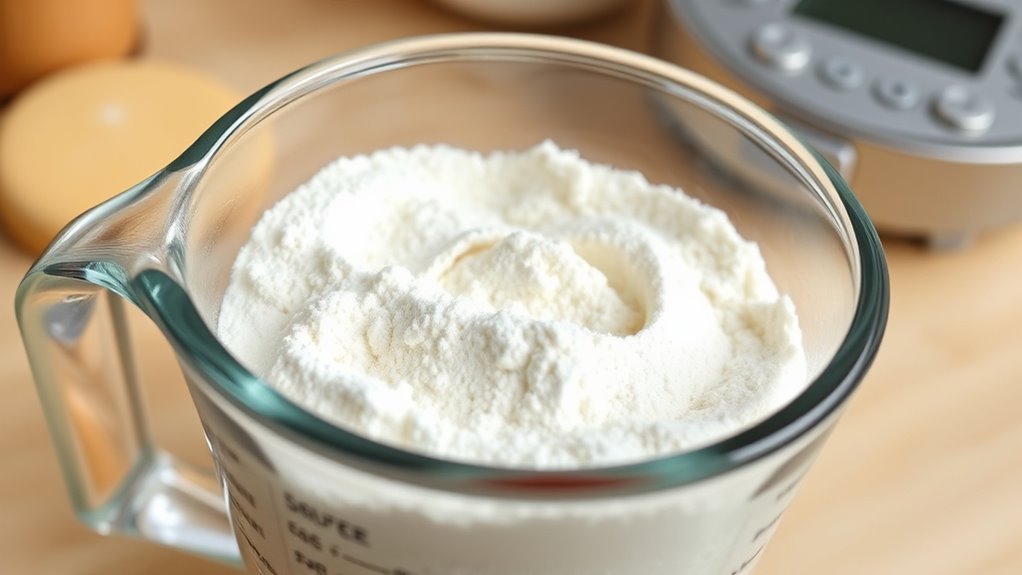
Accurately measuring flour is essential for consistent baking results, and small differences can make a big impact on your final product. To achieve this, start with proper sifting techniques—sift your flour before measuring to aerate it, preventing it from compacting and giving you a more accurate amount. Use a spoon to lightly fill your measuring cup, then level it off with a straight edge; avoid packing the flour down. Store your flour in airtight containers in a cool, dry place to maintain its texture and prevent moisture absorption. Consistent storage methods help keep the flour’s weight stable, reducing variations. By combining careful sifting, measuring, and proper storage, you ensure each cup of flour you use is precise and repeatable, leading to reliably delicious baked goods.
Frequently Asked Questions
How Does My Altitude Affect Flour Measurement Accuracy?
Your altitude effects can impact measurement accuracy because higher elevations cause air pressure to decrease, which can slightly alter ingredient weights and volumes. When baking at high altitudes, flour may require adjustments, like reducing the amount or changing the method. To maintain measurement accuracy, use a kitchen scale for precise weight, and consider your altitude effects to tweak your recipes accordingly.
Can Different Brands of Flour Yield Different Weight-To-Volume Ratios?
Like different artists paint with unique strokes, various flour brands embody distinct flour densities, affecting your measurements. Brand variation influences the weight-to-volume ratio, making one cup of brand A’s flour heavier or lighter than brand B’s. You should weigh your flour for precision or note the brand used, as each has its own characteristics. This way, your baking remains consistent, honoring the subtle nuances that each brand brings to your creation.
Does Using a Scale Improve Measurement Consistency Over Cups?
Using a scale definitely improves measurement consistency over cups. With digital precision, you get ingredient accuracy every time, eliminating variations caused by different cup sizes or packing methods. You can accurately weigh flour, ensuring your baked goods turn out perfect. Plus, a scale simplifies following recipes and adjusting portions. So, investing in one helps you achieve reliable results and consistent quality in all your cooking and baking.
How Often Should I Calibrate My Measuring Tools?
You should calibrate your measuring tools at least once every six months to maintain ideal measuring accuracy. Regular calibration ensures your measurements stay precise, especially if you use your tools frequently or notice discrepancies. If you handle sensitive recipes or have experienced measurement inconsistencies, consider calibrating more often. Consistent calibration frequency helps you trust your tools, making your baking and cooking more reliable and your results consistently perfect.
Are There Specific Storage Methods That Maintain Flour’s Weight Consistency?
Storing flour in airtight containers keeps moisture and pests out, maintaining its weight consistency. Keep it in a cool, dark place to prevent temperature fluctuations that can cause moisture absorption or loss. Avoid storing flour near strong odors, which it can absorb. Properly sealed, cool storage helps preserve your flour’s weight and quality, ensuring consistent measurements every time you bake.
Conclusion
Did you know that a single cup of flour can weigh anywhere from 120 to 150 grams? That’s why consistency is key in baking. By understanding how different factors influence your measurements and using the right tools, you’ll get more reliable results every time. Remember, precision matters—so take your time, measure carefully, and enjoy the perfect baked goods you create with confidence!