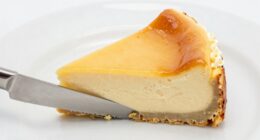
If your vanilla doesn’t taste like vanilla, it’s likely due to poor-quality beans or artificial extracts lacking complexity. Low-grade vanilla may be flat or synthetic, while artificial alternatives often miss the rich, nuanced flavors of genuine vanilla. The key is choosing high-quality beans from reputable sources and storing them properly to preserve their aroma. To reveal better flavor and deepen your understanding, explore how different types and techniques can enhance vanilla’s true essence.
Key Takeaways
- Using artificial or low-quality vanilla products can result in a flat, synthetic flavor lacking true vanilla nuances.
- Improper storage exposes vanilla to light and heat, degrading its flavor and diminishing authentic taste.
- Failing to properly scrape or infuse vanilla beans limits flavor release, making the vanilla taste weak or dull.
- Adding vanilla late in cooking or in small amounts prevents full flavor development and richness.
- Choosing vanilla from inferior regions or types can produce a less complex, less true vanilla flavor profile.
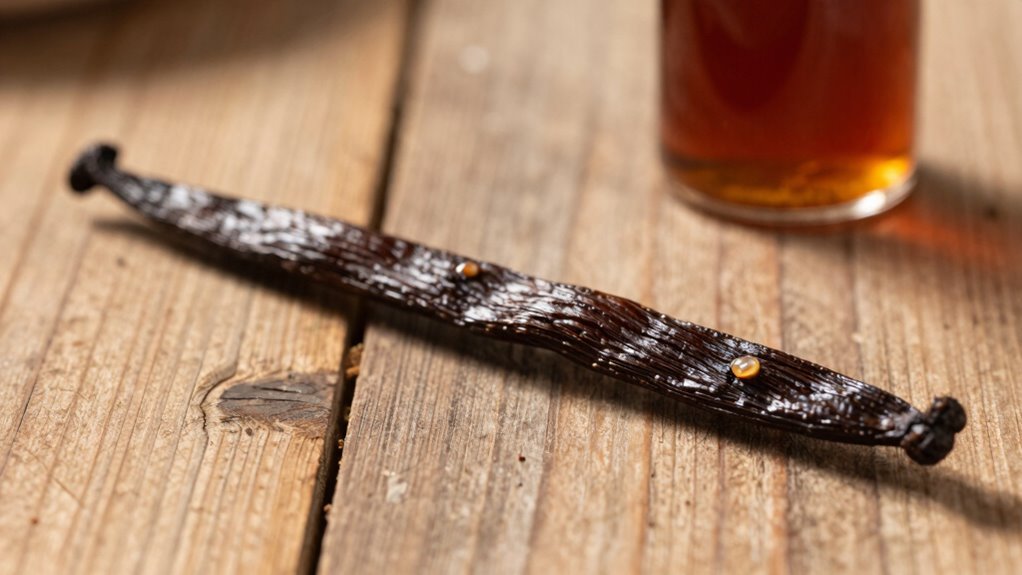
Vanilla tasting can be be a delightful experience if you know what to look for. One of the main reasons your vanilla might not taste like the real thing is because of the type and quality of vanilla beans used. Understanding vanilla bean origins can profoundly influence the flavor profile. For example, beans from Madagascar tend to have a rich, creamy, and sweet aroma, while Mexican vanilla is often more spicy and smoky. Tahitian vanilla, on the other hand, is floral and fruity. Knowing where your vanilla comes from helps you select the right beans to match your desired flavor. Poor-quality or artificial vanilla extracts often lack these nuances, leading to a flat or synthetic taste that doesn’t do justice to true vanilla essence.
Another key factor is how you approach flavor enhancement techniques. Many cooks skip or mishandle these steps, which can diminish the natural richness of vanilla. For instance, properly scraping the seeds from a vanilla bean and infusing them into your mixture allows the full spectrum of flavors to develop. Heating or simmering vanilla with other ingredients helps to release and blend its aromatic compounds, intensifying the flavor. Simply adding vanilla extract at the end of a recipe may not be enough; instead, incorporating it earlier ensures the taste is fully integrated. Using high-quality vanilla extract or vanilla paste also makes a noticeable difference. Cheaper or artificial vanilla often contains additives or synthetic flavorings that don’t capture the depth and complexity of natural vanilla.
Additionally, the way you store vanilla can impact its flavor. Exposure to light, heat, or air can degrade the beans or extract, resulting in a dull or off-taste. Keep vanilla beans in an airtight container away from direct sunlight, and store vanilla extract in a cool, dark place. Reusing vanilla pods or infusing them in alcohol can extend their life and deepen their flavor profile over time. If your vanilla lacks vibrancy, it might be time to contemplate these storage techniques or switch to a higher-quality product. Proper storage techniques are essential to preserve the freshness and potency of vanilla beans and extracts.
Finally, your palate and expectations play a role. Vanilla is a complex spice, and its true flavor can be subtle. Tasting vanilla in different forms—bean, extract, or paste—and comparing brands can help you develop a better understanding of what authentic vanilla should taste like. When you pay attention to the origins, apply flavor enhancement techniques properly, and store your vanilla correctly, you’re more likely to experience its true, luscious flavor. This knowledge transforms vanilla from a simple flavoring into a rich, aromatic experience that elevates your culinary creations.
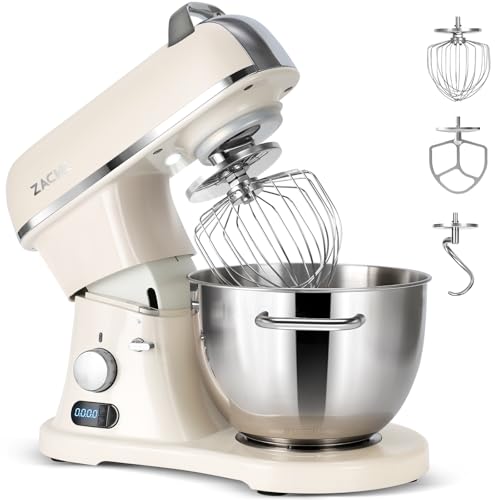
8.4QT Commercial Stand Mixer 800W with Aluminum Die Casting Meets the Standard of NSF/ANSI 8-2023, Mixers Kitchen Electric Stand Mixer with Stainless Steel 8L Bowl, Dough Hook, Whisk and Beater
High Capacity & High Efficiency: The maximum amount of dough is 3 kg/6.6 lbs/105.8 oz. Compared with other...
As an affiliate, we earn on qualifying purchases.
Frequently Asked Questions
How Do Vanilla Beans Vary by Origin?
Vanilla bean varieties vary by origin, and this influences their flavor profiles. For example, Madagascar vanilla beans tend to be rich and creamy, while Mexican vanilla offers a smooth, spicy note. Tahitian beans are floral and fruity, and Indonesian vanilla has a bold, smoky flavor. By choosing beans from different regions, you can customize your vanilla‘s taste to match your desired flavor profile, ensuring your baked goods or recipes have the perfect vanilla note.
Can Aging Affect Vanilla Flavor?
Aging can definitely influence vanilla flavor, often enhancing its aroma and depth. Did you know that vanilla beans develop more complex vanilla aroma after six months to a year of aging? During the aging process, the beans’ flavor compounds intensify, resulting in richer, more rounded vanilla. So, if your vanilla seems less flavorful, consider how the aging process might boost its aroma and overall taste, making it more satisfying.
What Role Does Storage Play in Vanilla Quality?
Storage plays a vital role in maintaining vanilla quality. You should store vanilla in airtight containers, preferably glass or stainless steel, to prevent exposure to air and moisture. Keep it in a cool, dark place away from direct sunlight and heat, as poor storage conditions can degrade flavor and aroma. Proper storage preserves vanilla’s richness, ensuring it stays flavorful and fresh for longer periods.
Are Synthetic Vanillas Truly Inferior?
Synthetic vanillas aren’t necessarily inferior, but they often lack the depth and complexity of natural extracts. Artificial flavors can mimic vanilla’s sweetness, but they sometimes produce a less authentic taste. If you prefer a richer, more genuine vanilla flavor, natural extracts are your best bet. However, for affordability and consistency, many bakers opt for synthetic vanillas, understanding they may sacrifice some of the nuanced qualities found in natural options.
How Does Vanilla Extract Differ From Vanilla Paste?
Vanilla extract differs from vanilla paste mainly in vanilla bean quality and composition. Extract is made by soaking vanilla beans in alcohol, resulting in a liquid with a concentrated vanilla flavor. Paste, on the other hand, contains more vanilla bean seeds and pulp, giving it a richer, more intense flavor. If you want a deeper vanilla taste, opt for vanilla paste, but for a smoother, versatile option, extract works well.

Ooni Halo Pro Spiral Mixer - Dough Stand Mixer with Attachments, 7.3 Quart Capacity and 58 Speed Settings - Charcoal Grey
Better Dough at Home - Make bakery-quality dough at home with groundbreaking spiral mixing technology used in professional...
As an affiliate, we earn on qualifying purchases.
Conclusion
So, next time your vanilla doesn’t quite sing, remember it’s not just about the flavor—it’s about discovering the treasure within. Like a key to a hidden door, your palate holds the secret to true vanilla magic. Embrace the journey of tasting, and let each sip or bite be a gentle reminder that sometimes, the purest essence is waiting just beneath the surface, ready to reveal its true, radiant soul.

Camic Electric Stand Mixer,7.45 QT,10 Speeds with Dough Hook,Whisk, Flat Beater Attachments, Splash Guard, Easy-Carry Top Handle,3-IN-1 Kitchen Mixer for Baking Cakes Cookie Bread Salad(Silver)
【Effortless Baking】7.45-quart stand mixer is designed for large-family baking, effortlessly mixing thick batters and doughs for bread, cookies,...
As an affiliate, we earn on qualifying purchases.

KitchenAid KSM8990CU 8-Quart Commercial Countertop Mixer, 10-Speed, Gear-Driven, Contour Silver
NSF Certified for commercial use - whether you're mixing up batter or kneading a yeast dough, this mixer...
As an affiliate, we earn on qualifying purchases.