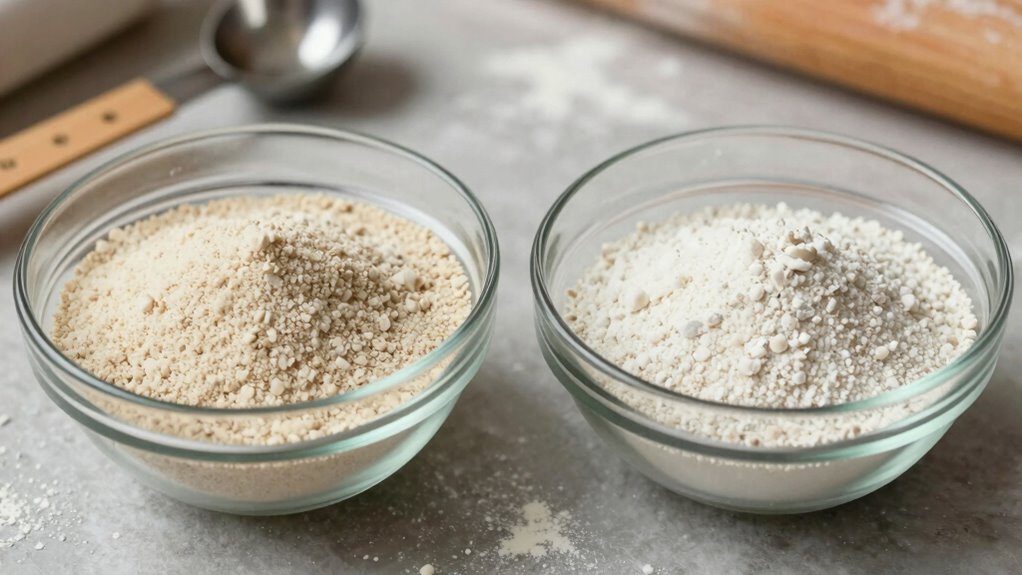

When swapping instant and active dry yeast, remember they can usually be used in equal amounts, but active dry yeast needs to be proofed first by dissolving in warm water with a bit of sugar until bubbly. Instant yeast skips this step and can go directly into your dry ingredients. Keep an eye on rising times, as instant yeast ferments faster, which could affect your results. To master the switch smoothly, there’s more to contemplate if you stay tuned.
Key Takeaways
- Use a 1:1 ratio when substituting instant yeast for active dry yeast, but adjust rising times accordingly.
- Proof active dry yeast in warm water with sugar before adding to your recipe to ensure activation.
- Add instant yeast directly to dry ingredients without proofing for faster incorporation.
- Monitor dough closely with instant yeast to prevent over-proofing due to its quicker fermentation.
- When switching yeast types, be prepared to extend or reduce rising times based on fermentation speed.
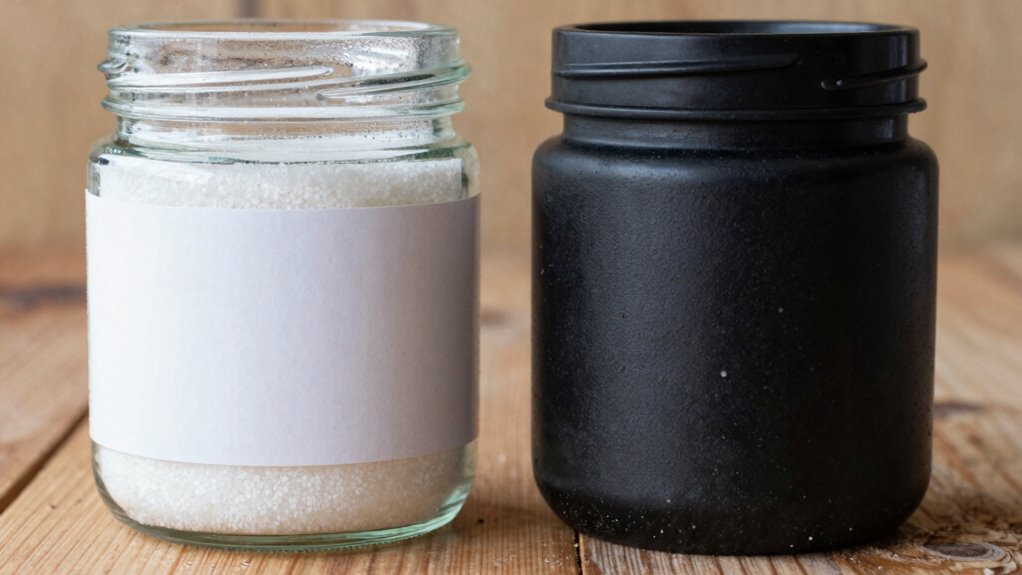
When baking bread, choosing the right type of yeast can make a big difference in your results. Whether you’re using instant or active dry yeast, understanding how they differ helps you decide which to use and how to substitute one for the other effectively. One key difference lies in fermentation speed. Instant yeast tends to ferment faster because it’s milled finer and doesn’t require proofing before adding to your dough. This means your dough rises more quickly, saving you time and giving you a more active fermentation process. On the other hand, active dry yeast ferments a bit slower, often needing to be dissolved in warm water first to wake it up and ensure it’s alive before mixing it into your ingredients. If you’re in a hurry or prefer a quicker rise, instant yeast is usually the better choice. However, if you enjoy a longer fermentation process that can develop richer flavors, active dry yeast provides a slower fermentation speed, giving your bread a more complex taste.
Another factor to consider is storage longevity. Instant yeast typically has a longer shelf life when stored properly, often lasting up to two years in a cool, dry place. Its finer milling and processing help it retain its potency longer than active dry yeast, which generally lasts about a year under the same conditions. If you tend to bake infrequently, instant yeast’s extended storage longevity makes it a more convenient option, reducing waste and ensuring you always have reliable yeast on hand. Active dry yeast, while still durable, may lose some of its potency over time if not stored correctly, especially if exposed to humidity or heat. To maximize shelf life, keep whichever yeast you choose in an airtight container away from light and moisture.
When swapping between instant and active dry yeast, you’ll want to adjust for these differences. Usually, you can substitute one for the other in a 1:1 ratio, but if you’re using active dry yeast, consider proofing it first—dissolving it in warm water with a pinch of sugar until it bubbles, which indicates it’s active. For instant yeast, you can add it directly to your dry ingredients. Keep in mind that because of the faster fermentation speed of instant yeast, your dough might rise more quickly, so keep an eye on it to prevent over-proofing. Conversely, if you’re using active dry yeast in a recipe designed for instant, give it a little extra time to rise. Understanding these nuances helps you switch between the two types seamlessly, ensuring your bread turns out beautifully every time.
Frequently Asked Questions
Can I Substitute Instant Yeast for Active Dry Yeast in All Recipes?
Yes, you can substitute instant yeast for active dry yeast in all recipes. Just remember, instant yeast doesn’t require yeast activation in warm water like active dry yeast. You can add it directly to your dry ingredients. Keep an eye on your baking temperature, as higher heat may affect fermentation. Adjust quantities if needed — typically, use the same amount or slightly less for best results.
How Does Storage Affect the Potency of Yeast Types?
Yeast storage considerably impacts the potency preservation of both instant and active dry yeast. Store your yeast in an airtight container in a cool, dark place, or in the fridge or freezer for longer shelf life. Proper storage prevents moisture and temperature fluctuations that can weaken its effectiveness. Keep it sealed tightly, and always check for freshness before use—fresher yeast guarantees better rising power and reliable baking results.
Is There a Difference in Flavor Between Instant and Active Dry Yeast?
You’ll notice subtle differences in flavor profiles and yeast aroma between instant and active dry yeast. Instant yeast tends to produce a cleaner, milder taste with a lighter aroma, while active dry yeast can add a slightly richer, more complex flavor. These nuances come from their fermentation activity and processing. Overall, both yeasts contribute great flavor, but your choice might influence the bread’s aroma and depth.
Do I Need to Adjust Rising Times When Swapping Yeast Types?
Swapping yeast types is like changing gears in a car—you’ll need to adjust your approach. When using different yeast, expect some rising time adjustments because active dry yeast often takes a bit longer to activate than instant yeast. To guarantee proper rising, consider yeast activation methods—proof active dry yeast in warm water before adding it to your dough. This helps maintain consistent rising times and perfect bread texture.
Can I Use Expired Yeast for Baking?
You can often use expired yeast, but its yeast shelf life is vital. Check if it bubbles during yeast activation methods like dissolving in warm water with sugar; if it doesn’t foam, it’s likely inactive. While expired yeast may still work, it’s less reliable, so for best results, use fresh yeast. Always test your yeast before baking to guarantee your dough will rise properly.
Conclusion
Now that you know how to swap between instant and active dry yeast, baking becomes a breeze—no need to summon a wizard’s magic. Remember, just like in the days of old taverns, patience and precision are your best allies. With these tips, you’ll craft perfect loaves every time, and your kitchen adventures will rise to legendary status. So go forth, bake with confidence, and may your bread turn out as warm and comforting as a cozy fireside chat.