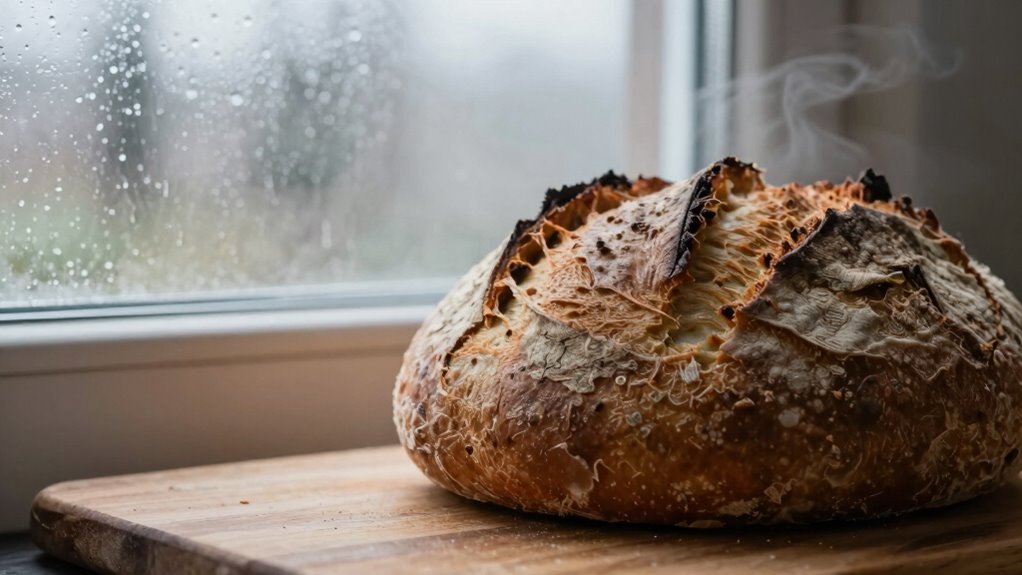

Cold, dry air pulls moisture out of your bread quickly, making the crust harden and the bread stale faster. When the environment lacks humidity, moisture escapes from the crumb and surface, speeding up staling and crust toughening. This is why bread often feels dry and crusty in cold, dry conditions. To keep your bread fresher longer, you’ll want to learn some simple ways to preserve moisture and slow down this process if you keep scrolling.

Get baking supplies delivered free with Prime
- Fast, free delivery on millions of items
- Prime Video, Amazon Music and more included
- Member-only deals all year
Key Takeaways
- Cold, dry air accelerates moisture loss from bread, leading to faster staling and crust hardening.
- Low humidity environments cause moisture to migrate from the crumb to the surface, drying out the bread.
- Without sufficient humidity, the crust loses flexibility and becomes brittle more quickly.
- Reduced enzymatic activity in dry conditions prevents natural crust softening, resulting in a stale texture.
- Proper humidity levels slow moisture evaporation, helping to preserve crust softness and extend freshness.
bread storage container with humidity control
As an affiliate, we earn on qualifying purchases.
As an affiliate, we earn on qualifying purchases.
How Humidity Affects Bread Freshness and Crust Quality
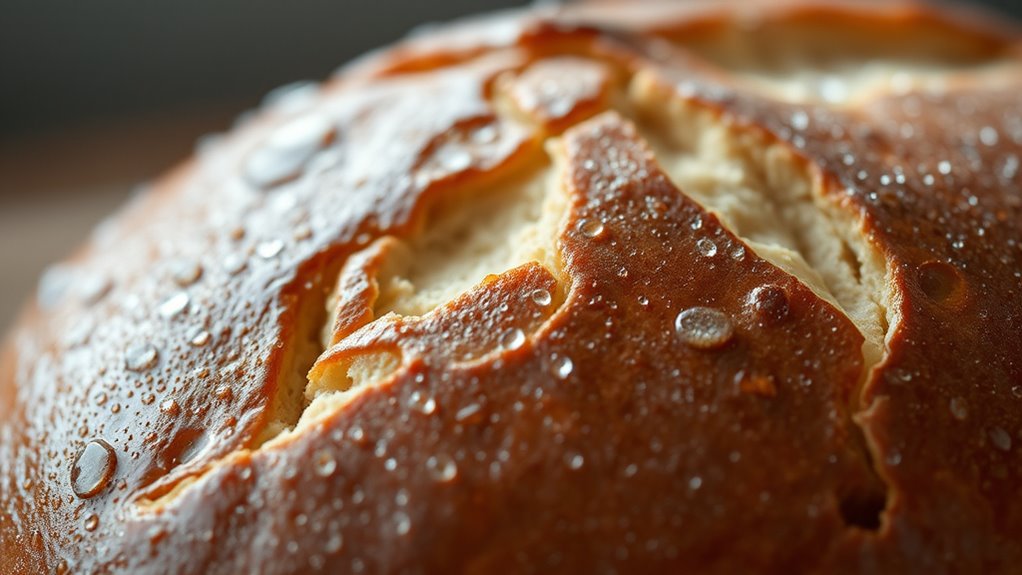
Humidity plays a crucial role in maintaining bread’s freshness and crust quality. When you master baking techniques that control moisture, you enhance the bread’s texture and flavor, supporting bread diversity. High humidity keeps the crust tender and prevents it from becoming too hard or dry. Conversely, low humidity causes moisture to evaporate quickly, leading to a stale, tough crust. Properly baked bread benefits from a balanced environment that retains internal moisture while forming a crisp exterior. Understanding how humidity influences these factors allows you to select the right storage methods and baking conditions. Managing humidity effectively is essential to preserving bread freshness and creating a variety of crust textures suited to different bread types. Additionally, humidity control during storage can help prevent mold growth and extend shelf life. Recognizing the impact of environmental conditions can help bakers optimize their processes and improve bread quality. Maintaining optimal humidity levels is also vital for consistent baking results, ensuring each loaf meets desired standards. Controlling humidity levels during storage and baking can significantly improve the overall quality and shelf life of bread. This knowledge helps you enjoy bread at its best.
bread box with moisture regulation
As an affiliate, we earn on qualifying purchases.
As an affiliate, we earn on qualifying purchases.
How Cold, Dry Air Accelerates Moisture Loss in Bread
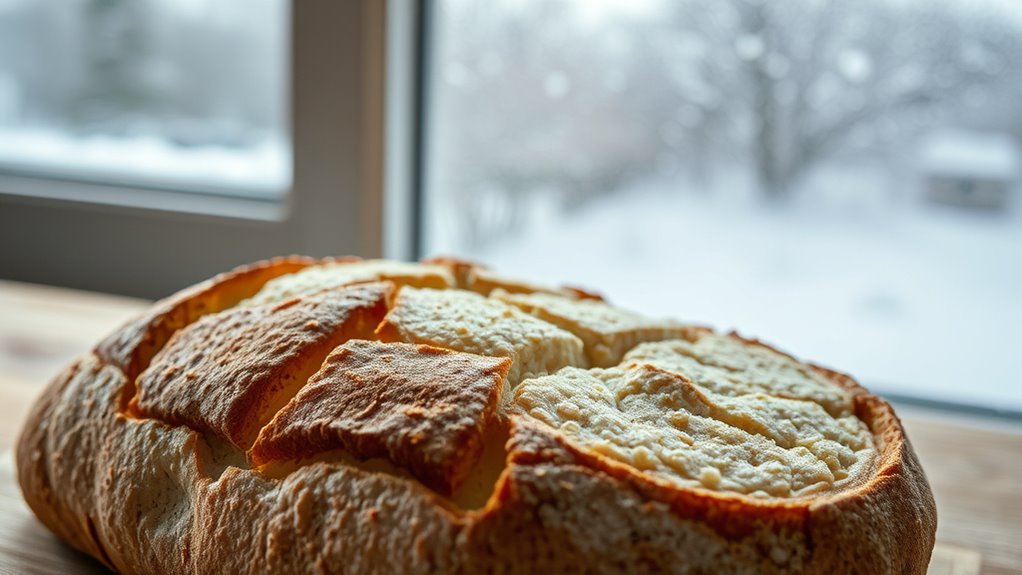
When the air is cold and dry, your bread loses moisture more quickly, making it dry out faster. This reduced moisture retention speeds up crust formation and leads to staling sooner than you might expect. Understanding this process can help you better preserve your bread’s freshness in chilly, arid conditions. Proper ventilation considerations can help maintain optimal humidity levels and slow down moisture loss. Additionally, managing environmental humidity can significantly extend the freshness of baked goods, especially in settings where climate control is limited or unavailable. Maintaining appropriate storage conditions is essential to preserve bread’s texture and flavor in such environments. Being aware of humidity levels can help you implement effective strategies to keep bread fresher longer.
Reduced Moisture Retention
Cold, dry air causes bread to lose moisture more quickly by pulling water from its crumb. The humidity effects reduce the bread’s ability to retain moisture, making it feel stale faster. When the environment lacks sufficient humidity, moisture escapes from the bread’s interior, leading to dryness. This process hampers the crust formation process, as the crust becomes less flexible and more prone to cracking, which further accelerates moisture loss. As moisture diminishes, the bread’s soft, tender crumb turns dry and crumbly. Without adequate humidity, the bread cannot maintain its freshness or chewy texture. Understanding these humidity effects helps explain why storing bread in dry conditions results in a shorter shelf life and a less satisfying eating experience.
Faster Crust Formation
As the moisture inside the bread begins to escape more rapidly in dry, cold air, the formation of the crust accelerates. Cold, dry conditions promote moisture migration from the bread’s interior to its surface, leading to quicker crust dehydration. This process is similar to psychological manipulation, where external factors influence internal states. The dehydration process intensifies as moisture moves outward and evaporates, creating a drier surface. Because of this, the crust forms sooner and more intensely than under humid conditions. You’ll notice that bread stored in cold, dry environments develops a hardened crust quickly, which can impact texture and freshness. Understanding how moisture migration influences crust dehydration helps explain why cold, dry air speeds up crust formation.
Increased Staling Rate
Dry, cold air speeds up bread staling by causing moisture inside the loaf to escape more quickly. The humidity impact is significant because lower humidity levels draw moisture from the bread’s interior, accelerating staling. As moisture leaves, the bread’s texture becomes drier and firmer, making it less tender over time. Additionally, the crust formation in cold, dry conditions creates a barrier that traps moisture initially, but as moisture continues to evaporate, the crust hardens and cracks, further speeding up staling. This increased staling rate means your bread loses freshness faster in cold, dry environments. To slow this process, keeping bread in a humid environment or wrapping it tightly helps retain moisture and prolong its freshness. Understanding the impact of environmental factors can help bakers and consumers better preserve bread quality. Maintaining optimal humidity levels in storage areas is essential for extending freshness. Controlling ambient conditions can significantly influence the rate of moisture loss and thus the bread’s shelf life.
bread freshness preservation bag
As an affiliate, we earn on qualifying purchases.
As an affiliate, we earn on qualifying purchases.
The Science Behind Crust Hardening in Low-Humidity Conditions
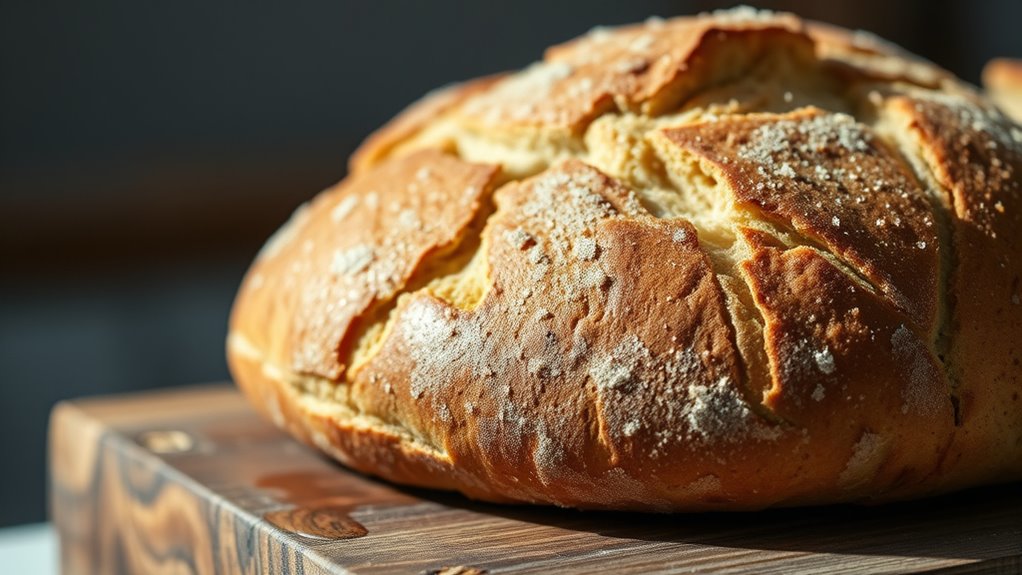
When the air is dry, your bread’s crust loses moisture faster, causing it to harden more quickly. This rapid moisture loss slows down enzymatic activity that normally helps keep the crust tender. As a result, the crust becomes rigid and stale sooner in low-humidity environments. Additionally, the lack of humidity can accelerate the formation of hard crust, making bread less enjoyable over time. Proper storage techniques, such as using humidity-controlled environments, can help maintain the bread’s freshness and texture longer. Maintaining appropriate humidity levels is crucial for preserving bread quality over time, especially since environmental factors play a significant role in bread’s storage life.
Moisture Loss From Crust
Low humidity accelerates the hardening of bread crust because moisture escapes more quickly from its surface. When bread is exposed to dry air, moisture from the crust evaporates faster, leading to a tougher, crunchier texture. Proper bread packaging helps slow this process by creating a barrier that retains humidity, but in low-humidity environments, even sealed packaging can’t prevent moisture loss entirely. As moisture escapes, the crust becomes drier and harder, losing its soft, tender quality. This rapid moisture loss not only affects crust texture but also makes the bread feel stale sooner. Controlling humidity is essential for keeping bread soft and fresh for longer periods. Additionally, using humidifiers or storage methods can help maintain optimal moisture levels, slowing crust hardening and prolonging freshness. Understanding humidity’s effects on bread freshness allows bakers and consumers to better preserve bread quality over time. Proper storage techniques can also mitigate the effects of moisture loss and help maintain bread’s ideal texture.
Reduced Enzymatic Activity
In low-humidity environments, the enzymatic activity responsible for breaking down starches and proteins in bread slows down considerably. This reduction impacts how quickly the crust hardens, as enzyme activity plays a key role in carbohydrate breakdown and softening the bread’s structure. When enzyme activity diminishes, the ongoing breakdown of carbohydrates reduces, preventing the bread from softening naturally. As a result, the crust becomes firmer and less pliable over time, especially in cold, dry air. You might notice that bread becomes stale faster despite minimal moisture loss. The limited enzyme activity means less renewal of the bread’s softer interior, accelerating crust hardening and staling. This process highlights how moisture and enzymatic activity interplay to influence bread’s freshness and texture.
bread storage with humidity control
As an affiliate, we earn on qualifying purchases.
As an affiliate, we earn on qualifying purchases.
Comparing Humid and Dry Environments: What Preserves Bread Best?
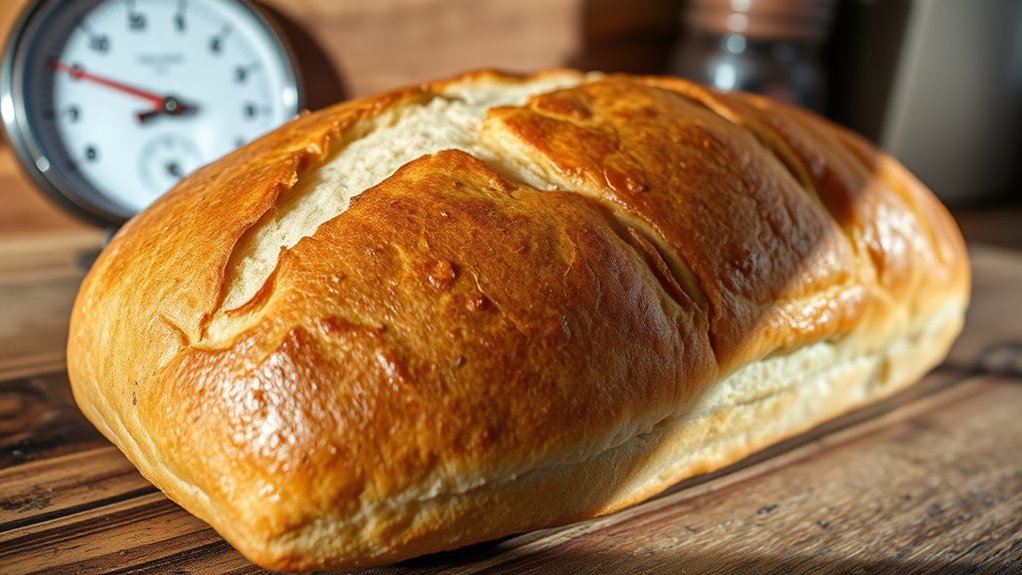
Choosing between humid and dry environments considerably impacts how long your bread stays fresh. In a humid setting, bread absorbs moisture from the air, which can slow down bread aging by maintaining its softness and preventing it from becoming stale quickly. However, too much humidity may cause mold growth, compromising safety. In contrast, dry environments accelerate moisture loss through evaporation, leading to a hardened crust and faster bread staling. Moisture absorption in humid conditions helps preserve the bread’s texture, while dry air promotes rapid moisture loss, speeding up bread aging. If you want to keep your bread fresh longer, a slightly humid environment is generally better, provided it’s not overly moist. Balancing humidity levels helps extend bread’s freshness without inviting mold or rapid staling. Additionally, wicking materials can be used to regulate moisture levels in storage areas, further influencing bread preservation.
Keep Bread Fresh in Cold, Dry Weather With These Tips
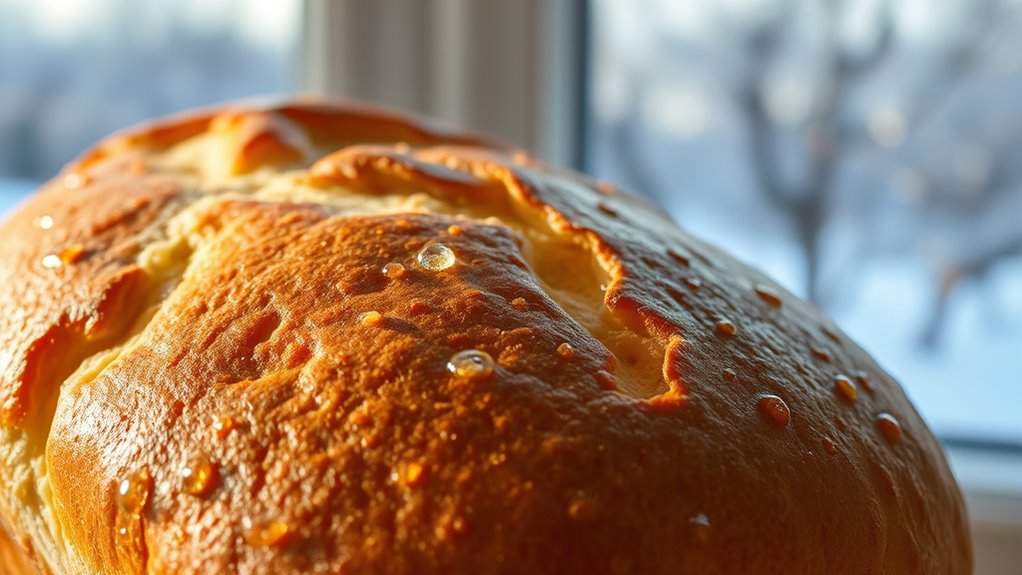
When the weather turns cold and dry, keeping bread fresh requires some extra care. To combat rapid staling, focus on proper bread storage and humidity control. Store your bread in a paper bag or cloth wrap to allow some airflow, preventing excess moisture buildup. Keep it in a cool, dark place away from direct heat sources, which can dry it out faster. Consider using a bread box with a vent to maintain suitable humidity levels. Avoid refrigerating bread, as cold temperatures accelerate staling. If you need longer storage, freeze bread and toast slices when needed. Proper humidity control in your storage environment preserves the crust and keeps your bread softer longer. Small adjustments can make a big difference in maintaining freshness during cold, dry conditions. Managing humidity levels effectively can help prevent the crust from becoming too hard and the bread from drying out quickly. Additionally, understanding how air circulation impacts moisture can further improve storage methods.
How to Store Bread Properly to Minimize Staling in Dry Conditions
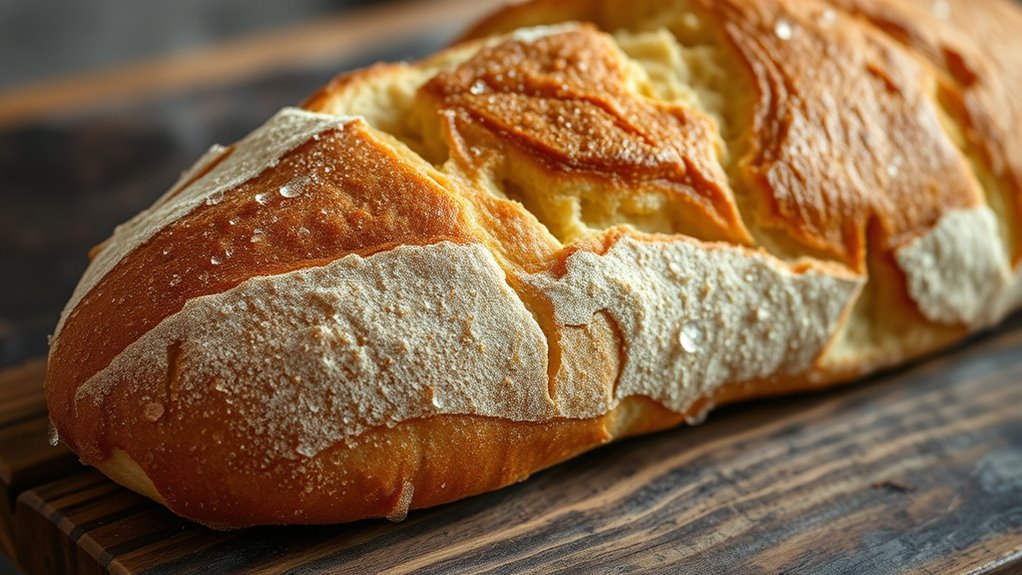
Proper storage methods can considerably slow down bread staling, especially in dry conditions. To do this, focus on effective bread storage techniques that balance humidity control. Avoid storing bread in the refrigerator, as cold air accelerates staling in dry environments. Instead, keep bread in a paper bag or a bread box that allows slight airflow while protecting it from excessive moisture loss. If you want longer freshness, wrap the bread in a breathable cloth or place it in a plastic bag with a small vent to maintain some humidity. These methods help retain moisture, preventing rapid staling. Remember, humidity control is key; keeping bread in a cool, dry place with proper ventilation minimizes moisture loss and preserves its texture longer.
Creative Ways to Maintain Moisture and Extend Bread’s Freshness
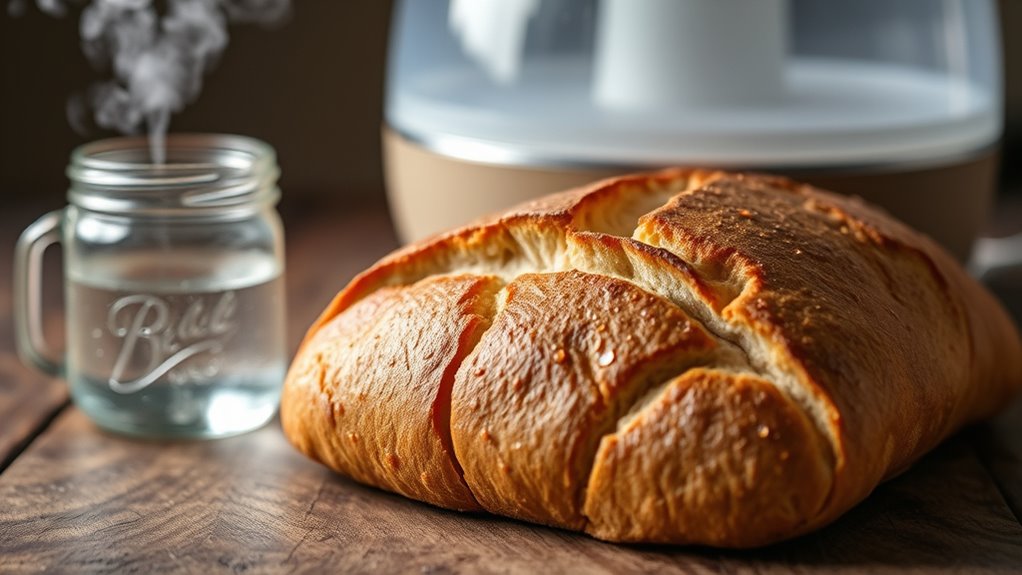
To keep bread moist and fresh for longer, get creative with storage methods that trap just enough humidity. This helps maintain the ideal environment for bread dough and yeast activity, preventing it from drying out too quickly. You can try wrapping bread in damp cloths or placing it in a bread box with a humidifier insert. Using a resealable plastic bag with a small paper towel inside creates a micro-environment that retains moisture. Storing bread with a cut side down on a slightly damp cloth slows moisture loss. Alternatively, refrigerate bread in a sealed container to control humidity levels. These methods help preserve the soft crumb and prevent stale crusts, keeping your bread fresh and delicious longer.
- Wrapping in damp cloths or cloth bags
- Using humidifier inserts in bread boxes
- Resealable bags with a paper towel inside
- Storing cut side down on a damp cloth
- Refrigerating in sealed containers
Frequently Asked Questions
Can Freezing Bread Prevent It From Going Stale in Cold, Dry Weather?
Yes, freezing bread can prevent it from going stale in cold, dry weather. Use effective freezing techniques, like wrapping the bread tightly in plastic wrap or foil, to promote moisture retention. This way, you slow down staling and preserve freshness longer. When you’re ready to enjoy it, thaw it at room temperature or reheat, and it’ll taste nearly as fresh as when first baked.
Does the Type of Bread Affect How Quickly It Stales in Dry Air?
Your bread type markedly influences its staling rate in dry air. For example, crusty artisan bread tends to stale faster because of its low moisture content and thick crust, while softer bread, like sandwich loaves, stays fresh longer. The starch structure and moisture levels in each bread type determine how quickly it loses freshness. To prolong freshness, store different bread types properly, such as in airtight containers or freezing them.
How Does Humidity Impact the Texture and Flavor of Bread Over Time?
Humidity influences your bread’s texture and flavor over time by slowing moisture migration, keeping it fresher longer. Higher humidity prevents it from drying out quickly, maintaining softness and a better crust. However, excessive moisture can cause mold growth. Over time, flavor degradation occurs less in a humid environment because the bread retains its moisture, preserving taste. You’ll notice your bread stays fresher, tastier, and with a better texture with proper humidity levels.
Are There Specific Storage Containers That Better Preserve Bread’s Freshness?
Think of your bread as a delicate bird that needs the right cage. Airtight containers are your best choice, locking in moisture and preventing stale air from sneaking in. Breathable wraps let just enough air exchange, keeping your bread fresh longer. Choose containers based on how quickly you want to preserve it—airtight for longer freshness, breathable wraps for short-term use. Proper storage keeps your bread lively and delicious.
Can Adding Moisture to the Environment Slow Down Bread Staling?
Yes, adding moisture to the environment can slow down bread staling by improving moisture retention and humidity control. You can place a damp cloth or a small dish of water nearby to maintain a more humid atmosphere. This creates an environment that keeps the bread’s crust softer and prevents it from drying out quickly, helping preserve freshness longer. Just avoid excess moisture, which can lead to mold growth.
Conclusion
Think of your bread like a delicate sponge—soaking up moisture keeps it soft and fresh. In cold, dry air, moisture escapes faster, turning your bread into a brittle shell. To keep it tasting like just-baked, seal it tight or store it in a humid environment. With the right care, you can turn your bread from a dry, crumbling relic back into a soft, inviting loaf—like a cozy hug in every bite.
Halloween Picks
halloween
As an affiliate, we earn on qualifying purchases.