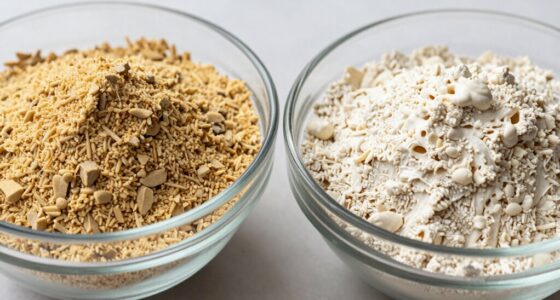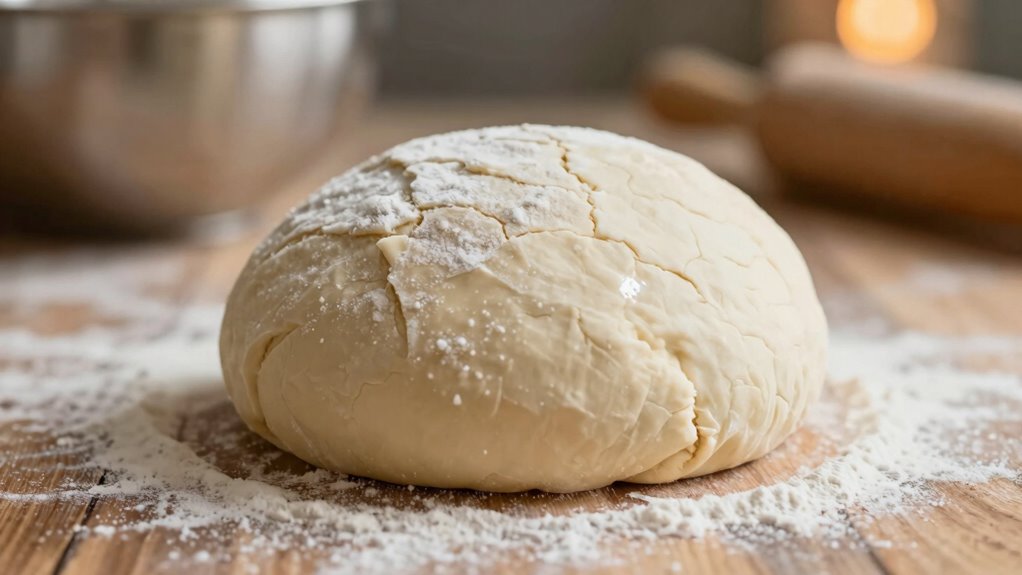

Chilled dough sometimes bakes up better because cold fats delay melting, leading to thicker, chewier cookies, and proper chilling deepens flavor. But if the dough is too cold or we’ve waited too long, it can turn stiff and resist spreading, resulting in denser treats. Oven variability and ingredient moisture levels also play a role in how the cookies turn out. Keep exploring these factors to master consistent results every time.

Get baking supplies delivered free with Prime
- Fast, free delivery on millions of items
- Prime Video, Amazon Music and more included
- Member-only deals all year
Key Takeaways
- Properly chilled dough develops flavor but can be too firm, making it harder to spread or shape evenly.
- Extended chilling can deepen flavor but may cause dough to become overly stiff, impacting spreading and texture.
- Oven temperature and heat distribution influence how chilled dough bakes, affecting cookie spread and density.
- Ingredient temperature and moisture content affect how fats melt and cookies spread during baking.
- Allowing chilled dough to warm slightly before baking can optimize spreading and texture outcomes.
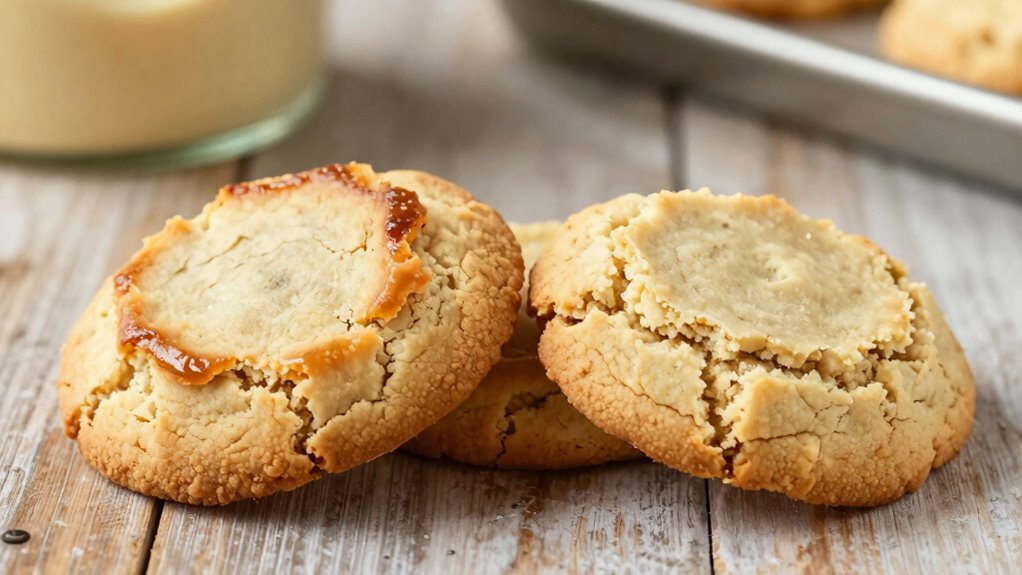
Chilled dough can sometimes produce beautifully baked cookies with a perfect texture, but at other times, it can lead to flat or uneven results. The reason behind this inconsistency often comes down to how ingredient temperature interacts with your baking process. When you refrigerate dough, you’re slowing down the chemical reactions, which can help develop flavors and improve texture. However, if the ingredients aren’t at the right temperature before chilling, it can influence how well the dough holds together or spreads during baking. For example, if your butter is too cold, it might make the dough stiff and difficult to work with, or cause uneven spreading once in the oven.
Chilled dough’s impact on cookies depends on ingredient temperature and oven behavior for best results.
Oven variability also plays a significant role in the outcome. Not all ovens heat evenly, and small differences in temperature can cause big changes in how your cookies bake. If your oven runs hot, chilled dough might spread less and retain a thicker shape, leading to chewy, dense cookies. Conversely, a cooler oven might not provide enough heat to properly set the fat and starch, resulting in cookies that spread too much or bake unevenly. The key is understanding your oven’s quirks and adjusting baking times or temperatures accordingly.
Another factor to think about is how long you chill the dough. If you refrigerate it overnight, the flavors deepen, but the dough can become too firm if not allowed to warm slightly before baking. When you pop it directly from the fridge into the oven, the cold butter or fat can delay spreading, causing cookies to be thicker or denser than intended. To counter this, you might want to let the dough sit at room temperature for a few minutes before baking. This balances the benefits of chilling with the need for proper ingredient temperature at the moment of baking.
Your choice of ingredients and their initial temperatures also influence how well chilled dough bakes. Using butter or fats that are too cold can cause uneven baking or poor spreading, while fats at a more moderate temperature melt more evenly, giving you a uniform cookie shape. Consistency in ingredient temperature before chilling helps ensure predictable results, especially when combined with an understanding of your oven’s behavior. Additionally, understanding how baking conditions affect dough can help you troubleshoot and refine your process for better results. For instance, knowing the ideal baking temperature and how it interacts with chilled dough can make a significant difference in your final product. Furthermore, paying attention to the dough’s moisture content can prevent issues like cracking or uneven texture after baking.
In the end, mastering the art of baking with chilled dough involves paying close attention to ingredient temperature, understanding your oven’s quirks, and adjusting your process accordingly. When these elements align, you’ll find that chilled dough consistently produces cookies with the ideal texture and appearance.
silicone baking mats for cookies
As an affiliate, we earn on qualifying purchases.
As an affiliate, we earn on qualifying purchases.
Frequently Asked Questions
How Long Should I Chill Dough for Optimal Results?
Chill your dough for at least 30 minutes to 2 hours, ensuring it firms up properly. This allows the dough to develop better dough elasticity, making it easier to handle and shape. Additionally, chilling helps enhance flavor development, resulting in richer-tasting baked goods. For the best results, refrigerate your dough covered, and if you have time, overnight chilling can elevate your baking, giving you a more consistent and delicious outcome.
Does the Type of Fat Affect Dough’s Baking Performance?
Yes, the type of fat you use influences baking performance. Different fats, like butter, shortening, or oil, have varying fat compositions, which influence dough texture and spread. Butter adds flavor development and tenderness, while shortening provides stability and a crisper texture. Using the right fat guarantees your dough bakes evenly, with the desired consistency, and enhances overall flavor. So, choose your fat based on the texture and flavor you want to achieve.
Can I Freeze Dough Instead of Refrigerating It?
Sure, freeze your dough instead of refrigerating—because who doesn’t love a surprise ice-cube adventure? Freezing halts dough fermentation and slows gluten development, giving you more flexibility. Just remember, it might change texture or flavor, so be prepared for a bit of a culinary gamble. Wrap it tightly, freeze, and thaw in the fridge before baking. It’s a chilly shortcut with a few sweet surprises.
How Does Dough Hydration Influence Baking Outcomes?
Dough hydration directly impacts baking results by influencing gluten development and moisture retention. Higher hydration levels make the dough more elastic, allowing better gluten formation, which results in a lighter, airier texture. Adequate moisture helps retain tenderness and prevents dryness. If the dough lacks sufficient water, it won’t develop enough gluten, leading to a denser bake and crumblier texture. Adjust hydration carefully to optimize your baked goods’ structure and moisture.
Does the Temperature of the Oven Impact Baked Dough?
Like Icarus flying too close to the sun, if your oven temperature’s too high, your baked dough can burn or develop uneven crusts. Conversely, a lower temperature may leave your dough undercooked inside. The oven’s temperature directly impacts dough consistency, affecting rise, texture, and overall bake quality. Always preheat your oven, and adjust the temperature based on your dough’s characteristics for the best results.
As an affiliate, we earn on qualifying purchases.
Conclusion
So, next time your chilled dough decides to turn against you, just remember—it’s all part of the grand baking conspiracy. Maybe it’s tired, maybe it’s just playing hard to get. Chill out (literally), and accept that baking, much like life, is unpredictable. Embrace the chaos, because in the end, even a disappointing bake makes for a good story—or at least a funny Instagram post. Happy baking, or not—who’s really counting?
As an affiliate, we earn on qualifying purchases.
As an affiliate, we earn on qualifying purchases.
Halloween Picks
halloween
As an affiliate, we earn on qualifying purchases.