
If your frosting melts, it’s because warm temperatures cause the fats and sugars to soften and lose their structure. To fix this, keep your frosting at the right temperature—usually between 60-65°F for buttercream—and store it in a cool, airtight space. Chilling it for 10-15 minutes or using cool work environments can help it stay firm while you decorate. Want more tips to prevent melting? Keep going; you’ll find the best solutions here.
Key Takeaways
- Frosting melts when exposed to heat, causing fats and sugars to soften and lose structure.
- Store frosting at proper temperatures (e.g., 60-65°F for buttercream) to prevent melting and maintain firmness.
- Chilling frosting before decorating helps it stay firm and resist warmth-induced melting.
- Working in cool, climate-controlled environments reduces the risk of frosting sliding or melting.
- Quick fixes like refrigerating, adding powdered sugar, or using insulated tools can re-stabilize melting frosting.

Satin Ice White Buttercream Frosting – 1lb – Pail
READY-TO-USE CONVENIENCE: Save time and effort with pre-made buttercream that’s perfectly smooth and ready to spread, ideal for…
As an affiliate, we earn on qualifying purchases.
As an affiliate, we earn on qualifying purchases.
Why Does Frosting Melt? The Role of Temperature
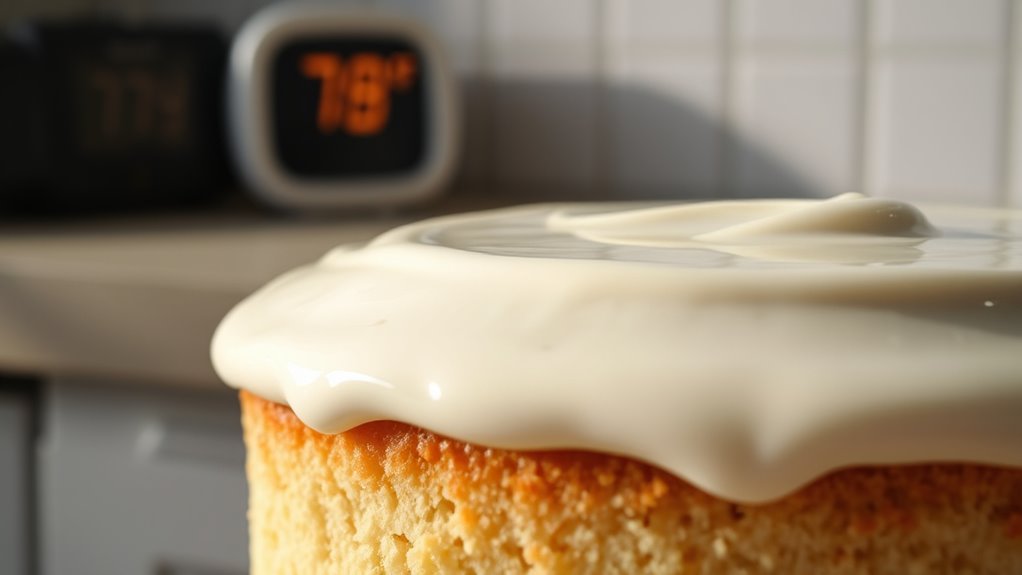
Frosting melts when exposed to higher temperatures because heat causes the fat and sugar in the icing to soften and lose their structure. This change directly impacts frosting consistency, making it runny or greasy. Your frosting’s temperature sensitivity is why even slight heat increases can cause it to loosen. When temperatures rise, the fats in butter or shortening melt, and the sugar dissolves more easily, weakening the overall structure. As a result, your beautifully piped frosting can turn into a sticky mess. Understanding this connection helps you appreciate why controlling temperature is vital for maintaining the right frosting consistency. Keeping frosting cool enough prevents it from melting, ensuring it stays firm and visually appealing on your baked goods. Proper storage techniques are essential for maintaining frosting stability and preserving its texture. Additionally, considering the heat transfer in your environment can help you better regulate the temperature and avoid unintended melting. For example, placing baked goods in a cool, shaded area or using insulated containers can help reduce temperature fluctuations, keeping your frosting intact longer. Being aware of how ambient conditions influence frosting stability can make a significant difference in achieving perfect decorations.
firstake Piping Bags and Tips Set – 100pcs Disposable Piping Bags, 12 Inch Icing Bags, Thickened Pastry Bags, Anti Burst Frosting Bags, Non-slip Cake Decorating Bags for Baking Cupcake and Cookies
【THICKENED PIPING BAGS AND TIPS SET】- Did your previous piping bag leaked? Are you afraid to squeeze? Not…
As an affiliate, we earn on qualifying purchases.
As an affiliate, we earn on qualifying purchases.
What Is the Right Temperature for Different Frostings?
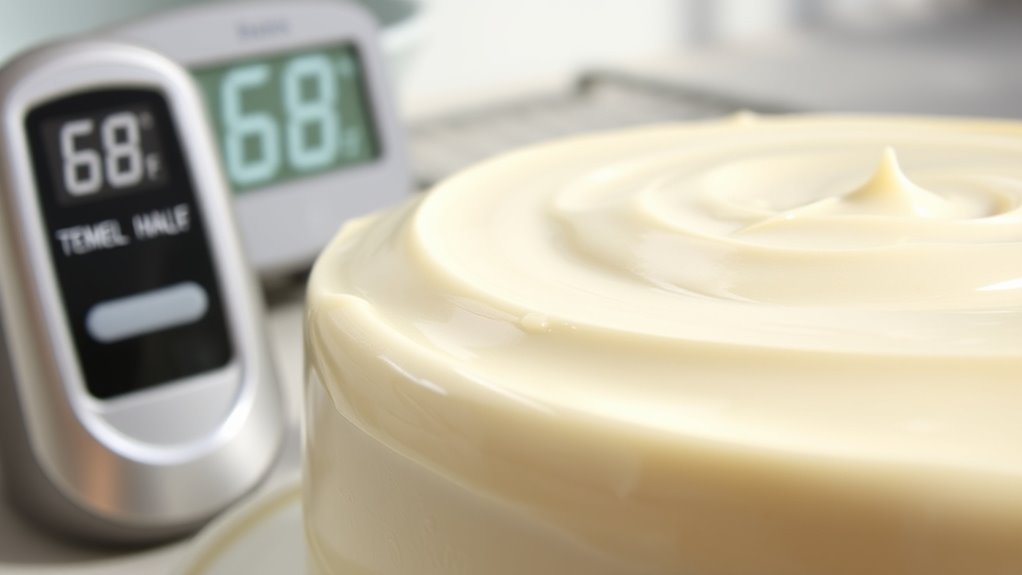
Maintaining the right temperature is key to guaranteeing your frosting stays perfect for decorating and serving. Typically, buttercream should be kept between 60-65°F (15-18°C), while cream cheese frosting works best around 40-45°F (4-7°C). For fondant, a cooler environment of 55-65°F (13-18°C) helps prevent melting. When making ingredient substitutions, like swapping butter for margarine or cream cheese for mascarpone, adjust your frosting’s temperature accordingly, as different fats respond uniquely to heat. Additionally, understanding frosting stability and how temperature affects it can help you make adjustments to keep your frosting looking and tasting great. For example, the type of frosting can significantly influence how sensitive it is to temperature changes. To prevent your frosting from melting during application, consider proper storage techniques, which are essential for maintaining optimal consistency. Proper temperature control is also critical for preventing ear wax odor or other unexpected scent issues that can occur if frosting is stored improperly or exposed to heat. Always chill your frosting if it becomes too soft during preparation. Using the right temperature ensures your frosting maintains its texture, supports your decorating efforts, and showcases your flavor choices beautifully.

AOZITA 20 Sets 32 oz Plastic Deli Food Containers With Lids, Airtight Food Storage Containers, Freezer/Dishwasher/Microwave Safe, Soup Containers For Takeout Meal Prep Storage
Value Pack: Receive 20 premium-quality deli storage containers in one comprehensive set, designed to meet all your deli…
As an affiliate, we earn on qualifying purchases.
As an affiliate, we earn on qualifying purchases.
How Warm Environments Make Frosting Slip
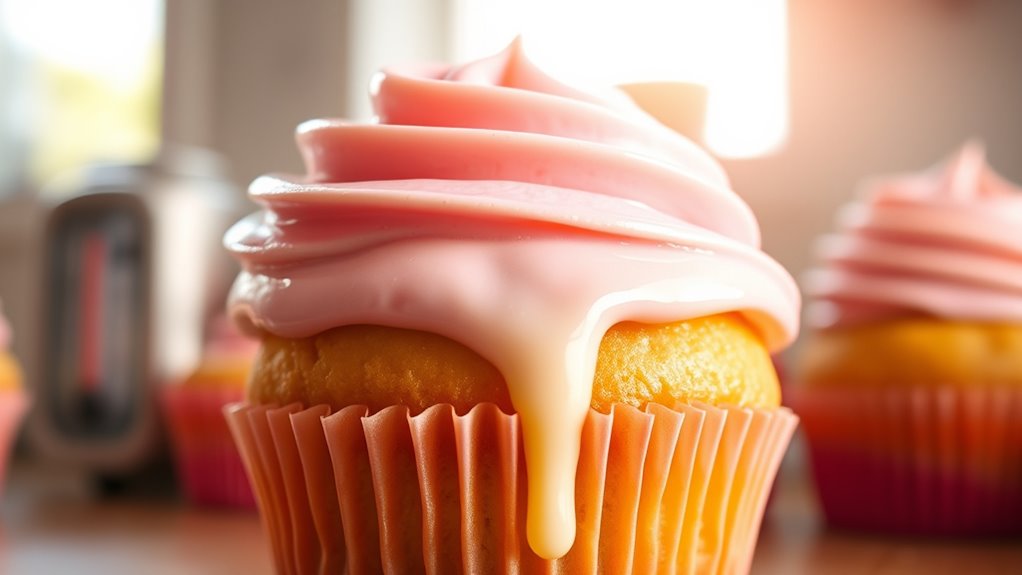
When the environment gets too warm, frosting can quickly become too soft and start to slip or slide off your baked goods. That’s because frosting consistency is highly affected by temperature sensitivity. As the heat rises, your frosting’s structure weakens, making it prone to sliding. To prevent this, consider these tips:
Warm environments soften frosting, causing it to slide off baked goods—keep it cool to maintain perfect texture.
- Keep your frosting chilled before applying to maintain firmness.
- Work in a cool, air-conditioned space whenever possible.
- Use stabilizers like cream cheese or butter to help it hold its shape longer.
- Being aware of temperature effects on frosting can help you better control its final appearance and texture.
- Additionally, understanding free floating techniques can assist in creating more resilient frosting designs that withstand warmer conditions.
- Properly managing ambient temperature during storage and presentation also plays a crucial role in preventing melting.
- Monitoring room temperature and making adjustments as needed can further help maintain frosting stability during decorating and serving.
- Employing storage tips such as refrigerating your frosting when not in use can significantly improve its firmness and prevent melting.
These steps help maintain the right frosting consistency and reduce the risk of melting. Understanding how warm environments impact frosting’s texture allows you to better control the final appearance of your baked treats.

Kootek 71PCs Cake Decorating Kit, Baking Supplies Tools – Includes Cake Stand Turntable, 12 Icing Piping Tips Set, 2 Frosting Spatulas, 3 Scrapers, 50+2 Piping Bags, Coupler, Video Tutorial, Booklet
All-in-One Cake Decorating Kit Supplies: Perfect for beginners & pros! Unsure which cake decorating tools to buy? This…
As an affiliate, we earn on qualifying purchases.
As an affiliate, we earn on qualifying purchases.
How Can You Tell If Your Frosting Is Too Warm or Cold?
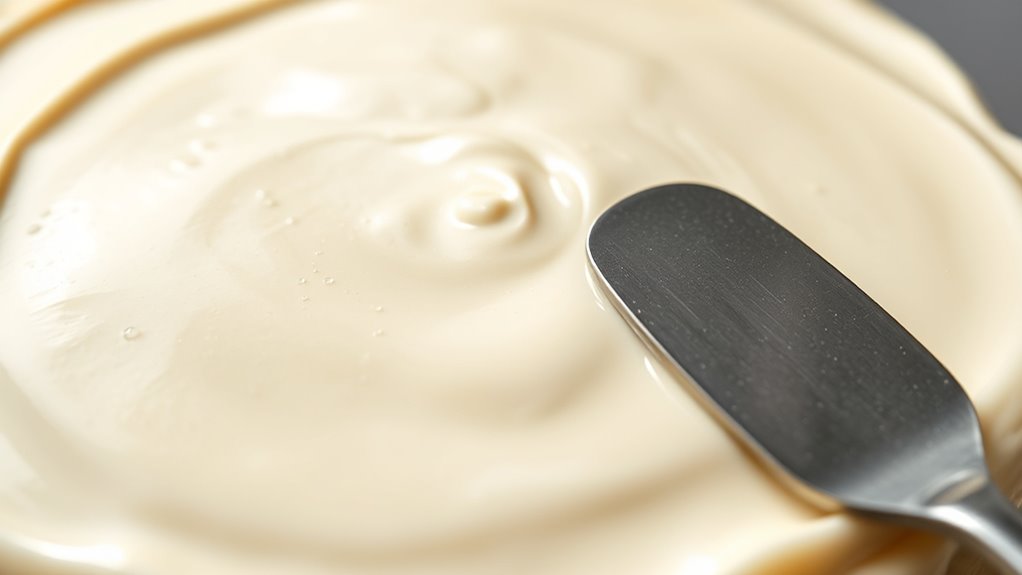
If you’re unsure whether your frosting is at the right temperature, paying attention to its touch and appearance can give you helpful clues. Frosting consistency changes with temperature—too warm, it becomes runny and difficult to spread; too cold, it feels stiff and crumbly. Temperature indicators include its texture and glossiness. Maintaining the proper personal transformation of your frosting can be achieved by adjusting its temperature accordingly. For instance, gentle warming or cooling can help you achieve the desired style and finish, making your frosting look more professional and appealing. Additionally, understanding the sound healing science behind consistent temperature control can enhance your baking experience by promoting a calmer, more focused approach. Recognizing these temperature cues can help you develop a more intuitive sense of frosting readiness, ultimately improving your baking results. By practicing mindful temperature regulation, you can better anticipate how your frosting will behave during application.
Quick Fixes When Frosting Melts During Decorating
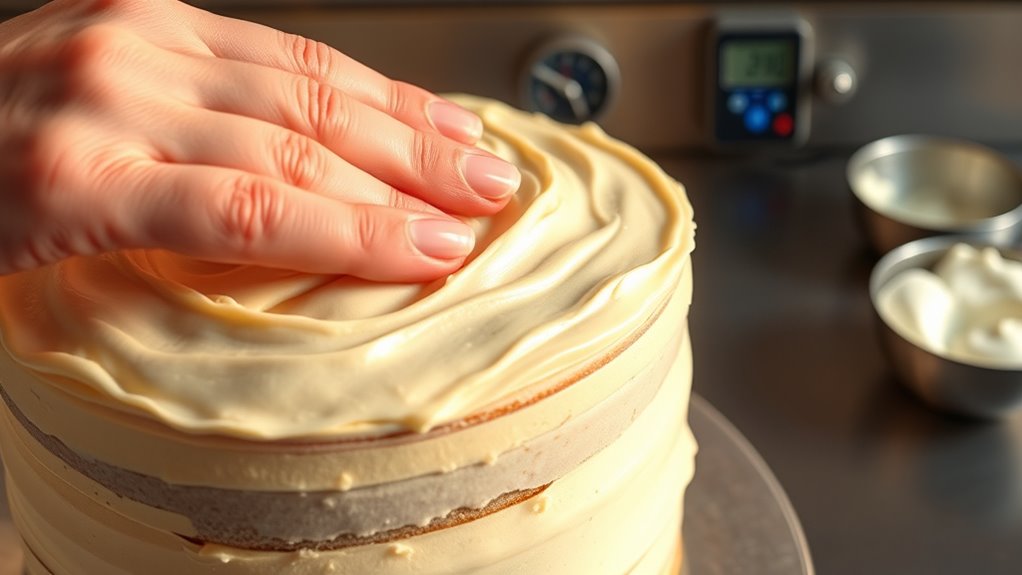
When your frosting starts to melt while decorating, quick chilling can safeguard the day. Use techniques like placing your bowl in the fridge for a few minutes or adding a small amount of powdered sugar to thicken it. Keeping the frosting at the right temperature ensures smooth, easy application and prevents further melting. Additionally, managing the ambient temperature in your workspace can help maintain optimal frosting consistency temperature control. Utilizing smart kitchen appliances such as smart thermostats or climate-controlled cabinets can further help regulate the environment, ensuring your frosting stays perfect during decorating.
Chilling Technique Tips
Frosting can quickly become a mess if it starts melting during decorating, but a simple chilling technique can often save the day. By managing temperature and improving frosting stability, you can keep it firm and easy to work with. Here’s what you should do:
- Place the decorated cake in the fridge for 10-15 minutes to firm up the frosting.
- Use an ice pack wrapped in a towel to gently cool the frosting surface, preventing melting.
- Keep your workspace cool and shaded to maintain proper temperature management during decorating.
- Consider insulating your cake with a chilled board or covering it with a damp cloth to help maintain a stable temperature and prevent melting. Proper temperature control is essential for achieving professional-looking results and avoiding melt-through during decorating.
- Monitoring ambient temperature levels closely can help you anticipate and prevent frosting melting before it starts. Additionally, choosing frostings with better stability can make a significant difference in hot or humid conditions.
These quick chilling steps help maintain the right consistency, making your frosting more stable and less prone to melting. Proper chilling ensures your decorations stay sharp and your frosting remains easy to pipe.
Proper Frosting Temperature
To quickly fix melting frosting during decorating, adjusting its temperature is essential. If your frosting is too warm, it becomes too soft, compromising its texture and making it hard to work with. Chill it in the refrigerator for about 10-15 minutes until it firms up without becoming too stiff. Proper frosting temperature helps maintain the ideal frosting texture, ensuring it’s firm enough to decorate smoothly while still holding its shape. Additionally, cooler frosting preserves flavor consistency, preventing it from becoming overly sweet or runny. Always start with room temperature ingredients and refrigerate if needed before decorating. Keeping your frosting at the right temperature allows for cleaner designs and a more professional finish, avoiding the mess that melted frosting can cause.
How to Chill and Store Frosting Properly
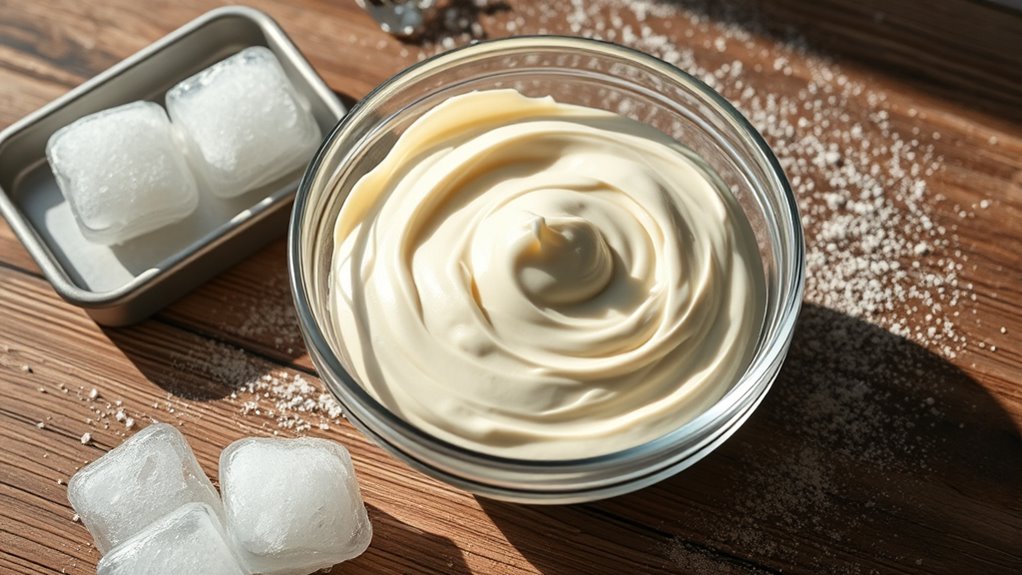
To keep your frosting fresh and easy to work with, you need to store it properly. Make sure you maintain a consistent temperature and use airtight containers to prevent moisture loss. Before applying, chill the frosting thoroughly to guarantee it stays stable and easy to spread.
Maintain Consistent Temperature
Maintaining a consistent temperature while chilling and storing frosting is essential to prevent it from becoming too soft or too stiff. Fluctuations can cause uneven texture and melting. To keep your frosting stable, focus on these key steps:
- Store in a cool, dry place away from direct sunlight to maintain room temperature stability.
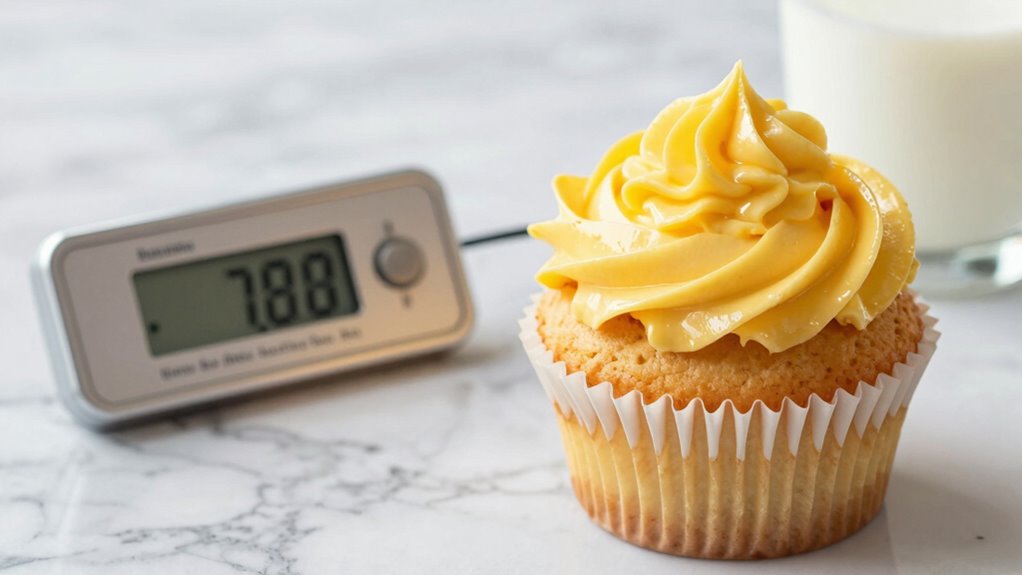
- Use a thermometer to monitor the storage environment, ensuring it stays within the ideal range.
- Control humidity by avoiding areas with high moisture, as excess humidity can alter frosting consistency.
Use Airtight Containers
Have you ever opened a container of frosting only to find it has absorbed unwanted odors or dried out? Using airtight containers is key to preserving frosting’s freshness. Airtight storage prevents moisture loss, keeping the frosting smooth and spreadable. It also protects against odors from other foods in your fridge, which can alter its flavor. Make sure to seal the container tightly after each use and avoid leaving the lid slightly open. Proper moisture control is essential—excess moisture can cause frosting to become runny, while too little can cause it to dry out. Investing in high-quality, airtight containers ensures your frosting stays fresh longer and maintains the ideal consistency. This simple step can considerably improve your frosting’s longevity and taste.
Properly Chill Before Use
Chilling frosting properly before use guarantees it’s at the right temperature for spreading or decorating. When you refrigerate your frosting, it maintains ideal frosting consistency and makes temperature adjustments easier. To get it just right, follow these steps:
- Cool It First: Chill your frosting for at least 30 minutes in an airtight container to prevent moisture loss.
- Check Consistency: If it’s too stiff, let it sit at room temperature for a few minutes; if too soft, refrigerate briefly.
- Stir Before Use: Mix well to ensure even temperature and texture, making it easier to achieve smooth, flawless results.
Proper chilling helps regulate frosting temperature, preventing melting and ensuring your decorations stay intact.
How to Temper Frosting Before You Decorate
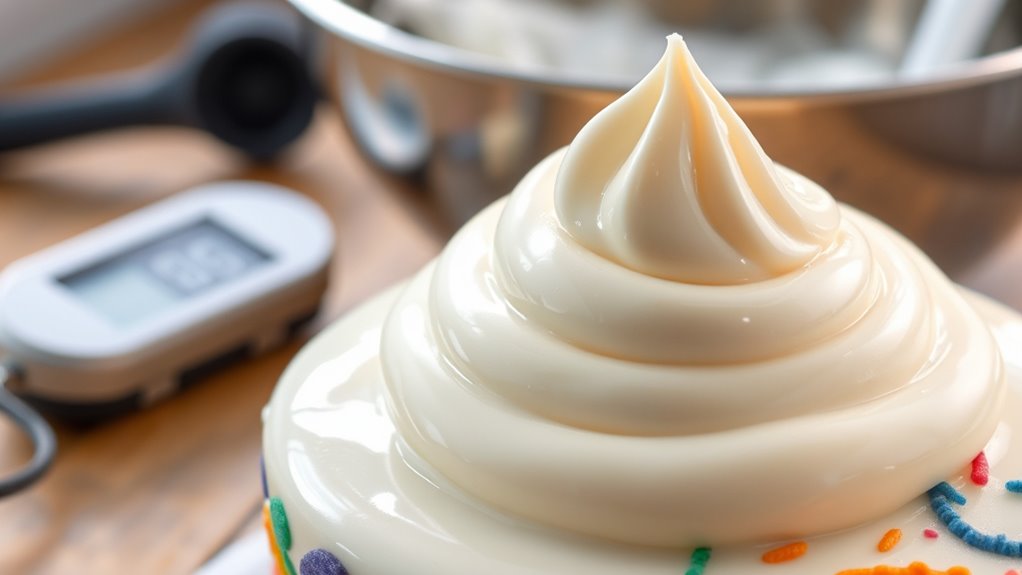
To guarantee your frosting is perfect for decorating, you need to temper it to the right temperature. Start by letting it sit at room temperature until it reaches a smooth, spreadable consistency. If it’s too cold, it’ll be stiff and difficult to work with; too warm, and it’ll be too soft and prone to melting. Use a gentle heat source, like a warm water bath, to gradually raise the temperature if needed. Stir frequently to maintain frosting consistency and ensure even warming. Avoid sudden temperature changes, which can cause separation or a loss of texture. Maintaining temperature stability is key to achieving a frosting that spreads smoothly and holds its shape. Proper tempering ensures your decorations stay sharp and your frosting looks flawless.
Using Temperature-Controlled Tools and Spaces
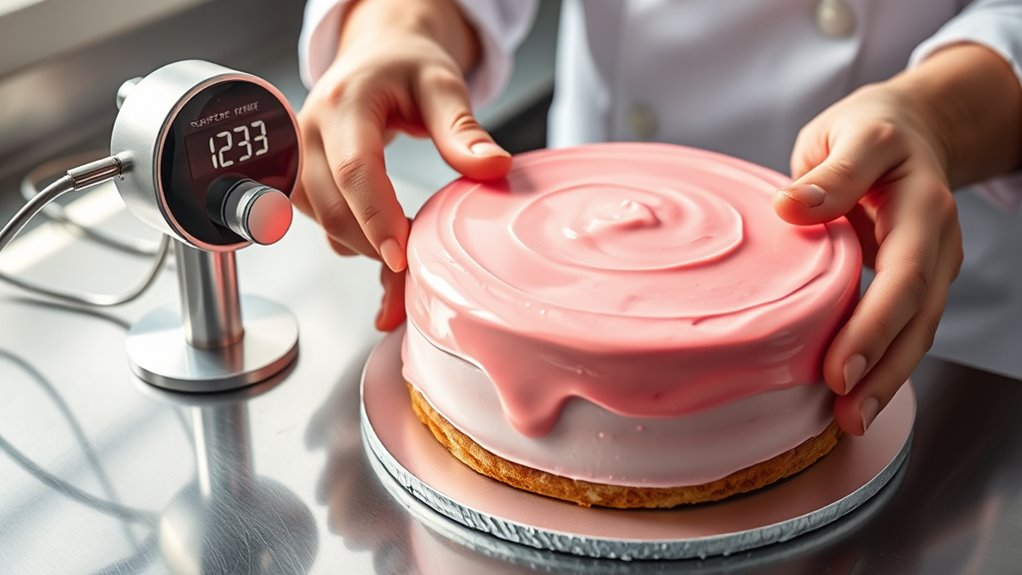
Using temperature-controlled tools and spaces helps maintain your frosting’s ideal consistency throughout the decorating process. Keeping your workspace at a stable ambient temperature prevents sudden melting or hardening. To do this effectively:
- Regularly check and maintain your tools’ temperature settings to avoid fluctuations that can affect frosting texture.
- Use climate-controlled rooms or portable coolers to keep the ambient temperature steady, especially in warm environments.
- Store your frosting in a cool, shaded area when not in use, ensuring it stays firm and workable.
Proper tools maintenance ensures consistent performance, while controlling ambient temperature minimizes unexpected melting. These steps help you achieve smooth, professional-looking decorations without frustration or mess.
Tips for Keeping Frosting Firm Over Time
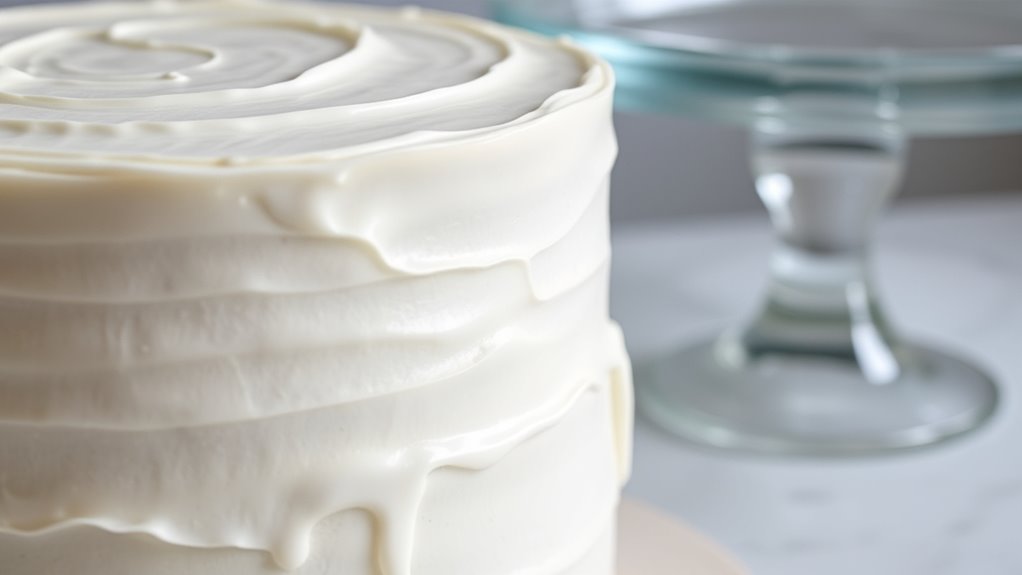
Keeping your frosting firm over time requires careful attention to ingredients and storage methods. To enhance frosting stability, use butter or shortening as your base, which naturally helps maintain firmness. Incorporate powdered sugar to add structure and prevent melting. Temperature control is essential; keep your frosting chilled until just before applying, and store it in an airtight container in the refrigerator. When ready to use, allow it to reach room temperature briefly, then re-whip if needed to restore smoothness. Avoid exposure to heat sources or direct sunlight, which can quickly compromise frosting stability. By managing temperature carefully and choosing the right ingredients, you ensure your frosting stays firm and appealing throughout your event. Proper storage and handling make all the difference in maintaining perfect frosting.
Frequently Asked Questions
Can Refrigerator Humidity Affect Frosting Consistency?
Yes, refrigerator humidity can affect frosting consistency. High humidity levels cause moisture to seep into the frosting, making it softer or even melting. Environmental factors like humidity effects influence how well your frosting holds its shape. To prevent this, keep your fridge at a consistent temperature and avoid opening it frequently. Using airtight containers also helps control humidity effects, ensuring your frosting stays firm and perfect for decorating.
Does Type of Sugar Influence Frosting Melting Point?
Your choice of sugar can totally change your frosting’s melting point! Using superfine sugar might make your frosting melt faster because it dissolves quicker, while powdered sugar, with its cornstarch, resists melting longer. Different sugars affect crystallization, which influences stability. If one sugar isn’t working, try an ingredient substitution—like switching to a sturdier type—to keep your frosting firm and beautiful, no matter how hot it gets.
How Do Different Fats in Frosting Impact Melting?
Different fats in frosting directly affect its melting behavior due to fats’ stability and melting point differences. For example, butter melts quickly at room temperature, causing frosting to soften or melt, while shortening has a higher melting point, offering better stability. Choosing fats with higher melting points helps your frosting stay firm longer, especially in warmer conditions. So, selecting the right fats guarantees your frosting maintains its shape and texture.
Can Ambient Humidity Cause Frosting to Melt Prematurely?
Yes, ambient humidity can cause frosting to melt prematurely. Humidity effects weaken frosting’s stability by introducing moisture that makes it softer and more prone to melting. If you’re in a humid environment, your frosting may become too soft quickly, especially if it’s buttercream or similar types. To keep your frosting firm, store it in a cool, dry place, and consider using stabilizers or refrigerating it before serving.
Are There Natural Ingredients That Resist Melting Better?
You can use natural ingredients that resist melting, such as beeswax or coconut oil, which act as natural preservatives and improve ingredient stability. Incorporating these into your frosting helps it stay firm longer, even in warmer conditions. You might also consider adding a small amount of gelatin or agar-agar for extra stability. These natural options work well to keep your frosting from melting, ensuring it stays fresh and presentable.
Conclusion
Think of your frosting as a delicate dance partner—trust the temperature to keep the rhythm steady. When you control the heat, you’re guiding the dance with confidence, ensuring it remains firm and beautiful. A little care turns chaos into harmony, letting your creativity shine through. Remember, mastering temperature is like holding the perfect tempo—keep it steady, and your frosting will always stay in step, ready to impress.