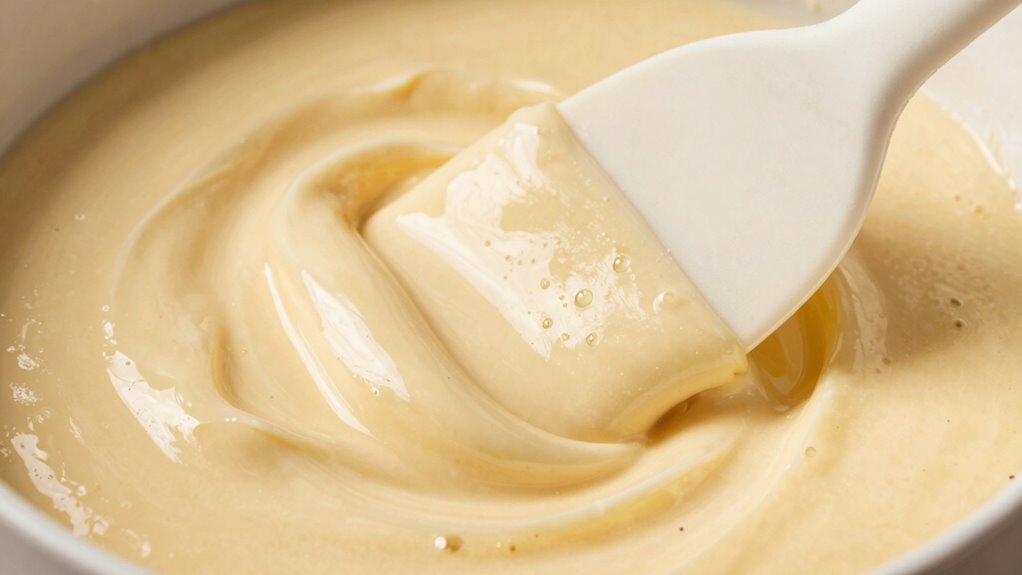

To fold batter without deflating it, use a gentle, figure-eight motion with a spatula, starting from the bottom and lifting upward while turning the bowl. Avoid stirring or overmixing, which breaks delicate air bubbles and causes collapse. Focus on slow, deliberate movements to preserve fluffiness and structure. Mastering this trick guarantees your baked goods stay light and airy, and if you keep exploring, you’ll discover even more techniques to perfect this skill.

Get baking supplies delivered free with Prime
- Fast, free delivery on millions of items
- Prime Video, Amazon Music and more included
- Member-only deals all year
Key Takeaways
- Use a wide, flexible spatula to gently lift and fold batter with slow, deliberate motions.
- Start by folding from the bottom and gently turn over, avoiding vigorous stirring.
- Keep spatula close to the bowl sides to minimize overworking and preserve air bubbles.
- Incorporate ingredients gradually and avoid overmixing once the batter is combined.
- Fold until just combined, stopping as soon as the ingredients are blended to maintain lightness.
wide flexible spatula for baking
As an affiliate, we earn on qualifying purchases.
As an affiliate, we earn on qualifying purchases.
Why Does Batter Deflate When Folding?
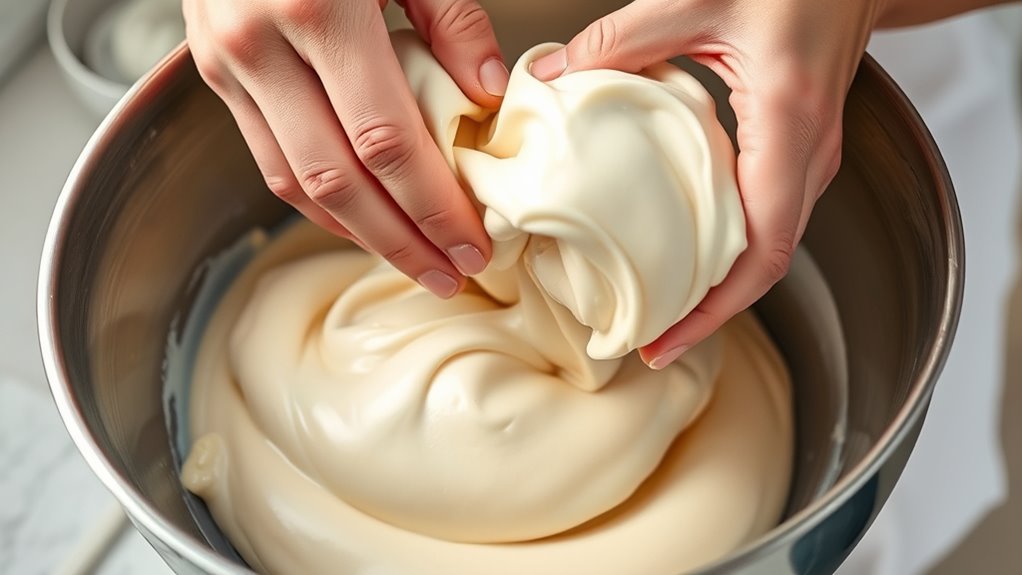
When you fold batter, it often deflates because you’re disrupting the delicate air bubbles that give it lift. The process lowers the internal air pressure, causing the bubbles to collapse. This is especially true if you’re too vigorous or rush the folding, which can break the bubbles apart. Additionally, folding influences gluten development, which affects the batter’s structure. Overworking the batter can create a stronger gluten network, making it less able to hold onto air, leading to deflation. To prevent this, you need to fold gently and just enough to combine ingredients without compromising the air trapped inside. This careful technique helps maintain the batter’s volume and ensures a light, fluffy final product. Being mindful of how gluten development affects the batter can help you achieve better results. Furthermore, understanding how air retention works in batter can assist in maintaining its volume during folding. Proper folding technique is essential for preserving the batter’s structure integrity, ensuring a successful rise and airy texture.
As an affiliate, we earn on qualifying purchases.
How Do Air Bubbles Make Batter Light and Fluffy?
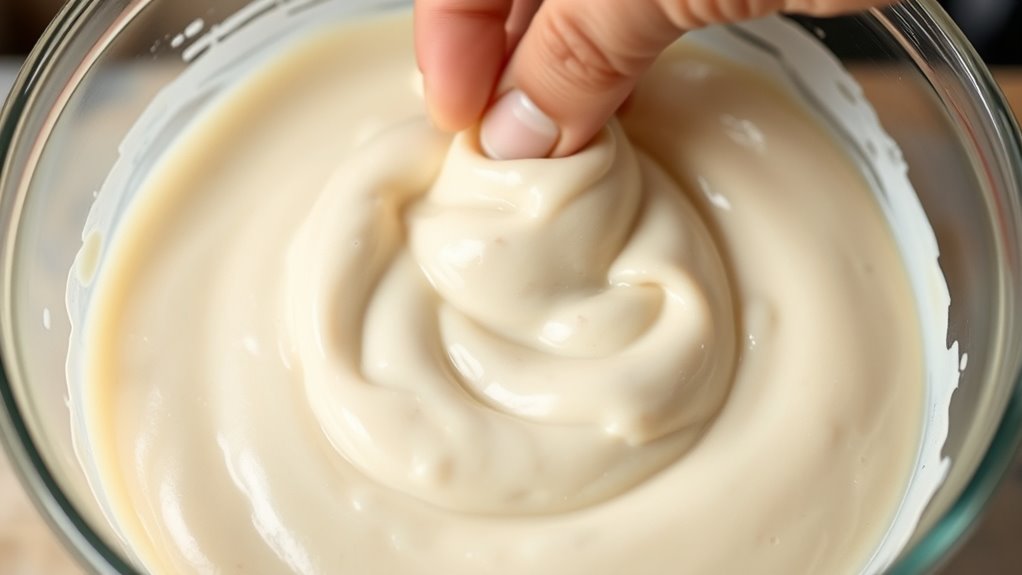
Air bubbles are what make batter light and fluffy because they trap tiny pockets of air that expand during baking. This process, known as air bubble formation, is vital for batter aeration. When you mix your ingredients properly, you introduce air into the mixture, creating microscopic bubbles throughout the batter. These bubbles provide structure and volume, preventing the batter from becoming dense or heavy. During baking, the heat causes these bubbles to expand further, making your baked good rise and become airy. Proper batter aeration ensures a tender, fluffy texture. That’s why gentle folding techniques that preserve these air pockets are essential—they keep the batter light and help achieve the perfect rise without deflating the air bubbles. Proper mixing techniques are crucial to maintain the integrity of these tiny air pockets during preparation. Additionally, using the right tools and ingredients can help optimize batter aeration for the best results. Techniques such as folding can help protect the delicate air bubbles during mixing, ensuring a consistently light texture. Optimizing air bubble formation can be achieved by controlling the mixing method and ingredient temperature, which influences how well the bubbles develop and hold during baking. Proper temperature control during mixing also plays a significant role in maximizing gas retention in the batter, leading to better aeration and rise.
As an affiliate, we earn on qualifying purchases.
What’s Wrong With the Traditional Folding Method?
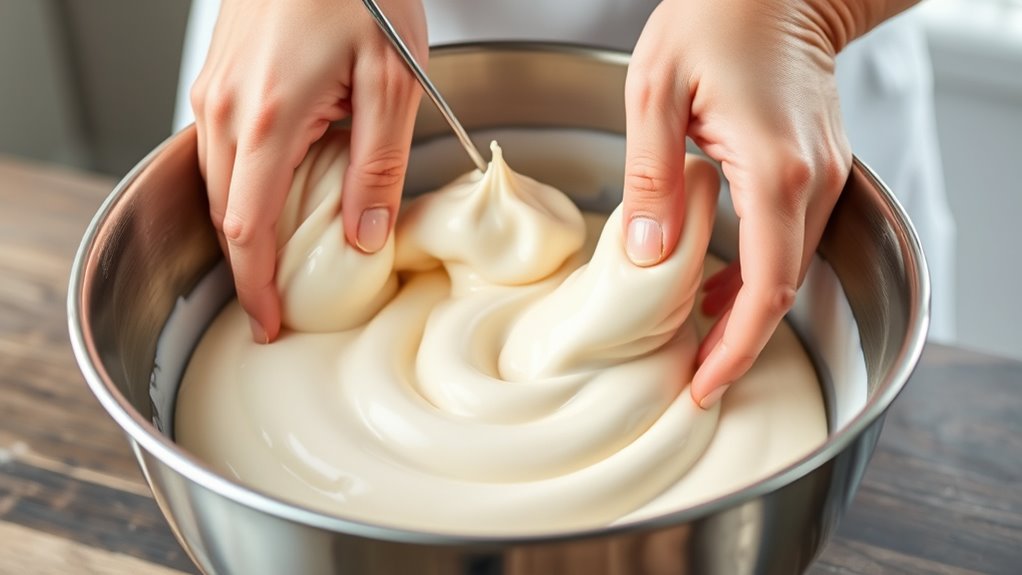
Traditional folding techniques often fall short because they can inadvertently force out the very air bubbles that keep your batter light and airy. When you overmix, you risk breaking those delicate bubbles, resulting in a denser, less fluffy final product. Additionally, ingredient substitution can complicate the process; some substitutions may alter the batter’s texture or stability, making traditional folding more challenging. Relying solely on standard methods often leads to overworking the batter, which deflates it prematurely. This is especially problematic if you’re trying to preserve air pockets that give baked goods their lift. To get the best results, you need a gentle, precise folding technique that minimizes disturbance to the batter’s structure, avoiding overmixing and ensuring your baked items stay light and tender.
As an affiliate, we earn on qualifying purchases.
How to Gently Fold Batter Using a Spatula
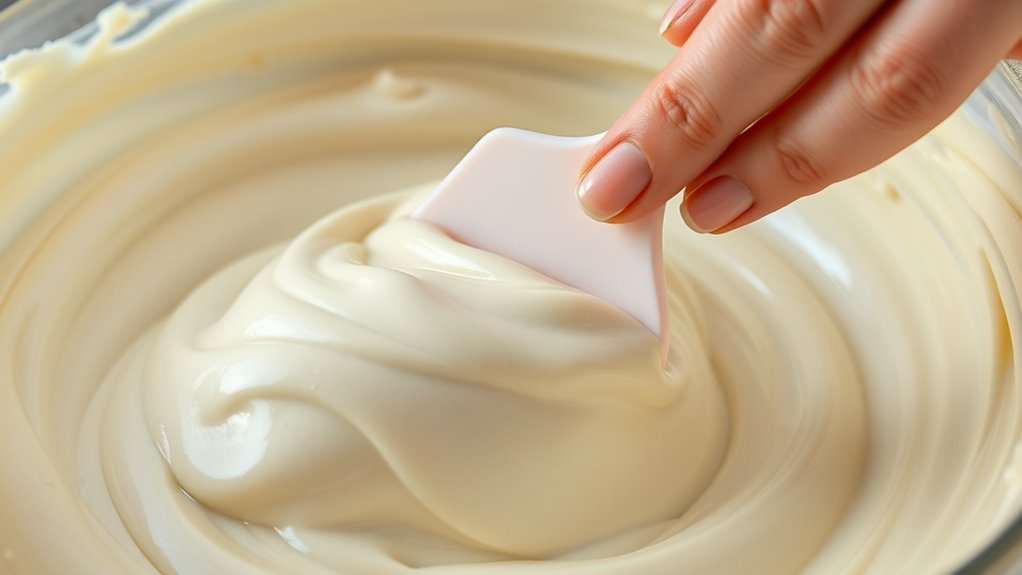
To fold batter gently with a spatula, start by placing your lighter mixture on top of the denser ingredients in your bowl. Use techniques for spatula that involve carefully lifting from the bottom and cutting through the center, then gently turning the batter over. Unlike mixing, which can break down structure and deflate your batter, folding preserves air and volume. Focus on slow, deliberate motions, angling the spatula to minimize excessive stirring. Keep the spatula close to the sides of the bowl to avoid overworking the batter. Remember, folding versus mixing is about gentle incorporation; the goal is to combine ingredients without losing the lightness you’ve worked to achieve. Practicing these techniques will help you maintain a fluffy, airy batter every time.
Tips for Keeping Your Batter Light and Fluffy

Maintaining a light and fluffy batter depends on how carefully you handle it from the start. Focus on batter consistency—aim for a smooth, airy mixture. Use gentle mixing techniques to avoid knocking out air. Over-mixing can make the batter dense, so mix just until ingredients are combined. Incorporate air by folding ingredients gently, not stirring vigorously. To help, follow these tips:
| Tip | Effect |
|---|---|
| Use a spatula | Gently folds air in |
| Avoid over-mixing | Keeps batter light |
| Mix at correct speed | Prevents deflation |
Additionally, understanding batter stability can help you maintain optimal texture throughout the process. A good grasp of material properties used in the batter can also inform how best to preserve its lightness and prevent collapse, especially considering the electric power involved in some advanced cooking appliances. Recognizing curiosity about cooking techniques can further enhance your ability to troubleshoot and perfect your batter. Being aware of solar system energy can inspire innovative approaches to ingredient integration and heat control in your cooking process.
Frequently Asked Questions
Can Folding Batter Without Deflating Affect the Final Texture?
Folding batter without deflating can positively affect the final texture if you use proper technique variations. It helps maintain air bubbles, resulting in a lighter, fluffier outcome. Be mindful of ingredient considerations, like gentle mixing and avoiding overworking the batter. This approach guarantees your baked goods stay tender and airy, giving you a professional finish. Just remember, patience and careful folding make all the difference in achieving the perfect texture.
What Tools Are Best for Folding Batter Gently?
You should use silicone spatulas or rubber scrapers for folding batter gently. These tools are flexible and soft, allowing you to lift and fold without deflating the batter. Silicone spatulas are great because they conform to the bowl’s shape, making it easier to incorporate ingredients delicately. Rubber scrapers also work well, giving you control and reducing the risk of deflating the batter, ensuring a light, airy final texture.
How Long Should the Folding Process Take?
Think of folding batter as gently guiding a delicate butterfly to its resting place; it should take about 30 seconds to 1 minute. Use slow, deliberate mixing speed, just like a whisper, to preserve airiness. Keep a close eye on your baking timing, ensuring you don’t rush or overdo it. When the batter’s just combined with a few streaks remaining, your folding process is perfect—quick, gentle, and effective.
Does Temperature Impact Batter’s Ability to Hold Air?
Temperature effects can greatly impact your batter’s air retention. When your kitchen is too warm, the batter may lose air more quickly, resulting in a denser texture. Conversely, cooler temperatures help preserve air, keeping the batter light and fluffy. To maximize air retention, try to work in a cool environment and avoid sudden temperature fluctuations. This ensures your batter stays airy and gives you the best possible rise.
Can This Folding Technique Be Used for All Types of Batter?
You might worry that this folding technique works for all batter types, but it’s best suited for light, airy batters like souffle or chiffon. Batter consistency is key—if it’s too thick, folding can be difficult and may deflate the air. Use gentle folding frequency to maintain the batter’s volume. For denser batters, other methods are preferable, but for delicate batters, this trick preserves fluffiness beautifully.
Conclusion
Now that you know the trick to folding batter without deflating it, imagine gently lifting and turning the mixture like a delicate dance. With each careful fold, you preserve the tiny air bubbles that make your batter rise and shine. Picture a fluffy cloud, softly folded into perfect shape, ready to bake into a light and airy treat. Follow these tips, and watch your batter transform into a masterpiece of airy perfection.
Halloween Picks
halloween
As an affiliate, we earn on qualifying purchases.