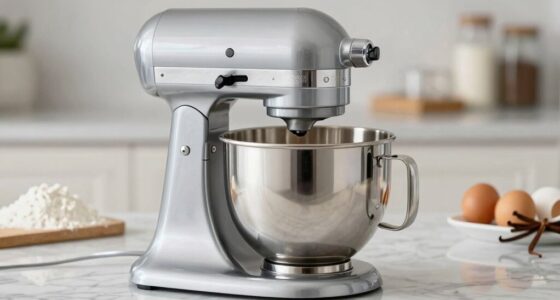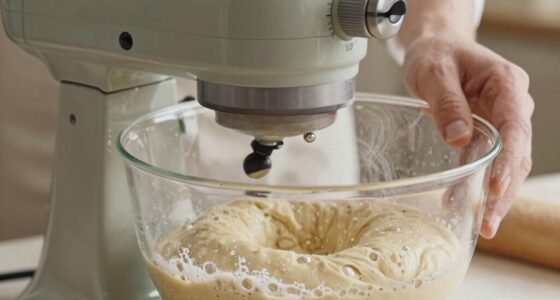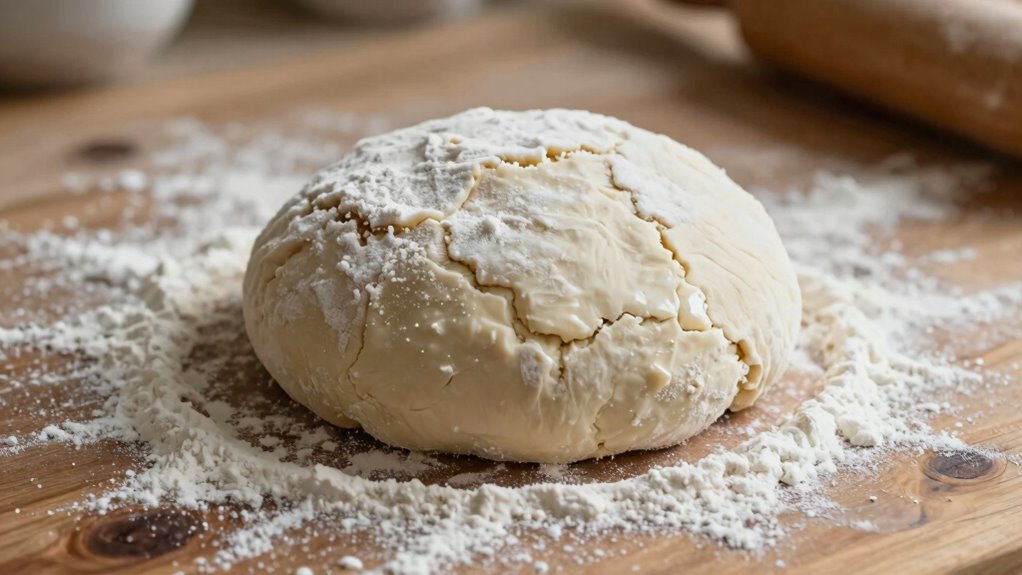
Adding more flour to dough might seem like a quick fix for stickiness, but it often weakens gluten and results in tougher, denser baked goods. Instead of rushing to flour, focus on kneading properly to develop gluten, which gives your dough strength and elasticity. Consider adjusting hydration or using higher-protein flours to improve structure. If you want to avoid common pitfalls and learn how to perfect your dough, stick with these tips for better results every time.
Key Takeaways
- Adding more flour prematurely can weaken gluten and make baked goods denser and tougher.
- Proper gluten development through adequate kneading reduces the need for extra flour.
- Moisture and humidity levels influence dough stickiness; adjust ingredients and environment accordingly.
- Using higher-protein flours or moisture-absorbing ingredients enhances dough elasticity without over-flouring.
- Focus on technique and ingredient adjustments instead of adding flour to fix sticky dough issues.

If your dough feels sticky or overly soft, you might think it needs more flour, but that’s not always the case. Often, the real issue lies in gluten development. When you’re kneading dough, you’re encouraging gluten strands to form, which give the dough its structure and elasticity. If you add more flour prematurely, you might inadvertently weaken this process, resulting in a denser, tougher baked good. Instead, try kneading a bit longer to promote proper gluten formation. It’s a fine balance—over-kneading can also impact texture, but generally, a few extra minutes can help develop the right amount of gluten, making your dough easier to work with without adding unnecessary ingredients.
Sometimes, ingredient substitutions can help you achieve the perfect dough without reaching for more flour. For example, if your dough is too sticky, incorporating a small amount of cornstarch or potato starch can absorb excess moisture without diluting the flavor or weakening gluten. Alternatively, using bread flour instead of all-purpose flour provides higher protein content, which naturally enhances gluten development. This shift can give your dough more strength and elasticity, allowing it to hold together better even if it feels a bit soft initially. Similarly, adding a splash of oil or using a different type of fat can improve dough elasticity and reduce stickiness. These substitutions often address the root cause—excess moisture or weak gluten formation—rather than just masking the problem with more flour. Understanding gluten development and making thoughtful ingredient substitutions can help you perfect your dough.
Using bread flour, starches, or fats can improve dough elasticity and address moisture issues naturally.
Keep in mind that humidity and temperature also influence dough consistency. On humid days, dough tends to be stickier because of the extra moisture in the air. Instead of adding flour, you can try adjusting your environment—working in a cooler, less humid space or covering your dough while it rests. This allows the gluten to develop more evenly and helps control moisture absorption. If you’re following a recipe, it’s worth noting that different flours absorb moisture differently; some may require slightly less or more liquid. Making small ingredient substitutions based on your specific situation—such as switching to a higher-protein flour or adjusting hydration levels—can improve your results without the need for additional flour.
Understanding gluten development and making thoughtful ingredient substitutions can help you perfect your dough. Instead of automatically reaching for more flour, consider kneading time, moisture levels, and alternative ingredients. These adjustments often lead to a more elastic, manageable dough that bakes up beautifully, saving you from the common mistake of over-flouring and ending up with a dense, tough finished product.

King Arthur Unbleached Organic Bread Flour – High Protein 12.7% for Lofty Yeasted Breads,Non-GMO, Kosher Certified – Premium Baking Flour,Artisan Loaves, Pizza Dough,and Sourdough (5 lbs) (Pack of 2)
The information below is per-pack only
As an affiliate, we earn on qualifying purchases.
As an affiliate, we earn on qualifying purchases.
Frequently Asked Questions
How Can I Tell if My Dough Has the Right Consistency?
To tell if your dough has the right consistency, check its elasticity and texture. When you knead, it should feel slightly tacky but not sticky. Use proper kneading techniques to develop gluten, making the dough smooth and elastic. If it springs back when pressed gently, it’s well kneaded. Adjust with small amounts of flour or water if needed, but avoid overdoing it, which can make your dough tough.
Does Adding More Flour Affect the Dough’s Flavor?
A little extra flour can subtly influence your dough’s flavor, often softening or dulling its natural taste, so be cautious. While it helps improve baking performance by preventing stickiness, too much may lead to a drier texture and less pronounced flavor. To maintain the best balance, add flour gradually, tasting as you go. This way, you guarantee your dough’s flavor remains vibrant while achieving the perfect consistency.
What Alternatives Exist to Adding More Flour?
Instead of adding more flour, you can knead the dough longer to develop gluten, which improves texture without changing flavor. You might also incorporate ingredients like oats or whole wheat for added nutritional content, which can absorb moisture and help balance the dough’s consistency. These alternatives preserve flavor, promote gluten development, and boost nutritional value, making your dough better without sacrificing taste.
How Does Humidity Influence Dough Texture?
Imagine your dough as a delicate sailboat, where humidity impact is the wind shaping its journey. When humidity rises, it adds moisture to your dough, making it softer and more pliable. Conversely, low humidity dries out the dough, causing it to become stiff and difficult to work with. Understanding this balance helps you control dough moisture, ensuring perfect texture—neither too sticky nor too tough—regardless of the weather.
Can Over-Flouring Ruin My Dough?
Yes, over-flouring can ruin your dough by reducing its elasticity and making it tough. When you add too much flour, it absorbs moisture, leading to a denser texture and less pliability. To avoid this, sprinkle flour gradually and knead gently. This helps maintain proper dough elasticity and prevents it from becoming dry or overly stiff, ensuring your baked goods turn out light and tender.

Ecavria Bench Scraper, Premium Stainless Steel Dough Scraper with 2 PCS Flexible Bowl Scraper, Dough Cutter with Measuring Scale, Versatile Kitchen Scraper Set for Pastry Bread Pizza Cake
[PRACTICAL SCRAPER SET]: Ecavria kitchen scraper set contains 1 pc 6.6*4.7 inches stainless steel bench scraper and 2…
As an affiliate, we earn on qualifying purchases.
As an affiliate, we earn on qualifying purchases.
Conclusion
So, next time your dough feels sticky or stubborn, don’t rush to add more flour. It might just be a sign to let it rest or knead a little longer. Over-flouring can toughen your baked goods and ruin the texture. Trust the feel of the dough—sometimes, patience and proper technique beat the urge to fix it with extra flour. Your perfect crust is just a few mindful steps away.

Honinst Stand Mixer, 6.5QT 10-Speed Tilt-Head Electric Stand Mixer, 3-In-1 Kitchen Mixer with Bowl, Dough Hook, Whisk and Beater, Food Mixer for Baking, Cake and Most Home Cooks, Red
【Pure copper motor & 10 Speed Control】Powerful pure copper motor with multi-speed adjustment and 6.5QT bowl, access to…
As an affiliate, we earn on qualifying purchases.
As an affiliate, we earn on qualifying purchases.
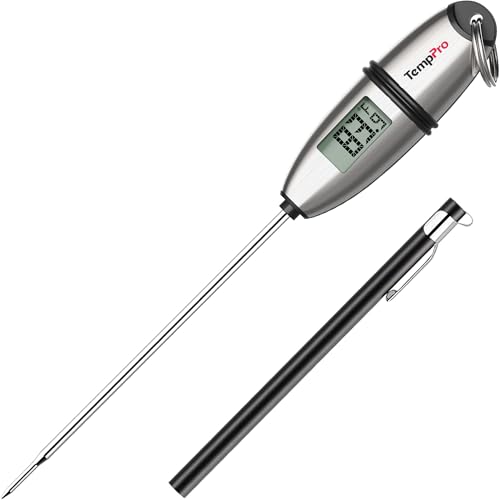
TempPro TP02S Digital Food Thermometer for Cooking Bread Baking Sourdough Liquids, Meat Thermometer Digital with Super Long Probe for Kitchen BBQ Yogurt Candy Making Accessory (Previously ThermoPro)
Fast and Accurate Reading: Kitchen thermometer for cooking features a 1 to 3 second readout speed and high…
As an affiliate, we earn on qualifying purchases.
As an affiliate, we earn on qualifying purchases.