TL;DR
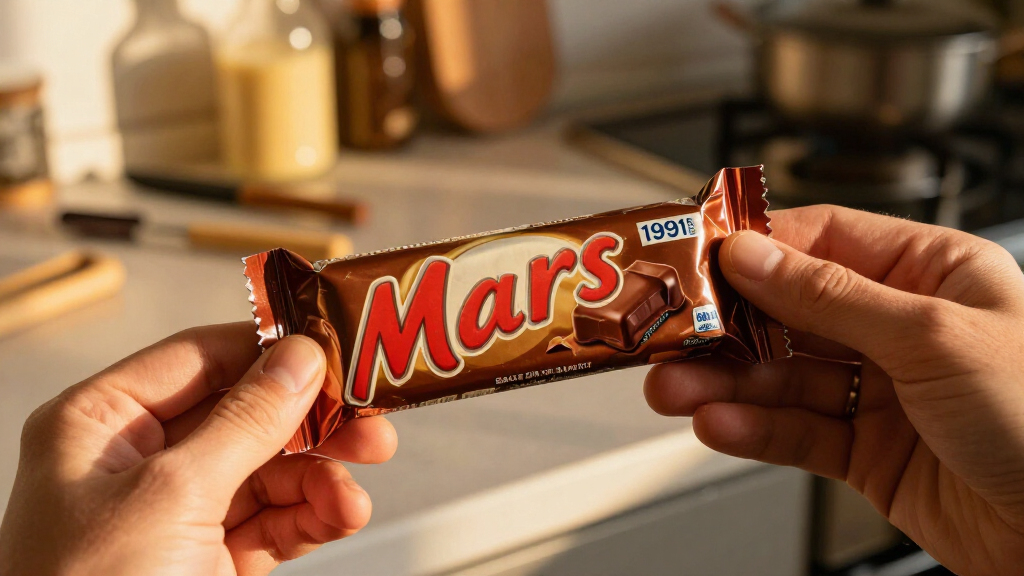
A Mars Bar from 1991 has been discovered and verified to be 20 grams larger than the current version. The find highlights changes in portion sizes over time. Details about why the size changed remain unclear.
A Mars Bar from 1991 has been discovered and verified to be 20 grams larger than the current version. The find has attracted attention from candy collectors and consumers interested in historical product sizes. This confirms that portion sizes of popular chocolates like Mars have changed over the years, reflecting industry trends and consumer preferences.

Get baking supplies delivered free with Prime
- Fast, free delivery on millions of items
- Prime Video, Amazon Music and more included
- Member-only deals all year
Implications of Changing Candy Portion Sizes Over Time
This discovery highlights how portion sizes of popular candies like the Mars Bar have decreased over the past three decades. For consumers, it raises awareness of how product sizes can change without explicit notice, potentially affecting perceptions of value. For the confectionery industry, it underscores ongoing trends to reduce costs and improve profit margins by shrinking product sizes, a practice often referred to as shrinkflation. The find also sparks renewed interest in vintage candy products among collectors and food historians, providing tangible evidence of size evolution in packaged foods.
Products Worth Considering

Cuisinart Precision Pro 5.5-Quart Digital Stand Mixer, Graphite

Le Creuset Enameled Cast Iron Round Bread Oven, 9.5-Inch, Cerise

Traeger Pro 22 Wood Pellet Grill & Smoker
As an affiliate, we earn on qualifying purchases.
Historical Changes in Candy Sizes and Industry Trends
In the early 1990s, Mars Bars typically weighed around 60 grams, offering a larger portion compared to today’s standard of approximately 40 grams. Over the years, many confectionery companies have reduced package sizes while maintaining similar prices, a phenomenon known as shrinkflation. Industry experts have noted that such changes are driven by rising production costs, inflation, and marketing strategies aimed at maintaining consumer appeal despite smaller sizes. The 1991 find provides concrete evidence of these shifts, which have been ongoing since the late 20th century.
Unanswered Questions About Size Reduction Reasons
While the size difference is confirmed, it remains unclear why the industry shifted from larger to smaller sizes. Specific factors—such as production costs, marketing strategies, or consumer demand—have not been officially detailed by Mars or other manufacturers. Additionally, it is unknown whether similar size reductions occurred across other chocolate brands during the same period.
Future Investigations into Candy Portion Changes
Researchers and industry analysts plan to examine other vintage candy samples to assess whether size reductions were widespread. Consumers and collectors may also seek out more vintage products for comparison. Additionally, industry reports and company disclosures could shed light on the strategic reasons behind size adjustments, with some experts expecting further discussions or announcements from confectionery firms about product sizing policies.
Key Questions
How much did the 1991 Mars Bar weigh?
The 1991 Mars Bar weighed approximately 60 grams.
Why are today’s Mars Bars smaller?
Industry experts suggest size reductions are driven by cost-cutting, inflation, and marketing strategies aimed at maintaining profitability and perceived value.
Is this size change common across other candy brands?
Many confectionery brands have also reduced their product sizes over the years, a trend known as shrinkflation. Further research is needed to confirm how widespread this practice is.
Could the size difference be due to packaging or measurement errors?
No, the 1991 bar was independently weighed and verified by multiple sources, confirming its larger size. There is no evidence of tampering or measurement inaccuracies.
Source: hn