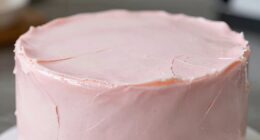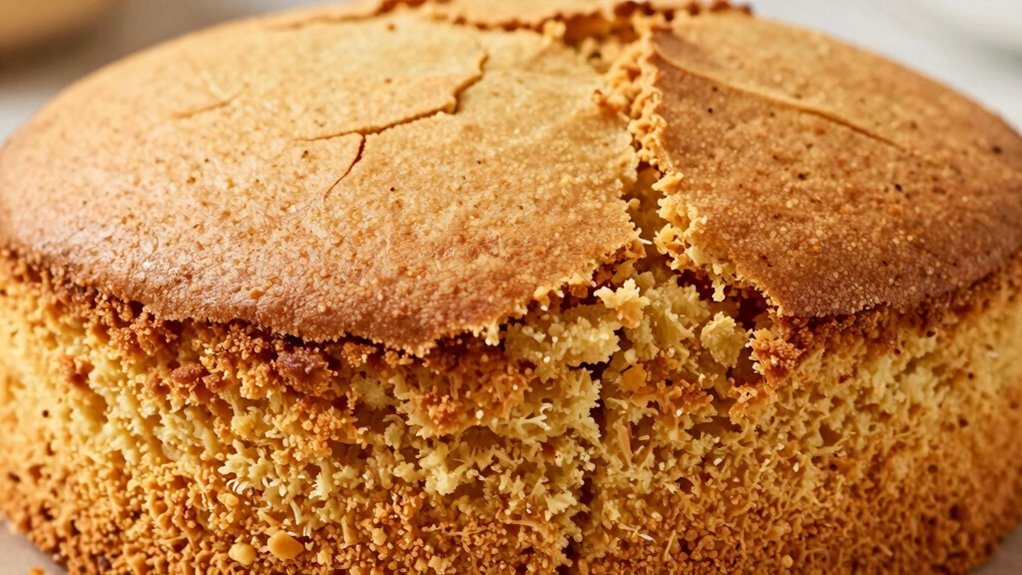

Your cake likely crumbles when you frost it because it hasn’t been stored properly, causing it to dry out or become too soft. Temperature issues with your frosting, like making it too cold or warm, can also make it difficult to spread evenly without cracking. Applying thick layers or rushing the process can pull apart the cake’s structure. Stick around to discover how proper storage, temperature control, and technique can help you achieve a smoother finish.
Key Takeaways
- The cake may be too dry or crumbly due to improper storage, causing it to break apart during frosting.
- Frosting that is too cold or stiff can pull on the cake surface, leading to crumbling when applied.
- Applying too thick or uneven layers of frosting can stress delicate or crumbly cake textures.
- Not sealing in crumbs with a crumb coat can cause loose crumbs to mix with frosting, making the cake crumble.
- Handling or frosting a cake before it’s properly cooled or moisture-balanced can weaken its structure, resulting in crumbling.
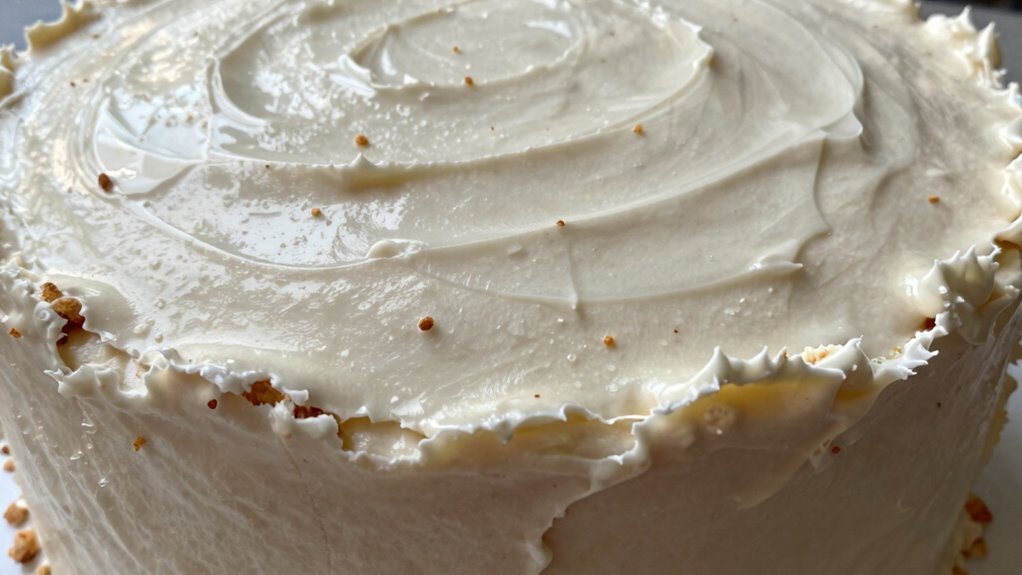
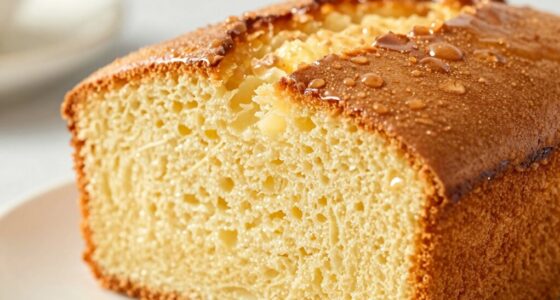
Frosting a cake that crumbles can be frustrating, but often the problem lies in how the cake was baked or prepared beforehand. One common mistake is neglecting proper cake storage. If your cake isn’t stored correctly, it can dry out or become too soft, both of which make frosting difficult to apply smoothly. Ideally, you want to store your cake in an airtight container or wrap it tightly in plastic wrap after it cools completely. This helps retain moisture and keeps the cake firm enough to handle without crumbling. If the cake is overly dry, the frosting may not adhere well, causing it to crack or fall apart when you try to frost it. Conversely, if it’s too moist or greasy, the frosting might slide off or cause uneven textures. Paying attention to how you store your cake guarantees it maintains the right consistency for frosting.
Frosting temperatures also play a vital role. If your frosting is too cold, it will be thick and difficult to spread evenly, increasing the risk of tearing or crumbling the cake’s surface. On the other hand, if it’s too warm, it can become too runny, causing it to slide off or leave a messy, uneven coating. To prevent this, aim to work with frosting at a moderate temperature—around room temperature or slightly chilled. If your frosting has been refrigerated, let it sit out for 10-15 minutes to soften slightly before applying. This allows for smoother spreading and better adherence to the cake’s surface. Using the right frosting temperature is especially important when working with delicate or crumbly cakes, as it helps create a stable, uniform layer without damaging the cake’s structure.
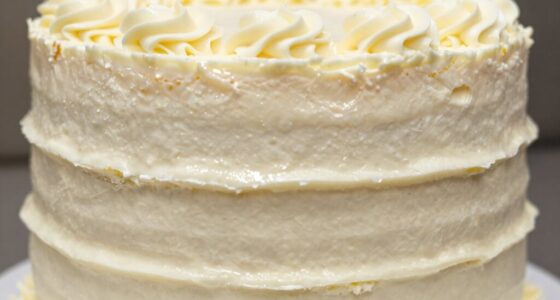
Additionally, the way you apply the frosting matters. Start with a thin crumb coat, which helps seal in crumbs and provides a stable base for the final layer. If the cake is crumbly, applying thick layers of frosting can pull apart the cake’s surface. Ensure your frosting is at the right consistency—neither too stiff nor too runny—and use gentle, even strokes. Using the correct cake storage methods and managing frosting temperatures aren’t just small details—they’re essential steps that greatly reduce the chances of your cake crumbling during frosting. When you get these basics right, you’ll find frosting becomes much easier, and your finished cake will look better and hold together more reliably.
Frequently Asked Questions
Can Using Too Much Frosting Cause the Cake to Crumble?
Yes, using too much frosting can cause your cake to crumble. When you apply an excessively thick layer, it adds weight and can weaken the cake’s structure, especially if the cake isn’t moist enough to support it. Maintaining proper frosting thickness helps balance the cake’s moisture levels, preventing it from becoming too dry or fragile. Be sure to spread frosting evenly and avoid overloading the cake to keep it intact.
Does the Type of Cake Affect Its Frosting Stability?
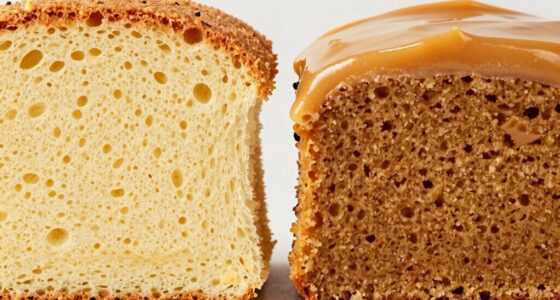
Ah, in the grand scheme of cake artistry, your choice of cake definitely influences frosting stability. Heavier, denser cakes like pound cakes or fruitcakes tend to hold frosting better than airy, delicate sponges. The cake’s density and ingredient variation impact how well your frosting adheres, preventing crumbling. So, select a sturdy cake type suited for your frosting consistency, and you’ll avoid those crumbly disappointments—just like a well-coded vintage app, it’s all about balance.
How Does Humidity Influence Cake Crumbling When Frosting?
Humidity effects can cause your cake to crumble when frosting because excess moisture disrupts the moisture balance, making the cake too soft or sticky. High humidity can soften the crumb, leading to unstable frosting adhesion and crumbling. To prevent this, keep your cake in a cool, dry place, and consider refrigerating if humidity is high. Maintaining proper moisture balance guarantees your cake stays firm, smooth, and easy to frost without crumbling.
Should I Refrigerate the Cake Before Frosting?
Yes, you should refrigerate the cake before frosting. Proper cake storage helps it stay firm, making it easier to frost smoothly. Make certain the frosting temperature is just right—not too cold or warm—so it spreads evenly. Chilling the cake slightly also reduces crumbling, especially if your cake is moist or delicate. This step creates a better surface, preventing crumbling when you apply your frosting, resulting in a cleaner, more professional finish.
Can Overbaking Make a Cake More Prone to Crumbling?
Yes, overbaking can make your cake more prone to crumbling. When you bake at too high a temperature or for too long, the cake becomes dry and crumbly. To prevent this, keep your baking temperature consistent and make sure your ingredients are fresh. Properly baked cakes retain moisture, making them easier to frost and less likely to fall apart. Always check for doneness to avoid overbaking and crumbling issues.
Conclusion
Understanding why your cake crumbles when you frost it can save you time and frustration. Did you know that over 60% of bakers experience this issue at some point? By ensuring your cake is properly cooled and using the right frosting consistency, you can achieve a smooth, professional finish. Remember, patience and attention to detail make all the difference. With these tips, your next cake will be perfectly crumb-free and beautifully frosted.