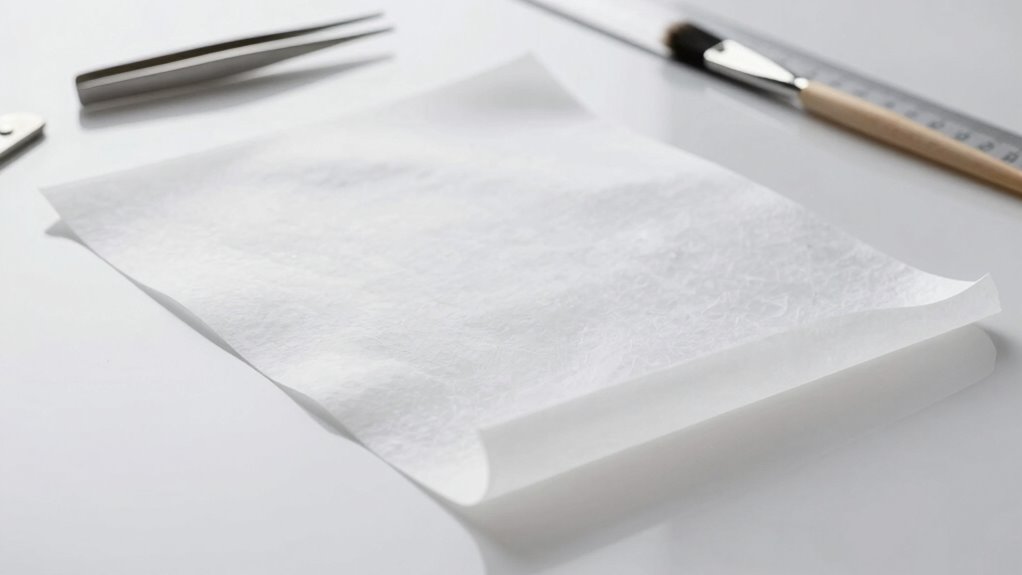

To prevent wafer paper from curling, store it flat in airtight containers with silica gel packs to control moisture. Handle it with clean, dry hands or gloves, and use sharp tools for cutting to avoid unnecessary curling. Work in a stable environment with low humidity and consistent temperatures, and apply gentle pressure when smoothing or attaching. For more tips on keeping your wafer paper flat and perfect, explore further techniques that help maintain its smooth, professional look.

Get baking supplies delivered free with Prime
- Fast, free delivery on millions of items
- Prime Video, Amazon Music and more included
- Member-only deals all year
Key Takeaways
- Store wafer paper flat in airtight containers with silica gel packs to prevent moisture absorption.
- Handle with clean, dry hands or gloves, and cut with sharp tools to avoid curling during shaping.
- Work in a controlled environment with stable temperature and humidity levels.
- Use a warm iron or heavy book with parchment paper to gently flatten minor curls before application.
- Choose high-quality, moisture-resistant wafer paper designed for smooth, flat decorations.
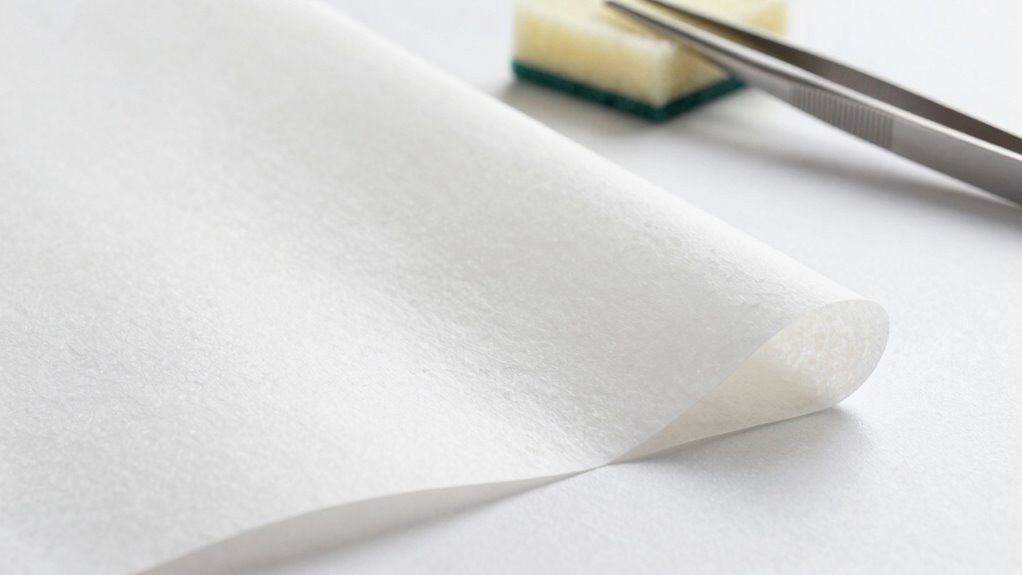
Have you ever wondered why wafer paper tends to curl, ruining your beautiful cake decorations? It’s a common frustration, especially when you’re trying to create a smooth, eye-catching edible decoration. Curling often happens because of moisture imbalance or improper handling, but understanding how to prevent it can save your designs from disaster. One key aspect is mastering packaging techniques. When you store wafer paper, keep it flat and protected from humidity. Use airtight containers or resealable plastic bags, and consider adding silica gel packs to absorb excess moisture. Proper packaging not only preserves the wafer paper’s flatness but also prolongs its shelf life, ensuring your decorations stay pristine until you’re ready to use them. Additionally, selecting high-quality wafer paper can significantly reduce curling issues because it is more resistant to moisture and warping. Using proper storage techniques is essential in maintaining the integrity of your wafer paper over time.
Store wafer paper flat in airtight containers with silica gel to prevent curling and preserve its smooth appearance.
When working with wafer paper, always handle it carefully. Use clean, dry hands or gloves to avoid transferring oils or moisture, which can lead to curling or warping. Before cutting or shaping, lay the wafer paper flat on a smooth surface. If you need to cut intricate designs, do so gently with a sharp scissors or craft knife—rushing or applying too much pressure can cause unwanted curls. After cutting, if you notice the edges lifting or curling, gently flatten them by placing a clean piece of parchment paper over your work and applying light, even pressure with a warm iron or a heavy book. This technique helps smooth out minor curls and keeps your edible decoration looking professional. Proper storage techniques also help prevent moisture absorption that causes curling over time. Moreover, maintaining a controlled environment with stable temperature and humidity levels can further prevent curling and warping. Ensuring that your workspace is well-ventilated can also reduce humidity build-up, which affects wafer paper stability.
Another effective tip is to work in a controlled environment. Avoid high humidity or drastic temperature changes, as these factors can cause wafer paper to absorb moisture or dry out unevenly. If you’re in a humid climate, consider using a dehumidifier or working in an air-conditioned room. When applying wafer paper to cakes, use a small brush or air blower to gently press it into place, minimizing the risk of curling at the edges. If you’re applying it as a topper or cutout, do so when your cake is at room temperature, not straight from the refrigerator, because temperature fluctuations can also cause curling. Maintaining a stable environment is crucial for moisture regulation and ensuring your wafer paper remains flat and beautiful. By controlling these environmental factors, you can help ensure your decorations stay smooth and visually appealing.
Lastly, always choose high-quality wafer paper designed for edible decoration. Cheaper varieties tend to be more prone to curling because of inconsistent thickness or poor moisture resistance. Investing in good-quality wafer paper, combined with correct packaging techniques and careful handling, ensures your cake decorations remain smooth, flat, and stunning. Being aware of the moisture content and storage conditions from the start can make a significant difference in the final appearance of your decorations. With these tips, you’ll be able to prevent wafer paper curling and create flawless edible decorations every time, impressing everyone with your cake artistry.
As an affiliate, we earn on qualifying purchases.
Frequently Asked Questions
Can Certain Brands of Wafer Paper Resist Curling Better?
Yes, some brands of wafer paper resist curling better due to superior brand durability and consistent paper texture. You should look for brands known for high-quality, thicker paper, which tends to curl less. Additionally, smooth, uniform textures help minimize curling. When selecting wafer paper, opt for reputable brands with positive reviews on durability and texture, as these factors substantially influence how well the paper resists curling and maintains its shape during decorating.
Does Humidification Help Reduce Wafer Paper Curling?
You might find that humidification can help reduce wafer paper curling, especially if you’ve experienced issues with dryness. Humidity control and paper conditioning are key, as they keep the wafer paper more flexible and less prone to curling. By maintaining consistent moisture levels, you prevent uneven drying or shrinking, which often causes curling. So, a controlled humid environment can make your wafer paper more manageable and help keep it flat and smooth.
Is There a Recommended Storage Method to Prevent Curling?
To prevent wafer paper curling, you should use proper storage techniques and maintain temperature control. Store the paper flat in a cool, dry place, ideally in an airtight container to prevent humidity exposure. Keep the temperature consistent, avoiding fluctuations that can cause curling. You might also consider placing weights on top if stacking, but always make certain the environment remains stable. This approach helps keep your wafer paper smooth and ready for use.
Can Pre-Cut Wafer Paper Be More Prone to Curling?
Think of pre-cut wafer paper as a delicate flag fluttering in the breeze—more prone to curling than an uncut sheet. To prevent this, you can apply surface treatment methods like light coating or flattening, plus alternative drying techniques that gently set the paper flat. These steps act like a steady hand, keeping your wafer paper smooth and ready for your creative projects, avoiding unwanted curls and creases.
How Does the Thickness of Wafer Paper Affect Curling?
Thicker wafer paper reduces curling because it offers more stability and rigidity, resisting the curling behavior caused by moisture or handling. Thinner paper, however, is more prone to curling due to its increased flexibility and sensitivity to environmental changes. If you want to prevent curling, opt for a thicker wafer paper, which provides better support and maintains a smooth, flat appearance, especially when working with delicate or detailed designs.
silica gel packs for food storage
As an affiliate, we earn on qualifying purchases.
As an affiliate, we earn on qualifying purchases.
Conclusion
To keep your wafer paper smooth and prevent curling, always store it flat in a cool, dry place, and handle it gently. For example, a baker once kept her wafer paper in a sealed container, avoiding humidity, and saw fewer curls when decorating cupcakes. By following these simple tips, you’ll guarantee your wafer paper stays crisp and flat, making your designs look professional and flawless every time.
sharp craft scissors for wafer paper
As an affiliate, we earn on qualifying purchases.
As an affiliate, we earn on qualifying purchases.
As an affiliate, we earn on qualifying purchases.
Fall Picks
fall essentials
As an affiliate, we earn on qualifying purchases.