
Sourdough discard is the portion you remove from your starter before feeding to prevent overgrowth, and it can be used in recipes like pancakes or crackers. Its freshness depends on how you store it and how often you feed your starter. Over time, discard can become sluggish, develop mold, or become overly sour, indicating it’s too old. To keep it at its best, proper storage and attentive maintenance matter. Keep going to discover how to tell when discard is still good to use.

Get baking supplies delivered free with Prime
- Fast, free delivery on millions of items
- Prime Video, Amazon Music and more included
- Member-only deals all year
Key Takeaways
- Sourdough discard is the portion removed before feeding to prevent overgrowth, not waste, and can be used in various recipes.
- Its freshness depends on storage, feeding schedule, and handling; signs of aging include off smells, mold, or excessive sourness.
- Discard stored at room temperature needs frequent use, while refrigeration extends its usability for up to a week or more.
- Too old discard may become sluggish, develop unpleasant odors, or mold, indicating it is no longer suitable for baking.
- Regularly monitoring, proper storage, and timely use help maintain discard quality and prevent it from becoming too old.
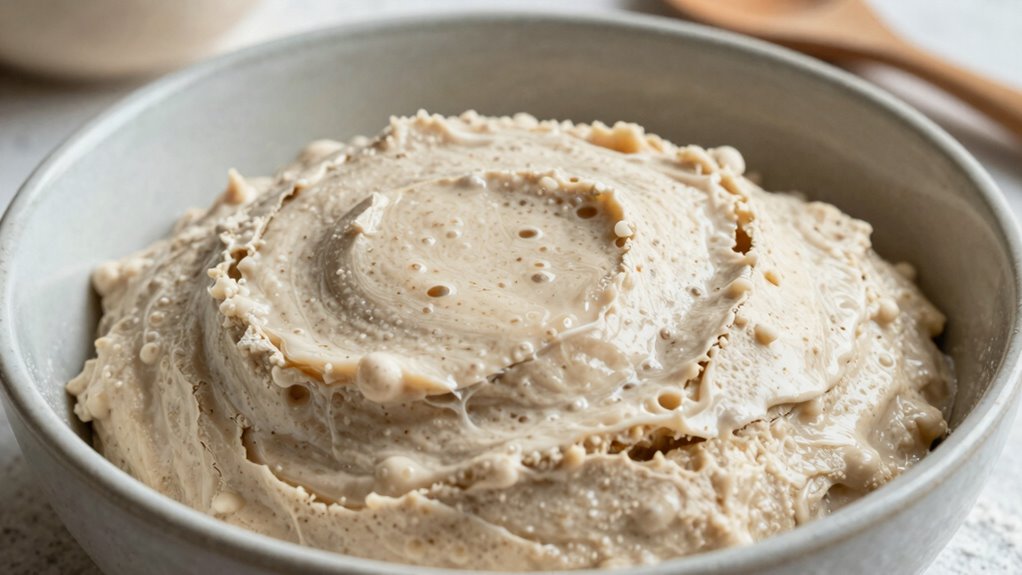
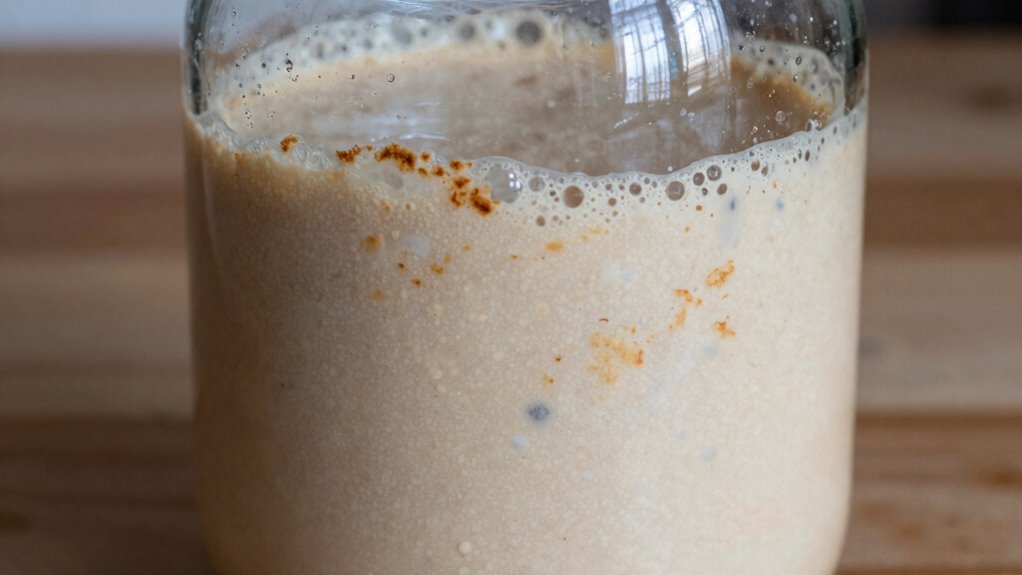
If you’re active in the sourdough baking world, you’ve probably encountered the challenge of what to do with leftover discard. Sourdough discard is the portion of starter you remove before feeding it to keep it from growing too large. It’s not waste; rather, it’s a valuable ingredient that can be repurposed into pancakes, crackers, or muffins. But understanding when discard is still good and how to handle it starts with knowing your feeding schedule and storage methods.
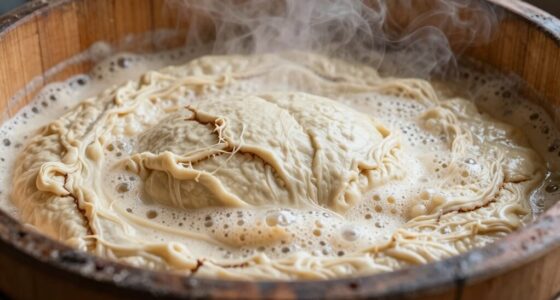
Your feeding schedule determines how fresh your starter is and influences the quality of the discard. Typically, starters are fed once or twice a day, depending on how often you bake and your temperature conditions. If you feed your starter regularly, the discard is usually lively and tangy, making it ideal for recipes that benefit from a bit of acidity. On the other hand, if you forget to feed it for a few days or keep it in the fridge, the discard may become sluggish, develop a layer of liquid called hooch, or develop an off smell. In these cases, it’s often best to discard the older portion and start fresh, especially if you notice mold or a strong, unpleasant odor.
Feeding frequency affects discard freshness; sluggish discard may need discarding or starting fresh.
Storage methods play a critical role in maintaining discard quality. If you keep your starter at room temperature, you’ll need to feed it more often, and the discard will be fresher, typically used within a few days. For longer storage, refrigerate your starter in an airtight container, which slows fermentation and preserves the discard for up to a week or more. When you’re ready to use it, take it out, feed it, and observe its activity. If it bubbles and smells tangy, it’s still good to use. If it’s become overly sour, sticky, or develops mold, it’s time to discard and start anew.
To maximize the usefulness of discard, many bakers store it in the fridge until they accumulate enough to use in a recipe. Label the container with the date so you know how long it’s been stored. Regularly renewing your starter, according to your feeding schedule, keeps it healthy and ensures the discard remains a versatile ingredient. Proper storage methods help prevent spoilage, maintaining discard’s freshness and flavor. Additionally, understanding the color fidelity of your starter can help you assess its overall health and suitability for baking. Ultimately, understanding your feeding routine and how to store your starter not only prevents waste but also allows you to explore a variety of recipes that make good use of that tangy, flavorful discard.
As an affiliate, we earn on qualifying purchases.
Frequently Asked Questions
Can Sourdough Discard Be Used for Making Pancakes?
Yes, you can use sourdough discard for making pancakes. Its fermentation potential adds a slight tang and helps with flavor development, making your pancakes more flavorful. The discard’s acidity also improves the batter’s texture and rise. Just mix it with your usual ingredients, and you’ll get fluffy, delicious pancakes with a subtle sour note. Using discard is a great way to reduce waste and enhance your breakfast!
How Long Can Sourdough Discard Stay Refrigerated?
Imagine a jar of sourdough discard as a bubbling, tangy pool waiting in your fridge. You can keep it refrigerated for up to 5 to 7 days, but watch for signs of over-fermentation like a strong smell or mold. Follow storage tips by keeping it airtight and at consistent temperatures. Beyond a week, its fermentation timeline makes it too old, risking off-flavors or spoilage.
Is Sourdough Discard Safe to Feed Pets?
You shouldn’t feed sourdough discard to your pets because it could pose health risks. While small amounts might not cause immediate harm, there are toxicity concerns, especially with ingredients like yeast and flour. Consuming sourdough discard may upset your pet’s stomach or lead to more serious issues. To protect their health, stick to pet-safe treats and avoid sharing human foods like sourdough discard.
Can Sourdough Discard Be Frozen for Later Use?
Yes, you can freeze sourdough discard for later use. Did you know that freezing techniques can extend discard preservation up to three months? To do this, simply portion your discard into an ice cube tray or airtight container, then freeze. Once frozen, transfer it to a resealable bag, label, and store. This method makes it easy to add sourdough flavor to recipes whenever you want without waste.
What Are Signs That Sourdough Discard Has Gone Bad?
You’ll know sourdough discard has gone bad if you notice fermentation changes like a strong, unpleasant smell or visible mold development. If it develops a slimy texture, off-putting color, or sour, rotten odors, it’s best to discard it. These signs indicate microbial growth and spoilage, making it unsafe to use. Trust your senses—when in doubt, throw it out to avoid consuming spoiled discard.
sourdough starter storage container
As an affiliate, we earn on qualifying purchases.
As an affiliate, we earn on qualifying purchases.
Conclusion
Think of sourdough discard like a wise old friend’s advice—it’s best when fresh, full of potential. I once tossed some discard into a pancake batter, only to realize it lacked the lively rise of fresh. Just like a guest who’s overstayed their welcome, old discard loses its magic and can even spoil your baked goods. Keep it fresh, and you’ll always have a secret ingredient that makes your baking truly shine.
As an affiliate, we earn on qualifying purchases.
As an affiliate, we earn on qualifying purchases.
Halloween Picks
halloween
As an affiliate, we earn on qualifying purchases.