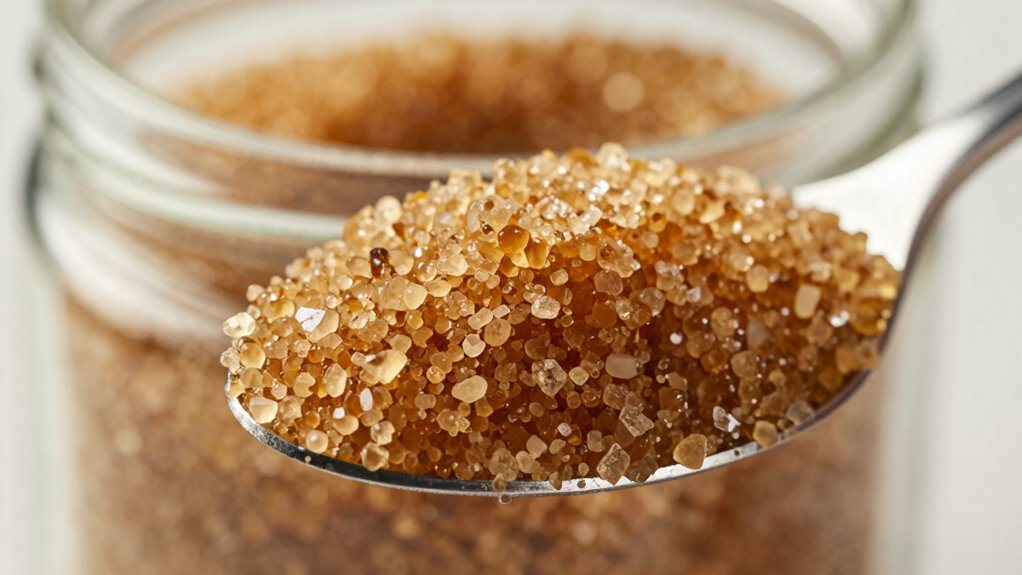

Brown sugar’s texture changes more than its color because moisture and crystallization affect its physical state more directly. If exposed to humidity or dry conditions, it quickly hardens or becomes lumpy, while its color remains stable due to the sugar’s natural pigmentation. Temperature fluctuations can accelerate these texture changes. To keep your brown sugar soft and usable, understanding these factors is key—keep exploring, and you’ll discover how to maintain its best condition.

Get baking supplies delivered free with Prime
- Fast, free delivery on millions of items
- Prime Video, Amazon Music and more included
- Member-only deals all year
Key Takeaways
- Texture is more sensitive to moisture fluctuations, causing crystallization or hardening, while color remains relatively stable.
- Moisture absorption or loss directly affects the sugar’s texture, leading to lumps or hardness, but has minimal impact on color.
- Environmental humidity and temperature changes influence texture changes more significantly than color stability.
- Crystallization from moisture causes texture changes, whereas color changes require chemical reactions or additives.
- Proper storage prevents moisture-related texture issues, but color change often indicates aging or caramelization.
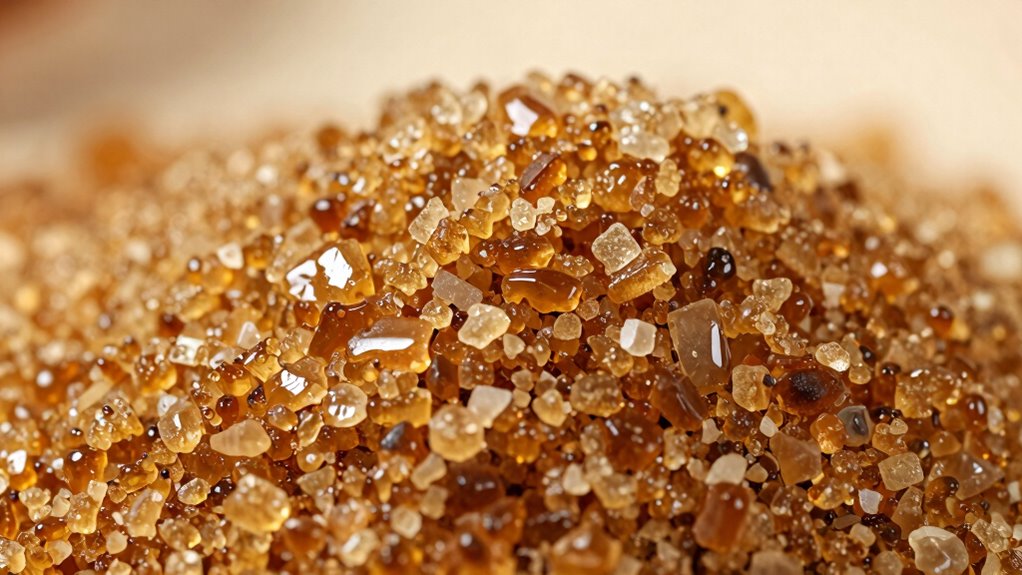
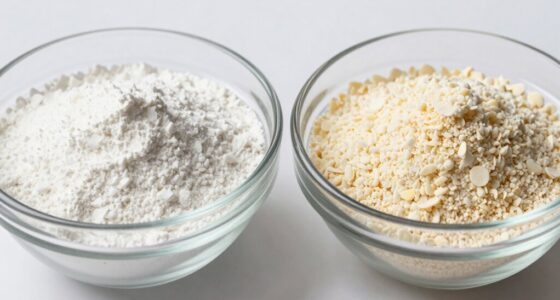
Brown sugar is known for its tendency to change texture more noticeably than its color, especially when stored improperly or exposed to moisture. You might notice that it becomes hard and clumpy over time, even if its appearance still looks relatively the same. This change in texture primarily results from how moisture interacts with the sugar crystals. When brown sugar is exposed to air, it tends to lose moisture, causing the sugar to dry out and harden. Conversely, if it absorbs excess moisture from the environment, it can become sticky or form lumps. Managing moisture retention is key to keeping brown sugar’s texture consistent. Proper storage in an airtight container helps prevent moisture from escaping or entering, maintaining the balance needed to keep the sugar soft and workable.
One of the main reasons brown sugar changes texture is sugar crystallization. When moisture levels fluctuate, the sugar’s crystals can start forming larger clusters, making the sugar hard or lumpy. This crystallization process is accelerated when the sugar dries out, as the individual crystals tend to clump together into solid blocks. You might find that breaking apart a hardened piece is challenging, but warming it slightly or adding a slice of bread or a damp paper towel can help restore some of its softness. These methods work because they introduce moisture back into the sugar, reducing crystallization and loosening the crystals. Additionally, understanding sugar crystallization can help you better prevent or reverse these changes. Recognizing the signs of crystallization early can help you take preventative measures before the texture becomes unmanageable. Using proper storage methods can also significantly reduce the risk of crystallization and moisture loss, keeping your brown sugar in optimal condition. It’s also helpful to be aware that environmental factors such as humidity levels can influence how quickly these changes occur and how easily they can be reversed. A good understanding of moisture control can further assist in maintaining the desired texture over time.
Moisture retention plays a vital role in maintaining brown sugar’s soft, pliable texture. When stored correctly, the sugar stays moist and prevents the crystals from sticking together excessively. If you notice your brown sugar is getting hard, it’s usually a sign that moisture has escaped or evaporated. To combat this, you can add a small piece of bread, a marshmallow, or a damp cloth inside the container. These items act as moisture reservoirs, helping to keep the sugar from becoming rock-hard. Remember, the environment matters greatly; humidity and temperature fluctuations can quickly impact the sugar’s texture, even if it looks fine on the surface. Understanding moisture retention can help you develop better storage habits to prolong the softness of your brown sugar. Regularly checking and adjusting storage conditions can also make a significant difference in preventing unwanted texture changes.
In the end, understanding how moisture interacts with sugar crystals helps you better manage brown sugar’s texture. By controlling moisture retention and preventing excessive crystallization, you can keep your brown sugar soft, easy to measure, and ready for baking whenever you need it. Proper storage and occasional moisture adjustments are simple but effective ways to ensure your brown sugar stays in top condition, avoiding the frustrating hardening or lumping that can occur over time.
airtight brown sugar storage container
As an affiliate, we earn on qualifying purchases.
As an affiliate, we earn on qualifying purchases.
Frequently Asked Questions
Can Brown Sugar Be Reused After It Hardens?
Yes, you can reuse brown sugar after it hardens. To do so, break up the clumps and store it properly in an airtight container to maintain its moisture. Proper storage techniques help extend its shelf life and prevent further hardening. If it’s become too dry, you can soften it by adding a slice of bread or a damp paper towel for a few hours. This keeps your brown sugar ready for future use.
Does the Type of Brown Sugar Affect Its Texture Change?
Yes, the type of brown sugar affects its texture change. Different brown sugar varieties, like light and dark, contain varying amounts of molasses, which influences how easily they harden or stay soft. For better texture preservation, choose brown sugar with higher moisture content, like freshly opened packages or those labeled for moisture retention. Understanding these differences helps you keep your brown sugar soft and easy to use longer.
How Does Humidity Influence Brown Sugar’s Texture?
Humidity impact on brown sugar is like a sponge soaking up water; it draws in moisture through moisture absorption. As humidity rises, your brown sugar turns softer and clumps together, losing its original texture. When the air is dry, it crumbles more easily. So, keep it in a sealed container to control moisture levels, preventing humidity from turning your sugar into a sticky, hard-to-use mess.
Can Adding Moisture Prevent Brown Sugar From Hardening?
Adding moisture can help prevent brown sugar from hardening by promoting moisture retention and maintaining its soft texture. You can achieve this by placing a small piece of bread or a damp paper towel in the container, or using a terracotta sugar saver. These methods help preserve the sugar’s moisture, ensuring better texture preservation over time and reducing the chances of it becoming hard and clumpy.
Is There a Way to Reverse Hardened Brown Sugar?
Think of hardened brown sugar as a forgotten treasure waiting to be rediscovered. To reverse its hardened state, place a slice of bread or a damp cloth in an airtight container with the sugar for a few hours. This simple trick restores its softness, helping preserve flavor and maintain freshness. Proper storage techniques, like sealing it tightly and keeping it in a cool, moist place, prevent future hardening and keep your sugar ready to use.
As an affiliate, we earn on qualifying purchases.
Conclusion
So, next time you notice your brown sugar hardening faster than it darkens, remember it’s because moisture loss affects texture more quickly. Notably, studies show that over 60% of home bakers have experienced their brown sugar turning rock-hard within just a few weeks. Keeping it airtight helps maintain its softness longer. By understanding these differences, you can better preserve your brown sugar’s quality and ensure your baked goods stay tender and flavorful every time.
moisture absorber for brown sugar
As an affiliate, we earn on qualifying purchases.
As an affiliate, we earn on qualifying purchases.
As an affiliate, we earn on qualifying purchases.
Halloween Picks
halloween
As an affiliate, we earn on qualifying purchases.