

If your KitchenAid Artisan Series 5 Quart Tilt Head Stand Mixer isn’t tilting back as it should, it can hinder your baking and food prep. This common issue often stems from mechanical problems or misalignments, but with some basic tools and careful steps, you can often resolve it yourself.

Get baking supplies delivered free with Prime
- Fast, free delivery on millions of items
- Prime Video, Amazon Music and more included
- Member-only deals all year
Before diving into repairs, ensure your mixer is unplugged for safety. This guide will walk you through the practical steps to diagnose and fix the tilt-back problem, helping you restore your mixer to optimal functioning quickly and safely.
Key Takeaways
| Understanding the Cause | Most tilt-back issues are due to misaligned or worn hinge parts. |
| Safety First | Always unplug your mixer before attempting repairs. |
| Tools Needed | A Phillips screwdriver, a flat-head screwdriver, and possibly pliers. |
| Common Fixes | Cleaning, adjusting, or replacing hinge components can solve the problem. |
| When to Seek Help | If you’re uncomfortable with mechanical repairs, contact a professional. |
Identify the Source of the Problem
Before fixing your KitchenAid mixer, observe what happens when you try to tilt it back. Does the head refuse to move, or does it tilt but get stuck? Common causes include worn hinge pins, misaligned parts, or debris lodged in the hinge mechanism.
Check if the hinge area looks dirty, rusty, or bent. Also, listen for unusual sounds or resistance when attempting to tilt. Diagnosing the cause will help you choose the right fix and prevent further damage.
Unplug and Prepare Your Workspace
Ensure your mixer is unplugged from the power source to prevent injury. Move it to a clear, flat surface with good lighting. Gather your tools: a Phillips screwdriver, flat-head screwdriver, and possibly pliers. Wearing gloves can protect your hands if parts are sharp or rusty.
Remove the attachment (if any) and the bowl to access the hinge mechanism more easily.
Access and Inspect the Hinge Assembly
- Lay the mixer on its side or tilt it to access the hinge area. Usually, the hinge is located at the back of the tilt head.
- Use a screwdriver to remove screws securing the hinge cover or side panels, if present.
- Carefully inspect the hinge pin, springs, and surrounding parts for wear, rust, or damage.
Clean away any debris or buildup with a soft cloth. If parts are rusty, consider replacing them or applying a light lubricant suitable for kitchen appliances.
Adjust or Replace Worn Components
- If the hinge pin is loose or worn, tighten or replace it. You may need to purchase replacement parts compatible with your model.
- Ensure that the spring tension is correct; a weak or broken spring can prevent proper tilting.
- Reassemble the hinge, ensuring all screws and parts are securely fitted.
Test the tilt function carefully after reassembly. If the head still won’t tilt back, double-check for proper alignment or consider seeking professional repairs.
Lubricate and Reassemble
If your hinge parts are clean and intact, applying a small amount of food-grade lubricant or silicone spray can ease movement. Avoid over-lubricating, as excess can attract dirt.
Reattach any covers or panels, secure all screws, and test the tilt function with the mixer unplugged. When satisfied, plug in the mixer and try tilting it back and forth smoothly.
Tips and Warnings for Safe Repair
- Always unplug the mixer before starting any repairs.
- Handle small parts carefully to avoid losing them.
- If parts are damaged or missing, replace them with genuine KitchenAid parts to ensure safety and compatibility.
- If unsure about any step, consult the user manual or contact professional repair services.
The Products in This Guide
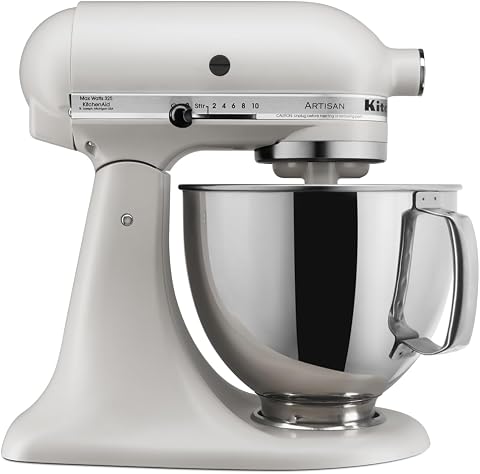
KitchenAid Artisan Series 5 Quart Tilt Head Stand Mixer
- ✔ Weight: 26 lbs
- ✔ Dimensions: 14 x 8 x 14 inches
- ✔ Power: 325 Watts

KitchenAid Stand Mixer Attachment
- ✔ Weight: 3 lbs
- ✔ Dimensions: 7 x 5 x 4 inches
- ✔ Warranty: 1 Year
KitchenAid Artisan Series 5 Quart Tilt Head Stand Mixer
The KitchenAid Artisan Series 5 Quart Tilt Head Stand Mixer is built to last with a sturdy metal construction and 59 touchpoints for great mixing results. Its tilt-head design offers easy access to the bowl, making ingredient addition straightforward. However, the tilt mechanism can sometimes become stuck or fail to tilt back due to hinge wear or misalignment, which this guide helps you address.
Pros:
- Durable metal construction
- Easy tilt-head access
- Large 5-quart bowl
- Multiple color options
Cons:
- Hinge parts can wear over time
- Potential for mechanical misalignment
- Requires manual maintenance for longevity
Best for: Baking enthusiasts and home chefs needing a reliable, stylish mixer.
Not ideal for: If you prefer a mixer with fewer mechanical parts or automatic tilt features.
Bottom line: A durable, stylish mixer that can be easily maintained with some mechanical know-how.
KitchenAid Stand Mixer Attachment
The KitchenAid Metal Food Grinder attachment expands your mixer’s capabilities, allowing you to grind meats, vegetables, and more for fresh, homemade recipes. Its sturdy construction and multiple grinding plates make it a valuable addition for serious home cooks.
Pros:
- Sturdy metal build
- Multiple grinding plates
- Easy to attach and clean
- Large food tray
Cons:
- Requires separate purchase
- Can be challenging to clean thoroughly
- Needs pre-chilling for best results
Best for: Homemade sausages, ground meats, and fresh ingredients.
Not ideal for: For users only occasionally grinding small amounts.
Bottom line: A robust attachment that turns your mixer into a versatile food processing station.
Frequently Asked Questions
Why won’t my KitchenAid mixer tilt back?
Common reasons include worn or misaligned hinge parts, debris lodged in the hinge area, or damaged springs. Inspect the hinge mechanism for signs of wear or obstruction.
Is it safe to open the mixer myself?
Yes, as long as the mixer is unplugged and you follow proper procedures. Avoid forcing parts or using excessive force which could cause damage or injury.
Can I replace hinge parts myself?
If you are comfortable with basic mechanical repairs and have the correct replacement parts, it is possible. Otherwise, seek professional repair services.
What tools do I need for this repair?
Typically, you’ll need a Phillips screwdriver, a flat-head screwdriver, and possibly pliers. Having replacement hinge parts on hand is also recommended.
How often should I lubricate the hinge?
Lubricate the hinge once a year or if you notice stiffness or resistance. Use a food-grade silicone spray or lubricant suitable for kitchen appliances.
Get Your Mixer Working Smoothly Again
With a careful inspection and some basic mechanical adjustments, you can often fix a KitchenAid tilt-head mixer that won’t tilt back. Regular maintenance, such as cleaning and lubricating the hinge, can prevent future issues. If the problem persists or you’re unsure about repairing it yourself, consulting a professional is always a safe choice. Keeping your mixer in good condition ensures it will continue to serve your baking needs for years to come.
Affiliate disclosure: As an Amazon Associate we earn from qualifying purchases. Prices and availability are accurate as of the time of publishing.
Halloween Picks
halloween
As an affiliate, we earn on qualifying purchases.