
Choosing between salted and unsalted butter really matters in baking and certain recipes. Salted butter has added salt, which can alter flavor and affect the texture of baked goods, especially in precise baking like cookies or cakes. Unsalted butter offers better control over seasoning and freshness. If you keep in mind when each works best, you’ll improve your cooking results—plus, you’ll discover helpful tips for making the right choice every time.

Get baking supplies delivered free with Prime
- Fast, free delivery on millions of items
- Prime Video, Amazon Music and more included
- Member-only deals all year
Key Takeaways
- Use unsalted butter for baking to control salt levels and achieve consistent results.
- Salted butter can alter the flavor and texture, especially in delicate baked goods.
- For recipes like pastries and pie crusts, unsalted butter is preferred for precision.
- When only salted butter is available, reduce added salt in the recipe accordingly.
- Salted versus unsalted butter matters mainly in baking and recipes requiring exact seasoning.
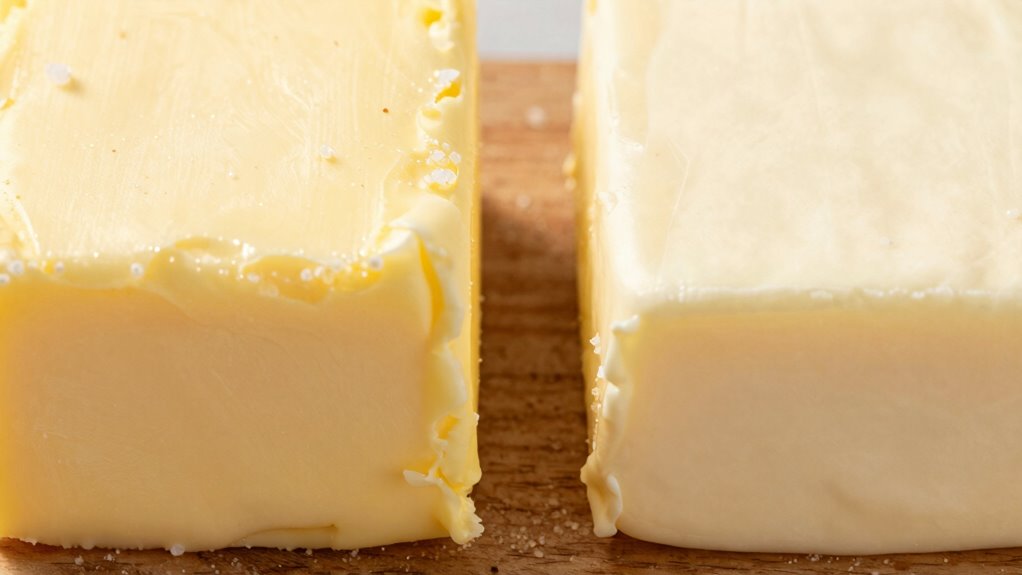
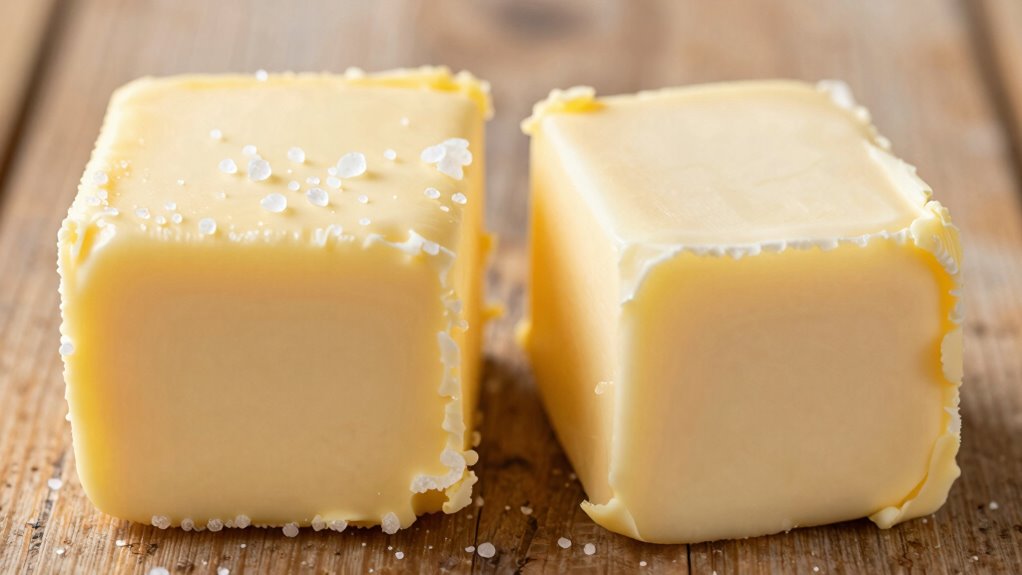
When choosing butter for your recipes, understanding the difference between salted and unsalted butter can make all the difference. Salted butter contains added salt, which can influence both flavor and how your baked goods turn out. Unsalted butter, on the other hand, is fresh and free of added salt, giving you more control over seasoning. This distinction is especially important in baking, where precision matters. If a recipe calls for unsalted butter, using salted butter can throw off the balance of flavors and the texture of your baked goods. Conversely, salted butter can be handy for spreading or cooking where salt isn’t a primary concern.
Choosing between salted and unsalted butter impacts flavor, texture, and baking precision—know the difference for perfect results.
If you’re looking to adapt recipes or find alternatives, consider cream alternatives or baking substitutes. For example, if you’re out of butter, you might turn to cream cheese, Greek yogurt, or coconut oil. These cream alternatives can mimic butter’s richness and moisture, making them suitable baking substitutes in many recipes. When using cream alternatives, keep in mind that they can alter the flavor and texture slightly, but they often work well for cakes, muffins, or cookies. Coconut oil, with its distinct flavor, is a good dairy-free option that provides similar fat content, making it a versatile baking substitute.
However, it’s essential to recognize when butter is essential for the recipe’s structure versus when it’s mainly for flavor. In pastries like croissants or pie crusts, butter’s role in creating flaky layers is indispensable, and cream alternatives might not deliver the same results. For such cases, sticking to traditional baking substitutes like shortening or margarine could be more effective. But for quick breads, muffins, or cakes, cream alternatives often work well, providing moisture and richness without compromising the final product.
When you’re baking, it’s best to use the type of butter specified in the recipe, especially when precision impacts the outcome. If only salted butter is available, consider reducing the added salt in the recipe to compensate. On the flip side, if you prefer unsalted butter for its neutral flavor, you can always add a pinch of salt to taste. This flexibility can be useful if you’re adjusting recipes or trying to make them healthier by controlling salt intake. Overall, understanding when salted versus unsalted butter actually matters, and knowing your options for cream alternatives and baking substitutes, allows you to adapt and perfect your baking projects confidently.
As an affiliate, we earn on qualifying purchases.
Frequently Asked Questions
Can I Substitute Salted Butter for Unsalted in Baking?
Yes, you can substitute salted butter for unsalted in baking, but keep in mind the salt content will influence your recipe’s flavor profile. Since salted butter contains added salt, it might make your baked goods slightly saltier or alter sweetness levels. To avoid over-salting, reduce the added salt in your recipe accordingly. Adjusting for salt content ensures your baked goods turn out just right without compromising flavor.
How Does Salt Content Affect Butter’s Shelf Life?
Adding salt to butter can slightly extend its shelf life by offering preservation benefits and spoilage prevention. The salt helps inhibit bacterial growth, which slows down spoilage. However, the effect isn’t drastic, so proper storage—like refrigeration—is still essential. If you keep salted butter sealed and cold, it stays fresh longer, reducing spoilage risks. But remember, the main factor remains proper storage, regardless of salt content.
Is There a Difference in Flavor Between Salted and Unsalted Butter?
Yes, there’s a flavor difference between salted and unsalted butter. Salted butter offers a richer, more complex flavor with a salty profile that enhances baked goods and savory dishes. Unsalted butter has a pure, mellow taste, making it ideal for recipes where you want control over salt levels. The salt in salted butter can also act as a flavor enhancer, giving your meal a subtly more finished, savory note.
Which Butter Is Better for Making Pastries?
For making pastries, unsalted butter is your best choice because it offers better control over flavor and salt content. Its higher melting point helps create a tender, flaky pastry texture by allowing the butter to stay intact longer during baking. Using unsalted butter guarantees consistent results, as salted butter can alter the pastry’s texture and interfere with proper butter melting, which is essential for achieving that perfect, flaky crust.
Does Salted Butter Impact the Nutritional Value of Baked Goods?
They say “you are what you eat,” but salted butter doesn’t substantially change the nutritional value of baked goods. While it adds sodium, the overall nutritional differences between salted and unsalted butter are minimal. The flavor impact is notable, enhancing taste, but it won’t drastically alter your baked item’s nutrition. So, choose based on flavor preference—just watch your sodium intake if you’re concerned!
As an affiliate, we earn on qualifying purchases.
Conclusion
When choosing between salted and unsalted butter, your decision can impact flavor control and shelf life. Curiously, about 70% of consumers prefer salted butter, valuing its taste and preservative qualities. But for baking precision, unsalted butter remains the top choice. Ultimately, understanding these differences helps you make better culinary decisions, ensuring your dishes turn out just right. So next time you shop, consider what matters most for your recipe and taste preferences.
As an affiliate, we earn on qualifying purchases.
As an affiliate, we earn on qualifying purchases.
Halloween Picks
halloween
As an affiliate, we earn on qualifying purchases.