
Your cooling strategy plays a key role in shaping food shelf life by maintaining proper temperatures and humidity levels. When temperatures stay consistent within ideal ranges, bacterial growth slows, and spoilage reduces. Proper cooling also prevents damaging fluctuations that speed up deterioration. Tailoring your approach to specific foods, like leafy greens or meats, helps preserve freshness longer. Keep exploring to discover how effective cooling can considerably extend your perishable goods’ usability.
Listen free for 30 days with Audible
Thousands of audiobooks and originals — cancel anytime.
As an affiliate, we earn on qualifying purchases.
Key Takeaways
- Proper cooling maintains stable, appropriate temperatures to slow bacterial growth and enzymatic spoilage processes.
- Consistent temperature control prevents fluctuations that can accelerate deterioration of perishable foods.
- Tailoring cooling strategies to specific food types extends their safe storage duration.
- Regular temperature monitoring helps detect deviations, allowing timely adjustments to preserve freshness.
- Effective cooling reduces food waste by maximizing shelf life and maintaining quality.
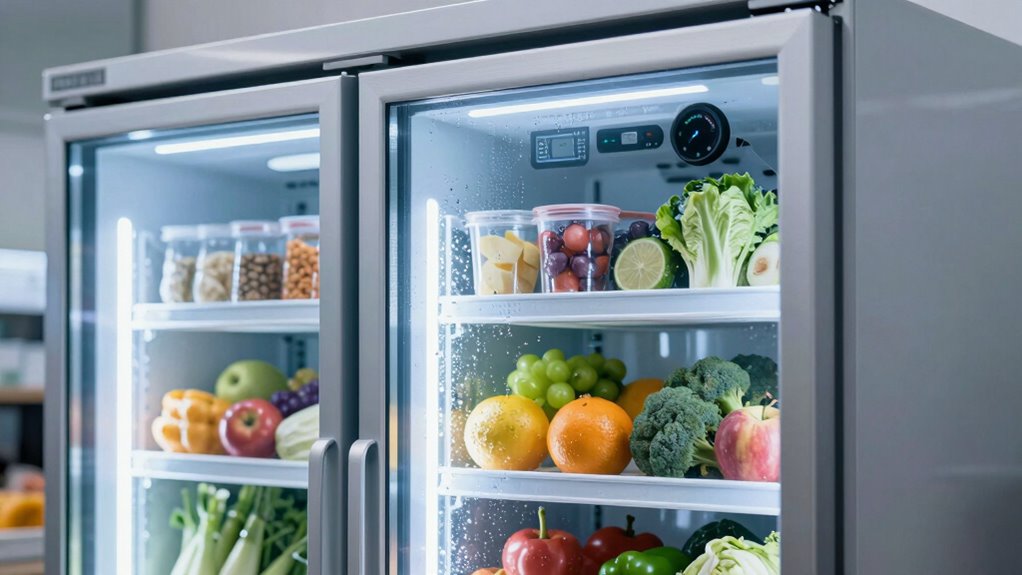
Cooling strategies play a vital role in extending the shelf life of perishable goods, guaranteeing they stay fresh longer and reducing food waste. When you understand how to effectively manage temperature control, you can considerably influence the storage duration of your items. Proper cooling isn’t just about lowering temperatures; it’s about maintaining the right, consistent environment that slows down bacterial growth and enzymatic reactions responsible for spoilage. If the temperature drops too low or fluctuates excessively, it can damage delicate foods or accelerate deterioration, respectively. Conversely, inadequate cooling allows bacteria to multiply rapidly, shortening the time your food remains safe and edible.
Proper cooling extends shelf life by maintaining stable temperatures that inhibit spoilage and bacterial growth.
Your goal should be to establish a stable, ideal temperature for each type of perishable. For example, fresh produce often benefits from cooler, humid conditions but should not be stored in overly cold environments that cause freezing or wilting. Dairy and meats require even more precise temperature control—generally around 1-4°C (34-39°F)—to inhibit bacterial activity and extend their safe storage duration. When you maintain these specific temperature ranges, it directly influences how long these foods stay fresh, giving you more flexibility and less pressure to consume or discard items prematurely. Consistent temperature control ensures optimal conditions for preserving various foods and preventing spoilage. Additionally, understanding how bacteria respond to temperature fluctuations helps you make more informed storage decisions.
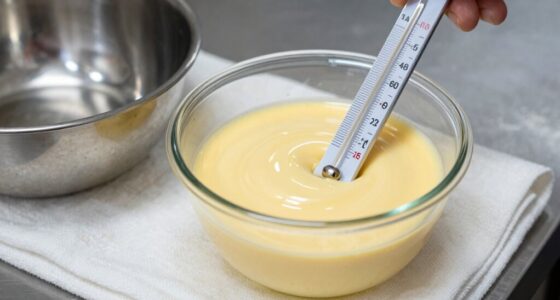
The way you manage your cooling strategies impacts the overall storage duration, which is the length of time your perishable goods remain safe to eat. By setting your refrigeration units correctly and avoiding temperature fluctuations, you can maximize shelf life. For example, a consistent temperature prevents the growth of spoilage organisms, which thrive in inconsistent or warmer conditions. Regularly monitoring your fridge or storage environment with a thermometer helps you catch any deviations early and adjust accordingly. This proactive approach preserves the quality and safety of your food, reducing waste and saving money.
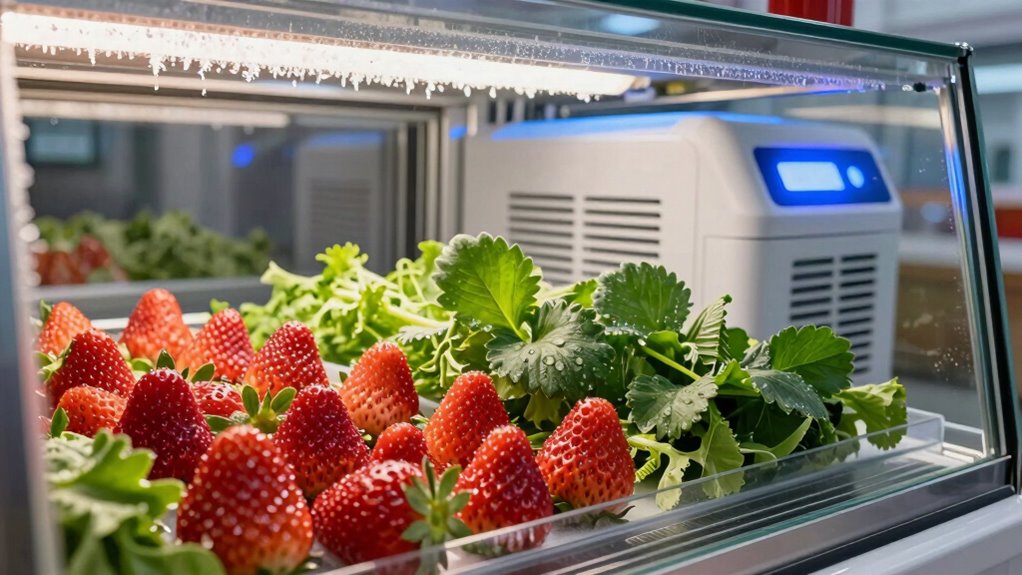
In addition, understanding how different foods respond to cooling strategies allows you to optimize storage. Some items, like leafy greens, are highly sensitive to cold and should be stored at higher humidity and slightly warmer temperatures within the cold environment. Others, like fish or raw meats, need colder, less humid conditions. By tailoring your cooling approach based on the specific needs of each item, you enhance their shelf life and ensure you’re not unnecessarily shortening their storage duration. Proper temperature management is essential to prevent spoilage and extend the usability of your perishable goods. Ultimately, effective temperature control and a clear understanding of storage duration are key to preventing spoilage, maintaining food safety, and reducing waste.
digital refrigerator thermometer
As an affiliate, we earn on qualifying purchases.
As an affiliate, we earn on qualifying purchases.
Frequently Asked Questions
How Does Humidity Affect Cooling Effectiveness?
Humidity affects cooling efficiency by influencing moisture levels inside storage areas. High humidity hampers humidity control, leading to condensation that can promote mold and spoilage. Low humidity helps maintain ideal conditions, ensuring your cooling system works effectively. To maximize cooling efficiency, you need to regulate humidity levels carefully, preventing excess moisture that could compromise product freshness and shelf life. Proper humidity management is key to an effective cooling strategy.
What Are the Environmental Impacts of Cooling Methods?
You should consider that cooling methods impact the environment through energy consumption and refrigerant use. Energy conservation is essential, as efficient systems reduce greenhouse gas emissions. Additionally, choosing eco-friendly refrigerants minimizes environmental harm, since some refrigerants contribute to ozone depletion and global warming. By optimizing cooling strategies, you help lower energy use and lessen refrigerant environmental impact, supporting sustainable practices and reducing your overall ecological footprint.
Can Rapid Cooling Cause Product Quality Issues?
Yes, rapid cooling can cause product quality issues if not properly managed. When you cool products too quickly, it may lead to quality degradation, such as texture changes or uneven taste. Rapid cooling can cause ice crystal formation in certain foods, damaging cell structure. To avoid these issues, you should control cooling rates carefully, ensuring they are appropriate for the specific product, therefore preserving quality and extending shelf life.
How Do Different Storage Temperatures Influence Spoilage Bacteria?
Think of temperature control as a gatekeeper, holding back spoilage bacteria that threaten your product’s freshness. Lower storage temperatures slow bacterial growth, extending shelf life and maintaining quality. Conversely, warmer temps act like open gates, allowing bacteria to flourish rapidly and spoil your products sooner. Proper temperature management is your best defense, ensuring bacteria stay in check and your products stay safe and delicious longer.
What Innovations Are Emerging in Cooling Technology?
You’ll see innovations in cooling technology through the rise of smart cooling systems and innovative refrigerants. These systems automatically adjust temperatures, optimize energy use, and monitor product conditions in real-time, extending shelf life. New refrigerants are environmentally friendly, reducing greenhouse gases. By integrating IoT and AI, these advancements make cooling more efficient, reliable, and sustainable, ultimately helping you preserve freshness longer and reduce waste in your storage processes.
humidity control food storage containers
As an affiliate, we earn on qualifying purchases.
As an affiliate, we earn on qualifying purchases.
Conclusion
By choosing the right cooling strategy, you can considerably extend your product’s shelf life. Did you know that rapid cooling can reduce spoilage by up to 50% compared to traditional methods? This shows how essential proper cooling is in maintaining freshness and safety. So, next time you handle perishable goods, remember that a smart cooling approach isn’t just about saving time—it’s about preserving quality and reducing waste. Your efforts truly make a difference!
As an affiliate, we earn on qualifying purchases.
refrigerator temperature monitor
As an affiliate, we earn on qualifying purchases.
As an affiliate, we earn on qualifying purchases.
Fall yard work Picks
leaf blowers
As an affiliate, we earn on qualifying purchases.