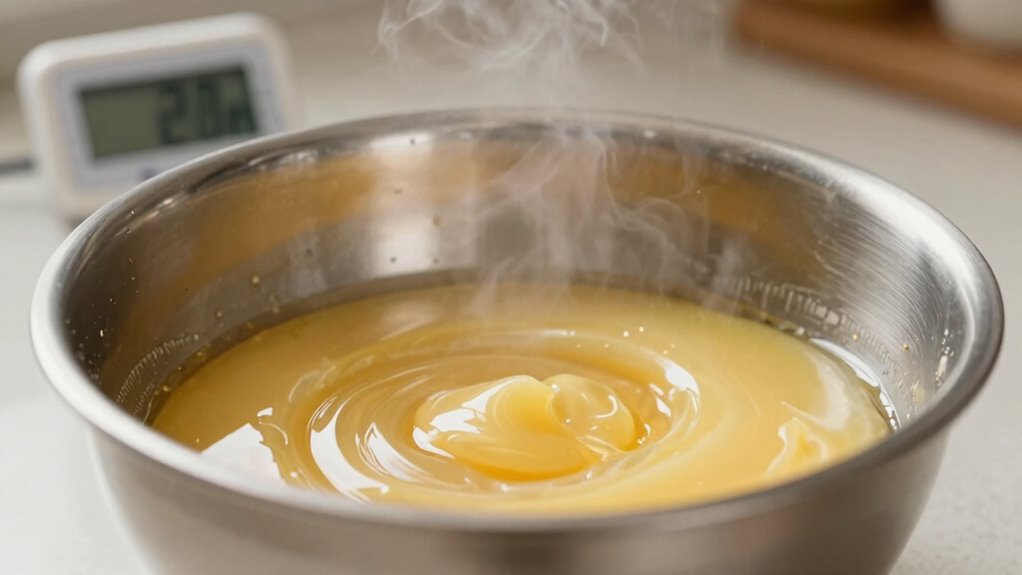

Before mixing starts, you need to verify the fat is at the right temperature because it’s key to developing crispy, evenly cooked food. If the fat is too cool, your food absorbs extra oil, becoming greasy and soggy. If it’s too hot, the outside burns before the inside cooks. Proper temperature helps establish a barrier on the surface, locking in moisture and creating that desirable crunch. Keep going to discover how maintaining this temperature makes all the difference.

Get baking supplies delivered free — and shop member deals
- Fast, free delivery on millions of items
- Access to Prime Big Deal Days deals on October 6–7
- Prime Video, Amazon Music and more included
Key Takeaways
- Proper fat temperature ensures even heat distribution for consistent cooking from the start.
- It creates a crispy exterior and prevents sogginess in fried foods.
- Correct temperature forms a barrier, locking in moisture and enhancing texture.
- Maintaining the right temperature reduces oil absorption, preventing greasiness.
- Starting with the proper fat temperature stabilizes the frying process for better results.
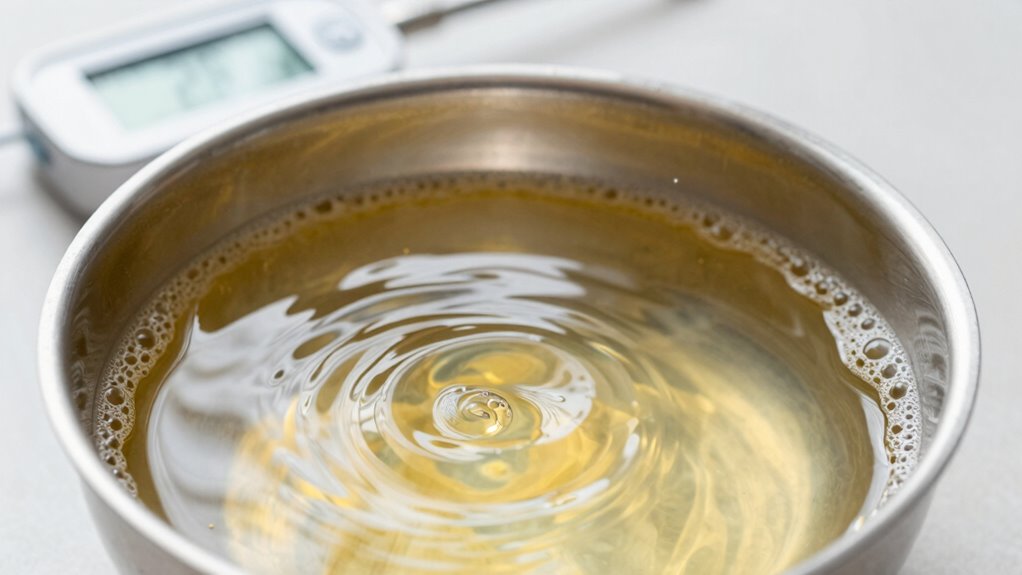
Have you ever wondered why your fried foods sometimes turn out greasy or soggy? The answer often lies in the vital role of fat temperature before you start mixing. When you don’t pay attention to temperature control, you risk compromising the entire cooking process. Properly heated fat ensures that your food cooks evenly and develops the right crispy exterior, while neglecting this step can lead to inconsistent results.
Proper fat temperature is key to achieving crispy, evenly cooked fried foods and avoiding greasiness.
Before you begin frying, it’s essential to heat the fat to the ideal temperature. If the oil is too cool, your food absorbs more oil, resulting in a greasy, heavy texture. On the other hand, if it’s too hot, your food can burn on the outside while remaining undercooked inside. That’s why maintaining the right temperature is key to achieving consistency in texture. It helps you produce evenly cooked items that are crisp on the outside and tender inside.
Temperature control isn’t just about reaching a target number; it’s about maintaining that temperature throughout the process. When you start mixing ingredients into oil that’s at the correct temperature, you prevent the sudden temperature drops that cause sogginess. As you add food, the oil’s temperature might dip temporarily, but with good control, it quickly recovers. This stability keeps the exterior of your food crispy and prevents excess oil absorption, which makes your dish greasy. Monitoring fat temperature during frying is also crucial for ensuring safety and optimal cooking conditions, reducing the risk of overheating or oil fires.
Monitoring the fat temperature also influences how the food’s surface reacts during frying. When the fat is at the right temperature, the surface quickly forms a barrier, locking in moisture and preventing sogginess. This consistency in texture ensures your fried items look appealing and have the perfect crunch you’re aiming for. Proper temperature control is a fundamental aspect of frying technique that can significantly improve your results. Maintaining the correct cooking temperature is vital for preventing uneven cooking and ensuring food safety. Skipping this step or rushing into frying without proper temperature control often results in unevenly cooked food, with some parts soggy or greasy. Consistent temperature control is essential for ensuring that your frying process yields optimal results.
In short, fat temperature before mixing isn’t just a technical detail—it’s the foundation of successful frying. It ensures that your food cooks uniformly, develops a desirable texture, and avoids excess oil absorption. Paying close attention to temperature control guarantees that every batch you fry comes out just right. So, before you toss in your ingredients, take the time to heat your fat properly. Doing so will give you the correct fat temperature you need for ideal cooking results, elevating your fried dishes to a whole new level.
As an affiliate, we earn on qualifying purchases.
Frequently Asked Questions
What Is the Ideal Fat Temperature for Different Types of Cooking?
You should heat fats to their ideal temperature based on their melting point and oil smoke point. For sautéing, keep oils like canola or vegetable around 350°F (177°C) to prevent smoking. For deep frying, aim for 350-375°F (177-191°C). Butter melts around 90°F (32°C), so it’s best used at lower temperatures. Monitoring these temps guarantees proper texture, flavor, and safety, avoiding burnt or undercooked fats.
How Does Fat Temperature Affect Flavor Development?
When you heat fat to the right temperature, it enhances flavor development through flavor infusion and aroma release. As fat warms, it releases aromatic compounds that boost the dish’s overall taste. Proper fat temperature guarantees that ingredients absorb these flavors effectively, creating a richer, more fragrant meal. If the fat’s too cold, these processes slow down; too hot, and you risk burning, which can ruin flavor quality.
Can Incorrect Fat Temperature Cause Health Issues?
Incorrect fat temperature can cause health hazards. When fats aren’t heated properly, fat stability diminishes, leading to the formation of harmful compounds, which escalate health risks. You might unknowingly consume contaminated fats that can cause digestive issues or long-term illnesses. Maintaining precise temperature control safeguards your health, ensuring fats stay stable and safe. Properly heated fats prevent dangerous degradation, protecting you from potential health issues linked to improperly processed fats.
How Quickly Does Fat Temperature Change During Cooking?
During cooking, fat temperature can change rapidly, often within minutes, depending on the cooking temperature you set. As heat is applied, the fat’s consistency shifts from solid to liquid, affecting how it interacts with other ingredients. You’ll notice this change quickly if you’re cooking at high temperatures, making it essential to monitor the cooking temperature carefully to guarantee the fat reaches the desired consistency without overheating.
What Tools Are Best for Measuring Fat Temperature Accurately?
You’d think a simple thermometer would do, but for accurate fat temperature, you need a reliable tool. A digital instant-read thermometer is your best bet, ensuring temperature consistency with quick readings. Just remember to calibrate it regularly to avoid skewed results. Irony? Even the best thermometer is useless if it’s off, so don’t skip calibration. Accurate measurements mean perfect mixes every time, so invest in quality tools.
oil temperature gauge for frying
As an affiliate, we earn on qualifying purchases.
As an affiliate, we earn on qualifying purchases.
Conclusion
Remember, the temperature of your fat is the silent conductor guiding your dish’s symphony. If it’s too cold, your ingredients won’t meld smoothly; too hot, and your creation risks burning. Think of fat temperature as a delicate dance—each step must be just right to lead your culinary masterpiece to perfection. When you pay attention to this small detail, you’re painting a vivid picture of success, ensuring every bite is a masterpiece worthy of applause.
As an affiliate, we earn on qualifying purchases.
As an affiliate, we earn on qualifying purchases.
Fall Picks
fall essentials
As an affiliate, we earn on qualifying purchases.