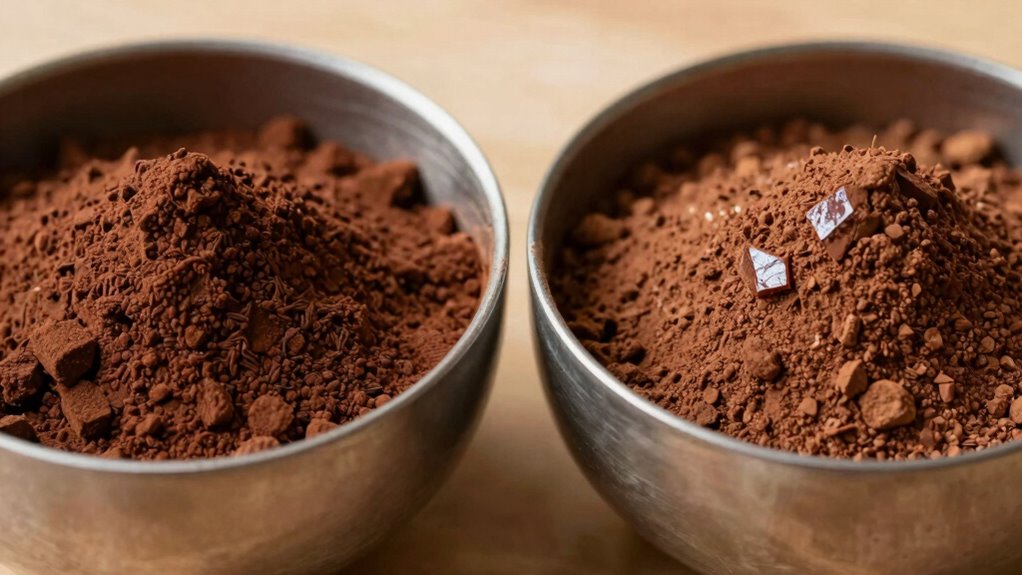

The strength of your baked goods depends on the cocoa powder you use because natural cocoa is more acidic and reacts strongly with baking soda, producing more carbon dioxide for better rise and a lighter texture. Alkalized cocoa has a higher pH, making it less reactive, which can lead to denser baked items. Understanding how pH influences these reactions helps you control your results. Keep exploring to discover more ways to perfect your baking with different cocoa types.

Get baking supplies delivered free — and shop member deals
- Fast, free delivery on millions of items
- Access to Prime Big Deal Days deals on October 6–7
- Prime Video, Amazon Music and more included
Key Takeaways
- Natural cocoa’s acidity enhances its reactivity with baking soda, producing more CO₂ for better leavening.
- The pH level affects how cocoa interacts with leavening agents, influencing the strength and rise of baked goods.
- Natural cocoa’s active acidity promotes a stronger, more resilient crumb structure compared to alkalized cocoa.
- Alkalized cocoa’s higher pH reduces chemical reactivity, resulting in a weaker rise and denser texture.
- The chemical reactions between cocoa and leavening agents directly impact the overall baking strength and final product quality.
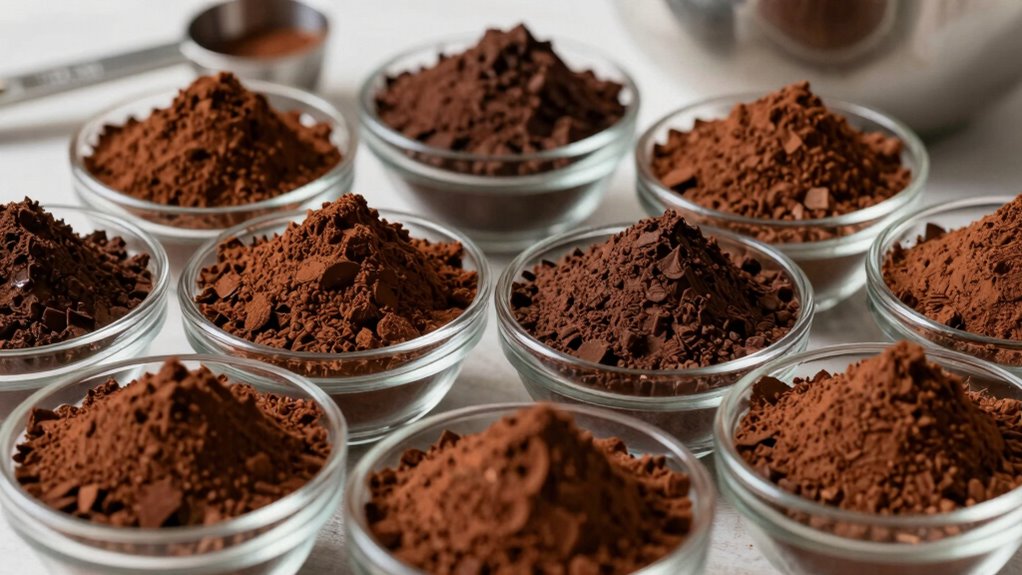
Cocoa powder plays an essential role in baking, not just for flavor but also for its impact on the strength and texture of baked goods. When you choose a cocoa powder, you’re not only selecting the chocolate flavor but also influencing how your baked items rise, hold their shape, and develop their crumb. One key factor that affects this is the cocoa powder’s pH level, which determines whether it’s natural or alkalized. Natural cocoa powder tends to be more acidic, with a lower pH, while alkalized or Dutch-processed cocoa has a higher pH, making it less acidic and more neutral. This pH difference influences how well the cocoa powder interacts with leavening agents like baking soda and baking powder, which directly impacts the robustness of your baked goods.
If you use natural cocoa powder, its acidity reacts vigorously with baking soda, producing carbon dioxide that helps your batter rise. This reaction can give your baked goods a lighter, airier texture, resulting in a strong, well-structured crumb. However, because natural cocoa is more acidic, it can sometimes make the final product slightly more tender or moist, but it doesn’t necessarily make it sturdier in terms of structure. In contrast, alkalized cocoa has a higher pH and is less reactive with baking soda. It’s often used in recipes that call for baking powder, which already contains an acid. This type of cocoa tends to produce a darker color and a smoother chocolate flavor, but it may result in a slightly denser texture or weaker structure because of its reduced reactivity.
The pH levels of cocoa powder also affect flavor strength and how well it binds with other ingredients. A more acidic cocoa (natural) can give a sharper, more pronounced chocolate flavor, which enhances the overall robustness of the taste. Alkalized cocoa, on the other hand, tends to have a milder, more mellow flavor, which might not contribute as much to the perceived strength of the chocolate flavor. When you’re aiming for a baked good with a firm and resilient structure, understanding these pH differences is essential. Baked items made with natural cocoa often turn out stronger and more resilient because of their active reaction with leavening agents, which boosts rise and firmness. Additionally, the acid-base reaction between cocoa’s acidity and leavening agents is a crucial aspect to consider for achieving optimal baking results. Recognizing how the pH level influences the overall chemistry of your ingredients can help you select the best cocoa powder for your desired baked texture. Moreover, knowing the chemical properties of cocoa powder can assist bakers in customizing recipes to achieve specific textures and flavors. Being aware of these reactivity differences can help bakers fine-tune their recipes for consistent results. Furthermore, understanding the reaction dynamics can also help in troubleshooting baking issues related to texture and rise.
As an affiliate, we earn on qualifying purchases.
Frequently Asked Questions
How Does Cocoa Powder Acidity Affect Baking Strength?
Cocoa acidity directly impacts baking strength because it influences how the cocoa reacts with leavening agents. More acidic cocoa powder boosts baking strength by helping activate baking soda, which produces carbon dioxide for leavening. Less acidic or alkalized cocoa weakens this reaction, resulting in less rise. So, if you want a stronger bake, choose cocoa powder with higher acidity; it’ll help your baked goods rise better and have a richer flavor.
Can Adding Fat Alter Cocoa Powder’s Baking Properties?
Adding fat can definitely alter cocoa powder’s baking properties. Higher fat content tends to make baked goods richer and moister, enhancing the flavor profile. It can also soften the cocoa’s baking strength, making the batter more tender and easier to mix. So, if you want a smoother texture or a deeper flavor, incorporating a bit of fat will help achieve those results, improving the overall quality of your baked treats.
Does Cocoa Powder Storage Impact Its Baking Strength?
Like a vintage comic book, improper storage can weaken cocoa powder’s baking strength. When you keep it in a cool, airtight container, you preserve its flavor profiles and shelf stability. Exposure to air, moisture, or heat diminishes its potency, making it less effective in recipes. So, if you want consistent baking results, store your cocoa powder properly, ensuring it stays fresh and potent for your next delicious creation.
Are There Specific Brands Known for Stronger Baking Cocoa?
You’ll find that brands like Dutch-processed cocoa often deliver a richer chocolate flavor and stronger baking results. These brands tend to have higher cocoa content, which enhances both the chocolate flavor and nutritional value. When choosing a cocoa powder for baking, look for options with a darker hue and higher cocoa solids, as they typically produce more intense flavors and better baking strength, making your desserts more flavorful and nutritious.
How Does Processing Method Influence Cocoa Powder’s Baking Power?
Did you know that Dutch-processed cocoa is less acidic and has a milder cocoa flavor? Processing methods like alkalization influence cocoa powder’s baking power by affecting its acidity, which in turn impacts how well it reacts with leavening agents. This process also enhances shelf stability, making Dutch-processed cocoa last longer without losing flavor. So, choose your cocoa powder based on the baking results you want and its shelf life.
As an affiliate, we earn on qualifying purchases.
Conclusion
Understanding why some cocoa powders bake stronger helps you choose the perfect one for your recipes, turning your kitchen into a symphony of flavors. Think of cocoa powder as a seasoned musician—its strength can elevate or drown out the harmony. By selecting the right type, you control the melody of your baked goods, ensuring each bite hits just the right note. Now, with this knowledge, your baking will sing with confidence and finesse.
baking cocoa powder for leavening
As an affiliate, we earn on qualifying purchases.
As an affiliate, we earn on qualifying purchases.
Dutch processed cocoa for baking
As an affiliate, we earn on qualifying purchases.
As an affiliate, we earn on qualifying purchases.
Halloween Picks
halloween
As an affiliate, we earn on qualifying purchases.