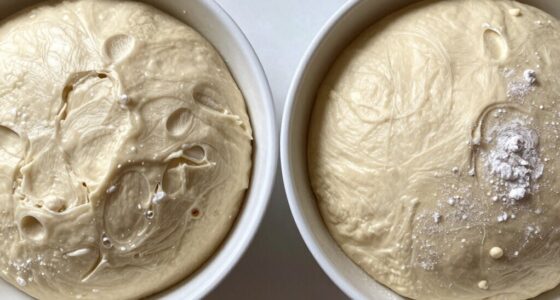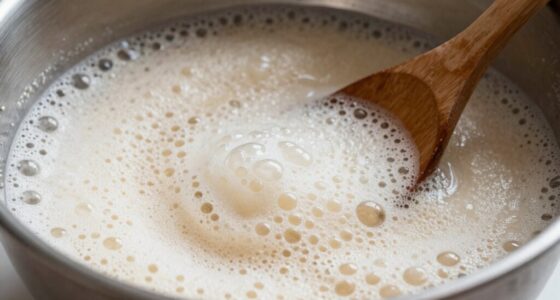
If your soft serve turns foamy, it’s likely caused by too much air getting trapped during mixing or improper machine settings. Over-agitation, inconsistent freezing, or temperature fluctuations can create large bubbles that lead to a bubbly, less smooth texture. Poor equipment maintenance or using ingredients that aren’t fresh can also contribute. To fix this, you need to control air levels, maintain stable temperatures, and keep your machine clean—learn how to optimize these factors to achieve creamy perfection.

Get baking supplies delivered free — and shop member deals
- Fast, free delivery on millions of items
- Access to Prime Big Deal Days deals on October 6–7
- Prime Video, Amazon Music and more included
Key Takeaways
- Excessive air incorporation during mixing or freezing leads to foaminess in soft serve.
- Improper machine temperature or fluctuations cause uneven ice formation and larger air bubbles.
- Over-agitation or incorrect machine settings increase air entrapment, resulting in foamy texture.
- Poor ingredient quality or improper proportions disrupt stability, causing excessive foam and bubbles.
- Insufficient cleaning and maintenance can lead to equipment issues that promote foam development.
As an affiliate, we earn on qualifying purchases.
What’s in Soft Serve and How Does It Affect the Texture?

Soft serve ice cream owes its smooth, creamy texture to a carefully balanced mix of ingredients. The ingredients composition, including milk, cream, sugar, stabilizers, and emulsifiers, directly influences its consistency. Milk and cream provide the fat content that creates richness and a velvety mouthfeel, while sugar helps control freezing point, ensuring softness. Stabilizers and emulsifiers improve texture by preventing ice crystal formation and maintaining smoothness. These ingredients also affect flavor influence, as higher fat levels enhance richness and sweetness, making each bite more indulgent. Precise proportions are essential; too much sugar or stabilizer can alter the texture, making it either too dense or foamy. Overall, the ingredient mix determines not just flavor but the irresistible, smooth texture of soft serve. The development of a perfect soft serve also depends on ingredient balance, which is key to achieving the ideal texture and consistency. Maintaining optimal ingredient proportions ensures the soft serve remains consistently smooth and appealing to customers.
soft serve ice cream mix stabilizers
As an affiliate, we earn on qualifying purchases.
As an affiliate, we earn on qualifying purchases.
How Does Air Get Into Soft Serve and Cause Foaming?
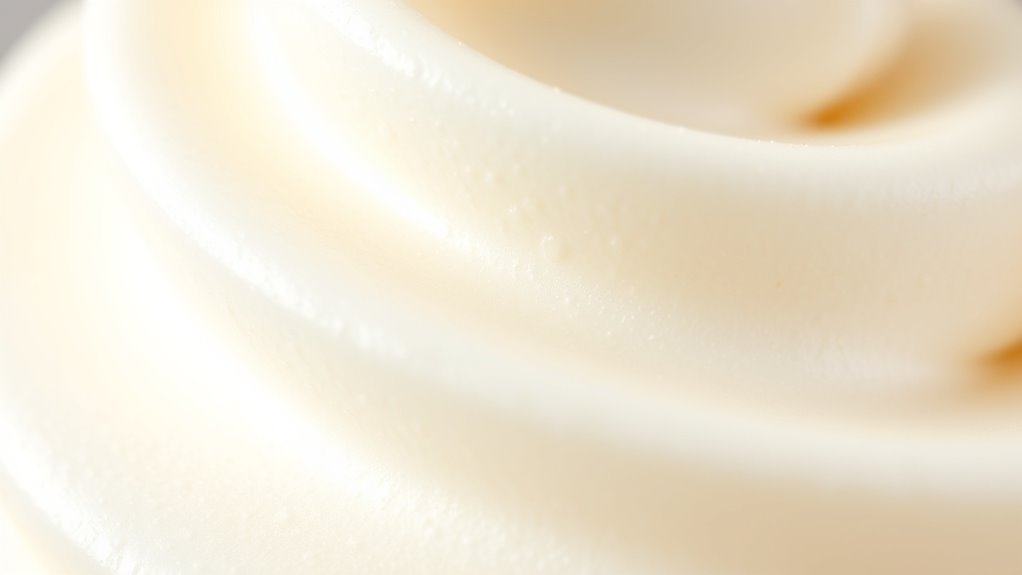
When making soft serve, air bubbles are intentionally incorporated to create that light, fluffy texture. Freezing conditions and how quickly the mixture cools can also influence how much air gets trapped inside. Understanding these factors helps you control foaming and achieve the perfect consistency.
Incorporation of Air Bubbles
Air bubbles enter soft serve through a combination of mechanical agitation and the incorporation of air during the freezing process. This process is essential for creating the light, airy texture that appeals to customers and enhances flavor. As air mixes in, it improves the serving presentation by giving the soft serve volume and visual appeal. Additionally, understanding artistic techniques related to food presentation can help optimize the visual appeal of soft serve. Proper machine operation, including machine speed controls, plays a crucial role in controlling air incorporation. However, excessive air can lead to foaming, affecting texture and stability. To optimize quality, consider these factors:
- Proper machine speed controls
- Consistent freezing temperatures
- Proper mixture formulation
- Agitation duration
- Impact on flavor delivery
- Air management techniques help prevent over-foaming and maintain the desired texture.
Understanding how air gets incorporated helps you maintain a balance—achieving the right fluffiness without unwanted foaming, ensuring your soft serve remains both flavorful and visually attractive. Controlling air incorporation effectively is key to maintaining the perfect soft serve texture and appearance.
Impact of Freezing Conditions
Freezing conditions play a crucial role in how air is incorporated into soft serve and can lead to foaming if not properly managed. The freezing impact affects how quickly the mixture solidifies, trapping air bubbles and influencing texture change. If the temperature fluctuates during freezing, it causes uneven ice crystal formation, creating larger pockets of air that result in a foamy consistency. Overly cold or inconsistent freezing can also cause the soft serve to become overly icy or airy, diminishing its smoothness. Proper temperature control ensures the mixture freezes uniformly, reducing excessive air entrapment. By maintaining ideal freezing conditions, you prevent unwanted foaminess, preserving a creamy, desirable texture. Managing these factors is essential for delivering soft serve with the perfect consistency.
As an affiliate, we earn on qualifying purchases.
How Does Temperature Influence Soft Serve’s Consistency and Foam?
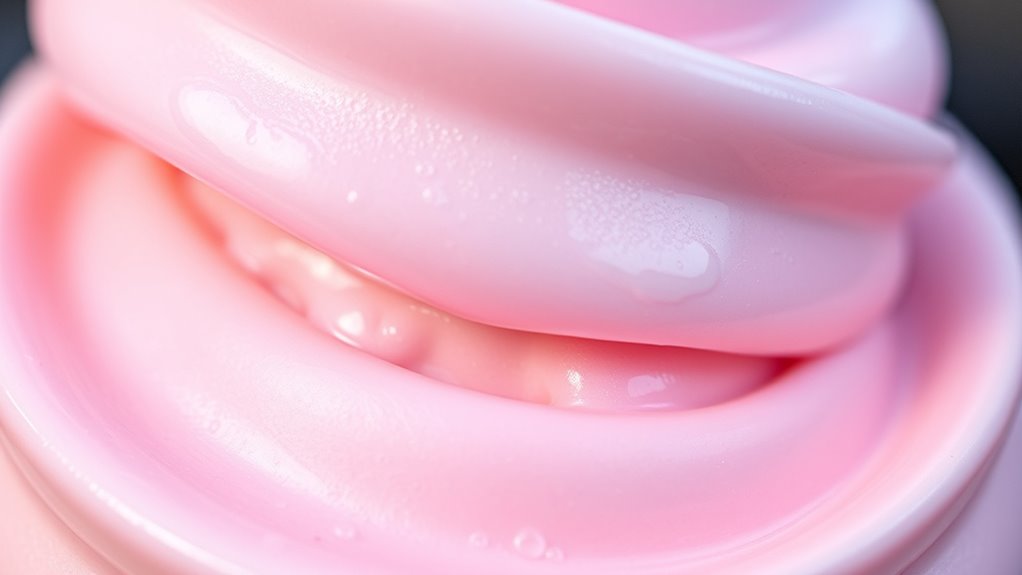
Have you ever wondered how temperature directly affects the texture and foam of soft serve? Temperature effects play a vital role in shaping its consistency and foam formation. When the soft serve is too cold, it becomes hard and less creamy, making it difficult to dispense smoothly. Conversely, if it’s too warm, it loses its shape and becomes overly foamy. Maintaining the right temperature ensures ideal texture and minimizes unwanted foam. Proper temperature management is essential for consistent soft serve quality. Temperature fluctuations can also impact auditory processing, affecting how sensory stimuli are perceived. To achieve the perfect balance, understanding temperature control techniques is crucial. Key factors include: – Proper chilling prevents excessive foam formation – Slightly warmer soft serve reduces foam but affects creaminess – Temperature fluctuations cause inconsistent texture – Cold temperatures boost firmness but risk ice crystals – Consistent temperature control produces smooth, stable soft serve, which also helps in texture preservation and overall quality control. Additionally, stable temperatures contribute to foam stability, ensuring the soft serve maintains its intended consistency during serving.
As an affiliate, we earn on qualifying purchases.
How Do Machine Settings Impact the Texture of Soft Serve?
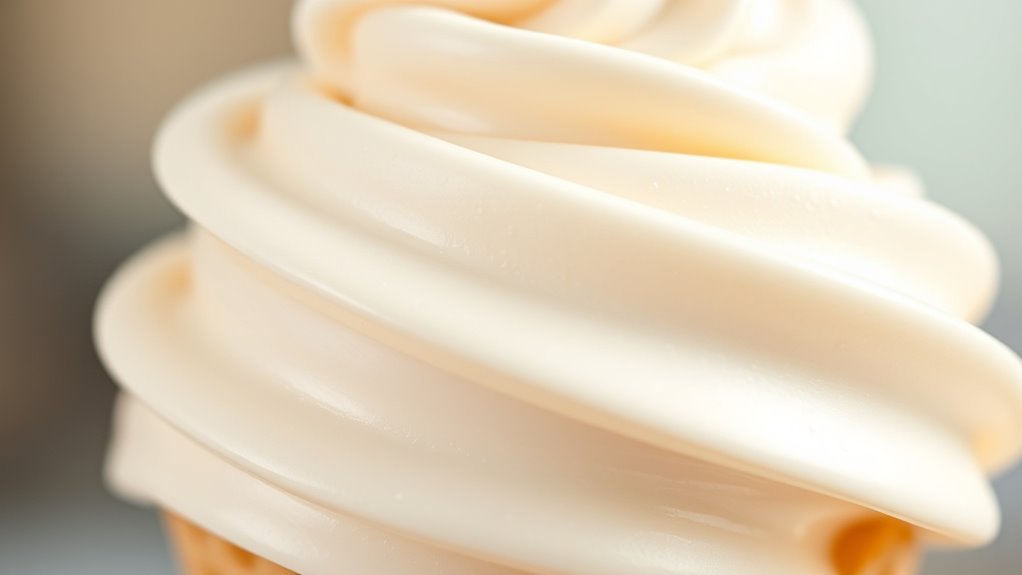
Your machine settings directly affect the texture of your soft serve. Adjusting the freeze cycle duration, compressor power, and dispensing speed can make a big difference in creaminess and firmness. Understanding these controls helps you achieve the perfect soft serve every time. Proper temperature regulation is also essential, as it influences the consistency and prevents the formation of unwanted foam. Additionally, maintaining proper sanitation ensures that your machine operates efficiently and produces high-quality results. Regular equipment maintenance is crucial to prevent issues that could affect texture, including buildup and mechanical wear. Incorporating smart monitoring systems can help track and optimize these parameters for consistent performance. Implementing real-time feedback through advanced sensors can further enhance control over the texture and quality of your soft serve.
Freeze Cycle Duration
Ever wondered how the duration of the freeze cycle influences the texture of soft serve? Longer freeze cycles allow the mixture to reach ideal texture stability, creating a smooth, creamy consistency. If the cycle is too short, the ice crystals don’t form properly, leading to a foamy or grainy texture. Conversely, excessively long cycles can cause over-freezing, making the product too hard. Adjusting the freeze time impacts ingredient interaction, guaranteeing the right balance between air incorporation and ice crystal size. Proper timing maintains a stable, appealing texture while preventing foaming. Additionally, understanding the Youngster Choice net worth can provide insights into how equipment investments and branding can influence production quality and consistency. Recognizing the importance of equipment calibration helps ensure optimal freeze cycle settings for consistent soft serve texture.
Compressor Power Levels
How does compressor power level influence the texture of soft serve? Higher compressor power levels produce a denser, creamier texture by maintaining colder temperatures and consistent freezing. However, increasing power can also lead to more compressor noise, which might be disruptive. Conversely, setting the compressor too low may cause softer, foamy soft serve due to inadequate freezing. Regularly following a maintenance checklist guarantees the compressor operates efficiently, reducing noise and preventing uneven freezing. Proper machine calibration ensures optimal performance and texture consistency. Additionally, consistent temperature control plays a crucial role in achieving the desired soft serve quality. Maintaining optimal compressor power levels helps balance texture and noise, ensuring a high-quality soft serve experience.
Dispensing Speed Control
Adjusting the dispensing speed on your soft serve machine directly impacts the final texture of the dessert. When you increase the dispensing speed, you introduce more air into the mixture, leading to foam formation and a lighter, fluffier texture. Conversely, slowing down the dispense reduces foam, resulting in a denser, creamier consistency. Proper control of the dispensing speed helps prevent over-foaming and ensures a smooth, appealing serve.
- Faster dispensing creates more foam and a frothier texture
- Slower speed minimizes foam formation for a creamier result
- Incorrect speed settings cause inconsistent texture
- Adjusting speed can fix too-foamy or too-dense soft serve
- Consistent speed yields uniform quality and mouthfeel
What Causes Too Many Bubbles and Foam in Soft Serve?
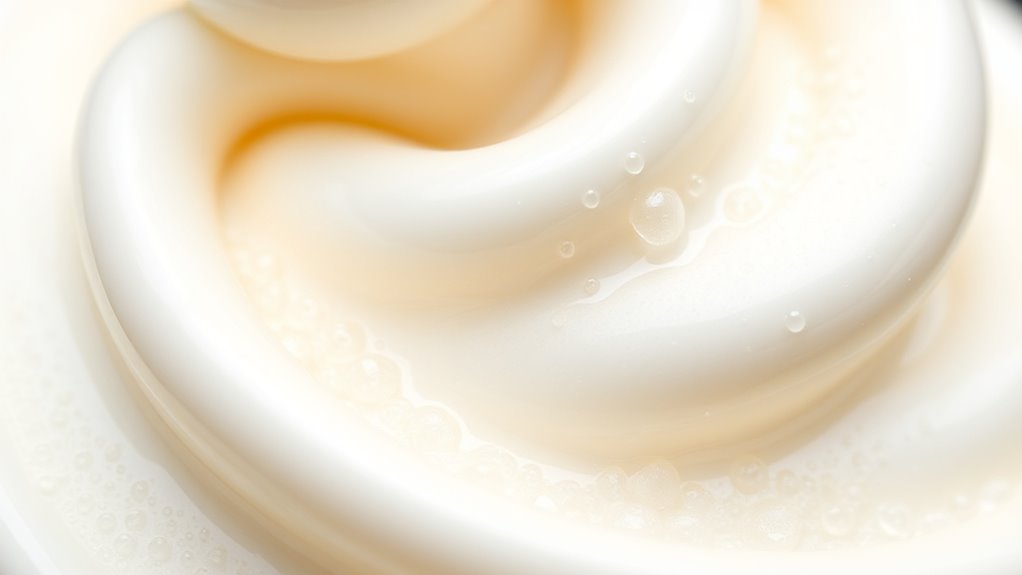
Too many bubbles and foam in soft serve often result from improper handling of the mixture or serving conditions. When ingredients don’t interact properly, it can trap excess air, creating a foamy texture that ruins the creamy mouthfeel you want. Over-agitation during mixing introduces too much air, leading to unstable bubbles. Additionally, if the mixture’s temperature isn’t maintained correctly, it can cause rapid air expansion, forming foam. Poor storage or inconsistent serving techniques also increase bubble formation. These issues interfere with ingredient interactions, preventing the mixture from settling into a smooth, dense consistency. To reduce foam, ensure proper mixing, maintain consistent temperatures, and handle the mixture gently during pouring. Proper appliance maintenance also plays a crucial role in controlling foam formation. This helps preserve the ideal texture and keeps your soft serve rich and creamy. Being mindful of temperature control during storage and serving can also significantly reduce unwanted bubbles and foam.
Why Does Keeping Your Soft Serve Machine Clean Matter?
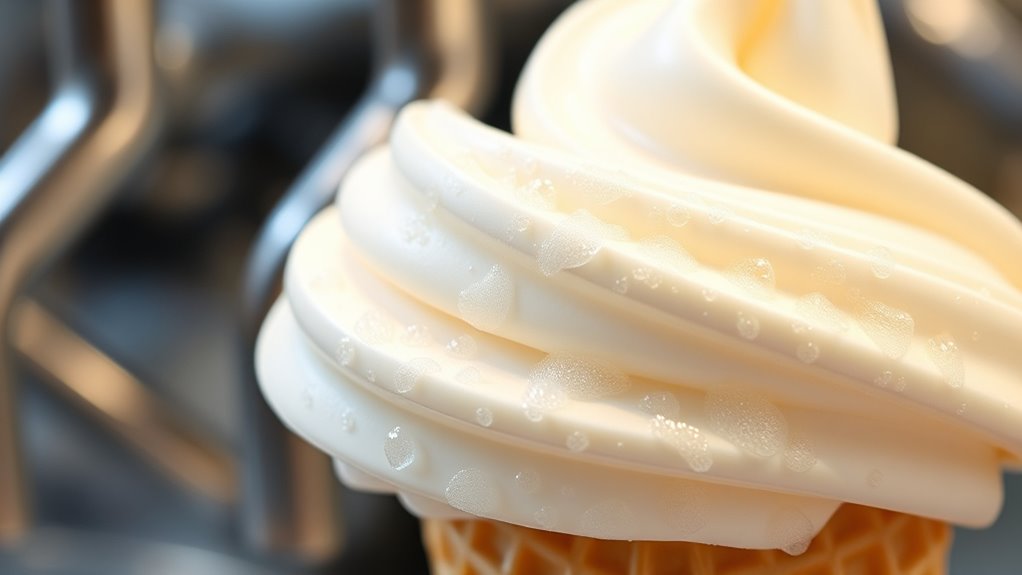
Maintaining a clean soft serve machine directly impacts the quality of your ice cream and its texture. Poor sanitation practices and neglected equipment maintenance can cause bacteria buildup, leading to foamy, uneven, or watery textures. Regular cleaning removes residue that can interfere with the product’s consistency. It also prevents blockages and buildup that affect the machine’s performance. If you skip proper sanitation, you risk contaminating your ice cream and compromising taste. Consistent cleaning and maintenance ensure smooth operation, better flavor, and a consistently appealing texture. Neglecting these steps can cause foamy soft serve, unpleasant aftertastes, and increased spoilage. Stay vigilant with your equipment to deliver high-quality, foam-free ice cream every time.
- Prevents bacteria buildup
- Ensures consistent texture
- Reduces foaming issues
- Maintains equipment efficiency
- Extends machine lifespan
How Can You Keep Your Soft Serve Smooth and Foam-Free?
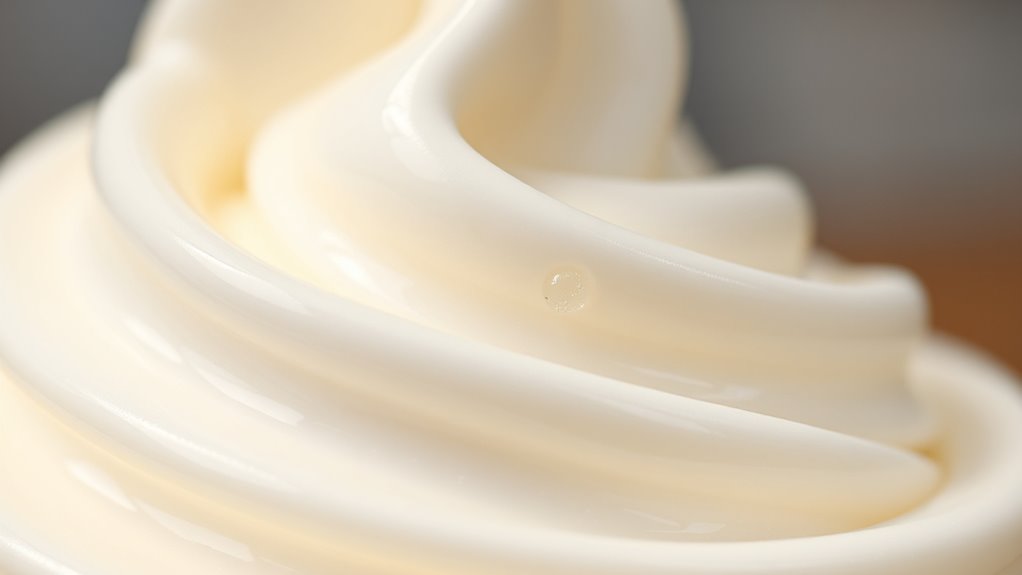
To keep your soft serve smooth and foam-free, regular cleaning of the machine is vital. Proper maintenance prevents residue buildup that can disturb flavor consistency and ingredient balance, leading to foam. Additionally, ensure your mix is well-balanced, with correct fat, sugar, and stabilizer levels. This helps create a stable, uniform texture. Use the table below to organize your approach:
| Cleaning Routine | Ingredient Balance | Equipment Checks |
|---|---|---|
| Clean daily with warm water and sanitizer | Use precise measurements for ingredients | Inspect parts for wear and tear |
| Regularly defrost and sanitize | Avoid overmixing or under-mixing | Check air vents and seals |
| Maintain proper storage temperatures | Use fresh ingredients for consistency | Calibrate machine regularly |
Why Am I Still Getting Foam? Troubleshooting Persistent Issues
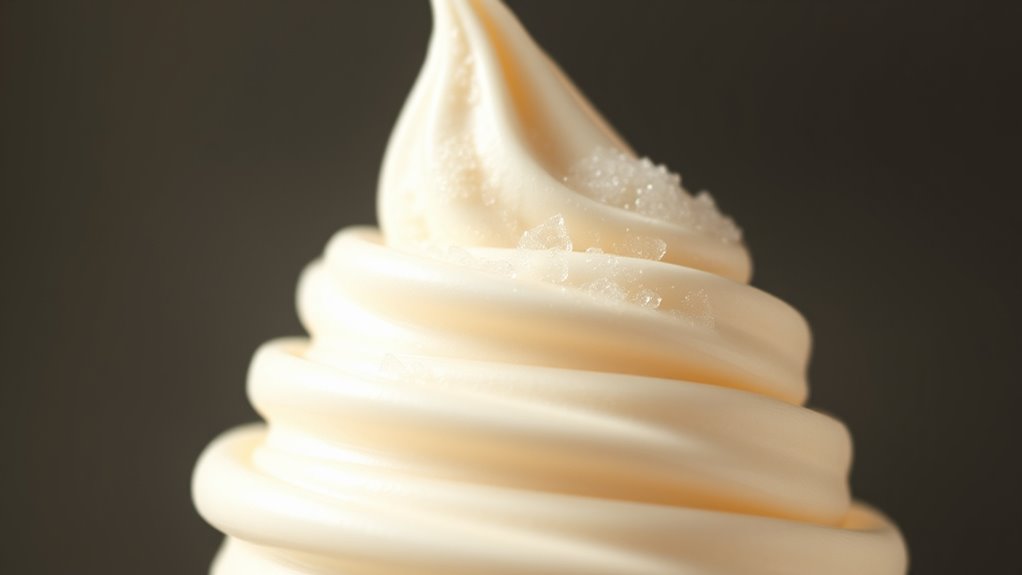
Even after following all the recommended maintenance steps, persistent foam can still appear in your soft serve. This often happens when ingredient quality isn’t consistent or when flavor consistency is off. To troubleshoot, check the following:
- Use fresh, high-quality ingredients to prevent unnecessary air incorporation.
- Ensure proper mixing and blending to avoid over-aeration.
- Adjust the mix temperature; too warm or cold can cause foam issues.
- Verify the machine’s air injection system isn’t over-pressurized.
- Clean the machine thoroughly to remove residual buildup that might trap air.
Addressing these factors helps reduce foam and delivers stable, flavorful soft serve with the right texture. Consistent ingredient quality and careful adjustments are key to minimizing persistent foam issues.
What’s the Science Behind Soft Serve Stability and How Can You Improve It?
Understanding the science behind soft serve stability reveals how the interplay of ingredients, temperature, and machinery keeps your product smooth and consistent. Ingredient interactions, such as the balance of stabilizers, emulsifiers, and fats, are vital for maintaining a stable foam and preventing air from escaping. Proper formulation guarantees flavor stability, so your soft serve tastes fresh and appealing over time. Keeping your machine at the correct temperature prevents over-agitation and minimizes foam formation. Regular cleaning and maintenance also help preserve ingredient effectiveness and prevent bacterial growth that can destabilize texture. By controlling these factors, you can improve soft serve stability, achieve a creamy texture, and reduce foamy issues, ensuring a satisfying experience for your customers.
Frequently Asked Questions
Can Ingredient Variations Affect Soft Serve’s Foaminess?
Yes, ingredient variations can affect your soft serve’s foaminess. If ingredients like stabilizers or emulsifiers aren’t consistent, it can disrupt ingredient stability, leading to more foam and less smooth texture. Changes in milk or flavor additives can also impact flavor consistency, which may cause the mixture to whip up into foam more easily. Keeping ingredient quality and proportions steady helps maintain the desired soft serve texture and prevents excessive foaming.
Does Humidity Impact Soft Serve Foam Formation?
Humidity effects definitely influence foam formation in soft serve. When the air is humid, moisture gets into the mixture and promotes excess foam, making the texture foamier than desired. You’ll notice more bubbles forming and difficulty maintaining a smooth consistency. To minimize this, keep your equipment in a dry environment and monitor humidity levels. Controlling humidity helps you achieve a creamier, less foamy soft serve.
How Long Can Soft Serve Stay Fresh Without Becoming Foamy?
You can typically keep soft serve fresh and maintain flavor consistency for about two to four hours if you keep it at the proper serving temperature. During this time, it won’t turn foamy, but if it sits too long or the temperature fluctuates, it may develop foam and lose quality. To guarantee freshness, regularly check the texture and serve it promptly, especially in warm or humid conditions.
Are There Specific Storage Conditions to Prevent Foam Development?
Think of your soft serve as a delicate snow globe—if you shake it too much or leave it in a messy environment, it turns foggy. To prevent foam, follow proper storage practices like keeping the machine at the right temperature and sealing containers tightly. Also, make certain containers are clean, as residue can trigger foam development. These steps help maintain a smooth texture and keep your soft serve perfect.
Does the Type of Soft Serve Machine Influence Foaming Issues?
Yes, the type of soft serve machine affects foaming issues. If your machine isn’t properly calibrated or if ingredient consistency isn’t maintained, foam can develop more easily. You should regularly check and adjust machine calibration to guarantee proper airflow and pressure. Also, use consistent ingredients to prevent sudden changes that might cause excessive foaming. Proper maintenance and calibration help keep the texture smooth and minimize foam formation.
Conclusion
If your soft serve keeps turning foamy, don’t worry—you can fix it with the right adjustments. By understanding the ingredients, machine settings, and proper cleaning, you’ll enjoy smooth, creamy cones every time. Some might think it’s too complicated or time-consuming, but small tweaks make a big difference. Stay patient and experiment a little—you’ll master perfect soft serve quality before you know it. Your ideal texture is just a few simple steps away!
Fall Picks
fall essentials
As an affiliate, we earn on qualifying purchases.