If you want to blind bake without weights, try using household items like dried beans, rice, or lentils placed on parchment-lined crusts to weigh them down. Alternatively, set a second pie dish or baking sheet on top to hold the shape. Technique tips include docking the crust with a fork and chilling it beforehand to prevent puffiness. These simple, effective methods help you achieve a crisp crust—discover more smart tricks below.

Get baking supplies delivered free with Prime
- Fast, free delivery on millions of items
- Prime Video, Amazon Music and more included
- Member-only deals all year
Key Takeaways
- Use dried beans, rice, or lentils as affordable, reusable pie weights lined with parchment or foil.
- Place a second dish or baking sheet on top of the crust to act as a weight during baking.
- Dock the crust by pricking with a fork to release steam and prevent puffiness.
- Chill the dough before baking to reduce shrinkage and improve crust stability.
- Combine docking, chilling, and alternative weights for optimal blind baking results.

Blind baking is essential when making recipes like tarts and quiches, but using pie weights can be cumbersome and expensive. Luckily, there are smart alternatives that can help you achieve a perfectly baked pie crust without the fuss. When it comes to blind baking, the goal is to prevent your pastry from puffing up or shrinking, ensuring a crisp, even crust. Traditional methods involve pie weights, but you can also rely on common kitchen items or techniques to get similar results.
One of the simplest and most effective pastry tips is to use dried beans, rice, or lentils as substitutes for pie weights. These items are inexpensive, reusable, and readily available. To do this, line your pastry with parchment paper or aluminum foil, then pour in the dried beans or rice, spreading them evenly across the surface. This creates enough weight to keep the crust flat during baking. Once baked for the recommended time, you can remove the weights and proceed with your filling. This method works well for most pie crusts, especially when you want a quick, budget-friendly solution.
Another clever tip involves using a second pie dish or a metal baking sheet placed directly on top of the crust. This acts as a weight, pressing the crust down to prevent bubbles and shrinkage. Simply line your crust as usual, place the second dish or sheet on top, and bake. This technique is particularly useful if you’re short on supplies or want to avoid handling additional items. Afterward, remove the top weight and continue with your recipe.
You can also pre-bake your crust with a few strategic pinches of dough or crimped edges to help hold the shape. For instance, docking the crust—pricking the surface with a fork—allows steam to escape and reduces puffiness. Combining this with a chilled dough recipe and proper pastry tips, like using cold butter and minimal handling, enhances the overall quality of your pie crust. Chilling the dough before baking firms it up, making it less prone to shrinking, especially when blind baking without weights.
In the end, mastering blind baking without weights boils down to understanding your ingredients and techniques. Whether you opt for dried beans, a second dish, or clever docking, these methods will help you produce a flaky, crisp crust every time. With practice and some pastry tips, you’ll find that you don’t need fancy gadgets or costly weights to get professional-looking results. Instead, you’ll save time, money, and effort while still achieving a perfect crust for your tart, quiche, or pie.
Products Worth Considering

Le Creuset Enamemed Cast Iron Oval Dutch Oven, 5 qt., White/Crucible

Le Creuset Signature Enameled Cast Iron Round Dutch Oven, 5.5 qt, Deep Teal
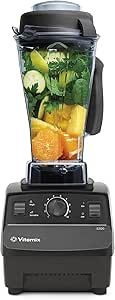
Vitamix 5200 Professional-Grade Blender, 64 oz. Container, Black
As an affiliate, we earn on qualifying purchases.
Frequently Asked Questions
Can I Use Foil Instead of Parchment Paper for Blind Baking?
Yes, you can use foil instead of parchment paper for blind baking. Foil makes a good parchment substitute, especially when you need a sturdy barrier. Just line your crust with foil, press it into the edges, and fill it with baking weights or dry beans. Keep in mind, foil may stick more than parchment, so lightly greasing it can help. Foil alternatives work well, but parchment substitutes often prevent sticking better.
How Do I Prevent the Crust From Puffing up Without Weights?
To prevent your crust from puffing up without weights, start by lightly flour dusting the chilled dough before fitting it into your pan. Prick the bottom thoroughly with a fork to allow steam to escape, reducing puffiness. Keep the dough cold, which helps maintain its shape. For extra support, you can place a second baking sheet on top or use a layer of parchment paper under a makeshift weight like dried beans.
Are There Specific Recipes That Don’T Require Blind Baking?
Did you know that about 60% of no bake recipes rely on pre baked crusts for quick dessert prep? Many recipes, like cheesecakes and refrigerator pies, don’t require blind baking at all. Instead, you simply press the crust into your pan and chill it. These no bake recipes save time and effort, making them perfect when you want a delicious treat without the fuss of traditional blind baking.
What Are the Best Alternative Pressing Methods Without Weights?
You can press your pie crust without weights by using ceramic beans or dried rice in place of traditional pie weights. Simply line your crust with parchment paper, fill it with ceramic beans or rice, and gently press down to keep the crust flat. This method applies even pressure, prevents puffing, and is a smart alternative to pie weights, saving you money and space in your kitchen.
How Long Should I Blind Bake Without Weights for Best Results?
Think of blind baking as guiding your crust to perfection. You should bake without weights for about 15-20 minutes, depending on your recipe. Keep an eye on the crust, aiming for a lightly golden color to achieve the best texture—crisp and flaky, not soggy. Adjust the baking time if needed, especially if your crust is thicker or thinner, ensuring it’s fully baked and ready for filling.
Conclusion
Now that you know how to blind bake without weights, you’re equipped to tackle pie crusts with confidence. Think of these alternatives as your trusty sidekicks, helping you stay afloat without the heavy lifting. With a little patience and the right tricks, your crust will turn out perfectly flaky and evenly baked—no weight needed. So go ahead, get creative in the kitchen, and let your baking adventures rise to new heights!