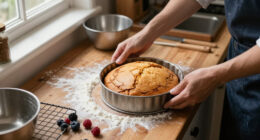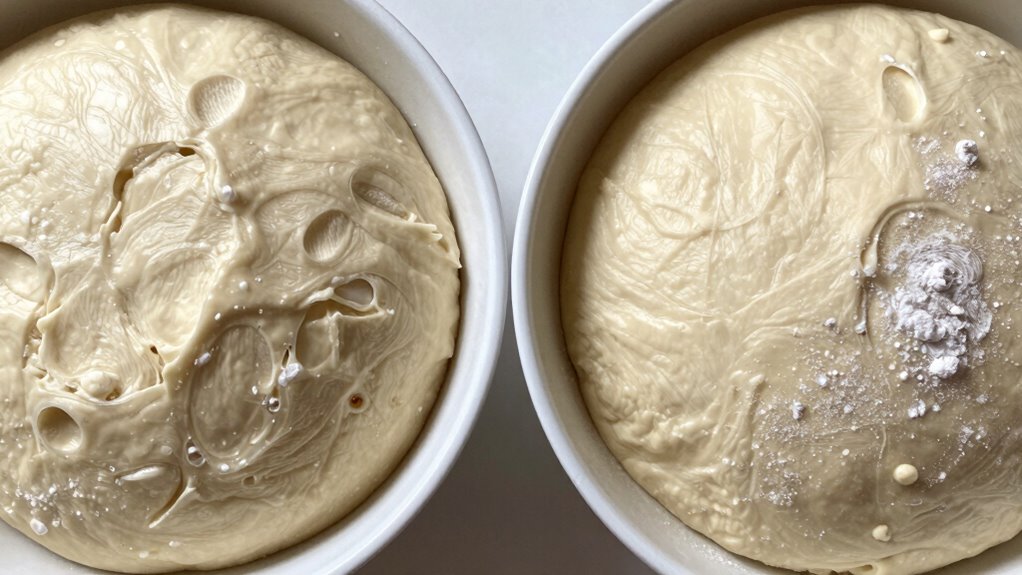

When you overprocess dough, you break down the gluten network that gives bread its structure. Kneading too much overstretches and tangles gluten strands, making the dough stiff, dense, and less able to trap air. This results in a heavy, flat loaf with a tough texture. To get the best rise and light crumb, it’s important to stop kneading at the right point. Keep exploring to learn how to perfect your dough every time.

Get baking supplies delivered free — and shop member deals
- Fast, free delivery on millions of items
- Access to Prime Big Deal Days deals on October 6–7
- Prime Video, Amazon Music and more included
Key Takeaways
- Overprocessing overstretches and tangles gluten strands, reducing their ability to trap gas effectively.
- Excessive kneading damages the gluten network, leading to a denser, less elastic dough.
- Overworked dough becomes stiff and resistant, preventing proper expansion during proofing and baking.
- Damage to gluten structure decreases its gas retention capacity, resulting in a heavy, dense crumb.
- Overprocessing can cause the dough to lose its elasticity, hindering rise and producing a dense final bread.
As an affiliate, we earn on qualifying purchases.
How Gluten Development Shapes Your Bread’s Texture
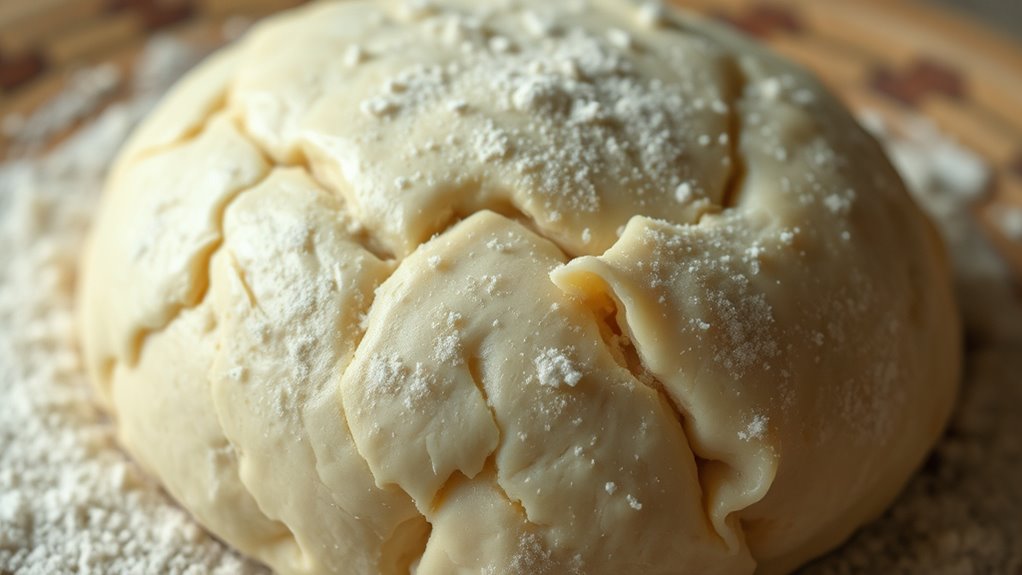
Gluten development is essential in determining your bread’s texture because it forms the network that gives bread its structure. When you mix flour and water, gluten proteins bond, creating a protein network that provides the foundation for your dough. As you knead, this network strengthens, resulting in increased dough strength. A well-developed gluten network traps air bubbles effectively, giving bread its airy, chewy texture. If gluten isn’t developed enough, your bread will be dense and flat because the dough lacks the necessary structure to rise properly. Overkneading can also break down this network, leading to a different kind of density. Understanding gluten formation is key to controlling the final bread texture. Additionally, proper fermentation plays a crucial role in gluten development, influencing the dough’s elasticity and extensibility. Consequently, understanding how gluten forms and strengthens helps you control the texture of your bread, ensuring a light and well-structured final product. Attention to detail during mixing and kneading is crucial for achieving the desired gluten development.
gluten development dough scraper
As an affiliate, we earn on qualifying purchases.
As an affiliate, we earn on qualifying purchases.
How Overkneading Changes Gluten Structure
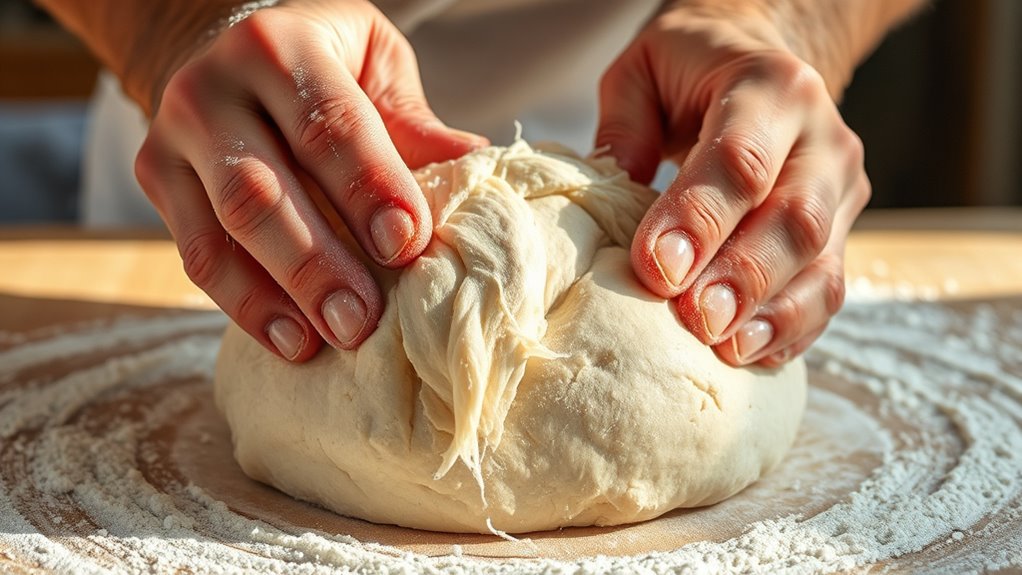
While kneading helps develop a strong gluten network, overkneading can actually weaken and break it down. Excessive kneading causes the gluten strands to become overly stretched and tangled, which hampers their ability to trap gas effectively. Hydration levels play a role here—if the dough is too wet or too dry, overkneading can exacerbate gluten breakdown, leading to a denser texture. Ingredient freshness influences this process as well; fresher ingredients, especially flour, have more active gluten proteins that are more susceptible to overworking. When you knead beyond the ideal point, the gluten structure becomes fragile, resulting in dough that fails to rise properly and produces a dense, heavy loaf. Proper kneading length is essential to maintain the right gluten integrity.
As an affiliate, we earn on qualifying purchases.
How to Spot Overprocessed Dough During Mixing
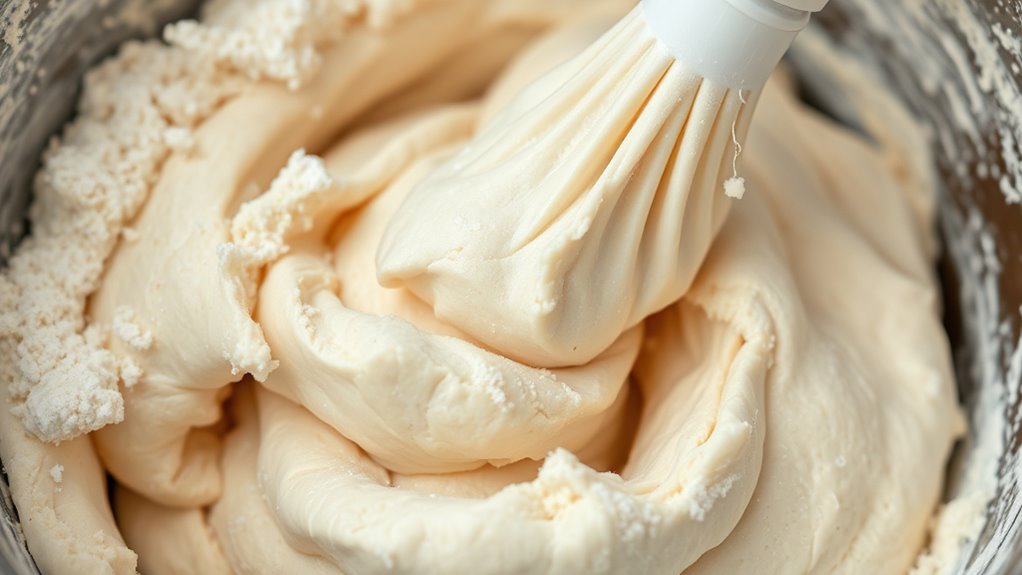
You can often tell if dough is overprocessed during mixing by paying attention to its texture and appearance. Overprocessed dough tends to become very stiff, dry, or overly sticky, making it difficult to shape. Watch for signs like a dough that resists proper fermentation timing—if it doesn’t rise well or develops a dense crumb, it may be overmixed. Also, check the ingredient ratios; too much flour or insufficient hydration can exacerbate overprocessing effects, leading to a tough dough. When mixing, if the dough becomes overly elastic or develops a tight, rough surface quickly, it indicates overworking the gluten network. Recognizing these signs early helps you adjust your process and prevent dense, overworked dough. Additionally, understanding the color accuracy can inspire more sustainable and durable alternatives in your baking containers or kitchen textiles, aligning with eco-friendly practices. Proper dough handling techniques, such as gentle folding and minimal kneading, can help avoid overprocessing and produce a lighter, more tender result. Paying attention to mixing speed and duration can further help prevent overworking the dough, ensuring optimal texture and rise. Being aware of the flour type used can also influence how quickly overmixing occurs, helping you optimize your process.
As an affiliate, we earn on qualifying purchases.
How Excessive Gluten Affects Dough Elasticity
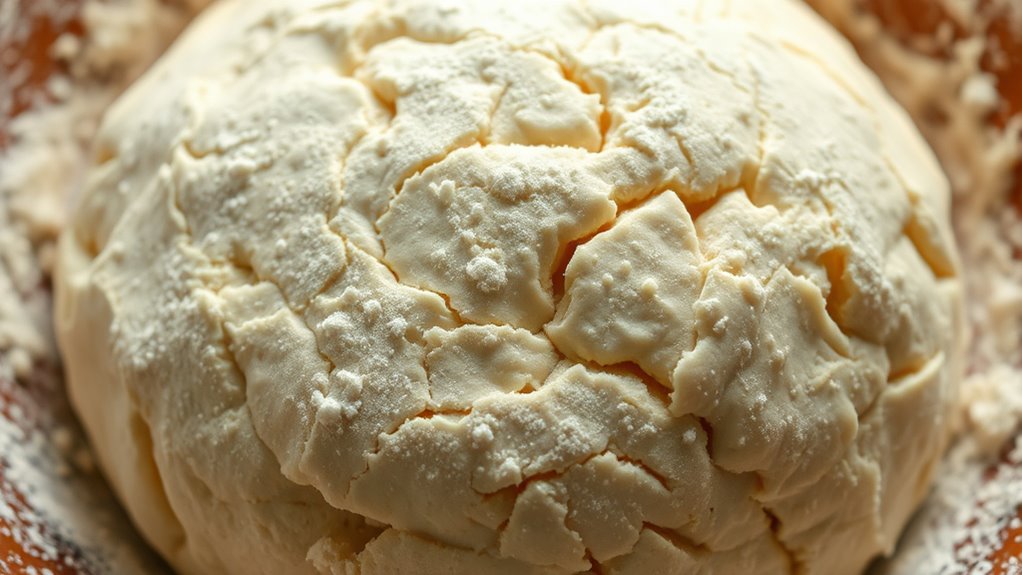
Excessive gluten development causes dough to become overly elastic, which can compromise its texture and handling. When gluten overdevelopment occurs, the dough becomes too stretchy and difficult to shape, making it harder to achieve the desired final product. This increased dough elasticity results from too much gluten forming a strong, tight network that resists expansion. Instead of creating a light, airy crumb, the dough may turn dense and tough because the gluten strands are overworked and too rigid. You might notice that the dough feels excessively springy or resistant when you try to stretch or knead it. To avoid this, stop kneading once the dough reaches the right gluten development, ensuring it maintains ideal elasticity without becoming too elastic or tough. Properly managing gluten development is essential for a reliable baking process and achieving the perfect texture in your baked goods.
How Overworking Dough Prevents Good Rise
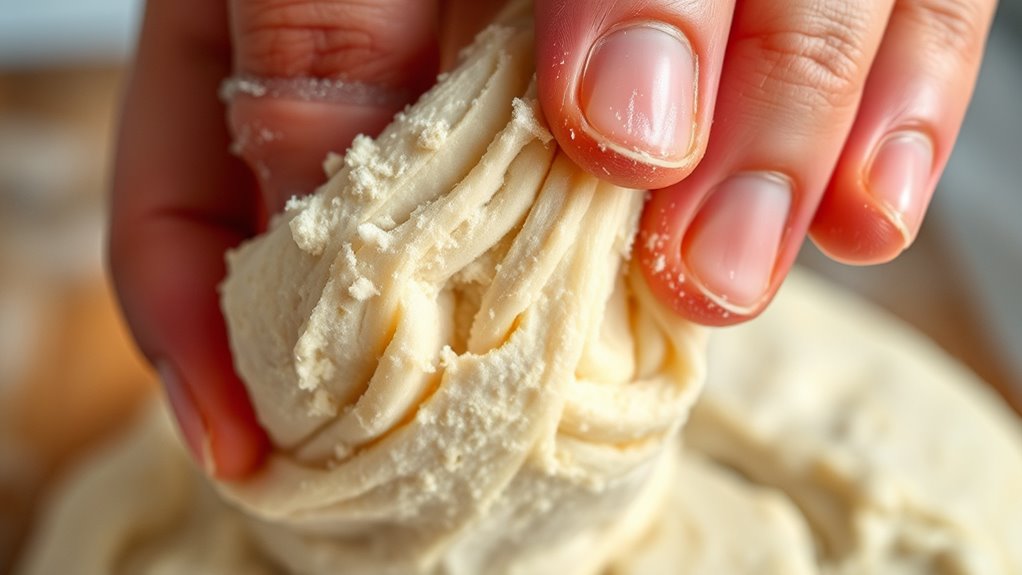
Overworking dough can hinder its ability to rise properly because it damages the delicate gluten network responsible for trapping gas. When you knead or mix excessively, you break down this structure, making it less effective at holding fermentation gases. Proper fermentation timing is essential; if you overwork the dough before fermentation is complete, it can deflate or become dense. Ingredient quality also plays a role—high-quality flour with good gluten development responds better, but overworking still risks damaging that network. To guarantee a good rise, mix until just combined, then let the dough ferment undisturbed. Avoid overkneading during this phase, and trust the fermentation process to develop the dough’s elasticity naturally. Developing an understanding of gluten formation is crucial for bakers aiming for optimal dough texture. Being aware of how dough structure develops during mixing can help prevent overprocessing and ensure a light, airy loaf. Recognizing the importance of proper fermentation can further improve the final product, as fermentation is key to developing dough’s volume and texture. Paying attention to Ingredient quality and how it interacts with gluten development can help achieve consistent results. This balance helps produce a light, airy loaf.
How to Tell If Your Dough Is Under, Proper, or Overprocessed
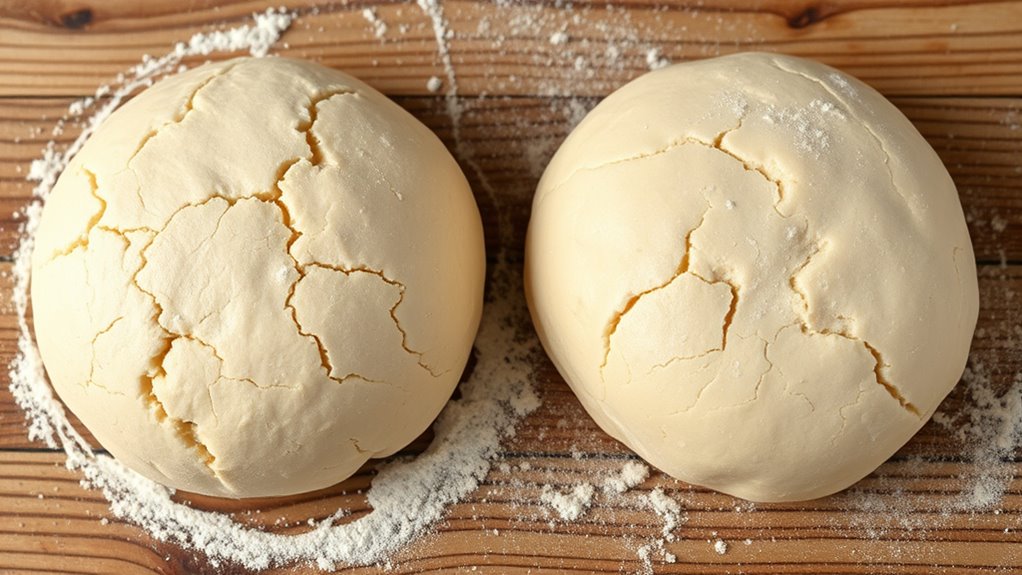
You can tell if your dough is under, properly, or overprocessed by paying attention to its texture and feel. Check its elasticity and stretch—proper dough should be smooth and resilient, while overprocessed dough feels tough and stiff. Also, observe visual cues like surface appearance and how it responds when you handle it to assess its condition accurately. Understanding the gluten development in your dough helps you achieve the desired texture and avoid overworking it. Additionally, the consistency of the dough can indicate whether it has been overprocessed, as overly processed dough often becomes overly dense and less pliable. Recognizing the dough’s elasticity can further guide you in determining if it has been mixed appropriately or overworked. Properly handling and observing these cues ensures optimal texture and helps prevent dense, tough baked goods. Monitoring the mixing time can also be crucial to avoid overprocessing your dough and ensuring a light, airy result.
Texture and Feel
Determining whether dough is under, properly, or overprocessed comes down to its texture and feel. Properly mixed dough should feel smooth, elastic, and slightly tacky, indicating good gluten development. Underprocessed dough feels rough, crumbly, or overly sticky, showing incomplete mixing. Overprocessed dough becomes dense, tough, and stiff, losing its elasticity. Pay attention to flavor balance and ingredient freshness, as overprocessing can diminish subtle flavors. Use this table to assess your dough:
| Texture & Feel | Characteristics | Ideal for |
|---|---|---|
| Underprocessed | Rough, crumbly, sticky | Needs more mixing |
| Properly processed | Smooth, elastic, slightly tacky | Ready for shaping |
| Overprocessed | Dense, stiff, tough | Too far gone, needs adjustment |
Trust your touch to perfect your dough. Additionally, understanding gluten development can help you achieve the perfect texture. Proper kneading and resting times influence dough elasticity, which is crucial for a desirable final product. Recognizing the impact of overprocessing on dough can prevent issues like density and toughness, ensuring a better baking outcome. Being aware of ingredient freshness is also vital, as stale ingredients can affect the dough’s texture and overall quality.
Elasticity and Stretch
When evaluating your dough’s elasticity and stretch, it’s essential to pay close attention to how it responds when pulled or shaped. Good dough elasticity allows you to stretch it easily without tearing, indicating proper gluten development. If the dough resists stretching or snaps back quickly, it has high stretch resistance, which may mean it’s underprocessed. Overprocessed dough, on the other hand, becomes overly elastic, feeling tight and difficult to stretch without tearing, signaling overprocessing. Properly processed dough should feel soft and pliable, with a smooth, elastic texture. By testing how it stretches during shaping, you can gauge its readiness. Remember, the right balance guarantees your dough isn’t too stiff or too slack, leading to better baking results. Understanding dough texture helps you maintain a consistent process and achieve ideal results every time. Additionally, monitoring the dough’s gluten development can provide further insight into its readiness for baking.
Visual Cues
Seeing how your dough looks and feels during shaping provides clear clues about its processing stage. Visual cues are the easiest way to assess dough appearance and determine if it’s under, properly, or overprocessed. For underprocessed dough, it often appears rough, shaggy, and sticky, with uneven texture. Properly processed dough looks smooth, elastic, and slightly tacky but not sticky. Overprocessed dough, by contrast, becomes stiff, dry, and overly firm, losing its stretchiness. Pay attention to these visual cues to avoid overworking your dough, which can lead to a dense texture. Recognizing these signs helps you adjust your technique timely, ensuring your final product achieves the perfect balance of tenderness and structure. Proper dough appearance is key to baking success.
Techniques to Avoid Overprocessing During Kneading
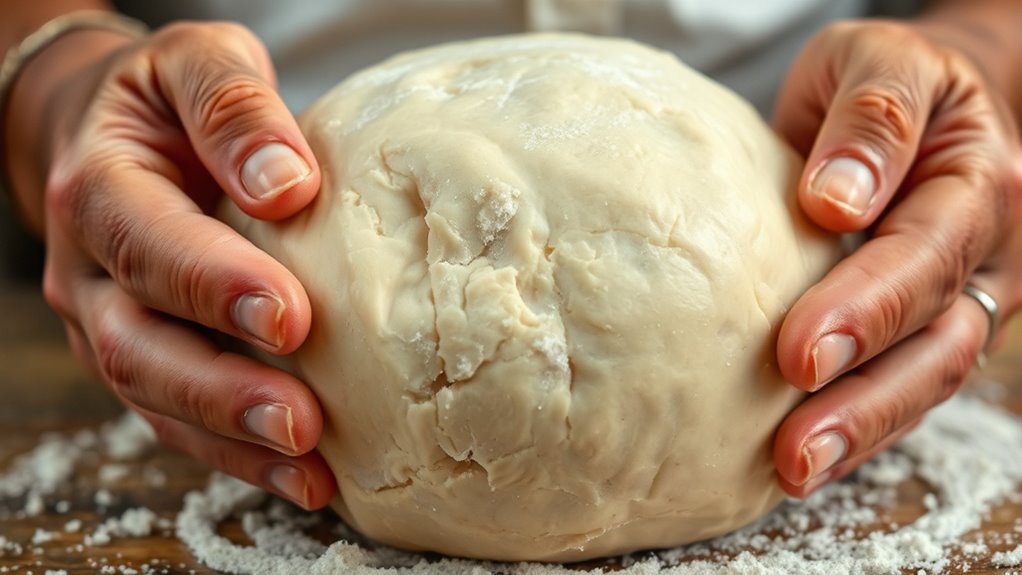
To prevent overprocessing, it’s important to recognize the signs of overkneading early on. Using proper technique, like gentle folding and short kneading periods, helps avoid dense dough. Paying attention to how your dough feels during kneading keeps you in control and prevents overworking it.
Recognize Overkneading Signs
Recognizing the signs of overkneading is essential to prevent your dough from becoming dense. Overkneaded dough feels stiff and resists shaping, making it difficult to punch down easily. It may also lose elasticity, bouncing back when you try to stretch it. During fermentation, overworked dough tends to overdevelop gluten, resulting in a tight structure that hampers proper rising. You’ll notice a less airy crumb after baking and a heavy texture. To avoid this, monitor your kneading time and stop once the dough is smooth and slightly tacky. Pay attention to how it responds—if it feels overly firm or resists gentle shaping, it’s a sign to halt. Recognizing these signs helps you manage fermentation timing and achieve a light, fluffy loaf.
Use Proper Technique
Using proper kneading techniques is key to preventing overprocessing your dough. Focus on maintaining the right dough hydration; add water gradually to avoid making the dough too stiff or sticky. Use gentle, consistent pressure when kneading, and stop once the dough is smooth and elastic. Keep ingredient freshness in mind—fresh ingredients develop better gluten structure, reducing the need for excessive kneading. Avoid overworking the dough by monitoring its texture rather than relying solely on time. Use a bench scraper to turn and fold the dough, preventing over-kneading. Proper technique helps you achieve ideal gluten development without overprocessing, which can lead to dense, tough bread. Remember, less is often more—gentle, mindful kneading preserves the dough’s delicate balance.
Tips for Achieving a Light and Fluffy Crumb
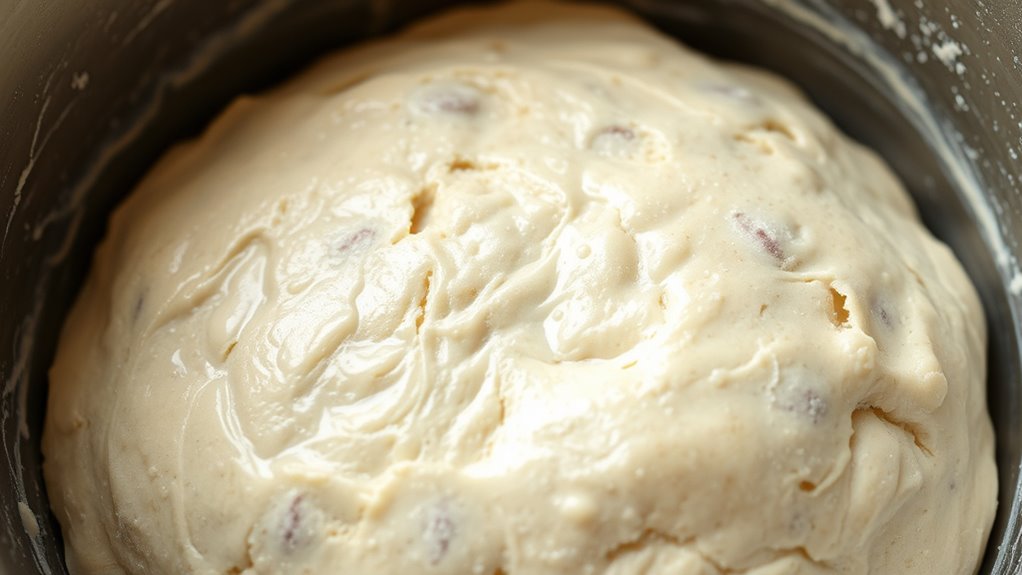
Achieving a light and fluffy crumb starts with understanding how to handle your dough properly. Pay close attention to fermentation timing, as allowing the dough to rise just enough develops the ideal airy structure. Proper ingredient ratios ensure the dough isn’t too dense or heavy, promoting good gluten development. To improve your results:
Handle dough gently, monitor fermentation, and measure ingredients accurately for a light, airy crumb.
- Monitor fermentation closely for ideal rise
- Use accurate measurements for ingredients
- Avoid overmixing once dough has started to develop
- Be gentle when shaping and handling the dough
These steps help prevent overworking your dough, which can make it dense. Remember, patience with fermentation and precise ingredient ratios are key to achieving a soft, airy crumb that’s perfect for your bread.
Mistakes That Cause Overprocessing—and How to Avoid Them
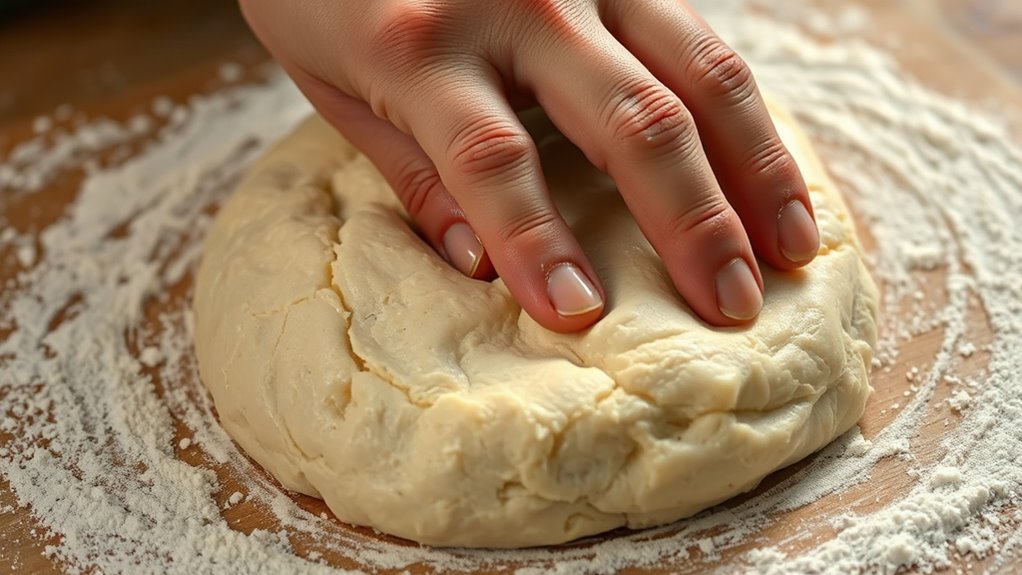
One common mistake that leads to overprocessing dough is mixing or kneading it for too long, which can break down gluten structure and cause the dough to become dense. Overkneading disrupts the balance between gluten development and dough elasticity. Additionally, poor fermentation timing can contribute to overworking the dough; rushing or extending fermentation can lead to a tough texture. Using low-quality ingredients, especially flour with inconsistent protein content, also increases the risk of overprocessing, as weaker flour may require less kneading. To avoid these mistakes, monitor your dough carefully, knead just enough to develop gluten, and respect proper fermentation times. Choose high-quality ingredients for better gluten formation and overall dough strength, preventing overprocessing and resulting in a lighter, airier bake.
Frequently Asked Questions
Can Overprocessing Dough Be Reversed Once It Becomes Dense?
Once dough becomes dense from overprocessing, you can’t fully reverse the gluten development. However, you can try to improve its elasticity by letting it rest, which allows the gluten to relax. Gently knead the dough to redistribute the gluten strands, but be aware that its texture might not fully recover. To prevent this, monitor dough elasticity during mixing and avoid overworking it in the first place.
How Does Overprocessing Impact the Flavor of Bread?
Think of overprocessing as beating a drum until it loses its rhythm. It causes flavor loss because the intense gluten development releases more starch, dulling the dough’s natural taste. Overworked dough can develop a bitter or bland flavor, overshadowing the ingredients’ nuances. When you overprocess, you strip away delicate flavors, leaving a flattened taste profile, so your bread ends up less flavorful and more monotonous.
Are There Specific Types of Flour More Prone to Overprocessing?
Certain flours, especially highly refined ones, are more prone to overprocessing because their gluten development is easier to overdo. When you use flour with a fine grind and minimal bran, it’s more susceptible to overprocessing during mixing or kneading. These flours lack the natural fiber and protein balance found in less refined options, making it easier to overwork and develop gluten, which can lead to dense, tough bread.
What Signs Indicate Dough Is Overprocessed Before Baking?
You might notice your dough becoming overly stiff and sticky, which is a sign of overprocessing. During gluten development, it can become tough and elastic, leading to a sticky texture that’s hard to work with. If you see the dough tearing easily or resisting shaping, it’s likely overworked. Keep an eye on these signs, and you’ll prevent dense, tough baked goods by stopping at the right moment.
How Does Overprocessing Affect the Shelf Life of Baked Bread?
Overprocessing can reduce the shelf stability of baked bread, causing it to spoil faster. The dense texture from overworked dough limits air circulation and promotes mold growth. To improve preservation, you should use proper preservation techniques like airtight storage and refrigeration. These methods help slow down staling and mold, extending the bread’s freshness. So, avoid overprocessing to maintain better shelf stability and enjoy your bread longer.
Conclusion
Just like overworking dough can make it dense and heavy, pushing too far during kneading can ruin your bread’s lightness. By paying attention to your dough’s texture and knowing when to stop, you’ll avoid overprocessing and achieve that perfect, fluffy crumb you’re after. Remember, gentle handling is key—think of your dough as a delicate dance partner, not a workout buddy. With practice, you’ll master the art of crafting airy, delicious bread every time.
Halloween Picks
halloween
As an affiliate, we earn on qualifying purchases.