
TL;DR

Get baking supplies delivered free with Prime
- Fast, free delivery on millions of items
- Prime Video, Amazon Music and more included
- Member-only deals all year
USDA’s Food Safety and Inspection Service issued a public health alert for two Grace canned chicken Vienna-style sausage products imported from Jamaica, which is not eligible to export meat or poultry to the United States. No related illnesses or injuries have been confirmed; consumers should not eat the products and should discard them or return them to the store.
The U.S. Department of Agriculture’s Food Safety and Inspection Service (FSIS) has warned consumers not to eat two types of canned Grace chicken Vienna-style sausages that were illegally imported from Jamaica. FSIS said Jamaica is not eligible to export meat or poultry products to the United States and is investigating how the cans entered the country; no related illnesses or injuries have been confirmed.
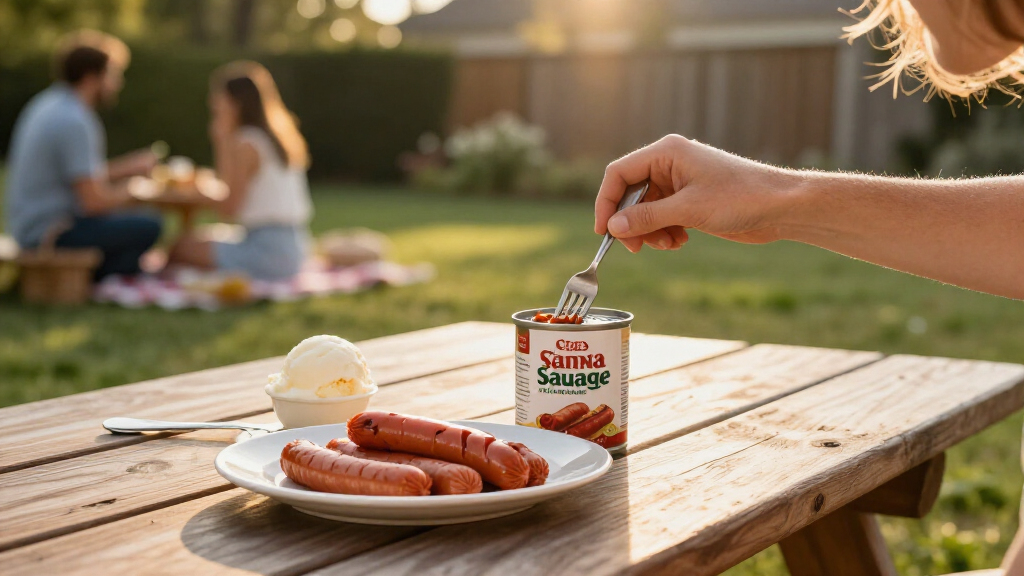
The alert covers 140-gram cans labeled “GRACE READY TO EAT CHICKEN VIENNA SAUSAGES” and “GRACE READY TO EAT CHICKEN VIENNA SAUSAGES HOT & SPICY.” FSIS says the products are subject to the alert regardless of product date. The cans bear establishment number “EST. NO G-01” inside the Jamaica mark of inspection.
The importer distributed the products to retail locations in Alabama, Florida, Georgia, Maryland and Texas. FSIS discovered the issue through routine surveillance of imported products in commerce. The agency has not reported a confirmed illness or injury linked to consumption of the sausages.
FSIS says it is concerned that consumers may still have the cans in their pantries. Anyone who bought either product is urged not to eat it. Consumers should throw the cans away or return them to the place of purchase. Anyone who is concerned about a possible illness or injury should contact a health care provider.
What the Alert Means for Shoppers
The warning gives consumers a clear action to take even though no illnesses have been confirmed: check for the product names and establishment number, and do not consume the cans if they match. Because the products are shelf-stable and may have been stored at home, the alert applies to cans already purchased, not only items still on store shelves.
The issue identified by FSIS is the products’ unauthorized importation. The agency says Jamaica is not eligible to export meat or poultry to the United States. The alert does not identify a specific contamination or illness hazard, so consumers should not infer that one has been established. FSIS has not released details about the reason for the warning beyond the import eligibility issue.
Checking the label matters because the alert names two varieties and a specific package size. FSIS says the warning applies regardless of product date, so a date printed on a can does not make a matching product exempt from the alert.
Products Worth Considering

Cuisinart 14-Cup Food Processor, 720-Watt, Stainless Steel (DFP-14BCNY)

Cuisinart Pro Custom 11-Cup Food Processor, Brushed Chrome (DLC-8SBCYP1)

KitchenAid 13-Cup Food Processor, KFP1318, Contour Silver
As an affiliate, we earn on qualifying purchases.
How FSIS Found the Cans
FSIS monitors imported products in commerce as part of its food-safety oversight. In this case, the agency says routine surveillance led to discovery of the canned sausages. It then issued a public health alert while continuing to investigate how the products entered the United States.
The source report describes the products as illegally imported from Jamaica, rather than reporting a manufacturer-initiated recall. The alert provides the product names, can size, establishment number, and states where the importer distributed them to help shoppers identify the cans. It does not provide store names or individual lot information.
““Consumers who have purchased these products are urged not to consume them.””
— USDA Food Safety and Inspection Service
Import Route and Retail Details
FSIS has not said how the cans entered the country or provided a timeline for completing its investigation. The agency has also not named the retail locations, identified specific lots, or reported whether the products have been removed from every store that received them.
No confirmed illnesses or injuries have been linked to the sausages, according to the report. FSIS has not described a specific contamination finding or other product defect. The reason for the alert, beyond the products’ ineligible country of origin and import status, remains unclear.
FSIS Investigation Continues
FSIS says it is continuing to investigate the products’ entry into the United States. The agency has not announced a completion date or described any next enforcement steps. Consumers should follow the current instruction: do not eat matching cans; discard them or return them to the retailer.
People who believe they may have become ill or injured after eating the product should contact a health care provider. Any further information about distribution, retail removal, or the investigation would need to come from FSIS or other responsible authorities; those details were not included in the report published October 6, 2026.
Key Questions
Which Vienna sausage products are covered by the USDA alert?
The alert covers 140-gram cans labeled “GRACE READY TO EAT CHICKEN VIENNA SAUSAGES” and “GRACE READY TO EAT CHICKEN VIENNA SAUSAGES HOT & SPICY.” Look for establishment number “EST. NO G-01” inside the Jamaica mark of inspection.
What should I do if I have one of these cans?
Do not eat it. FSIS advises consumers to throw the product away or return it to the place of purchase. The warning applies regardless of product date.
Have any illnesses been reported?
The report says there are no confirmed reports of illness or injury related to consumption of these products. Anyone concerned about a possible illness or injury should contact a health care provider.
Where were the products distributed?
The importer distributed them to retail locations in Alabama, Florida, Georgia, Maryland and Texas. FSIS has not provided store names in the available report.
Why did USDA issue the alert?
FSIS says the products were illegally imported from Jamaica, which is not eligible to export meat or poultry products to the United States. The agency discovered them through routine surveillance and is investigating how they entered the country.
Source: rss