
Cream-filled desserts are safe at room temperature for no more than two hours, or just one hour if the room exceeds 80°F. After that, bacteria can grow quickly, increasing the risk of foodborne illness. To keep your desserts fresh and safe, store them in the refrigerator in an airtight container and only take out what you plan to serve soon. If you want practical tips on proper storage and handling, keep exploring this topic.

Get baking supplies delivered free with Prime
- Fast, free delivery on millions of items
- Prime Video, Amazon Music and more included
- Member-only deals all year
Key Takeaways
- Cream-filled desserts are safe at room temperature for up to 2 hours; reduce to 1 hour if above 80°F.
- Bacteria growth increases quickly after the safe time window, raising food safety risks.
- Keep desserts refrigerated in an airtight container until serving to maintain freshness and prevent spoilage.
- Avoid leaving cream-filled desserts out longer than recommended to prevent foodborne illness.
- Always follow ingredient and storage guidelines, especially for perishable fillings like dairy and eggs.

Cream-filled desserts are beloved treats that combine soft, delicate pastries with rich, luscious fillings. Whether it’s a cream puff, eclair, or cannoli, these desserts are a favorite for many. But knowing how long they’re safe to stay at room temperature is key to enjoying them without worry. Generally, you should limit leaving cream-filled desserts out for more than two hours. After that, bacteria can start to grow, increasing the risk of foodborne illness. If the room temperature is warm—above 80°F—it’s best to reduce that window to just one hour. To keep them fresh longer, store cream-filled desserts in the refrigerator, ideally in an airtight container. This keeps the fillings from drying out and prevents absorption of odors from other foods. When you’re ready to serve, take them out just a little while before eating so they’re not cold but still safe to consume.
Proper storage tips are essential, especially if you’re making these desserts ahead of time or if you’re transporting them. Use a container with a tight-fitting lid or plastic wrap to avoid contamination and keep the desserts from drying out. If the filling contains dairy, eggs, or other perishable ingredients, refrigeration is a must. Always check the ingredients and follow the manufacturer’s or recipe’s guidance for storage. Remember that even if the dessert looks and smells fine, bacteria can be present without any visible signs, so erring on the side of caution helps prevent illness.
Allergy considerations are also important when handling and serving cream-filled desserts. Many fillings contain ingredients like dairy, eggs, nuts, or gluten, which can trigger allergic reactions. If you’re serving them to others, be transparent about the ingredients used, especially if you’re unsure whether someone has allergies or sensitivities. For your own safety, if you or someone else has a food allergy, double-check labels or recipes before consuming. Cross-contamination can happen if utensils or surfaces aren’t thoroughly cleaned, so always use separate tools when preparing or serving.
Products Worth Considering
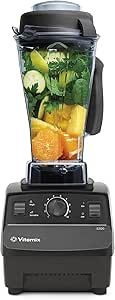
Vitamix 5200 Professional-Grade Blender, 64 oz. Container, Black

Traeger Pro 22 Wood Pellet Grill and Smoker, 572 sq. in.

Ninja Sizzle Indoor Grill and Griddle, 14-Inch, Grey/Silver (GR101)
As an affiliate, we earn on qualifying purchases.
Frequently Asked Questions
Can Cream-Filled Desserts Be Frozen Safely?
Yes, you can freeze cream-filled desserts safely if you follow proper freezing tips and packaging guidelines. Make sure they are tightly wrapped in plastic wrap or stored in airtight containers to prevent freezer burn and maintain freshness. Label the packages with dates to track storage time. Most cream-filled desserts can be frozen for up to 2-3 months, but for best quality, consume them within this period.
How Can I Tell if They’Ve Spoiled?
Coincidences often reveal spoilage indicators in cream-filled desserts. If you notice a sour smell, off-taste, or a change in texture—like sliminess or bubbling—it’s time to discard them. Proper storage tips include keeping these desserts refrigerated and consuming them within a couple of days. Trust your senses; if anything seems unusual, it’s safest to avoid eating them. Better safe than sorry with perishable treats.
Are There Specific Storage Containers Recommended?
You should use airtight containers or glass storage to keep cream-filled desserts fresh. These containers prevent air from entering, slowing spoilage and maintaining quality. Glass storage is especially good because it’s non-reactive and easy to clean, ensuring no odors transfer. Make sure the containers are well-sealed and stored in a cool, dry place. Proper storage extends their freshness and helps you avoid spoilage or contamination.
Do Different Types of Cream Have Different Shelf Lives?
Different types of cream impact cream preservation and shelf life extension. Heavy cream and whipped cream typically last longer due to higher fat content, while dairy-based fillings like custard or cream cheese have shorter shelf lives. You should always check labels and storage tips, keep creams refrigerated when possible, and consume them promptly to guarantee safety and freshness. Understanding these differences helps you maximize their shelf lives and enjoy your desserts safely.
How Does Humidity Affect Their Safety at Room Temperature?
Humidity impact substantially affects the safety of cream-filled desserts at room temperature. High storage humidity creates a moist environment that encourages bacterial growth and mold, shortening their safe storage time. You should keep desserts in a cool, dry place, and avoid areas with high humidity. Proper storage humidity helps maintain freshness and prevents spoilage. If humidity levels are high, it’s best to refrigerate these treats to ensure they stay safe longer.
Conclusion
Just like a delicate flower wilts without proper care, cream-filled desserts can spoil quickly if left out too long. I once left a pastry on the counter for a few hours, only to find it had gone sour—reminding me that these treats are fragile. Always keep them refrigerated or consume within the safe time frame. Treat your desserts with respect, and they’ll stay fresh and delicious—like a treasured secret kept safe from the heat.