If your gluten-free cake sinks, it’s likely due to weak structure and uneven rising. To fix this, use binders like xanthan gum to mimic gluten’s elasticity, carefully fold whipped egg whites into your batter for added aeration, and avoid overmixing. Also, bake at a slightly lower temperature and keep the oven door closed during baking to support proper rise. For more tips on preventing sinking, explore further solutions that can help stabilize your cake.
Key Takeaways
- Incorporate proper binders like xanthan gum to improve batter elasticity and support rising.
- Gently fold whipped egg whites into the batter to add aeration and stability.
- Avoid overmixing to prevent excess air that can’t be supported, causing sinking.
- Bake at a slightly lower temperature to ensure even rising and prevent rapid crust formation.
- Do not open the oven door early; maintain consistent heat to support proper structure development.
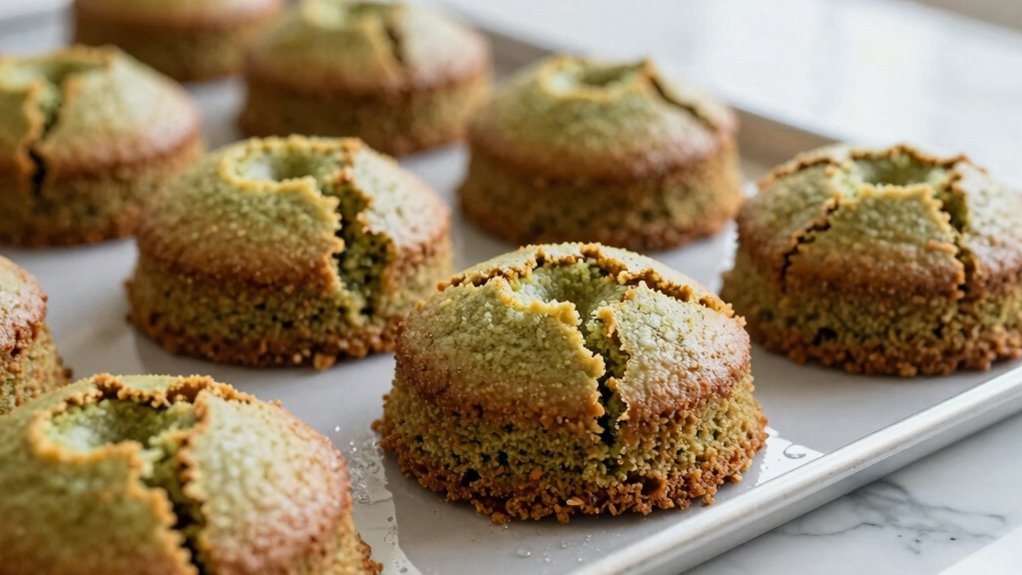
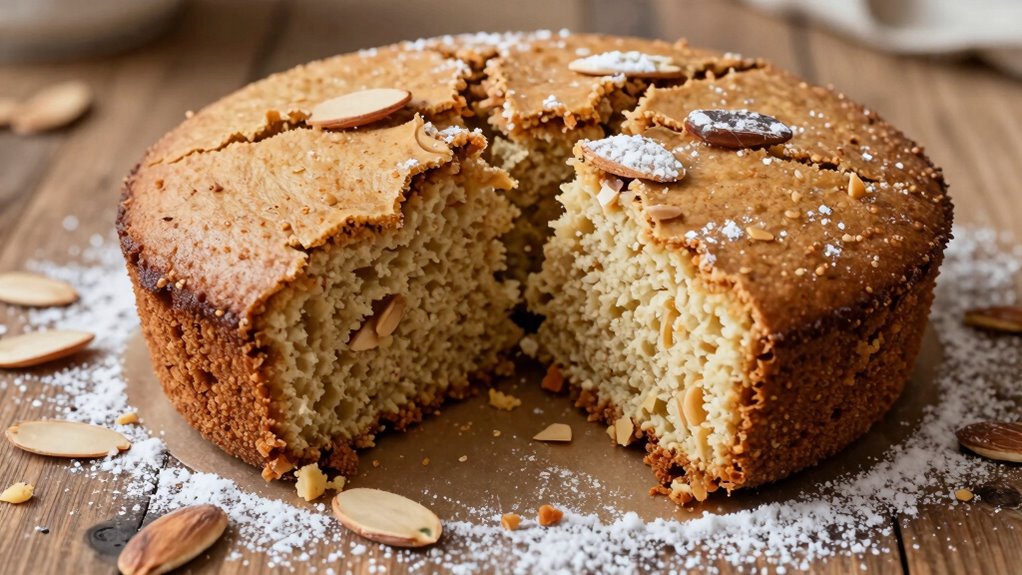
If your gluten-free cakes keep sinking in the middle, you’re not alone. Many bakers struggle with achieving the perfect rise and structure, especially when dealing with the unique challenges of gluten-free baking. The key to preventing sinking often lies in understanding gluten free cake textures and how to make smart baking ingredient substitutions. Gluten-free cakes tend to be denser and more delicate than traditional ones, which makes them prone to collapsing if the ingredients aren’t balanced correctly. To fix this, start by examining your ingredient choices and how they interact to create a stable structure.
One common issue is overmixing batter, which can deflate the rise and cause the cake to sink. When you mix too vigorously, you incorporate excess air that may not hold up during baking, especially if your batter lacks gluten’s elasticity. Instead, mix just until ingredients are combined, and gently fold in any delicate components like whipped egg whites. Speaking of egg whites, incorporating them properly can substantially improve your gluten free cake textures, giving your cake the lift it needs. Whipping egg whites to soft peaks and folding them in gently adds aeration without deflating the batter, resulting in a lighter, more resilient crumb that resists sinking.
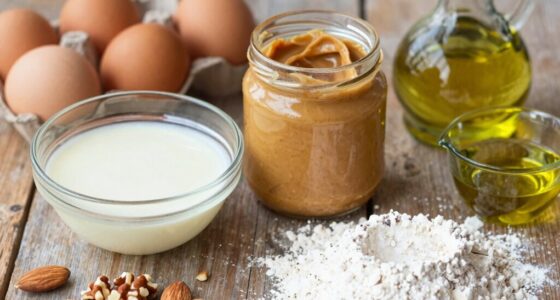
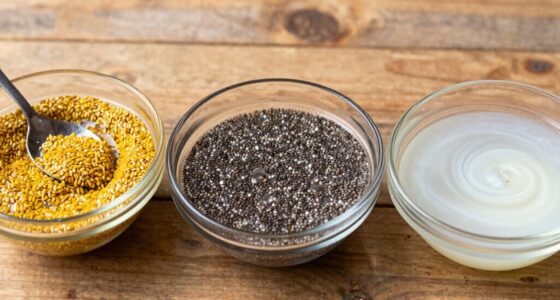
Another essential fix involves your baking ingredient substitutions. Many gluten-free recipes replace traditional wheat flour with alternatives like rice flour, almond flour, or tapioca starch. While these can create delicious cakes, they also affect structure since they lack gluten’s binding power. To counter this, add binders such as xanthan gum or guar gum, which mimic gluten’s elasticity and help trap air during baking. Using the right amount is critical; too little, and your cake remains fragile; too much, and it becomes rubbery. Adjusting these ratios based on your specific ingredients can make a big difference in preventing your cake from collapsing.
Temperature control also plays an important role. Baking at too high a temperature can cause the outer layer to set too quickly while the inside is still rising, resulting in a sunken middle. Use an oven thermometer to ensure consistent heat and consider reducing the temperature slightly if your cakes tend to sink. Additionally, avoid opening the oven door during the initial baking phase, as sudden temperature drops can cause the structure to collapse.

It's Just – Xanthan Gum, 8oz, Batch Tested Gluten Free, Keto Baking, Non-GMO, Thickener for Sauces, Soups, Dressings, Packaged in USA
It's Just – Xanthan Gum, 8oz, Batch Tested Gluten Free, Keto Baking, Non-GMO, Thickener for Sauces, Soups, Dressings,…
As an affiliate, we earn on qualifying purchases.
As an affiliate, we earn on qualifying purchases.
Frequently Asked Questions
Can Ingredient Substitutions Cause Cakes to Sink?
Yes, ingredient swaps can cause cakes to sink, especially if you use incorrect gluten-free options. Substituting flours or leavening agents without proper adjustments can impact the batter’s structure, leading to sinking. For best results, use tested gluten-free options and follow specific recipes designed for those ingredients. This helps ensure your cake remains stable and rises properly, avoiding common issues like sinking or collapsing.
How Does Oven Temperature Affect Cake Rising?
Ever wondered how oven temperature impacts your cake’s rise? It definitely plays a vital role. If your oven’s too hot, the outside sets too quickly, preventing proper rising, which can cause sinking later. Too cool, and the cake won’t rise enough, resulting in a dense crumb. To get a perfect rise, keep your oven at the correct temperature, as it directly affects the rising impact and overall texture.
Are There Specific Gluten-Free Flours That Prevent Sinking?
You should try using specific gluten-free flour blends designed for better structure, which can help prevent sinking. Look for options with xanthan gum or guar gum, as they provide stability and elasticity. Alternative flour options like almond, coconut, or sorghum flour can also improve your cake’s firmness. Experimenting with these flours and blends allows you to find the perfect combination that maintains height and prevents your gluten-free cake from sinking.
Does Cake Size Influence Its Tendency to Sink?
Yes, cake size influences its tendency to sink. Using a larger cake pan can cause the batter to be too thin, increasing the risk of sinking, especially if your batter consistency isn’t right. To prevent this, choose an appropriately sized cake pan and make sure your batter is thick enough to hold its shape. Adjusting the pan size helps your gluten-free cake bake evenly and stay upright.
How Does Mixing Technique Impact Cake Structure?
Imagine you’re making a gluten-free cake, and you notice it sinks in the middle. Your mixing technique impacts its structure—mixing at the right speed makes certain of proper gluten development, while overmixing can create too much air, causing sinking. Keep your speed moderate, mix just until ingredients combine, and avoid overmixing issues. This balance maintains a stable, airy crumb, preventing your cake from collapsing after baking.
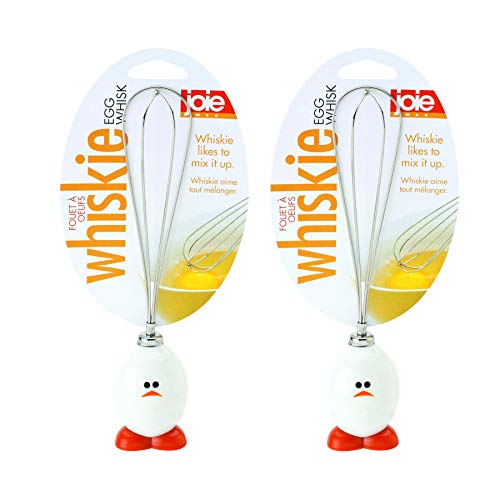
MS International Joie Whisky Egg and Batter Whisk, Stainless Steel Wires, White, Set of 2
Joie Whisky Egg Whisk whips up fluffy egg whites, sauces, gravy, and batters quickly and easily
As an affiliate, we earn on qualifying purchases.
As an affiliate, we earn on qualifying purchases.
Conclusion
Don’t let sinking gluten-free cakes dampen your baking spirit. With these simple structure fixes, you can confidently create fluffy, beautiful cakes every time. Sure, it might seem tricky at first, but remember, every baker faces setbacks—what matters is your willingness to improve. Keep experimenting and trusting your instincts. Your delicious, perfectly risen cake is just a few tweaks away. You’ve got this—your baking success story is waiting to be baked!

Carrington Farms Xanthan Gum – Non-GMO, Gluten-Free, Zero Calories & Vegan – 5oz – Keto-Friendly Thickener & Binder for Gluten-Free Baking, Smoothies, Sauces & Dressings
Gluten-free Binder: Carrington Farms Xanthan Gum is the perfect addition to gluten-free cooking, helping bind ingredients together and…
As an affiliate, we earn on qualifying purchases.
As an affiliate, we earn on qualifying purchases.

AcuRite 00620A2 Stainless Steel Oven Thermometer (150°F to 600°F)
Oven and grill safe for leave-in use while cooking
As an affiliate, we earn on qualifying purchases.
As an affiliate, we earn on qualifying purchases.