Tart dough shrinks mainly because of gluten development and heat. When you overmix or knead, gluten strands form and tighten during baking, causing contraction. Managing temperature and moisture is key—baking at a moderate heat helps prevent gluten tightening, while proper resting relaxes gluten. Using techniques like chilling and blind baking can also keep your crust stable. Keep exploring to discover how to fine-tune your process for a perfect, shrink-resistant tart crust.
Key Takeaways
- Overworking dough develops strong gluten networks that contract and cause shrinkage during baking.
- Resting dough relaxes gluten, reducing contraction and helping maintain shape.
- High oven heat tightens gluten, leading to dough contraction and warping.
- Proper starch gelatinization stabilizes the crust but can pull moisture from gluten, affecting shape.
- Handling dough gently, chilling thoroughly, and using proper techniques minimize gluten elasticity and shrinkage.
As an affiliate, we earn on qualifying purchases.
How Does Gluten Develop in Tart Dough?

Gluten development in tart dough begins when you mix the flour with water. As you combine these ingredients, gluten formation starts to occur, creating a network of proteins that give your dough structure. The more you knead or handle the dough, the stronger this gluten network becomes. This process enhances dough elasticity, allowing it to stretch without tearing, which is essential for a smooth, workable texture. Proper gluten development ensures your tart crust can hold fillings without collapsing or cracking. However, overworking the dough can lead to excessive gluten, making it tough and difficult to roll out. Balancing mixing and handling is key to achieving the ideal gluten formation for a tender, yet sturdy tart crust. Additionally, controlling the mixing technique can prevent overdevelopment and maintain the desired texture. Being mindful of dough handling helps in preventing toughness caused by excessive gluten formation. Furthermore, understanding the role of heat in gluten development can assist in controlling the final dough consistency. A good understanding of gluten formation can also help in adjusting recipes for different textures and uses.
As an affiliate, we earn on qualifying purchases.
How Heat Causes Gluten to Contract During Baking?
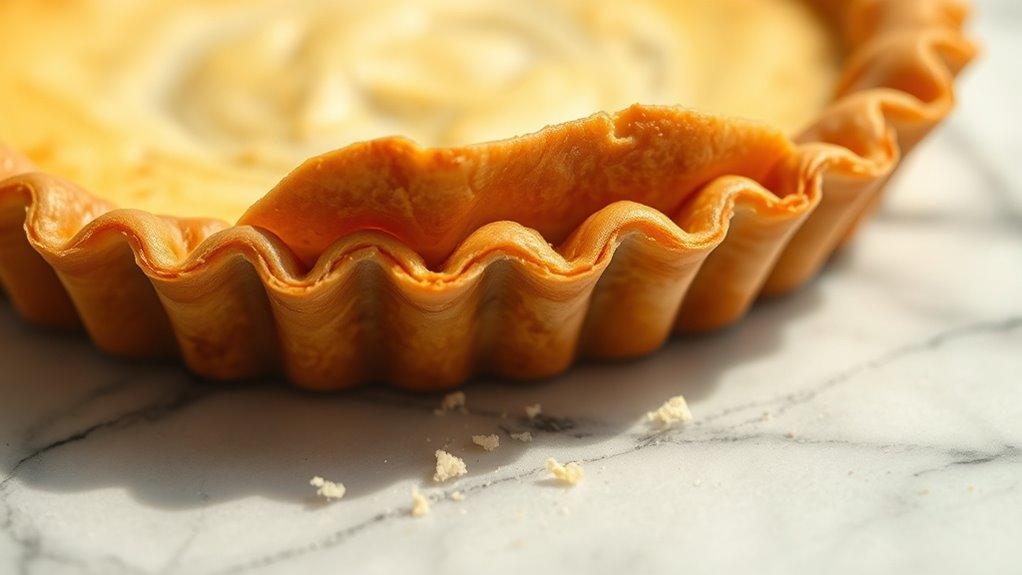
As the oven heats your tart, the gluten network tightens, causing the dough to contract. Meanwhile, starch gelatinization weakens the structure, influencing how much the dough shrinks. Temperature-driven contraction then accelerates this process, leading to the familiar shrinkage you see after baking. Understanding gluten behavior helps bakers anticipate and mitigate this effect for better results.
Gluten Network Tightening
When heat is applied during baking, it triggers a contraction in the gluten network, causing it to tighten and become more elastic. As the temperature rises, the protein strands in the dough contract, reducing the overall slack and making the dough stiffer. This tightening increases dough elasticity, which helps it hold its shape but also contributes to shrinkage if not managed properly. You’ll notice that as the gluten network tightens, the dough becomes less pliable and more resistant to stretching. This process is essential for creating a sturdy tart crust, but excessive tightening can lead to unwanted shrinkage. To control this, you can use techniques like chilling the dough or blind baking to minimize gluten contraction and achieve a smooth, well-shaped crust.
Starch Gelatinization Effects
Heat causes starch granules in the dough to absorb moisture and swell, leading to gelatinization. This process turns the starch into a gel-like structure, which stabilizes the dough’s shape. As heat effects intensify, the starch granules fully gelatinize, creating a firm matrix that supports the crust. Additionally, the color temperature adjustments during baking can influence the final appearance of the tart crust. Proper temperature control can also help optimize the energy efficiency of baking, aligning with sustainable practices. Here’s what happens: 1. Starch gelatinization fills the dough’s gaps, reducing flexibility. 2. The gel formation pulls moisture away from gluten, causing it to contract. 3. This contraction contributes to the overall shrinkage of the tart dough during baking. Understanding starch gelatinization helps you see how heat influences dough behavior, not just through gluten but also via the structural changes in starch. These heat effects are essential for controlling tart shrinkage and achieving the desired crust texture.
Temperature-Driven Contraction
During baking, the rising temperatures cause gluten proteins to tighten and contract, which shapes the dough’s final structure. As heat increases, dough elasticity decreases because gluten strands become more rigid, leading to shrinkage. Temperature effects play a key role in this process: higher heat causes gluten to contract more intensely, pulling the dough inward. This contraction is a natural response to the heat, as gluten proteins lose their flexibility and tighten. If the oven temperature is too high or uneven, it can accelerate gluten contraction unevenly, resulting in excessive shrinkage or warping of your tart. Understanding how temperature influences gluten elasticity helps you manage baking conditions better, ensuring your tart maintains its shape and a consistent texture without unwanted shrinkage. Additionally, baking temperature can influence other components of dough, such as starch gelatinization, which also impacts the final product’s texture and appearance. Proper temperature control is essential for achieving desired baking results, as it helps prevent uneven contraction and maintains dough integrity. Being mindful of oven heat distribution can further improve your baking outcomes by promoting even cooking and contraction.
Furthermore, controlling the baking environment can help mitigate excessive gluten contraction and improve overall tart quality.
As an affiliate, we earn on qualifying purchases.
How Fat and Moisture Help Prevent Dough Shrinkage?
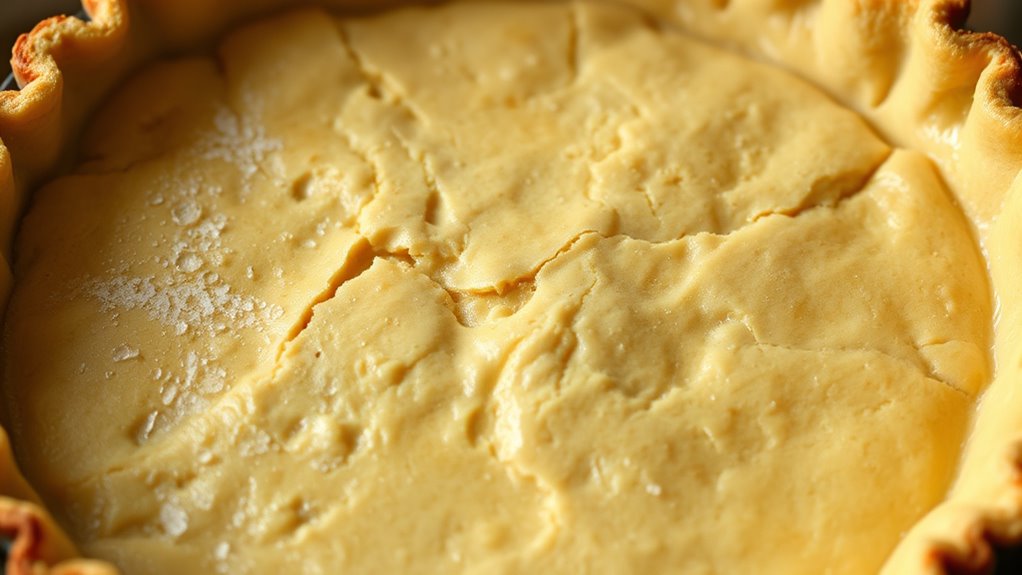
Adding fat and moisture to your dough plays an essential role in preventing shrinkage because they help strengthen the gluten network and improve elasticity. Higher fat content coats gluten strands, making the dough more flexible and less prone to tightening during baking. Moisture retention keeps the dough moist, preventing it from drying out and shrinking as it cools. To maximize these effects, consider: 1. Incorporating enough fat to create a tender, pliable dough. 2. Adding water or other liquids to boost moisture retention. 3. Avoiding overmixing, which can break down gluten and reduce the benefits of fat and moisture. Additionally, understanding the gluten network and how it reacts to heat can further help in controlling dough shrinkage. Properly managing these factors can also contribute to dough elasticity, ensuring a more consistent and desirable final product. Recognizing how heat affects gluten can help bakers adjust techniques for optimal results. Moreover, controlling oven temperature and baking time can influence how the gluten structure responds during baking, impacting overall dough stability. Incorporating techniques to monitor and adjust baking temperature can further optimize the dough’s resilience during baking.
gluten development dough scraper
As an affiliate, we earn on qualifying purchases.
As an affiliate, we earn on qualifying purchases.
Why Does Tart Dough Usually Shrink? Common Causes Explored?

Tart dough often shrinks during baking because of common structural issues that weaken its stability. One key cause is ingredient quality; low-quality flour or butter can lead to uneven gluten development and poor dough consistency. When your dough isn’t mixed properly or is too warm, gluten strands become overly relaxed, increasing the likelihood of shrinking. Additionally, if the dough is rolled too thin or handled excessively, its structure weakens, making it prone to contraction during baking. Insufficient chilling also plays a role, as it prevents the dough from setting properly. By focusing on high-quality ingredients and maintaining consistent dough texture, you can help prevent these issues and reduce shrinkage, resulting in a more stable, evenly baked tart crust.
How to Minimize Gluten Formation When Making Tart Crust?
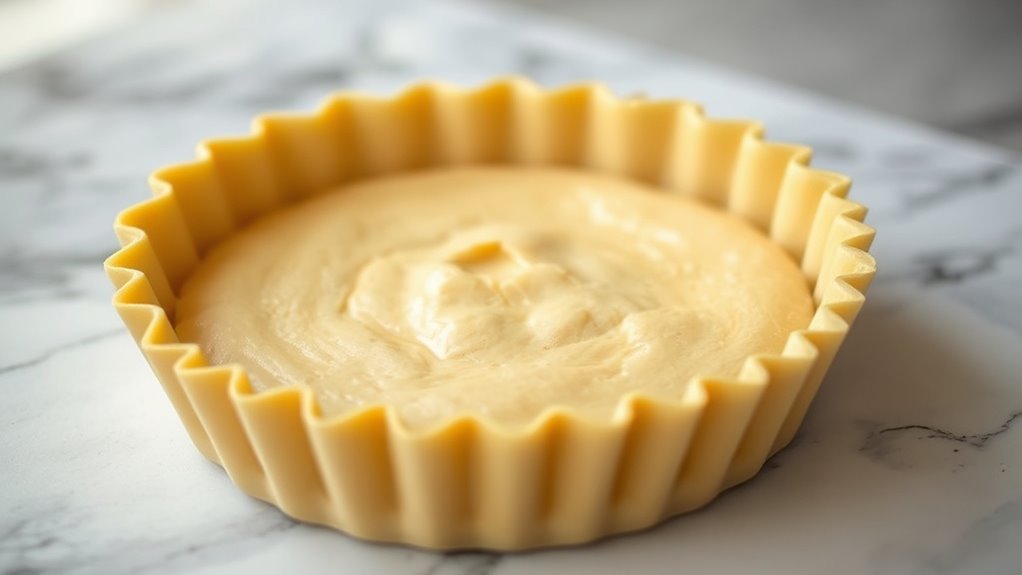
To minimize gluten formation when making tart crust, focus on handling the dough gently and avoiding overmixing. Overworking the dough activates gluten, making it tough and prone to shrinkage. To keep it tender, consider these pastry dough techniques:
- Use gluten-free alternatives like almond or rice flour if you want a softer, more delicate crust.
- Mix ingredients just until combined, stopping as soon as the dough comes together.
- Chill the dough before rolling to relax the gluten strands and prevent overactivation during shaping.
- Incorporate gentle handling techniques to further reduce gluten development and improve dough texture. Additionally, understanding architectural solutions can inspire innovative approaches to pastry presentation and design. Employing proper dough handling methods ensures the gluten remains minimal and the crust stays tender. Applying these techniques for gluten control helps prevent shrinkage and maintains the desired crust quality. Using proper mixing methods can also contribute to controlling gluten development and achieving a tender crust.
These approaches help you control gluten development without sacrificing texture. By handling your dough with care and selecting suitable ingredients, you’ll achieve a tender, stable tart crust that resists shrinkage and maintains its shape.
Handling and Resting Tips for a Stable Tart Dough?
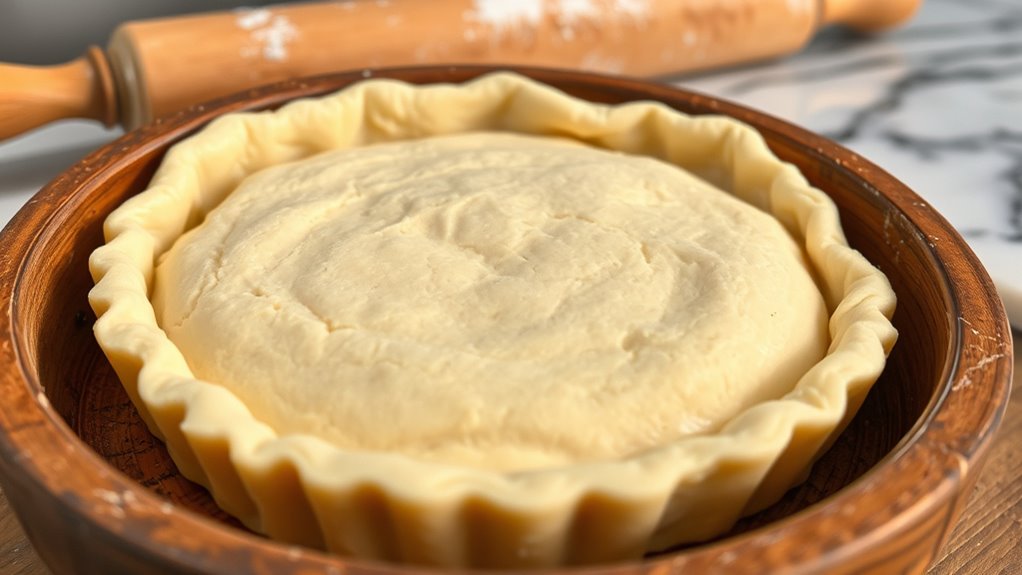
To keep your tart dough stable, make sure to give it proper resting time so the gluten relaxes. Handle the dough gently to avoid stretching or tearing, which can cause shrinkage. Additionally, gluten development can be minimized by using a gentle mixing technique and avoiding overworking the dough. Proper resting techniques allow the gluten strands to loosen, further preventing shrinkage during baking. Incorporating simple systems into your process can help maintain consistency and reduce the risk of overhandling, ensuring your tart maintains its shape and texture during baking.
Proper Resting Time
Allowing your tart dough to rest properly is essential for achieving a stable, crack-free crust. Resting helps relax gluten, reducing shrinkage and improving handling. For ideal results:
- Chill the dough for at least 30 minutes, or up to 2 hours, to enhance flavor and make rolling easier.
- Wrap it tightly in plastic wrap to prevent drying out, especially if you plan to do ingredient substitution for dietary needs.
- Resting time also allows the dough’s flavors to develop, providing a better base for flavor enhancement in your final tart.
Gentle Handling Techniques
Handling your tart dough gently is essential for maintaining its structure and preventing shrinkage. Rough handling can activate gluten, reducing dough elasticity and causing it to retract during baking. To promote gluten relaxation, work with minimal pressure, avoid over-kneading, and chill the dough before rolling. Resting the dough also helps develop a stable gluten network, making it easier to handle. Use the following tips:
| Tip | Why it Matters | Best Practice |
|---|---|---|
| Chill before handling | Keeps gluten relaxed, firming dough | Refrigerate 30 minutes before rolling |
| Use light pressure | Prevents gluten over-activation | Gently flatten with rolling pin |
| Rest after shaping | Allows gluten to relax further | Rest 15 minutes before baking |
| Avoid overworking | Maintains dough elasticity | Handle dough as little as possible |
| Keep dough cold | Prevents stickiness and shrinkage | Work on a cold surface |
This approach ensures a tender, shrink-resistant tart crust.
How Baking Temperature and Time Affect Dough Shrinkage?
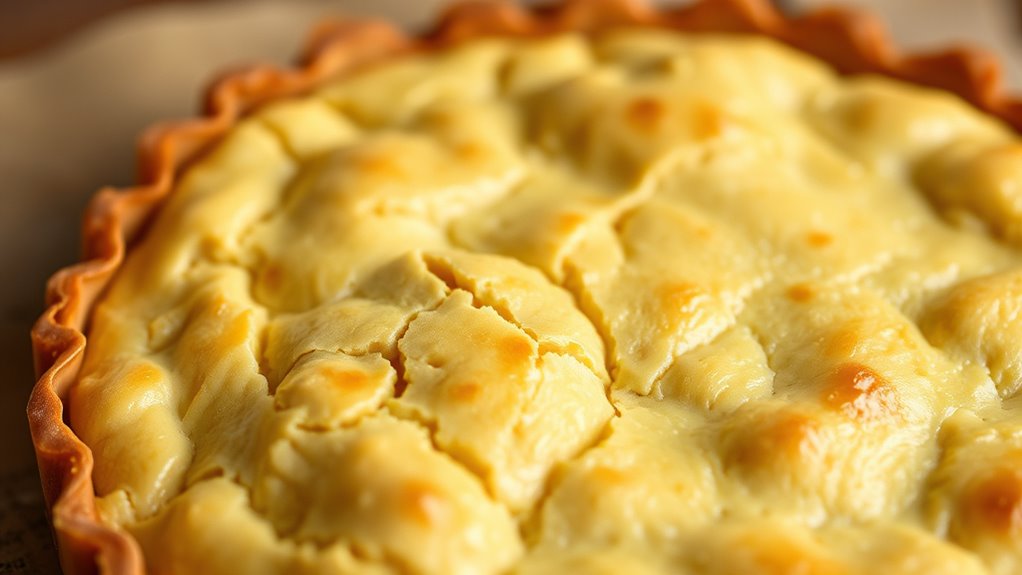
Baking temperature and time directly influence how much tart dough shrinks during baking. Higher temperatures can cause rapid moisture loss, making the dough less elastic and more prone to shrinking. Conversely, baking at too low a temperature might not set the dough properly, leading to uneven shrinkage. The key is balancing heat to maintain dough elasticity and preserve ingredient ratios.
Proper baking temperature and time are essential to prevent tart dough shrinkage and ensure a perfect crust.
Consider these points:
- Use moderate temperatures to prevent excessive moisture loss and preserve elasticity.
- Bake just long enough for the crust to set without over-drying the dough.
- Monitor baking time closely to avoid overbaking, which weakens gluten structure and increases shrinkage.
Adjusting these factors helps you control dough behavior and achieve a stable tart shape.
How to Use Blind Baking to Keep Your Tart Shape?
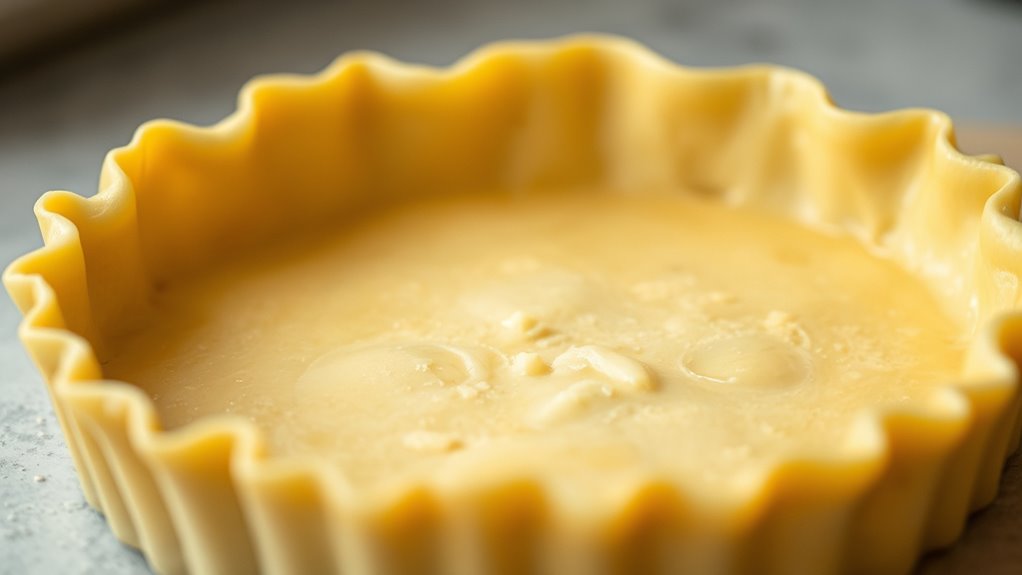
To preserve your tart’s shape during baking, blind baking is an effective technique that prevents dough shrinkage and guarantees a crisp, stable crust. By lining your chilled dough with parchment paper and filling it with pie weights or dried beans, you limit dough elasticity and restrict movement. This process prevents the formation of gluten crosslinks that cause the dough to tighten and shrink. Applying even pressure during pressing and baking at the correct temperature helps maintain the tart’s structure. It’s essential to remove the weights and parchment halfway through baking to allow the crust to develop a golden, crisp bottom. Blind baking effectively stabilizes the dough before adding fillings, reducing the risk of deformation caused by heat and gluten development.
Tips to Achieve a Flaky, Shrink-Resistant Tart Crust?
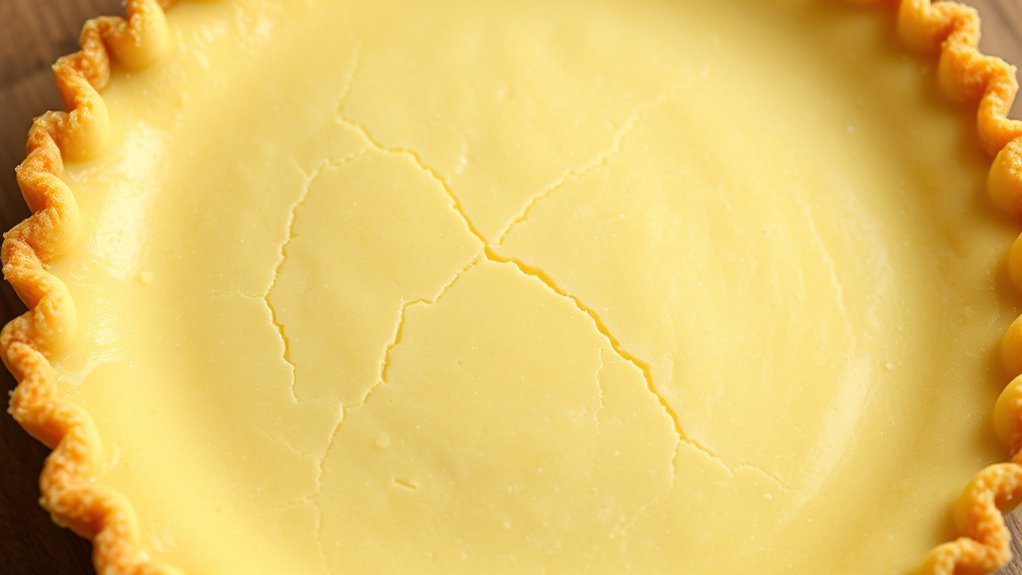
To get a flaky, shrink-resistant tart crust, you should start by chilling your ingredients thoroughly. This helps create a tender, sturdy dough that’s less prone to shrinking during baking. Make sure to use proper techniques, like handling the dough gently and baking at the right temperature, to achieve the best results.
Chill Ingredients Thoroughly
Chilling your ingredients thoroughly is essential for creating a flaky, shrink-resistant tart crust. When you chill ingredients, you slow gluten development, which helps prevent a tough crust. Cold butter or fat also creates layers that melt during baking, resulting in flakiness. To optimize this, consider these tips:
- Chill everything—flour, butter, and even your mixing bowl—to keep ingredients cold during preparation.
- Use cold water sparingly—just enough to bring the dough together without activating gluten excessively.
- Work quickly—short, gentle mixing prevents heat transfer from your hands, maintaining the chilled state.
Use Proper Baking Techniques
Using proper baking techniques is essential for ensuring your tart crust remains flaky and resists shrinking. To do this, focus on developing the right dough elasticity by handling it minimally and avoiding overworking. A well-formed gluten network will provide just enough strength without making the crust tough. When you roll out the dough, work quickly and evenly, maintaining a consistent thickness to prevent uneven shrinking during baking. Use parchment paper and a rolling pin to avoid sticking, which can cause tearing or over-manipulation. Before baking, dock the dough with a fork to allow steam to escape, reducing puffiness and shrinkage. Properly chilling the crust before baking also helps tighten the gluten network, keeping your tart shape intact and ensuring a crisp, flaky texture.
Troubleshooting Persistent Shrinkage Problems in Your Tart Dough?
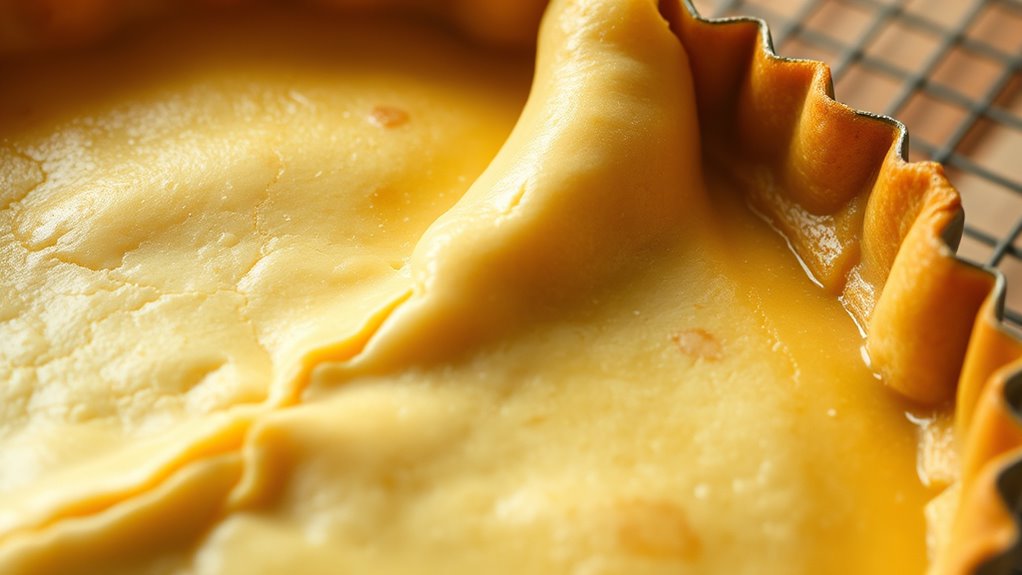
Persistent shrinkage in tart dough can be frustrating, but understanding the common causes can help you troubleshoot effectively. One key issue is dough elasticity; overworking it develops gluten, leading to more shrinkage during baking. Additionally, insufficient chilling allows gluten to relax, causing the dough to contract. Finally, if your dough isn’t properly rested or contains excess moisture, it can also shrink. To fix these problems:
- Avoid overmixing and kneading to control dough elasticity.
- Chill your dough thoroughly before baking to relax gluten.
- Use just enough flour when rolling to prevent excess moisture and maintain flavor enhancement.
Frequently Asked Questions
Can Alternative Flours Reduce Gluten Development in Tart Dough?
Yes, using gluten alternatives like rice or almond flour can reduce gluten development in tart dough. These flours have lower gluten content, helping prevent shrinkage. Additionally, acid effects from ingredients like vinegar or lemon juice can further inhibit gluten formation, resulting in a tender crust. You’ll find that combining gluten alternatives with acid effects creates a dough that’s easier to work with and less prone to shrinking during baking.
Does Adding Vinegar or Acid Affect Gluten Formation?
Sure, adding vinegar or other acidic agents can inhibit gluten formation, making your tart dough less elastic and easier to handle—almost like giving gluten a timeout. Acidic agents interfere with gluten’s bonding, reducing its strength and stretchiness. So, if you want a tender crust that doesn’t shrink or crack, toss in a splash of vinegar. Your dough will thank you for the gluten inhibition, and you’ll enjoy a perfectly flaky tart every time.
How Does Dough Thickness Influence Shrinkage During Baking?
Thicker dough tends to shrink less during baking because it has greater elasticity, which helps it hold its shape. When you roll out your dough, keep it evenly thick to minimize shrinkage. Also, baking at a proper temperature guarantees that gluten proteins set quickly, preventing excessive shrinking. If you notice more shrinkage, try adjusting the dough thickness or baking temperature to improve stability and reduce deformation.
Is There a Difference in Shrinkage Between Homemade and Store-Bought Tart Dough?
You’ll notice homemade tart dough often shrinks less than store-bought, thanks to better dough handling and ingredient quality. For example, a baker who carefully chills homemade dough sees minimal shrinkage, while a store-bought version with lower-quality ingredients may contract more during baking. Using fresh, high-quality ingredients and gentle handling helps prevent shrinkage, ensuring your tart stays crisp and perfect without pulling away from the edges.
Can Freezing Dough Before Baking Prevent Excessive Shrinkage?
Freezing dough before baking can help prevent excessive shrinkage by improving dough elasticity and stabilizing the gluten structure. Use effective freezer techniques, like wrapping the dough tightly and chilling it for at least 30 minutes, to reduce heat-induced gluten relaxation. This process firms up the dough, making it less prone to shrinking during baking, so your tart maintains its shape beautifully.
Conclusion
To prevent tart dough shrinkage, control gluten development, manage baking heat, and incorporate fats and moisture. Keep your dough chilled, avoid overworking it, and use proper baking techniques. By understanding the causes and applying these tips, you’ll achieve a perfectly shaped, flaky tart crust every time. Remember, patience and precision are your best tools—limit gluten, regulate heat, and embrace proper preparation to enjoy beautifully crafted tarts with minimal shrinkage.