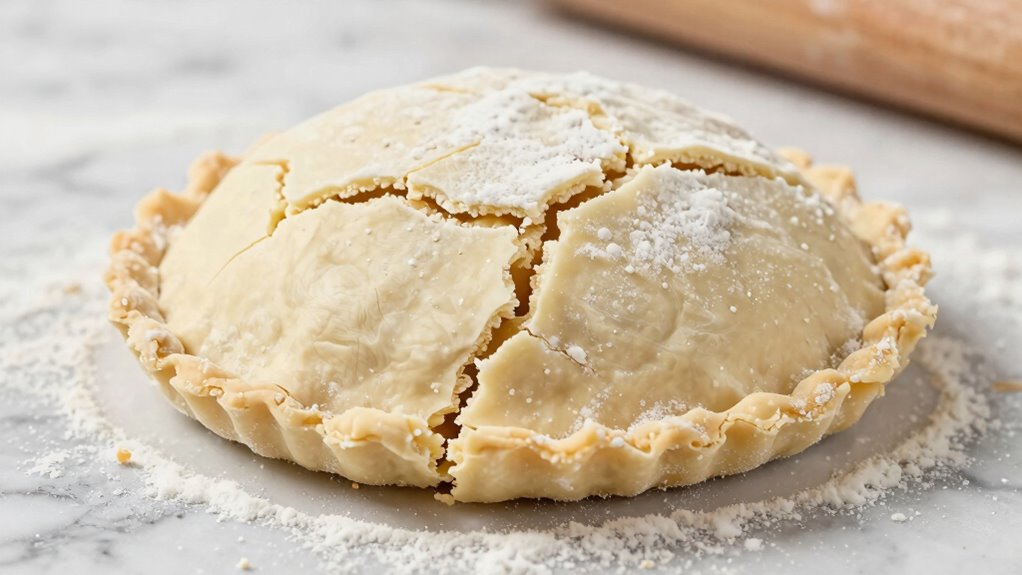

If your tart dough cracks when you roll it out, it’s likely due to insufficient gluten development, temperature issues, or overhandling. When dough is too cold or overworked, it becomes stiff and less elastic, making it prone to cracking. Not adding enough water or skipping resting time can weaken the gluten network too. Proper hydration, gentle handling, and keeping the dough at the right temperature help prevent cracks. Keep exploring to learn how to perfect your technique.
Key Takeaways
- Overworking the dough develops excessive gluten, making it tough and prone to cracking when rolled.
- Insufficient hydration results in weak gluten networks, reducing elasticity and increasing crack risk.
- Dough that is too warm softens fats, decreasing flexibility and causing cracks during rolling.
- Not resting or chilling the dough prevents gluten relaxation and proper fat solidification, leading to cracking.
- Uneven temperature or handling causes stiffness or brittleness, making the dough more susceptible to cracks.
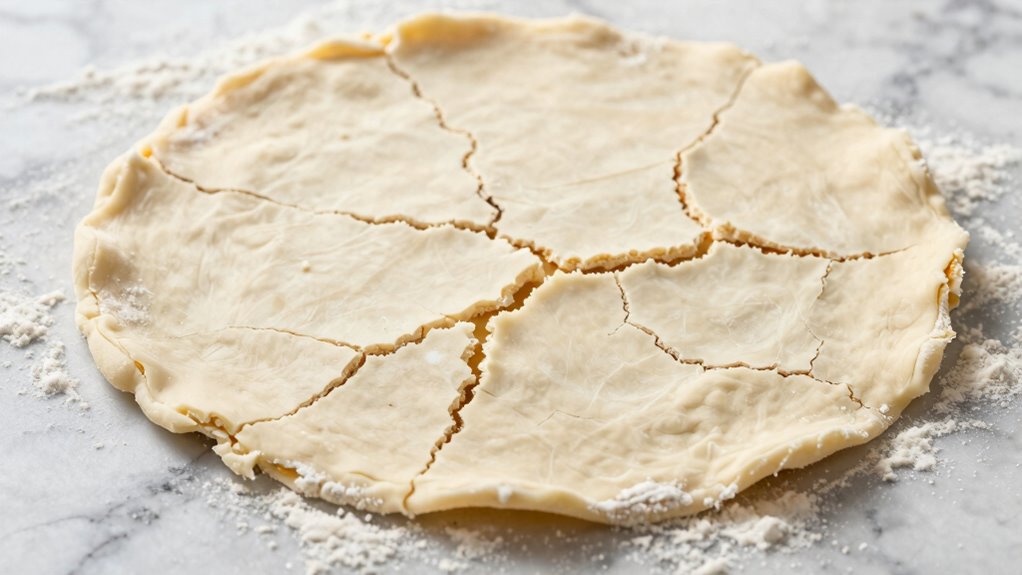
Have you ever noticed your tart dough developing cracks before baking? It’s a common frustration, and understanding why it happens can help you achieve a smoother, more professional finish. One key reason is dough elasticity. When dough lacks proper elasticity, it becomes brittle and prone to cracking as you roll it out. Elasticity depends heavily on gluten development, which occurs when you work the dough enough to develop the gluten strands that give it structure and stretch. If you haven’t kneaded or mixed the dough sufficiently, the gluten network won’t be strong enough, making the dough less elastic and more likely to crack.
Conversely, overworking the dough can also cause problems. When you knead or handle it too much, the gluten becomes overdeveloped, resulting in a tough, chewy texture rather than a tender, pliable one. This overdevelopment can make the dough stiff and resistant to stretching, increasing the chances of cracks when you try to roll it out. The goal is to find a balance—just enough gluten development to create elasticity without overworking the dough.
Overworking dough causes overdeveloped gluten, resulting in toughness and cracks when rolling out.
Temperature plays a significant role too. If your dough is too warm, the fat within it softens, making the dough less resilient and more prone to cracking when rolled. Conversely, if it’s too cold, the fat hardens, and the dough becomes stiff and brittle, leading to cracks. Chilling the dough before rolling helps maintain proper dough elasticity by firming up the fat and preventing it from becoming too soft or too tough. When chilled, the dough is easier to handle and less likely to crack under pressure.
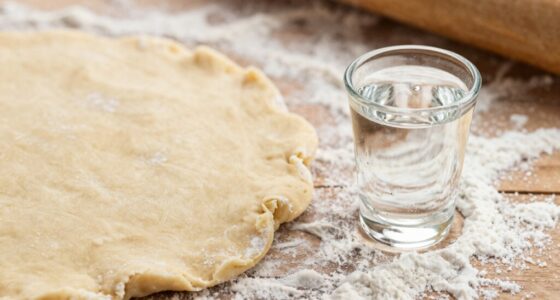
Another factor to consider is hydration. If your dough isn’t properly hydrated, meaning it lacks enough water, the gluten strands won’t develop fully, resulting in a less elastic dough that cracks easily. Make sure to measure your ingredients precisely and add water gradually until the dough just comes together. Proper hydration promotes good gluten development, which in turn enhances elasticity, making the dough more flexible and less prone to cracking when you roll it out. Additionally, adequate resting time allows the gluten to relax and the moisture to distribute evenly, further improving elasticity and reducing the likelihood of cracks.

Dash 3.5QT Tilt-Head Stand Mixer - Electric Stand Mixer with Stainless Steel Bowl and Splash Guard For Baking - Cream, 3.5-Quart
Tilt-Head Design: Dash 3.5QT Tilt-Head Stand Mixer features a 3.5-quart Bowl and tilt-head design for easy ingredient access...
As an affiliate, we earn on qualifying purchases.
Frequently Asked Questions
Can Overworking the Dough Cause Cracking?
Yes, overworking the dough can cause cracking because it reduces dough elasticity. When you overmix, the gluten develops too much, making the dough tough and less flexible. As you roll it out, this stiffness leads to cracks. To prevent this, mix just until the ingredients come together and handle the dough gently. Resting it in the fridge also helps relax the gluten, reducing the risk of cracking.
Does Cold Dough Crack More Easily?
Cold dough does crack more easily because lower dough temperature makes it less pliable. When you roll, it’s essential to use a gentle rolling technique and keep the dough at the right temperature, not too cold. If it’s too cold, it becomes brittle and prone to cracking. Letting the dough sit at room temperature for a few minutes before rolling helps increase flexibility and prevents cracking.
How Does Gluten Development Affect Dough Elasticity?
Imagine your dough like a resilient fabric, stretching smoothly without tears. Gluten development creates a strong gluten structure that enhances dough elasticity, allowing it to stretch without cracking. As the gluten network forms, it acts like tiny springs, giving your dough a flexible, elastic quality. You’ll notice that well-developed gluten makes rolling easier, preventing cracks and ensuring a tender, flaky tart crust that holds together beautifully.
Is It Better to Chill the Dough Before Rolling?
Yes, chilling the dough before rolling improves your results. When the dough is cold, its temperature stays lower, making it easier to handle and less likely to crack. Use a gentle rolling technique, applying even pressure, to prevent cracks. Keep the dough’s temperature consistent by chilling it again if it warms up. This approach guarantees a smooth, even tart crust with minimal cracking during rolling.
What Role Does Flour Type Play in Cracking?
Like a delicate dance, the flour type influences your tart dough’s flexibility. Using flour with high gluten strength creates a stronger gluten network, which can cause cracking when rolled out. Conversely, low-gluten or pastry flour offers better hydration and a softer texture, reducing cracks. So, select your flour carefully to match your dough’s needs, ensuring it remains pliable and crack-free during rolling.
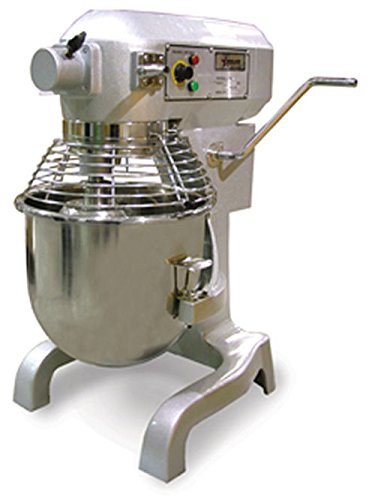
Omcan SP200AT 20 Qt Planetary Dough Mixer With Timer and Guard plus 3 Attachments
✓ Manufacturer's WARRANTY- 1 year parts and labor
As an affiliate, we earn on qualifying purchases.
Conclusion
So, next time your tart dough cracks, don’t panic—it’s just a tiny bump in your baking journey. With the right technique and patience, you’ll become a tart-cracking connoisseur in no time. Remember, even the most legendary bakers faced these struggles—your kitchen isn’t a crack-free paradise either! Embrace the imperfections; they’re proof you’re a real baker. Keep rolling, learning, and soon, your tart crusts will be smoother than silk and just as stunning.
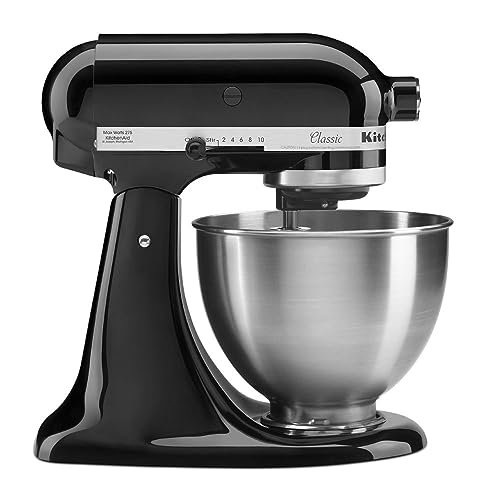
KitchenAid Classic Series 4.5 Quart Tilt-Head Stand Mixer K45SS, Onyx Black
Built to take it all on with the durable and built-to-last metal construction, and 59 touchpoints around the...
As an affiliate, we earn on qualifying purchases.
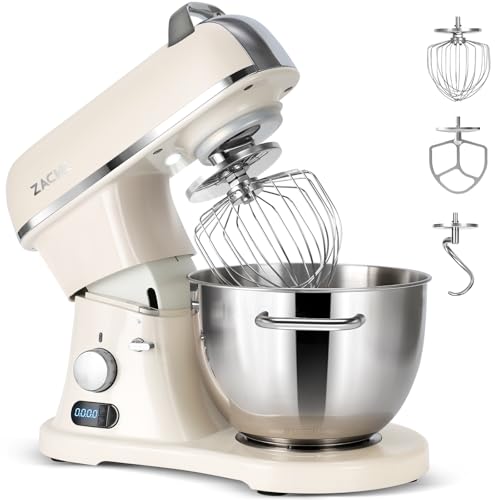
8.4QT Commercial Stand Mixer 800W with Aluminum Die Casting Meets the Standard of NSF/ANSI 8-2023, Mixers Kitchen Electric Stand Mixer with Stainless Steel 8L Bowl, Dough Hook, Whisk and Beater
High Capacity & High Efficiency: The maximum amount of dough is 3 kg/6.6 lbs/105.8 oz. Compared with other...
As an affiliate, we earn on qualifying purchases.