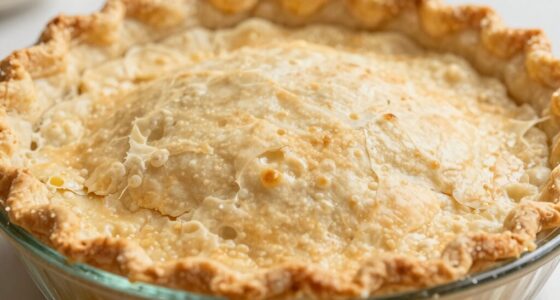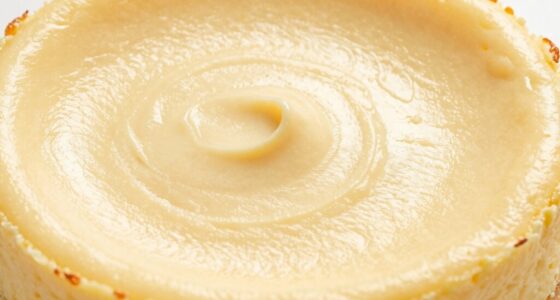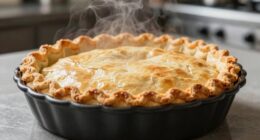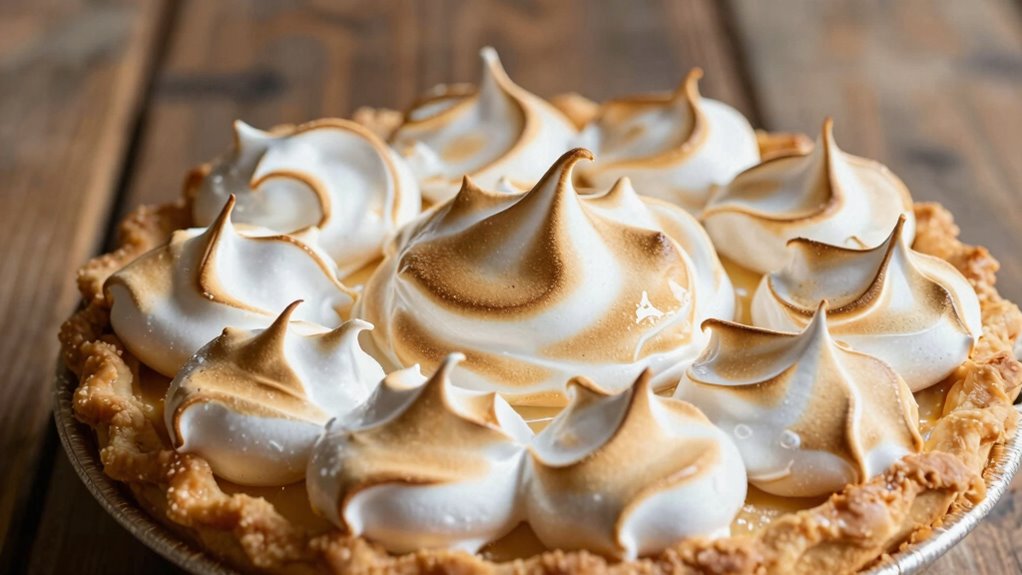

To prevent a weepy meringue on pies, make certain your egg whites are at room temperature before whipping and add sugar gradually, fully dissolving it for stability. Bake at a steady, low temperature between 225°F and 250°F, and avoid opening the oven early. Cool the pie in a dry, well-ventilated space before topping or slicing. Mastering these steps will help you achieve a crisp, no-weep meringue every time—learn more to perfect your technique.
Key Takeaways
- Use room temperature egg whites and whip to soft or firm peaks before adding sugar.
- Gradually incorporate fully dissolved sugar, one tablespoon at a time, to ensure stability.
- Bake at a low, steady temperature (225°F–250°F) until meringue is dry and firm.
- Cool the meringue completely in a dry, well-ventilated area before assembling or storing.
- Avoid humidity exposure after baking to prevent moisture absorption and weepiness.

Meringue can add a beautiful, airy topping to your pies, but it’s frustrating when it becomes weepy and soggy. To prevent this, you need to pay close attention to the sugar consistency during your meringue preparation. When whipping egg whites, start by ensuring they are at room temperature, which helps achieve maximum volume. As you add sugar, do so gradually, one tablespoon at a time, allowing each addition to fully incorporate before adding the next. This slow process helps create a stable meringue with the right sugar consistency, which is essential for preventing weepiness. The sugar should be completely dissolved and integrated, resulting in a glossy, firm peak. If you add sugar too quickly or don’t fully dissolve it, the meringue becomes weak and prone to releasing moisture, leading to that soggy, weepy texture on your pie.
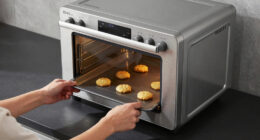
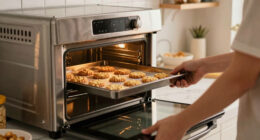
Oven temperature also plays a critical role in how your meringue turns out. While baking or finishing your meringue in the oven, make sure to set it to the correct temperature—usually around 225°F to 250°F (107°C to 121°C). A low, steady heat promotes gradual drying of the meringue, helping it develop a crisp exterior without becoming brown or burnt. If the oven is too hot, the outside may cook too quickly, creating a crust that traps moisture inside, which then causes the meringue to become soggy over time. Conversely, if the temperature is too low, the meringue may not dry properly, remaining soft and prone to weeping. Using an oven thermometer to monitor the temperature can be a game-changer, ensuring consistent results. Additionally, it’s best to bake the meringue until it’s just firm to the touch and dry, which might take anywhere from 30 to 60 minutes depending on your oven and the size of your meringue.
Another tip is to avoid exposing the baked meringue to humidity or moisture. Once baked, let it cool completely in a dry, well-ventilated space before adding it to your pie. This helps set the structure and prevents moisture from seeping in later. By paying attention to sugar consistency during whipping and maintaining a proper oven temperature, you set yourself up for a crisp, beautiful meringue that stays firm and delightful on your pie. These small adjustments can make a big difference in preventing weepiness and achieving a perfect, airy topping every time.

Hamilton Beach 6-Speed Electric Hand Mixer with Whisk, Traditional Beaters, Snap-On Storage Case, 250 Watts, White
NO MORE LOST BEATERS: The snap-on storage case that comes with the Hamilton Beach hand mixer neatly holds…
As an affiliate, we earn on qualifying purchases.
As an affiliate, we earn on qualifying purchases.
Frequently Asked Questions
Can Using Different Types of Sugar Affect Meringue Stability?
Yes, using different types of sugar can affect meringue stability. Granulated sugar helps prevent sugar crystallization, ensuring a smooth texture. Powdered sugar absorbs moisture better, which can lead to weeping if not used carefully. Using superfine sugar dissolves more easily, reducing moisture absorption and crystallization risks. By choosing the right sugar type, you can improve your meringue’s stability and avoid weepy, watery results.
Does the Type of Pie Filling Influence Meringue’s Tendency to Weep?
A stitch in time saves nine, and that’s true with pie fillings too. Fruit fillings and custard layers can cause your meringue to weep if they’re too wet or runny. To prevent this, make sure fillings are thickened properly and cooled before adding meringue. The moisture from overly watery fillings makes the meringue release water, so managing filling consistency is key to keeping your meringue firm and beautiful.
How Does Humidity Impact Meringue’s Ability to Stay Firm?
Humidity effects can make your meringue more prone to weeping because excess moisture in the air causes the sugar to dissolve, weakening the structure. To maintain firmness, you should focus on moisture control by baking your meringue in a dry environment, using a dehumidifier if necessary. Store the finished pie in a cool, dry place, and avoid humid days to keep your meringue crisp and stable.
Is It Better to Add Cornstarch or Cream of Tartar to Meringue?
Adding cream of tartar is better for stabilizing your meringue than cornstarch because it acts like a superhero, strengthening egg whites instantly. For perfect meringue techniques, use cream of tartar to create a firm, glossy texture. If you don’t have it, a small amount of lemon juice works as an ingredient substitution. Cornstarch can help, but it’s not as effective at preventing weepy meringue and can affect the texture.
Can the Shape or Size of the Pie Alter Meringue’s Durability?
Yes, the shape and size of your pie can affect meringue’s durability. A larger or taller pie may make the meringue more susceptible to weeping, especially if the crust isn’t thick enough to support it. Opt for a stable shape and guarantee your crust is sturdy and thick enough to hold the meringue. This helps prevent cracking and weeping, keeping your meringue looking and tasting perfect longer.

Hotloop Digital Oven Thermometer Heat Resistant up to 572°F/300°C, LCD
EASY READING: you can see the actual temperature that your oven is registering with the digital LCD display,…
As an affiliate, we earn on qualifying purchases.
As an affiliate, we earn on qualifying purchases.
Conclusion
Think of your meringue as a delicate castle atop your pie, vulnerable to the tide of moisture. By sealing it properly and ensuring your ingredients are at the right temperature, you build sturdy walls against the creeping dampness. When you take these steps, you’re like a skilled architect, fortifying your fortress against the inevitable fog. With patience and care, your meringue will stand tall and proud, weathering any storm that comes its way.

Angadona Macaron Silicone Baking Mats Kit (16pcs set) Macaroon Baking Mat Set of 2 Half Sheet Macaron Silicone Mat Nonstick Macaron Mat Sheet,6 Piping Tip,2 Piping Bag with 3 Bag Tie,2 coupler
Macaron Silicone Baking Mats Kit (16pcs set) Macaroon Baking Mat Set of 2 Half Sheet Macaron Silicone Mat…
As an affiliate, we earn on qualifying purchases.
As an affiliate, we earn on qualifying purchases.

Geesta 2/3/4-Tier Upgraded Collapsible Cooling Rack with Adjustable 3 Setting Design Stackable Roasting Cooking Drying Wire Cooling Rack for Cookies Baking Gifts for Women
【Collapsible 4 tier Cooling Rack】 Features a sturdy construction with a collapsible & adjustable design. Geesta wire cooling…
As an affiliate, we earn on qualifying purchases.
As an affiliate, we earn on qualifying purchases.