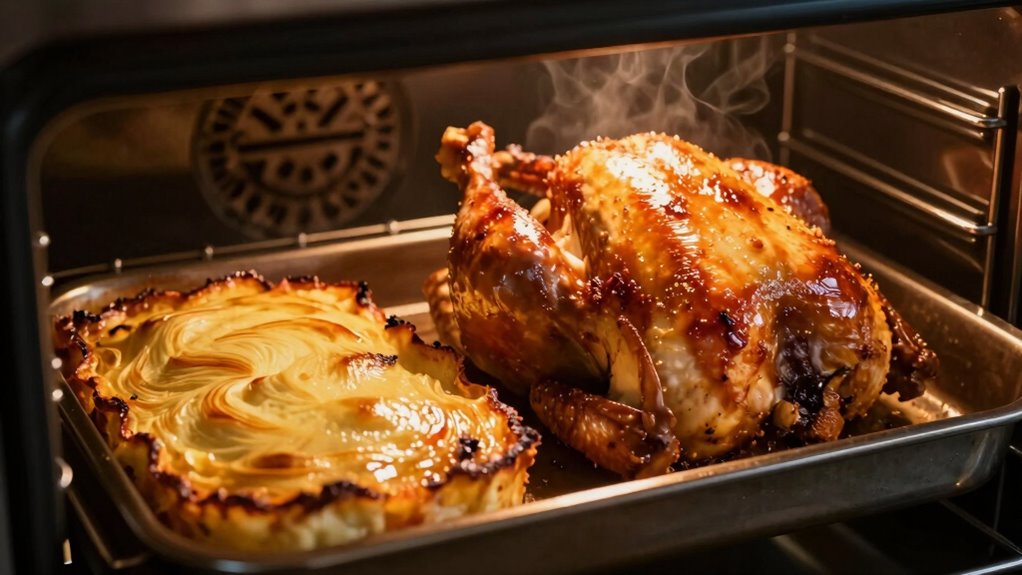
The key difference between broiling and baking lies in their oven settings and heating methods. Broiling uses high, direct heat from above at temperatures around 500-550°F, perfect for quick cooking, searing, or crisping. Baking provides even, moderate heat between 300-375°F for longer, thorough cooking. Knowing how each setting works helps you achieve the right texture and doneness. Keep exploring to discover tips for getting the best results with each method.
Key Takeaways
- Broiling uses intense, direct heat from above at 500°F-550°F, while baking provides even, moderate heat at 300°F-375°F.
- Broiling cooks food quickly in a few minutes, whereas baking involves longer durations for thorough cooking.
- Broiling is ideal for browning, searing, and finishing dishes, while baking suits cooking baked goods and casseroles evenly.
- Broiling requires close supervision and food flipping, whereas baking allows for set-and-forget cooking with less attention.
- Temperature settings and heat distribution differences directly impact cooking outcomes and techniques.
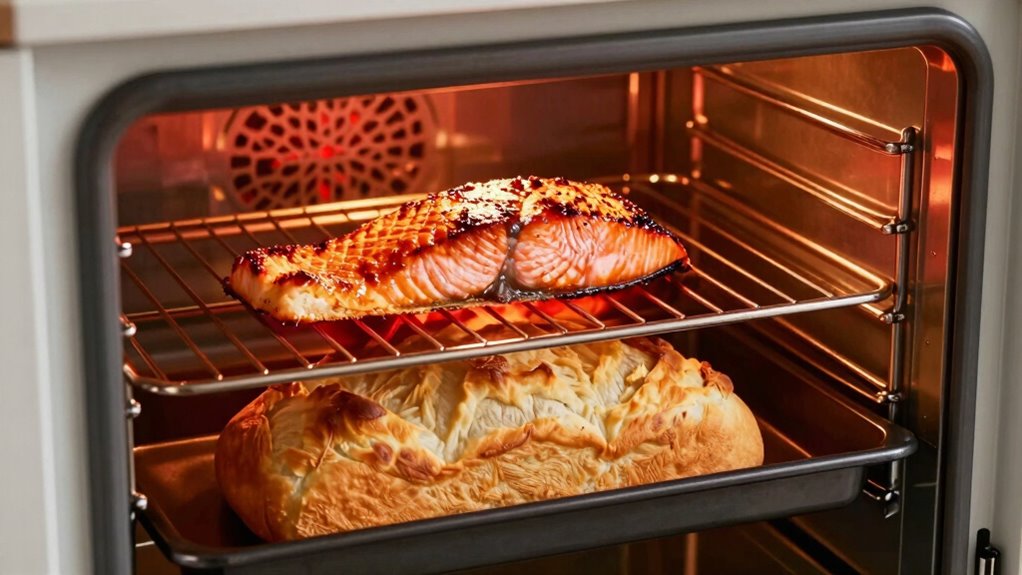
Ever wondered what sets broiling apart from baking? The main difference lies in how your oven heats your food. When you’re using the broil setting, the oven’s heating element is positioned close to the food, delivering direct, high heat from above. In contrast, baking involves heating your oven evenly from all sides, surrounding your dish with consistent, moderate heat. This fundamental difference influences not just the outcome but also the way you should set your oven temperature and manage your cooking duration.
With broiling, you typically set your oven to a high temperature—often between 500°F and 550°F—to mimic the intense heat of a grill. Because of this high oven temperature, broiling cooks food quickly, often in just a few minutes. The short cooking duration is essential; leaving food under the broiler for too long risks burning or overcooking. You need to stay attentive, flipping or turning your food as necessary to ensure even browning or melting. This method is ideal for finishing dishes, crisping up foods, or quickly searing the surface of meats. Understanding heat transfer is crucial to mastering this technique effectively.
Broiling uses very high heat (500°F–550°F) for quick, intense cooking and precise attention.
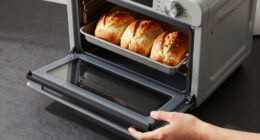
Baking, on the other hand, involves a lower oven temperature—usually between 300°F and 375°F—depending on what you’re cooking. This moderate oven temperature allows heat to circulate evenly, cooking food through more gently and thoroughly. The longer cooking duration often ranges from 20 minutes to over an hour, depending on the dish. Baking is perfect for baked goods like bread, cakes, casseroles, and roasting vegetables or meats. It provides a steady, controlled heat that ensures your food cooks evenly from the inside out.
Understanding these differences helps you optimize your cooking process. When you switch to broiling, remember that the high oven temperature and short cooking time mean you should monitor your food constantly. It’s best to keep a close eye to prevent burning, especially since the direct heat from above can quickly char your dish. Conversely, baking’s lower oven temperature and longer cooking duration give you more flexibility; you can set a timer and leave your dish to cook without constant supervision, knowing that the heat will penetrate evenly.
In essence, knowing how oven temperature and cooking duration differ between broiling and baking helps you choose the right method for your recipe. Broiling excels at quick, high-heat tasks that require crisping or searing, while baking is suited for thorough, gentle cooking that takes more time. Mastering these distinctions ensures you get perfect results every time, whether you’re craving a beautifully seared steak or a fluffy loaf of bread.
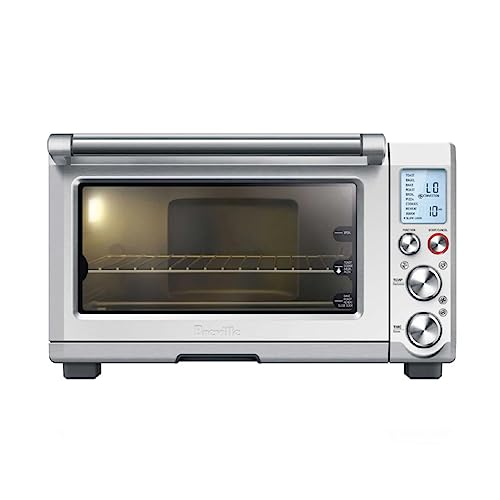
Breville BOV845BSS Smart Oven Pro Countertop Oven, Brushed Stainless Steel
The Breville Smart Convection Oven Pro with Element iQ System is a high performance countertop oven; Home cooks...
As an affiliate, we earn on qualifying purchases.
Frequently Asked Questions
Can I Switch Between Broil and Bake During Cooking?
Yes, you can switch between broil and bake during cooking. Just keep an eye on the temperature control, as broiling uses high heat from above, while baking maintains a steady, lower temperature. Switching techniques can help you achieve different results, like browning or even cooking. Be cautious, though, since sudden changes might affect your dish’s texture, so monitor closely and adjust as needed for the best outcome.
Which Setting Is More Energy-Efficient for Cooking?
Imagine a warm breeze versus a sudden flash of heat—baking typically uses steady, moderate energy, making it more energy-efficient and better for the environment. Broiling, with its intense, short bursts, consumes more energy quickly. So, for less energy consumption and a lower environmental impact, you should prefer baking. It’s a smarter choice when you want to cook efficiently and reduce your carbon footprint.
How Do I Adjust Cooking Times When Switching Settings?
When switching between broil and bake, you’ll need to modify cooking times based on temperature considerations. Typically, broiling cooks faster because of higher heat, so reduce the cooking time by about 25%, while baking may require a slight increase. Keep an eye on your food to prevent overcooking, and remember that oven temperature plays a key role in these adjustments. Always check for doneness to ensure perfect results.
Are There Foods Better Suited for Broiling or Baking?
You’ll find that foods with delicate textures, like fish or vegetables, are better suited for baking because it provides even, gentle heat. Broiling is ideal for foods that benefit from quick, high heat, like steaks or melting cheese, creating crispy or caramelized surfaces. Understanding these cooking techniques helps you achieve the perfect food textures, ensuring each dish is cooked just right for flavor and presentation.
What Safety Precautions Should I Take When Broiling?
They say, “Better safe than sorry,” and that’s especially true when broiling. To guarantee oven safety and fire prevention, stay attentive and never leave the broiler unattended. Keep flammable items away from the heat, use oven mitts, and monitor cooking closely. Properly clean your oven to prevent grease fires, and always turn off the broiler once your food is ready. Your vigilance keeps everyone safe!
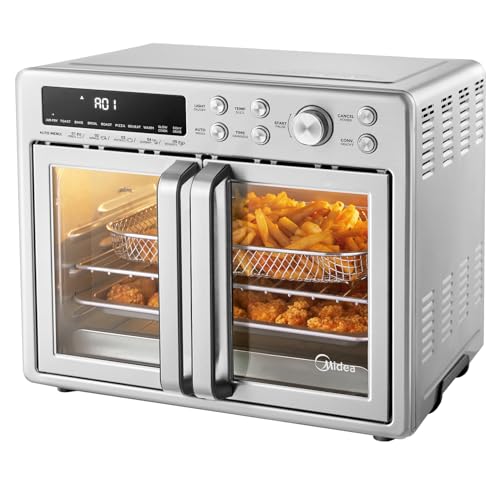
Midea Flexify French Door Toaster Oven Air Fryer Combo, 26.4 QT, Extra Large Air Fryer Countertop Oven 10-in-1 Combo, 25% Faster Cooking and 90% Less Oil, Stainless Steel
Cyclone Air Fryer: Enjoy 25% faster cooking and 90% less oil compared to traditional fryers, . This all-in-one...
As an affiliate, we earn on qualifying purchases.
Conclusion
Now that you know the key differences between broiling and baking, you’re ready to conquer your kitchen like a true culinary wizard. Remember, whether you’re aiming for that perfect char or gentle cook, choosing the right setting makes all the difference—no need for a magic wand, just a little know-how. So go ahead, channel your inner medieval alchemist and turn your ingredients into gold. With these tips, you’ll be cooking like a knight of the modern age!
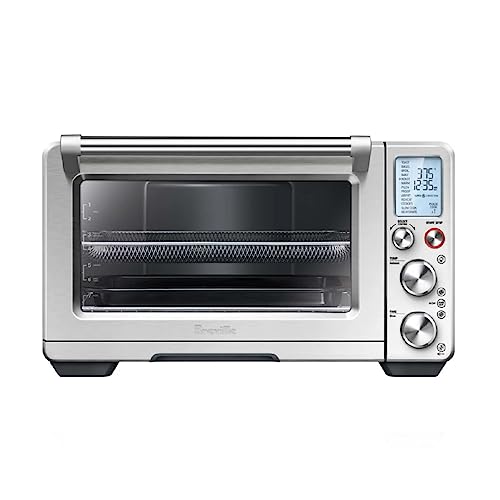
Breville BOV900BSS Smart Oven Air Fryer Pro and Convection Oven, Brushed Stainless Steel
The Breville Smart Oven Air Fryer Pro with Element iQ System is a versatile countertop oven allowing you...
As an affiliate, we earn on qualifying purchases.

BLACK+DECKER Crisp 'N Bake Air Fry Countertop Convection Toaster Oven, Medium Capacity, 4-Slice, 5-in-1, Fits 9” Pizza, 30-Min Timer, Bake, Broil, Air Fry, Toast, Keep Warm, Stainless Steel
5-IN–1 MULTIFUNCTIONAL COOKING- Enjoy versatile cooking with Air Fry, Bake, Broil, Toast, and Keep Warm settings. Perfect for...
As an affiliate, we earn on qualifying purchases.