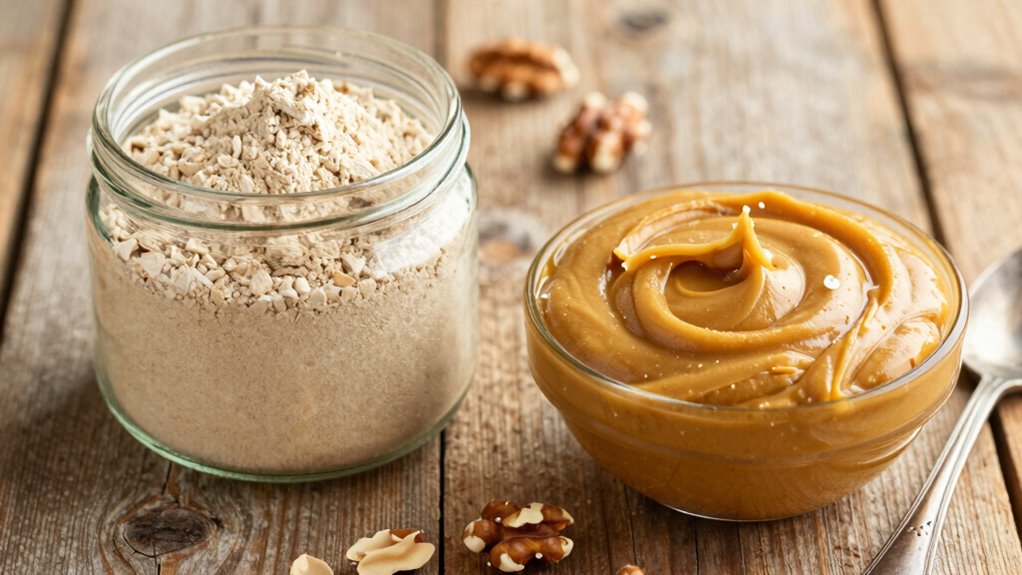

When you grind nut flour, the natural oils inside the nuts are released due to the mechanical action and heat generated during blending. This process transforms the crumbly flour into a smooth, creamy nut butter as the oils blend with the nut particles. The fat content in the nuts plays a key role in creating a rich, flavor-packed texture. To learn how to perfect this process and customize your butters, keep exploring these details.

Get baking supplies delivered free with Prime
- Fast, free delivery on millions of items
- Prime Video, Amazon Music and more included
- Member-only deals all year
Key Takeaways
- Grinding releases natural oils in nuts, transforming dry nut flour into creamy nut butter.
- Heat generated during processing helps loosen oils, aiding the transition from flour to butter.
- Higher fat content in nuts promotes smoother blending and richer flavor development.
- Proper roasting and cooling of nuts enhance oil release and prevent overheating during grinding.
- Consistent stirring and storage prevent oil separation, maintaining the smooth, buttery texture.
As an affiliate, we earn on qualifying purchases.
What Makes Nut Flour Turn Into Nut Butter?
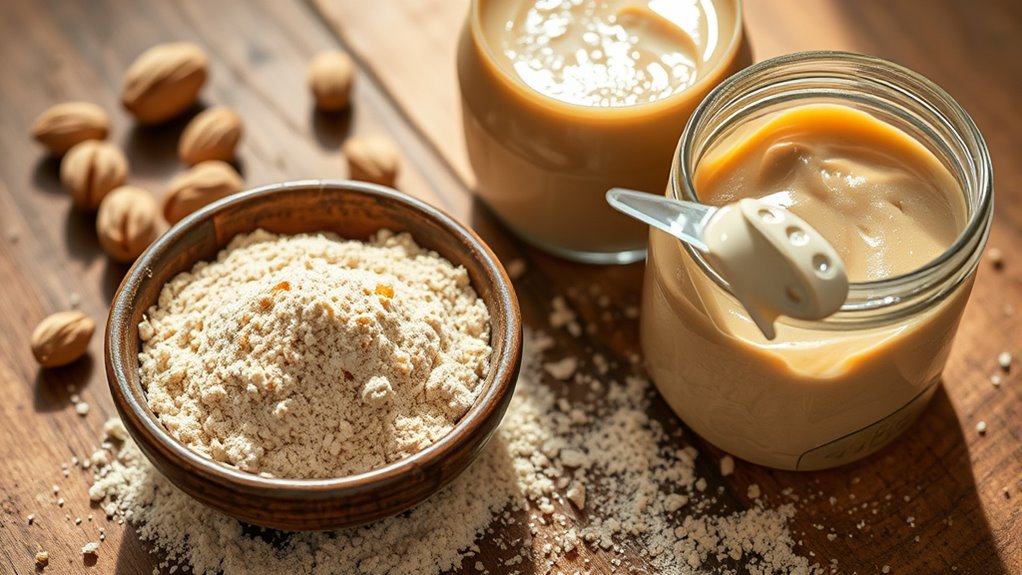
Have you ever wondered what causes nut flour to transform into smooth, creamy nut butter? The key lies in the natural oils within the nuts. When you start grinding, those oils begin to release, blending with the nut particles. This process enhances the nut flavor, making it richer and more intense. As you continue, the texture improves markedly, turning from coarse flour into a silky, spreadable butter. The heat generated during grinding helps loosen the oils further, creating a smoother consistency. Without adding any extra ingredients, this natural release of oils is what makes nut flour evolve into nut butter. So, the magic happens because of the oils and the grinding process, which together elevate both flavor and texture. Additionally, understanding the sustainable practices involved in nut harvesting can influence the quality of the final product. Proper processing techniques are essential to preserve oil integrity and ensure a high-quality outcome. Moreover, using minimal processing can help maintain the natural nutrients and flavors of the nuts. Recognizing the importance of oil stability during processing can further ensure the freshness of the nut butter. Maintaining optimal storage conditions is also crucial to keep the nut butter fresh and prevent rancidity.
manual nut grinder for homemade nut butters
As an affiliate, we earn on qualifying purchases.
As an affiliate, we earn on qualifying purchases.
How Does Grinding Transform Nut Flour Into Nut Butter?
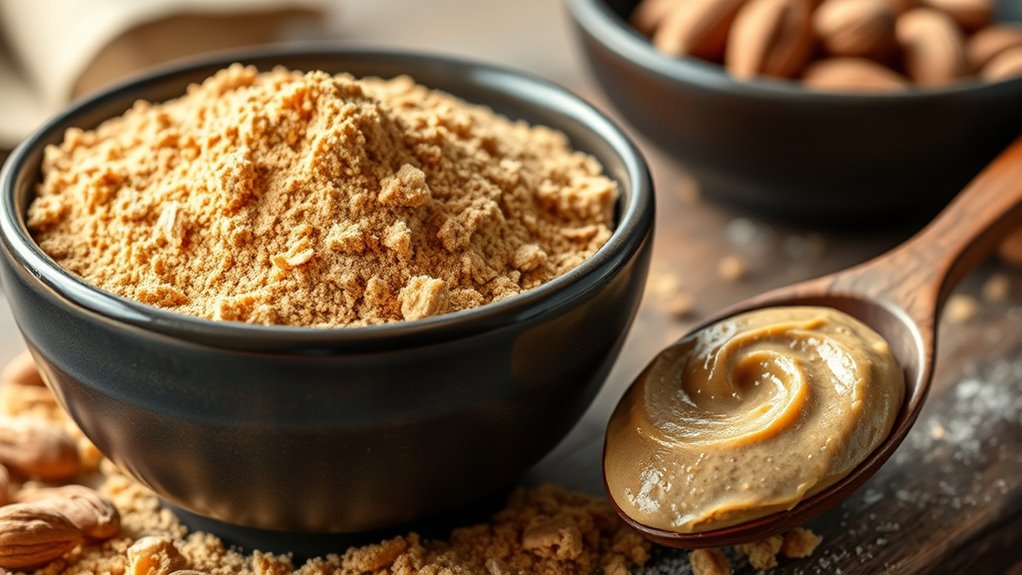
When you grind nuts, their cell walls break down, allowing the fats to be released. This process turns the dry nut flour into a smooth, creamy butter. Understanding how this transformation happens helps you control the texture and consistency of your homemade nut butters. Modern kitchen technology can even assist in achieving the perfect texture through automated adjustments, similar to how innovative European cloud servers optimize data processing for efficiency and security. Additionally, the nut’s chemical composition plays a crucial role in how quickly and smoothly it transforms into butter. Properly measured ingredients ensure optimal blending and texture during the process. Being aware of the energyLast involved in the process can help you optimize your techniques for better results.
Cell Wall Breakdown
Grinding breaks down the cell walls of nuts, releasing their internal oils and proteins. This process increases enzyme activity, which helps to soften the structure and begin transforming nut flour into nut butter. When you grind, you’re physically disrupting the cell wall, making it easier for oils to escape and blend smoothly. The following table highlights key aspects:
| Aspect | Effect |
|---|---|
| Cell Wall | Breaks apart, releasing oils and nutrients |
| Enzyme Activity | Accelerates fat release and softening |
| Texture Change | From coarse flour to creamy paste |
Additionally, proper grinding technique can influence the consistency of the nut butter, ensuring a smooth and uniform texture. Engaging in proper grinding methods can also help prevent overheating, which might affect the flavor and quality of the final product.
Fat Release Process
As you continue to grind the nuts, the broken cell walls allow oils stored inside to flow outward more freely. This process, known as nut extraction, is essential for transforming nut flour into nut butter. As the friction from grinding increases, the released oils start to pool, creating a creamy texture. The oil release accelerates as the nuts are processed further, breaking down the remaining cell structures and releasing more fat. This gradual release of oils turns the mixture from crumbly flour into a smooth, cohesive spread. The key is maintaining enough grinding to encourage consistent oil flow without overheating the nuts. Additionally, nut extraction involves breaking down cellular components to maximize oil release, which is crucial for achieving the desired consistency. Proper temperature control during grinding also plays a vital role in oil preservation, ensuring the flavor and quality of your homemade nut butter. Ultimately, efficient nut extraction guarantees your homemade nut butter has the right texture and richness.
high-speed blender for nut butters
As an affiliate, we earn on qualifying purchases.
As an affiliate, we earn on qualifying purchases.
Why Does Fat Content Matter When Making Nut Butter?
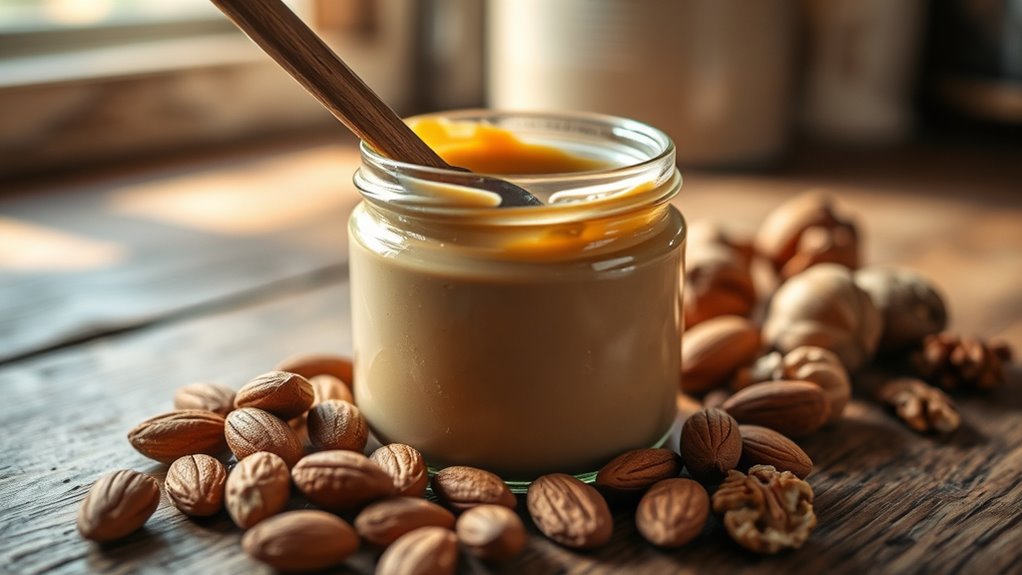
Fat content helps your nut butter blend smoothly and easily. When there’s more fat, it boosts the flavor, making your spread richer and tastier. Understanding this balance guarantees your homemade nut butter turns out just right.
Fat Content Aids Blending
Because fat content plays a crucial role in the blending process, higher fat levels in nuts make it easier to turn them into smooth, creamy nut butter. Fat acts as a natural emulsifier, helping the ingredients blend seamlessly. This results in a product with a richer nut flavor and better shelf stability, ensuring your homemade butter stays fresh longer. When nuts have adequate fat, you’ll notice a more luxurious texture and an even consistency. Without enough fat, the mixture may be gritty or dry, making the process frustrating. Keep in mind, the right fat level enhances your nut butter’s overall quality and enjoyment. Additionally, understanding nut oil composition can help you select the best nuts for your homemade butter. Recognizing the fat content of different nuts can guide you in choosing ingredients that yield the desired texture and flavor. The fat percentage also influences the nutritional profile of your homemade nut butter, allowing you to tailor it to your dietary needs. Moreover, fat variability among nuts can affect the final product’s consistency, so selecting nuts with optimal fat levels is beneficial.
Furthermore, nut processing methods can impact the retention of natural fats, influencing the texture and flavor of your finished product.
Higher Fat Enhances Flavor
When nuts contain a higher fat content, their natural flavors become more pronounced and easier to develop into a rich, flavorful butter. Fat acts as a carrier for nut flavor, amplifying its depth and complexity during processing. With increased fat content, the nut flavor is more readily released and enhanced, resulting in a butter with a fuller taste profile. This is why high-fat nuts, like macadamias or roasted cashews, produce more flavorful nut butters. The fat content influences not only the flavor but also the creaminess and texture of the final product. If your goal is a rich, flavorful nut butter, choosing nuts with higher fat content will give you better results, ensuring a more satisfying and aromatic spread. Additionally, understanding the nut’s fat composition can help optimize the flavor extraction process during making your nut butter. Recognizing how fat content impacts flavor development is essential for achieving the best possible results. For example, fat’s role in flavor affects how quickly and thoroughly the nut’s natural oils are released during grinding. Moreover, selecting nuts with balanced moisture levels can also improve the creamy texture of your nut butter, leading to a more desirable final product.
As an affiliate, we earn on qualifying purchases.
How Can You Make Creamy Nut Butters at Home?
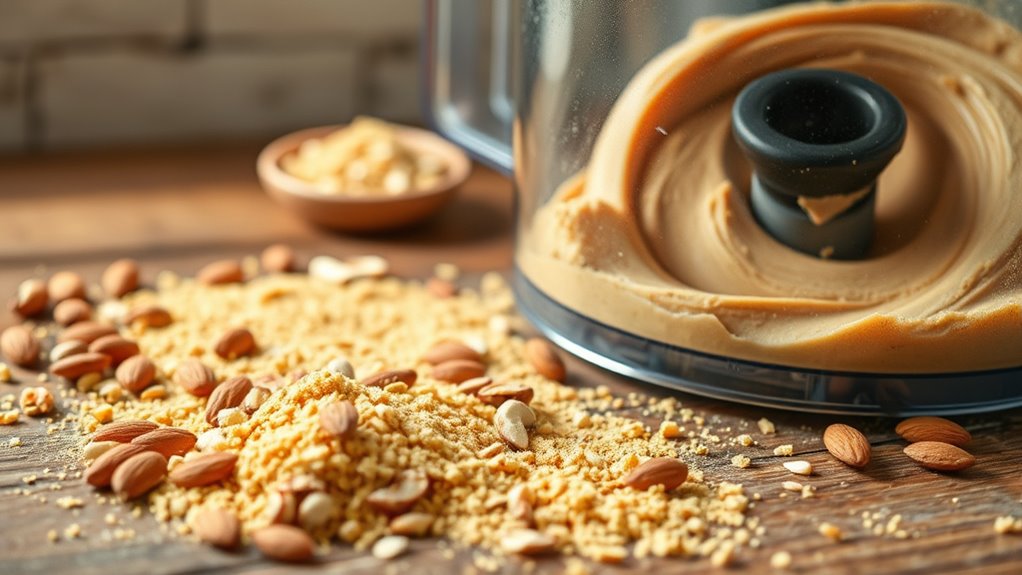
To make creamy nut butters at home, start by roasting your nuts in the oven at 350°F for 10-15 minutes to enhance their flavor and make them easier to blend. Once cooled, transfer the nuts to a food processor. Blend on high, stopping periodically to scrape down the sides. For extra creaminess, add a small amount of oil, like coconut or walnut oil. Keep blending until smooth and silky. Using fresh nuts improves nut flavor and guarantees better shelf stability. To help you visualize, here’s a quick comparison:
| Step | Details |
|---|---|
| Roasting | 350°F, 10-15 mins |
| Blending | High speed, until creamy |
| Adding Oil | Small amounts for smooth texture |
| Storage | Airtight container for shelf stability |
This process results in delicious, creamy nut butter you can enjoy daily, and incorporating proper storage techniques can help maintain its freshness over time.
Top Tips for Perfect Homemade Nut Butter
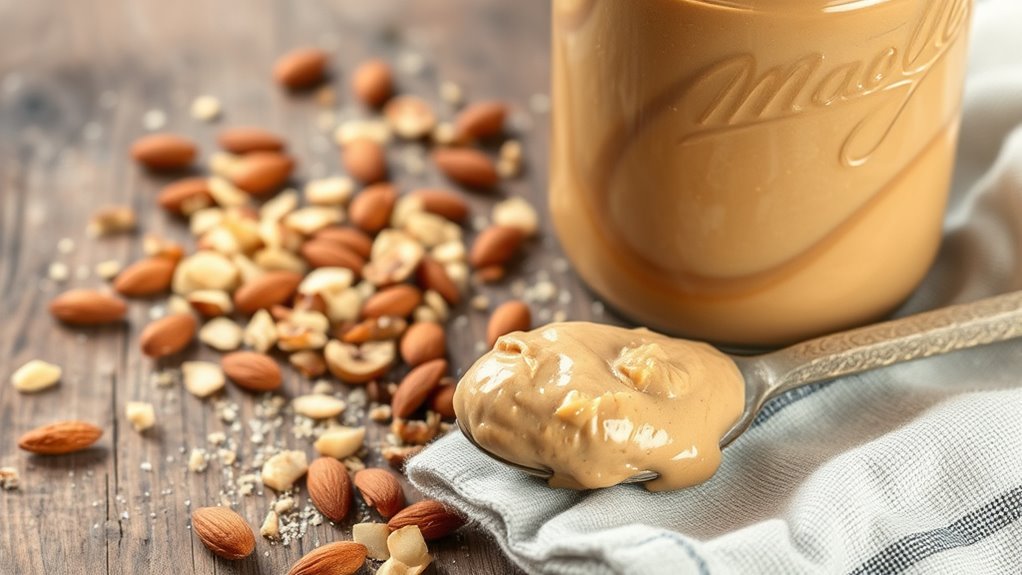
Achieving perfectly creamy homemade nut butter involves paying close attention to a few key tips. First, roast your nuts lightly to enhance their nut flavor and release oils, making blending easier. Use a high-quality food processor and pulse gradually to prevent overheating, which can affect texture and shelf stability. Incorporate a small amount of oil if needed to achieve a smooth consistency. Keep your nut butter stored in airtight containers in a cool, dark place to maintain its freshness and shelf stability. Stir thoroughly before each use to evenly distribute oils and prevent separation. Avoid adding excess sugar or salt, as these can alter the natural nut flavor and reduce shelf life. With these tips, you’ll produce rich, smooth nut butters every time.
Why Does My Nut Butter Separate or Get Too Thick?
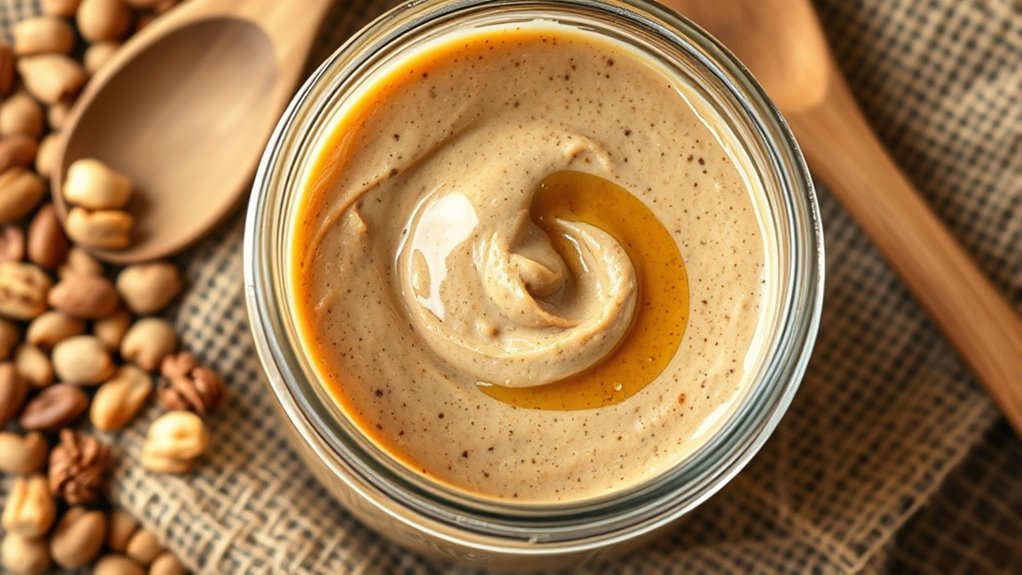
Even if you follow all the tips for making smooth, creamy nut butter, separation and thickening can still occur over time. Texture issues often result from natural oil separation, especially if not stored properly. To minimize this, keep your nut butter in an airtight container and stir before each use. Thickening may happen if oils rise or evaporate, making it harder to spread. Storage concerns like temperature fluctuations can accelerate these issues. Use the table below to understand the impact:
| Storage Condition | Effect on Nut Butter | Solution |
|---|---|---|
| Room Temperature | Faster separation | Refrigerate for stability |
| Cold Storage | Thicker texture | Stir before use |
| Light Exposure | Oil oxidation | Keep in a dark place |
| Air Exposure | Texture issues | Use airtight containers |
Proper storage helps maintain a consistent texture.
How Can You Customize and Flavor Your Nut Butters?
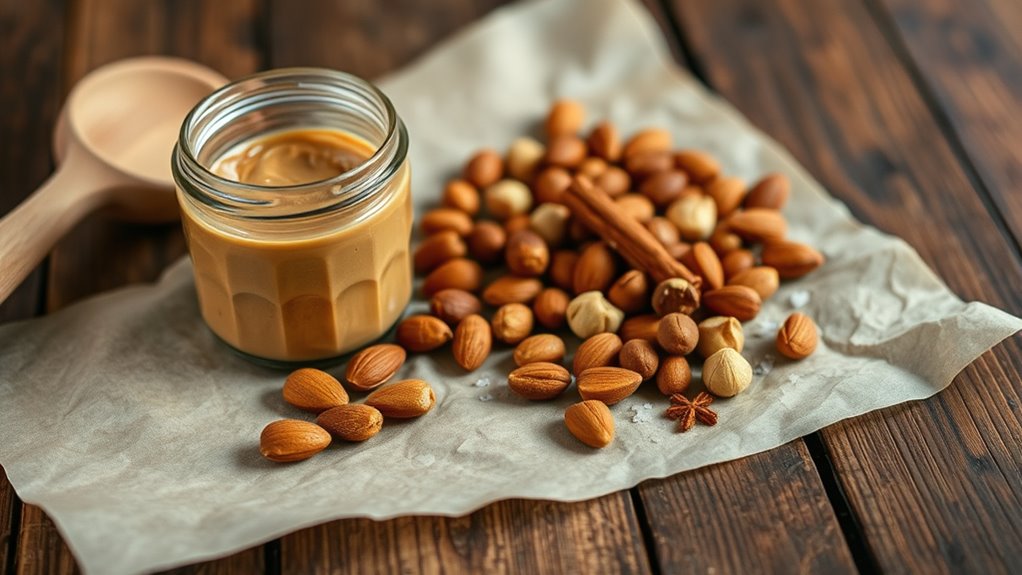
You can easily customize and flavor your nut butters to suit your taste preferences. One simple way is through flavor infusions—adding ingredients like honey, cinnamon, vanilla, or cocoa powder to create unique tastes. You can also mix in spices or sweeteners during blending to enhance flavor depth. For topping options, consider stirring in chopped nuts, dried fruit, or chocolate chips for added texture and visual appeal. Drizzle a bit of maple syrup or flavored extracts to give your nut butter a personalized touch. Experimenting with these options allows you to craft a spread that matches your cravings and dietary needs. The key is to start small, taste as you go, and adjust until you achieve your perfect flavor profile.
Frequently Asked Questions
Can I Make Nut Butter Without a High-Powered Blender?
Yes, you can make nut butter without a high-powered blender. Use blender alternatives like a food processor or a mortar and pestle for nut grinding techniques. Start by chopping nuts into small pieces, then pulse or grind steadily. It may take longer and require patience, but with consistent effort, you’ll achieve a smooth, creamy nut butter. Just keep at it, and you’ll get satisfying results without specialized equipment.
How Long Does Homemade Nut Butter Stay Fresh?
You can expect homemade nut butter to stay fresh for about 2-3 weeks if stored in an airtight container in the fridge. Keep an eye out for spoilage signs like sour smell, mold, or separation of oil. To extend its shelf life, you can also freeze it for up to 3 months. Proper storage helps prevent spoilage and keeps your nut butter tasty and safe to enjoy.
Are There Nut Butters Suitable for Allergies?
Like Icarus soaring with caution, you should choose allergy-friendly alternatives when selecting nut butters. Some options, such as seed butters—like sunflower or tahini—offer safe, tasty solutions for nut allergy precautions. Always read labels carefully, and consult with your healthcare provider. By doing this, you can enjoy the rich, creamy textures of nut butter without risking allergic reactions, turning your kitchen into a safe haven.
Can I Add Sweeteners or Flavors During the Blending Process?
Yes, you can add sweetener options and flavor additions during blending. To customize your nut butter, try honey, maple syrup, or agave for sweetness. For flavor, add vanilla extract, cinnamon, or a pinch of salt. Blend these ingredients along with your nuts until smooth. Adjust the amount to suit your taste, ensuring your nut butter is perfectly sweetened and flavorful without overpowering the natural nut taste.
What Are the Best Nuts for Creamy Homemade Nut Butter?
The best nuts for creamy homemade nut butter are almonds, cashews, and peanuts because of their smooth texture and mild flavor profile. Almonds deliver a slightly sweet, nutty flavor, while cashews create a rich, buttery taste. Peanuts are classic and affordable, offering a savory flavor profile. For ultra-creamy results, roast your nuts beforehand, then blend steadily. These options give you versatile, delicious nut butters perfect for spreading or adding to recipes.
Conclusion
Ever wondered if nut flour can truly turn into creamy nut butter? The truth is, it’s all about the fat content and the grinding process. When you blend nut flour, the fats release and emulsify, creating that smooth texture you love. So, yes—your nut flour can become delicious nut butter with a little patience and the right technique. Experiment, customize, and enjoy your homemade spread—your taste buds will thank you!
Fall Picks
fall essentials
As an affiliate, we earn on qualifying purchases.