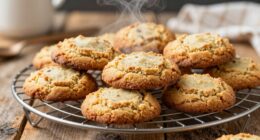
Probing water activity reveals why some cookies stay soft longer, unlocking secrets to perfect freshness and texture preservation.
Browsing Category
Ingredients & Baking Science
57 posts
Fat Melting Points: Why Butter Behaves Differently Than Shortening
Learn why butter melts faster than shortening and how their different compositions influence your cooking and baking results.
Why Sugar Prevents Staling (Yes, Really)
Because sugar acts as a natural moisture lock and delays staling, understanding its role can help keep baked goods fresher longer.
How Starch Works: The Secret Behind Set Structure
Gaining insight into how starch creates set structure reveals the fascinating science behind your favorite foods and how they achieve their perfect texture.
Egg Sizes in Baking: How Much Does It Matter?
Great baking depends on egg size, but how much does it really matter, and what happens if you get it wrong?
Salted vs Unsalted Butter: When It Actually Matters
Understanding when to use salted versus unsalted butter can make a significant difference in your recipes—discover which to choose and why it really matters.
What Is Diastatic Malt (and What It Does in Bread)
For those curious about improving bread, diastatic malt’s enzymes enhance fermentation and crust color—discover how it transforms your baking.
Gelatin Basics for Bakers: Blooming Without Clumps
Unlock the secrets of blooming gelatin smoothly to ensure perfect desserts every time—discover the essential tips that make all the difference.
Why Your Vanilla Doesn’t Taste Like Vanilla
Pure vanilla can lose its flavor due to poor quality or improper storage, but understanding the nuances can help you unlock its true essence.
Brown Sugar vs White Sugar: Moisture Explained
Discover how the moisture content in brown and white sugar influences baking textures and flavors, and learn which is best for your recipes.