Using cold surfaces when making pastry helps keep the butter firm and prevents it from melting too quickly. Cold workspaces slow heat transfer, allowing you to incorporate butter without it blending into the dough, which creates flaky layers. This temperature control guarantees your pastry remains crisp, tender, and beautifully layered. If you want to master perfect pastry techniques, understanding how cold surfaces keep butter stable is key to great results.
Key Takeaways
- Cold surfaces prevent butter from melting prematurely, maintaining its structure for flaky layers.
- They help keep dough and butter at optimal temperatures during handling and folding.
- Cold surfaces reduce heat transfer, slowing down butter softening and ensuring better layer separation.
- Using chilled equipment supports even distribution of fats and improves pastry texture.
- Maintaining cold conditions throughout prevents overworking, resulting in crisp, flaky pastries.
Why Butter Matters in Perfect Pastry
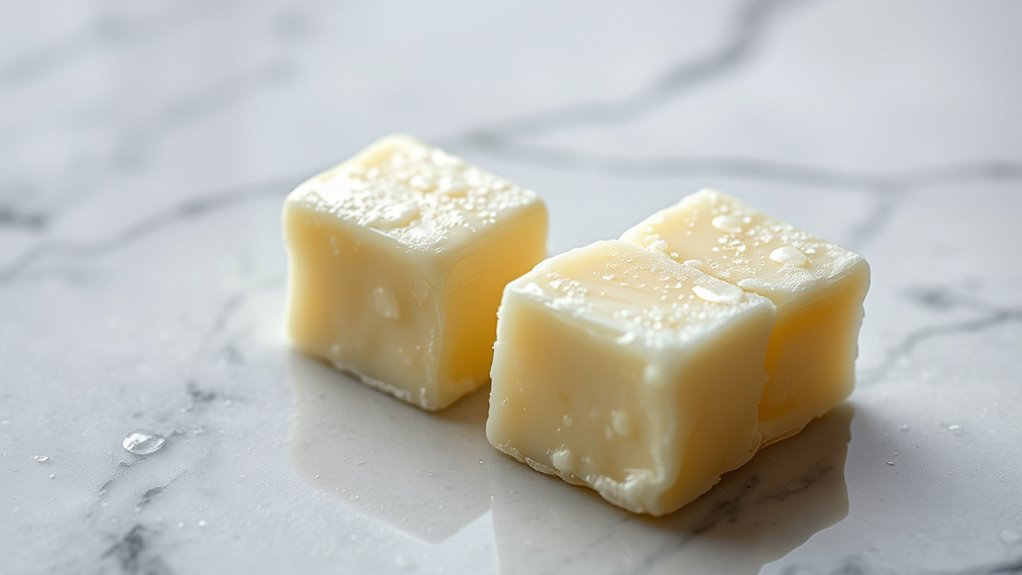
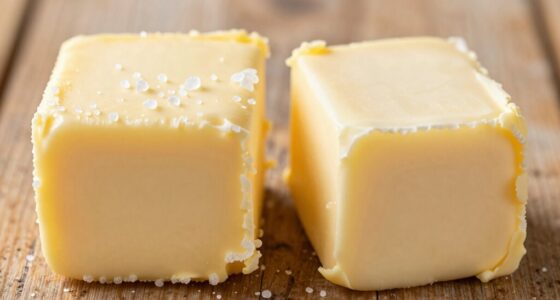
Butter is the key to achieving flaky, tender pastry, and using it at the right temperature makes all the difference. When the butter has the right butter flavor, it enhances the overall taste, making each bite richer and more satisfying. Proper butter consistency ensures that your pastry will have a desirable pastry appearance—golden, crisp, and beautifully layered. If the butter is too warm, it melts too quickly, resulting in a dense, less flaky crust. Conversely, cold butter keeps its shape, creating distinct layers that puff up during baking. This balance between temperature and butter quality is vital for a perfect pastry. Paying attention to butter’s temperature not only improves flavor but also guarantees a flaky, visually appealing crust. Additionally, understanding how temperature affects butter’s properties can help you better control the pastry’s final texture and appearance. Maintaining the correct butter temperature is essential for consistent results in pastry baking. Moreover, controlling the butter’s temperature also influences its melting behavior, which directly impacts the layering process, as well as the effectiveness of the layering technique. Properly managing water content in butter can also enhance the pastry’s overall texture and flakiness.
How Temperature Changes Affect Butter’s Behavior

Temperature plays a essential role in how butter behaves during pastry preparation. When the ingredient temperature is too high, butter melts easily, losing its structure and making dough difficult to handle. Melted butter creates a greasy texture and hampers flakiness, resulting in dense pastries. Conversely, if the butter is too cold, it remains firm and doesn’t incorporate smoothly, leading to uneven mixing. Fluctuations in temperature can cause butter to become sticky or harden unexpectedly, disrupting the pastry’s consistency. Maintaining an ideal ingredient temperature ensures butter stays firm yet pliable, allowing it to layer properly within the dough. This balance is key for achieving the desired flaky, tender texture in your pastry, highlighting why controlling butter’s temperature during preparation makes all the difference. Proper temperature management is also crucial for free floating techniques that help maintain consistency throughout the process.
How Cold Surfaces Keep Butter Firm During Pastry Making
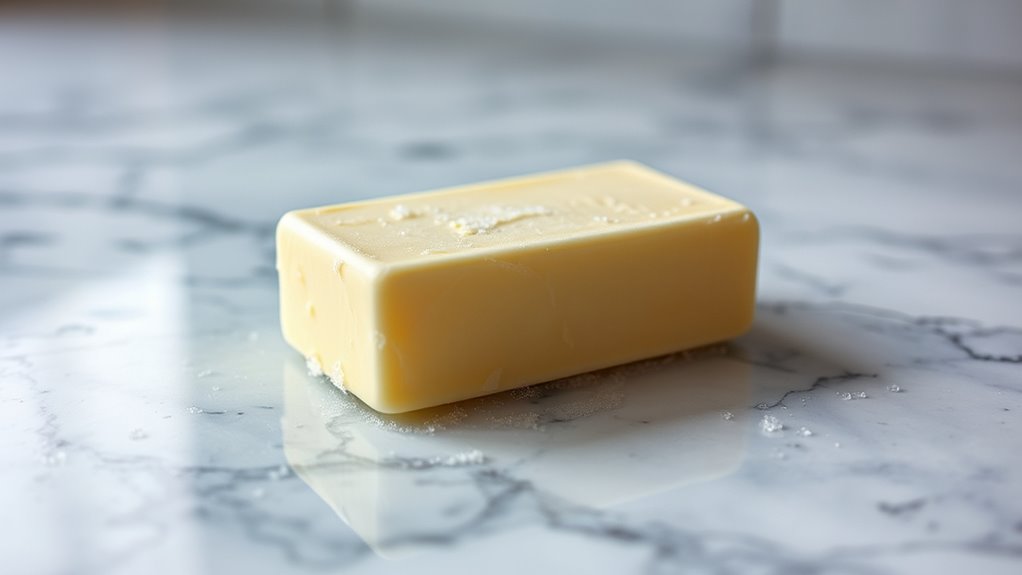
Using cold surfaces during pastry making is a simple yet effective way to keep butter firm and workable. Cold surfaces help maintain temperature stability, preventing the butter from melting or becoming too soft. This is essential for achieving the desired texture and flaky layers. Surface insulation acts as a barrier, reducing heat transfer from your hands or environment, which can warm the butter quickly. By working on a chilled surface, you guarantee the butter stays at an ideal firmness longer, making it easier to incorporate into dough without losing its structure. Additionally, understanding sound vibrations and their influence on cellular processes can help bakers optimize techniques for maintaining dough quality. Incorporating proper surface temperature management can further enhance control over butter consistency and pastry texture, especially when combined with smart home automation for precise environmental control in your kitchen. Monitoring ambient temperature can help maintain consistent results during the pastry-making process. Employing temperature regulation tools can also aid in preserving optimal working conditions.
How Layers Form and Make Pastry Flaky
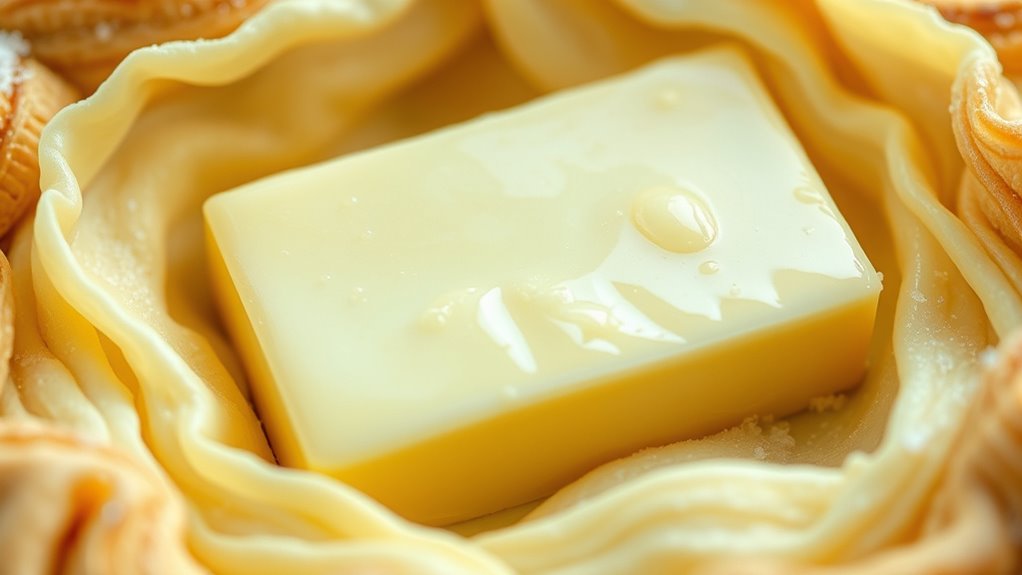
Your layering techniques directly influence how flaky your pastry turns out. Proper fat distribution guarantees each layer separates correctly, creating that light texture you want. Keeping everything cold helps the layers stay distinct, preventing them from merging into a tough crust. Additionally, maintaining a consistent temperature control during preparation is crucial to ensure the butter remains firm and effective in creating those desirable layers. Using piercing techniques to manage the butter’s temperature during rolling can further improve layer separation and pastry flakiness. Incorporating cold handling methods throughout the process can also help maintain the integrity of the layers and improve overall pastry quality. Understanding water chemistry can also play a role in achieving the perfect flaky texture by influencing dough hydration and gluten development, which is essential for controlled dough consistency during shaping.
Layering Techniques Matter
Layering techniques are essential for creating flaky pastry, as the way dough and fat are folded determines how layers develop during baking. Proper folding creates thin, even layers that puff up and separate, giving your pastry its signature flakiness. To achieve this, focus on consistent dough thickness and gentle handling to avoid tearing or overworking the dough. When applying frosting techniques for pastry presentation, remember that layering also influences how toppings sit and look, enhancing visual appeal. Consider these tips:
- Keep dough and butter cold during folding to maintain distinct layers
- Fold dough multiple times for more layers and flakiness
- Use even, precise folds to ensure uniform layers
- Be gentle to prevent flattening layers or melting fat
- Understanding crucial evidence about the ingredients and techniques can help troubleshoot issues with pastry texture. Additionally, maintaining proper temperature control throughout the process is vital for optimal layering and flakiness. Proper airflow around your workspace can also help keep ingredients at the right temperature during preparation. Paying attention to ingredient quality ensures the layers form properly and contributes to the overall flakiness of your pastry. Furthermore, understanding how surface temperature influences fat melting can significantly impact the final outcome. Mastering layering techniques results in more professional-looking, flaky pastries that impress every time.
Fat Distribution Importance
The way fat is distributed throughout the dough plays an essential role in creating flaky pastry layers. If the butter melts unevenly, it can cause inconsistent layers or a dense texture. Proper fat distribution ensures that small pockets of butter remain intact during rolling, which create the signature flaky layers as they expand during baking. When butter melts too quickly, it can blend into the flour, reducing the layered effect and affecting pastry aesthetics. Maintaining cold surfaces helps keep the butter cold and evenly dispersed, preventing premature melting. This control allows you to form distinct layers that puff up beautifully, giving your pastry its desired flaky, airy structure. Additionally, temperature regulation plays a vital role in controlling butter behavior during the baking process. Keeping surfaces and ingredients cold is essential for layer formation, ensuring the butter stays in small pockets rather than spreading out and losing its ability to create those characteristic flaky layers.
Cold Keeps Layers Separate
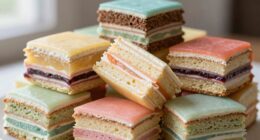
Ever wonder how flaky pastry gets those distinct, airy layers? It all comes down to temperature stability and surface insulation. Cold surfaces prevent the butter from melting too quickly, ensuring it stays solid long enough to create separate layers. This separation is vital for flakiness. When your dough’s surface is well-insulated by a cold work surface, heat transfer slows down. This helps maintain the butter’s structure during rolling and folding. As a result, layers form smoothly without merging into a single mass. Keep your workspace cold to preserve this delicate balance. Remember, consistent cold conditions help the butter stay distinct, creating that light, flaky texture you love. Without surface insulation, the layers fuse, and your pastry loses its signature crispness.
How to Keep Surfaces and Ingredients Cold in Your Kitchen
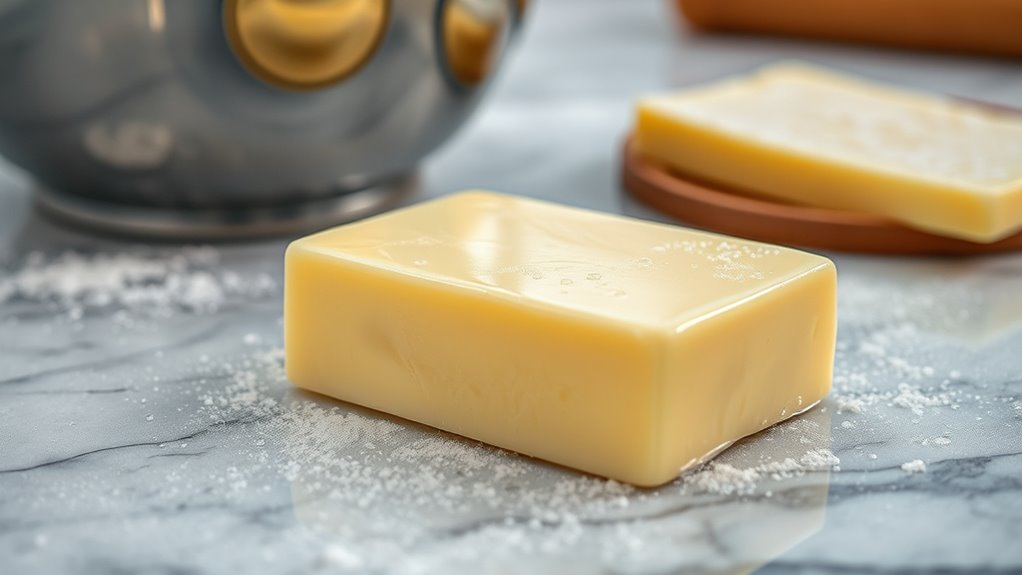
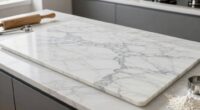
To keep surfaces and ingredients cold in your kitchen, start by chilling your work area with ice packs or a cooled marble slab. This helps maintain a low temperature, preventing butter from melting prematurely. Use spatula techniques to keep ingredients chilled; for example, frequently scraping the bowl keeps the mixture cold and prevents heat transfer. When ingredients like butter are softening too quickly, consider ingredient substitutions—such as using cold water instead of warm—to maintain their firmness. Keep utensils refrigerated before use, and work in short bursts rather than extended sessions. These steps ensure your pastry stays cool, resulting in flaky, layered textures. Staying mindful of temperature throughout the process helps you control butter consistency and achieve perfect pastry results. Additionally, utilizing seasonal checklists can help you optimize your kitchen environment for consistent cooling and temperature control. Incorporating connected kitchen tools such as temperature sensors can further enhance your ability to monitor and maintain ideal conditions.
Warming Surfaces Wreck Pastry: Common Mistakes to Avoid
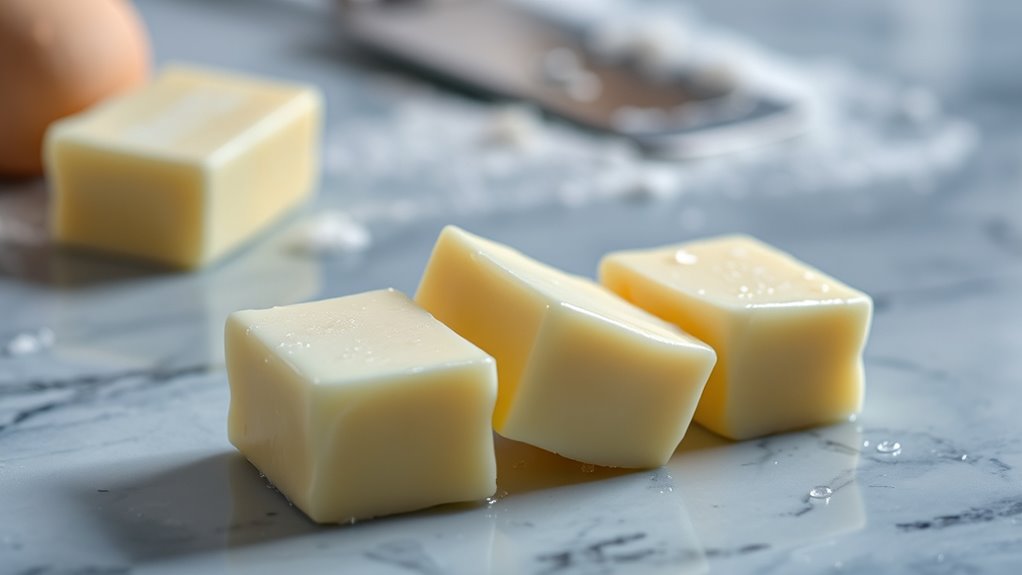
Warming surfaces during pastry preparation can quickly ruin your results by causing butter to melt too early, which compromises flakiness and texture. When the surface isn’t cold, butter softens prematurely, reducing the effectiveness of sugar substitutions that rely on cold butter for proper incorporation. It also hampers gluten development, making your dough tougher instead of tender. To avoid these mistakes, keep your workspace cool and avoid placing ingredients on warm surfaces. Be cautious of:
Keeping surfaces cold prevents butter from melting prematurely, ensuring flaky, tender pastries.
- Using warm countertops that melt butter faster
- Neglecting the importance of cold ingredients for flaky layers
- Rushing mixing steps that require cold butter to prevent gluten overdevelopment
- Substituting sugar without considering temperature effects on butter’s behavior
Maintaining cold surfaces ensures butter stays firm, preserves layers, and results in a tender, flaky pastry.
How to Use Cold Surfaces Effectively in Your Baking
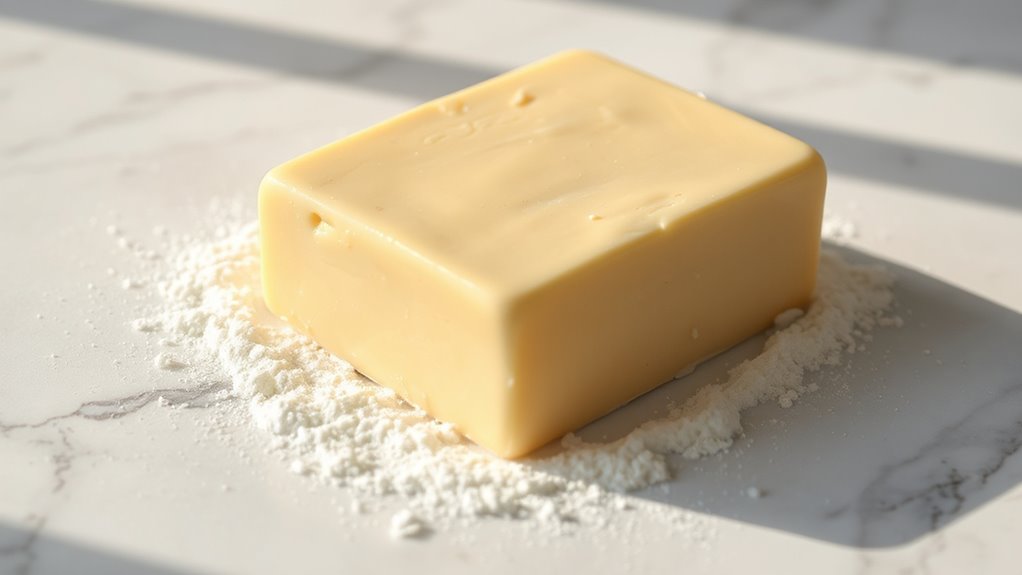
To use cold surfaces effectively, start by preparing your chilling equipment in advance to keep everything at the right temperature. Keep your work surfaces cold throughout the process to prevent the dough from warming up and becoming difficult to handle. Pay attention to timing and workflow, so you can work quickly and maintain a consistently chilled environment.
Chilling Equipment Preparation
Preparing your chilling equipment properly is essential for using cold surfaces effectively in your baking. To guarantee optimal ingredient freshness and consistent results, start by thoroughly cleaning and chilling your tools, like marble slabs or metal bowls, ahead of time. Maintain your oven calibration to keep temperatures accurate, which helps keep your ingredients cold longer. Here are key steps to prepare:
- Chill your work surface and utensils in the fridge or freezer before starting
- Use cold water or ice baths to quickly cool down equipment if needed
- Store ingredients, especially butter and dough, in the fridge until just before use
- Regularly check your oven’s temperature to prevent unwanted warming of your workspace
Proper preparation ensures your surfaces stay cold, promoting better butter control and flaky pastry results.
Maintaining Cold Surfaces
Keeping your cold surfaces effective during baking requires consistent attention and prompt action. To maintain their chill, regularly check the temperature and replenish ice or chilled stones as needed. Cold surfaces help control dough hydration by preventing excess moisture absorption, ensuring your pastry stays workable. Additionally, they slow sugar crystallization, resulting in a smoother, more tender texture. When working with dough, keep it as cold as possible without overworking it, and use chilled surfaces to prevent it from warming too quickly. Be mindful of ambient temperature changes that can warm your workspace, and work efficiently to minimize heat transfer. Properly maintained cold surfaces help you achieve consistent results, giving your pastry the ideal butter control and texture.
Timing and Workflow
Timing your work around cold surfaces guarantees your pastry stays at the right temperature throughout each step. To maintain this, plan your workflow carefully, especially during seasonal variations when ingredient temperatures fluctuate. Start by chilling your ingredients and tools early, so everything remains cold during mixing and rolling. Use cold surfaces strategically when handling ingredient substitutions, like swapping butter types, to prevent warmth transfer. Keep tasks organized to minimize exposure time, such as preparing fillings or toppings ahead of time. For best results, work in stages, moving quickly to keep dough cold. Remember, even minor delays can cause butter to soften, so adapt your timing based on your environment. This approach ensures consistent, flaky pastry, no matter the season or ingredient changes.
How Cold Surfaces Enhance Your Pastry’s Overall Quality
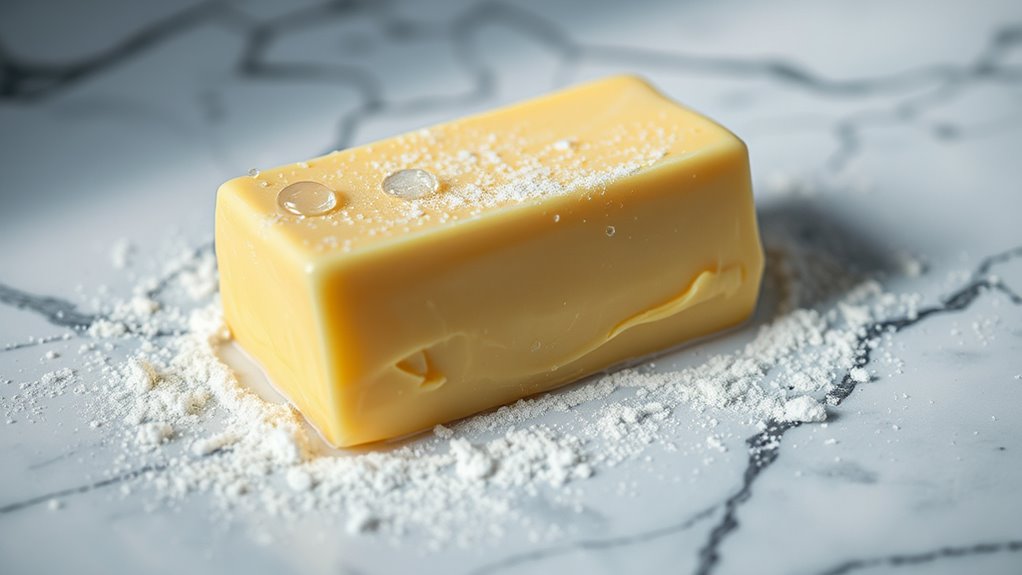
When you work on a cold surface, your pastry dough benefits from a more stable structure, resulting in a better texture and easier handling. Cold surfaces help maintain dough elasticity by preventing the fats from melting prematurely, which keeps the dough’s consistency ideal for shaping and rolling. This stability also ensures even distribution of ingredients, leading to a more uniform crumb. Additionally, controlling the dough’s temperature helps optimize your oven temperature during baking, reducing the risk of overbaking or uneven browning. As a result, your pastries develop a crisp, flaky crust with a tender interior. Working on cold surfaces ultimately enhances overall pastry quality by preserving the dough’s integrity and ensuring consistent results from preparation through baking.
Frequently Asked Questions
Can Temperature Fluctuations Ruin My Pastry’s Texture?
Yes, temperature fluctuations can ruin your pastry’s texture. When surface temperature varies, it affects butter consistency, causing it to soften or melt too quickly. This makes your dough sticky or difficult to work with, resulting in uneven layers or a greasy crust. To prevent this, keep your work surface cold and stable, ensuring the butter stays firm enough to create flaky, tender pastry layers.
How Do I Measure if My Surfaces Are Cold Enough?
You can measure if your surfaces are cold enough by using an infrared thermometer or a surface temperature probe. Aim for a surface temperature around 60°F (15°C) to keep your dough temperature low and maintain proper butter consistency. Regularly check the surface temperature during your work and adjust by chilling your work surface if needed. This guarantees your pastry stays tender, flaky, and prevents butter from melting prematurely.
Does Ambient Humidity Affect Cold Surface Effectiveness?
Humidity impact can turn your cold surface into a mirror, encouraging condensation that hampers butter control. When ambient humidity is high, moisture settles on your chilled surface, making it less effective for working with pastry dough. To maintain ideal coldness, work in a dry environment or use a dehumidifier. This ensures your butter stays firm and your pastry remains flaky, giving you the perfect texture every time.
Are There Specific Materials Better for Cold Surfaces?
Yes, certain materials are better for cold surfaces because of their material selection and surface insulation properties. You should choose materials like marble or granite, as they have high thermal mass and excellent surface insulation, helping maintain low temperatures longer. These materials evenly distribute cold, preventing warm spots that can soften butter prematurely. By selecting the right material, you guarantee consistent coldness, which is essential for perfect pastry handling and butter control.
How Long Should Surfaces Stay Cold During Baking?
You should keep surfaces cold for about 15-30 minutes before working with the dough. This helps maintain the ideal dough temperature and butter consistency, preventing the butter from melting too quickly. If your surface warms, chill it again to keep the butter firm. Working on a cold surface guarantees your pastry remains flaky and tender, making the entire process more manageable and your final product more delicious.
Conclusion
Think of cold surfaces as your pastry’s best friend—like a steady hand guiding dough to flaky perfection. I once watched a baker transform a sticky, tough dough into delicate layers just by chilling her work surface. When you keep things cold, you prevent butter from melting too quickly, ensuring those beautiful layers form. Remember, a cool surface isn’t just a detail; it’s the secret to bakery-quality pastry in your own kitchen.