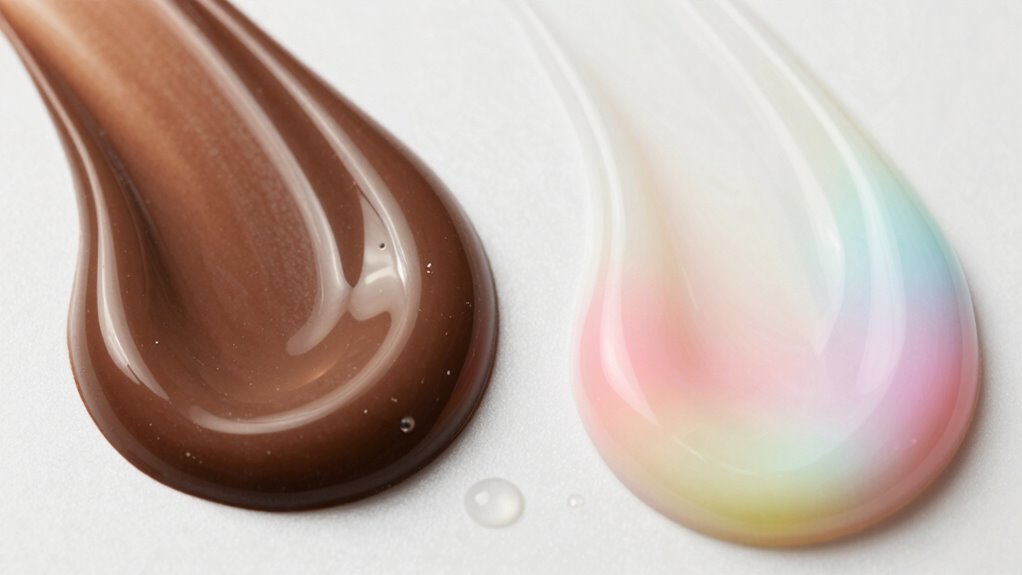

When coloring chocolate, you’ll find fat-based colors blend smoothly and resist streaks, making them perfect for vibrant, even hues. Water-based dyes can cause seizing or streaks if not handled carefully, but they offer transparent, bright colors. To get the best results, use fat-based colors for stability and richness, and add water-based colors gradually, ensuring proper mixing. Keep learning about how each type works to choose the right product for your sweet creations.
Key Takeaways
- Fat-based colors blend smoothly with chocolate’s fats, providing vibrant, even, and long-lasting coloration.
- Water-based colors can cause seizing or streaking; they require careful, small additions when mixing.
- Fat-based colors resist bleeding and blooming, maintaining appearance over time, unlike water-based dyes.
- Water-based dyes are transparent and bright but are less compatible with chocolate’s fat content.
- Proper storage and handling differ: fat-based colors prefer cool, airtight environments, while water-based need dry, sealed conditions.
KitchenAid Classic Series 4.5 Quart Tilt-Head Stand Mixer K45SS, Onyx Black
Built to take it all on with the durable and built-to-last metal construction, and 59 touchpoints around the...
As an affiliate, we earn on qualifying purchases.
What Are the Basics of Coloring Chocolate?
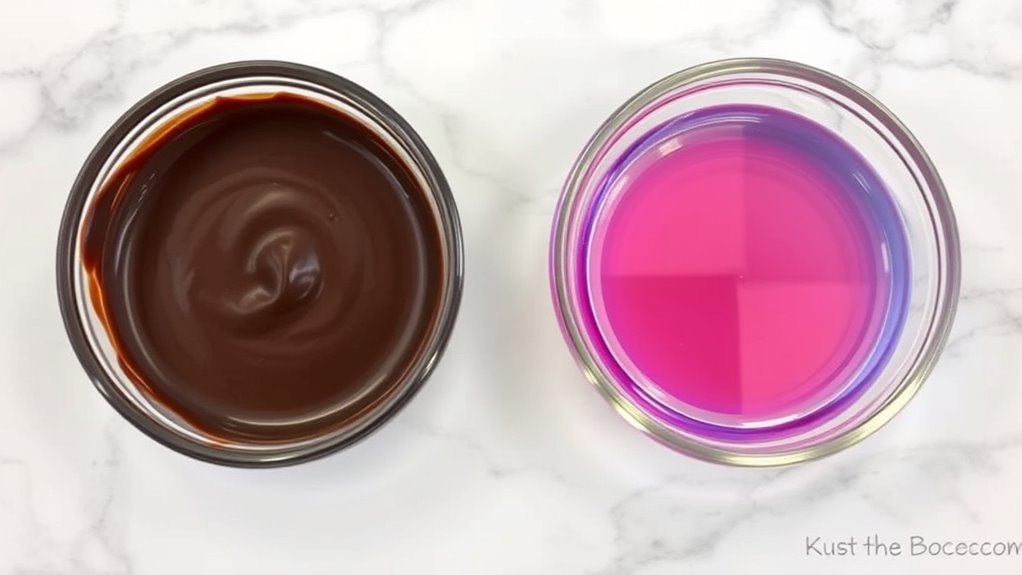
Have you ever wondered how to achieve vibrant colors in your chocolates? The basics of coloring chocolate involve understanding how to apply color effectively for candy decoration and flavor enhancement. Fat-based colors are ideal because they mix seamlessly with chocolate’s fat content, ensuring even distribution without affecting texture. You’ll want to choose colors specifically designed for chocolate, as water-based dyes tend to seize or cause undesirable streaks. The key is to add your color gradually, mixing thoroughly to reach the desired hue. Proper coloring not only makes your chocolates visually appealing but also elevates their overall flavor experience. Additionally, selecting appropriate coloring techniques can help ensure consistent results and a professional finish. Using fat-soluble dyes specifically formulated for chocolate ensures maximum vibrancy and smooth integration. Understanding how color compatibility works with different types of chocolate can also improve your results and prevent issues like streaking or uneven coloring. Paying attention to temperature control during coloring can further enhance the blending process and final appearance. Maintaining proper pH balance can also influence how well the colors develop and stay vibrant over time.
8.4QT Commercial Stand Mixer 800W with Aluminum Die Casting Meets the Standard of NSF/ANSI 8-2023, Mixers Kitchen Electric Stand Mixer with Stainless Steel 8L Bowl, Dough Hook, Whisk and Beater
High Capacity & High Efficiency: The maximum amount of dough is 3 kg/6.6 lbs/105.8 oz. Compared with other...
As an affiliate, we earn on qualifying purchases.
What Makes Fat-Based Colors Different?

Fat-based colors stand out because they are specially formulated to blend smoothly with chocolate’s natural fat content. This compatibility guarantees vibrant, even colors without seizing or streaking. Because of their fat-based compatibility, these colors mix seamlessly, maintaining their brightness over time. They also offer excellent water-based stability, meaning they won’t break down or lose intensity when added to fatty chocolate. Additionally, their free floating nature allows for easy dispersion without clumping, ensuring consistent coloration throughout your chocolate. Their compatibility with fats ensures they stay uniform during mixing and storage, preventing separation or uneven coloring. This fat compatibility also helps prevent the color from blooming or developing a dull appearance over time, maintaining visual appeal. Moreover, they are designed to resist separation, keeping your mixture smooth and uniform during and after the process. Their ability to resist separation is especially important when working with complex recipes that require prolonged mixing or storage.
Kitchen in the box Stand Mixer,3.2Qt Small Electric Food Mixer,6 Speeds Portable Lightweight Kitchen Mixer for Daily Use with Egg Whisk,Dough Hook,Flat Beater (Blue)
Compact Designed And More Color Options - The stand mixer is less than 7lbs with dimension 12.9*7*10.2 In,...
As an affiliate, we earn on qualifying purchases.
How Do Water-Based Colors Work in Chocolate?
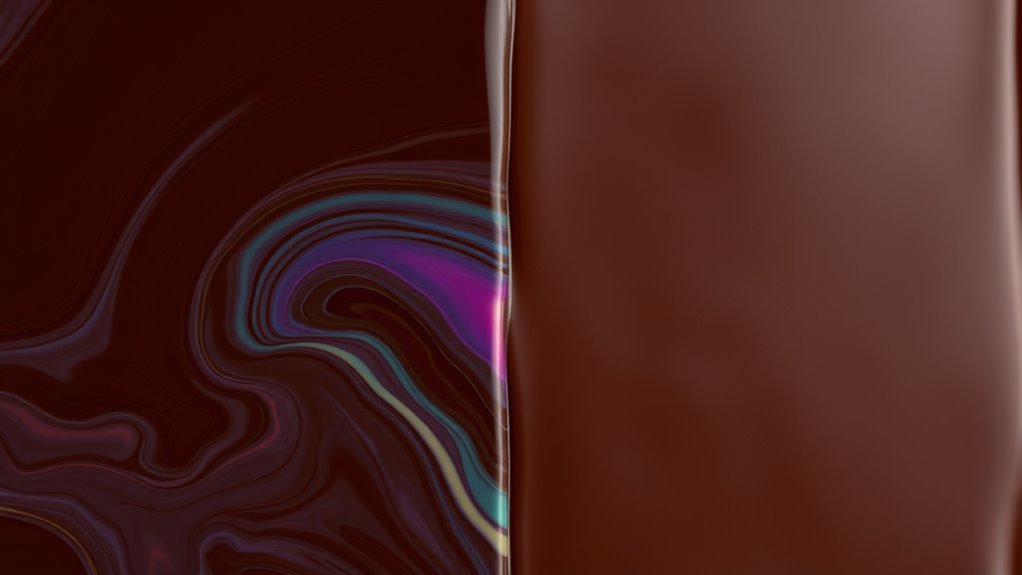
Water-based colors work differently from fat-based options because they rely on water as their primary carrier. These colors contain water soluble pigments that dissolve easily in liquids, making them suitable for various applications. When added to melted chocolate, the pigments disperse evenly, providing vibrant, transparent hues. However, because chocolate is fat-based, water-based colors require careful handling to maintain chocolate compatibility. Too much water can cause the chocolate to seize or seize, affecting texture and consistency. To guarantee proper integration, you should use small amounts of water-based color and mix thoroughly. Proper handling is essential to prevent issues and achieve the desired vibrant effects. Water-soluble pigments generally work well in chocolate, but they demand precision in use. When used correctly, they give you bright, beautiful colors without altering the chocolate’s consistency markedly.

Kitchen in the box Stand Mixer,3.2Qt Small Electric Food Mixer,6 Speeds Portable Lightweight Kitchen Mixer for Daily Use with Egg Whisk,Dough Hook,Flat Beater (Black)
Compact Designed And More Color Options - The stand mixer is less than 7lbs with dimension 12.9*7*10.2 In,...
As an affiliate, we earn on qualifying purchases.
How Can You Use Fat- and Water-Based Colors Correctly?

To use both fat-based colors and water-based colors successfully, you need to understand their differences and handle each type appropriately. Fat-based colors blend smoothly into chocolate, so consider flavor pairings that complement their richness, like vanilla or caramel. Water-based colors, on the other hand, can cause seizing if not used carefully, so add them gradually and avoid introducing excess moisture. Storage considerations are also key: keep fat-based colors in a cool, airtight environment to prevent spoilage, while water-based colors should be kept sealed and away from humidity. Proper handling ensures vibrant, consistent results and preserves the flavors of your chocolates. Additionally, understanding sauna ventilation and temperature control can help maintain optimal storage conditions for your coloring supplies. By respecting these differences, you’ll master coloring techniques and create beautifully colored confections.
How Do You Pick the Best Color for Your Chocolate Project?
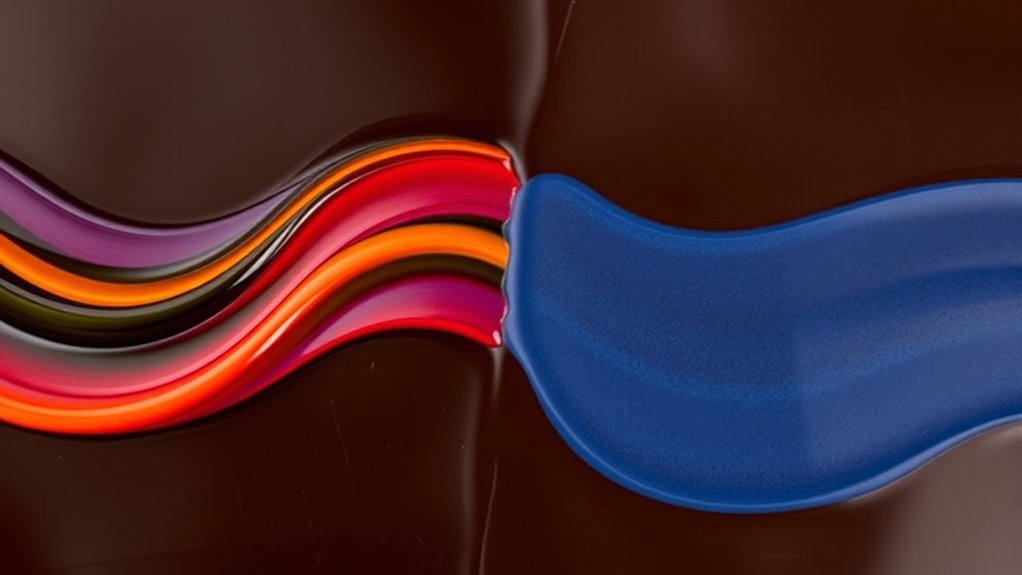
Choosing the right color for your chocolate project starts with considering the overall look you want to achieve. Think about how marbling techniques can enhance visual appeal—certain colors blend beautifully for intricate designs, while others create bold contrast. Additionally, flavor compatibility is essential; some colors and dyes may alter taste or texture, so select ones that complement your chocolate’s flavor profile. If you’re aiming for a sophisticated, understated look, softer hues work best, whereas vibrant colors suit playful themes. Also, consider the type of coloring agent—fat-based colors work well with chocolate’s fat content and resist bleeding, making them ideal for marbling. Understanding color properties can help you select the most suitable dyes for your project. Recognizing the importance of compatibility with food fats ensures that your colors maintain their vibrancy without compromising the texture. Furthermore, being aware of color stability during storage and handling can make a significant difference in the final presentation. A good grasp of lightfastness is also vital, as it affects how well the colors hold up over time under various conditions. Additionally, knowing how adhesion influences color application can help prevent bleeding or uneven distribution. Ultimately, choosing the right color involves balancing aesthetic goals with flavor integrity and the technical properties of your coloring method.
Frequently Asked Questions
Can I Mix Fat- and Water-Based Colors in the Same Chocolate?
You can mix fat- and water-based colors in the same chocolate, but be cautious about color mixing and flavor impact. Combining these types might cause uneven coloring or separation, affecting the final look. Also, water-based colors may introduce moisture, which can alter the chocolate’s texture or taste. To guarantee a smooth, vibrant result, it’s best to test small amounts first and consider how each color could influence both appearance and flavor.
How Long Does Colored Chocolate Last Before Fading or Changing?
Colored chocolate typically lasts about 1 to 2 months before fading or changing, depending on storage conditions. To maintain color stability, store it in an airtight container, away from direct sunlight and heat. Keep the temperature consistent, ideally between 60-70°F (15-21°C). Proper storage tips help preserve the vibrancy and quality of your colored chocolate, ensuring it stays fresh and visually appealing for your projects.
Are There Health Considerations When Using Different Coloring Types?
When choosing chocolate colors, you should consider food additive safety and allergy considerations. Fat-based colors often contain fewer additives and are generally safer for those with allergies, but always check labels. Water-based colors might include preservatives or dyes that could trigger allergies or sensitivities. It’s best to verify ingredient lists and select food-safe, allergy-friendly options to guarantee your treats are safe for everyone to enjoy.
What Are Common Mistakes to Avoid When Coloring Chocolate?
Did you know that over 60% of home bakers struggle with coloring chocolate properly? To avoid common mistakes, don’t overwork the chocolate, as it can cause streaks or dullness. Use the correct tools—preferably silicone spatulas or fine brushes—and add color gradually. Rushing or using incorrect tools can ruin your project, so take your time and follow best practices to achieve vibrant, smooth results every time.
How Do Environmental Factors Affect Chocolate Coloring Results?
Environmental factors like temperature stability and humidity effects can substantially impact your chocolate coloring results. If the environment isn’t stable, colors may not blend properly, leading to streaks or uneven coloring. High humidity can cause colors to bleed or seize, ruining your work. To get the best results, work in a cool, dry space, and keep the environment consistent to ensure vibrant, smooth, and professional-looking chocolate decorations.
Conclusion
Now that you understand the key differences between fat-based and water-based colors, you’re ready to elevate your chocolate creations. But which one will truly bring your vision to life? The choice isn’t always clear-cut, and the perfect color might surprise you. Are you prepared to experiment and discover the best match for your project? Embark and see where your creativity takes you—you might just discover a whole new world of chocolate decorating possibilities.