
TL;DR

Get baking supplies delivered free with Prime
- Fast, free delivery on millions of items
- Prime Video, Amazon Music and more included
- Member-only deals all year
Climate change is causing grape harvests to occur earlier than usual, forcing winemakers to adapt to new growing conditions. This shift presents logistical, economic, and quality challenges for the industry, with ongoing uncertainty about long-term impacts.
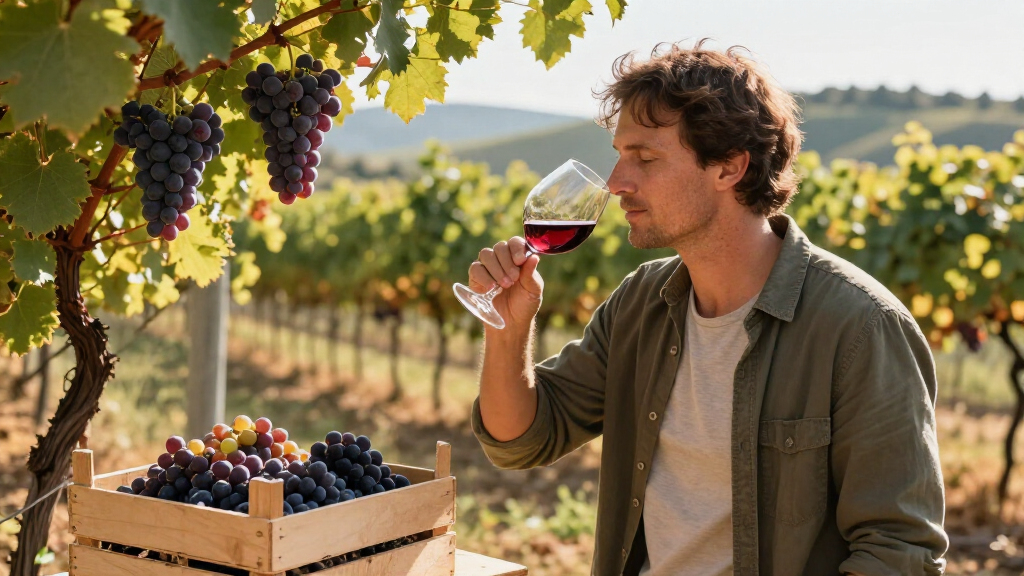
Winemakers across key wine regions are confronting a significant shift as climate change causes grape harvests to occur earlier than historically recorded. This development is confirmed by multiple industry reports and scientific observations, highlighting a growing challenge for the industry to adapt to changing environmental conditions that threaten traditional viticulture practices.
Over the past decade, vineyards in regions such as California, France, and Italy have reported harvests occurring several weeks earlier than in previous decades. Experts attribute this trend primarily to rising temperatures and altered rainfall patterns linked to climate change, which accelerate grape ripening. Winemakers are now adjusting their schedules, vineyard management practices, and even grape varieties to cope with these shifts.
According to a recent industry survey, nearly 70% of winemakers in affected regions have noticed a consistent earlier harvest window over the last five years. This shift impacts not only the timing but also the quality and characteristics of the grapes, as earlier ripening can alter sugar levels, acidity, and flavor profiles. Some producers report challenges in maintaining traditional flavor profiles, which could influence wine styles and market preferences.
Logistical issues are also emerging, as earlier harvests compress the timeline for vineyard work, fermentation, and distribution. This creates staffing and resource planning challenges, especially in regions where harvests are tightly scheduled. Additionally, some winemakers face economic risks if the quality of the grapes declines or if they are unable to adapt quickly enough to the changing conditions.
Impacts on Wine Industry Operations and Quality
This shift in harvest timing has broad implications for the wine industry, affecting production schedules, market offerings, and economic stability. Changes in grape ripening patterns can lead to inconsistent wine quality and flavor profiles, potentially impacting consumer preferences and brand reputation. The need to adapt vineyard practices and grape varieties also requires significant investment and research, which may not be feasible for all producers.
Furthermore, the industry’s ability to maintain traditional wine styles and regional character is at risk, raising questions about the future identity of wines from affected regions. As climate change continues to accelerate, these challenges are expected to intensify, prompting urgent adaptation strategies within the industry.
As an affiliate, we earn on qualifying purchases.
Historical Climate Trends and Shifting Harvest Patterns
Climate change has been a growing concern for agriculture worldwide, with viticulture particularly sensitive to temperature variations. Historically, grape harvests in major wine regions occurred within predictable windows, allowing wineries to plan production cycles accordingly. Over the last decade, however, scientific studies and industry reports have documented a trend toward earlier ripening, linked to rising average temperatures and changing weather patterns.
While some regions have experienced minor shifts, others, like California’s Central Valley and parts of southern France, have seen harvests advance by up to four weeks. These changes are consistent with climate models predicting increased heatwaves and reduced chilling hours necessary for grape development. Despite this, the precise future trajectory remains uncertain, as local microclimates and vineyard management practices also influence ripening times.
Previous adaptation efforts focused on vineyard site selection and canopy management, but the pace of change now demands more comprehensive strategies, including new grape varieties and altered harvest timings.
As an affiliate, we earn on qualifying purchases.
Unclear Long-Term Effects and Adaptation Strategies
While the trend toward earlier harvests is well-documented, the long-term impacts on wine quality, regional identity, and economic stability remain uncertain. Researchers and industry experts agree that adaptation strategies are still in development, and it is unclear which approaches will prove most effective over the coming decades. Questions also persist about how microclimates and local practices might mitigate or exacerbate these shifts.
As an affiliate, we earn on qualifying purchases.
Future Research and Industry Adaptation Efforts
Scientists are intensifying research into resilient grape varieties and vineyard management techniques to cope with changing climates. Industry groups are developing guidelines for adjusting harvest schedules and exploring new regional planting zones. Monitoring ongoing climate patterns and their effects on grape ripening will be critical for planning future adaptation efforts. Winemakers are expected to continue experimenting with different approaches to maintain quality and economic viability in the face of ongoing climate change.
wine fermentation temperature control
As an affiliate, we earn on qualifying purchases.
As an affiliate, we earn on qualifying purchases.
Key Questions
Why are grape harvests occurring earlier?
Rising temperatures and altered rainfall patterns associated with climate change accelerate grape ripening, leading to earlier harvests in many regions.
How does earlier harvest affect wine quality?
Earlier harvests can change sugar, acidity, and flavor profiles of grapes, potentially impacting wine style, consistency, and regional character.
What are winemakers doing to adapt?
Winemakers are adjusting harvest timings, experimenting with new grape varieties, and modifying vineyard practices to cope with changing ripening patterns.
Are these changes happening everywhere?
While most affected regions are in California, Europe, and parts of Australia, the extent of shift varies depending on local climate conditions and vineyard management.
What remains uncertain about this trend?
The long-term effects on wine quality, regional identity, and economic stability are still unclear, and effective adaptation strategies are still being developed.
Source: rss
Fall Picks
fall essentials
As an affiliate, we earn on qualifying purchases.