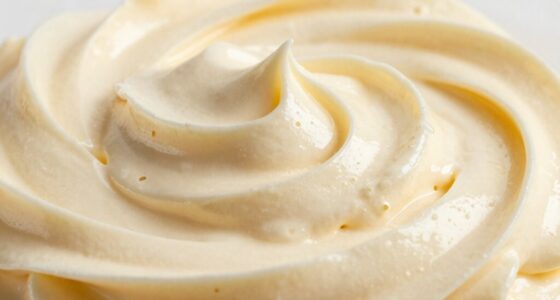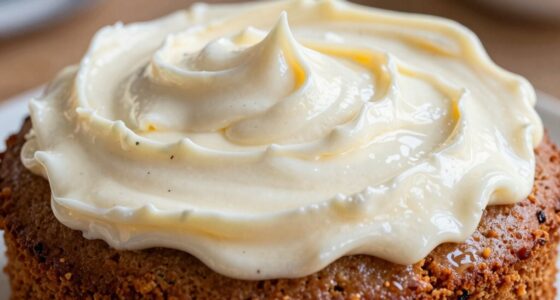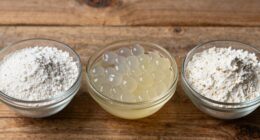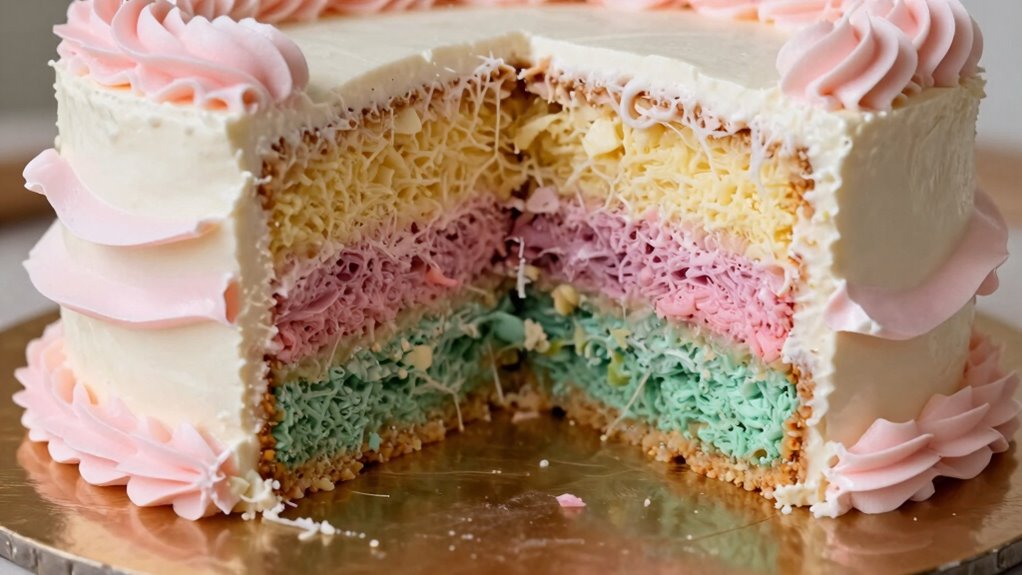

If your buttercream splits, don’t worry—there’s a simple fix. Start by adding a small amount of hot water or milk, one teaspoon at a time, and whisk vigorously to re-emulsify the mixture. You can also re-blend it over a warm water bath or beat in a little more liquid to smooth it out. With a few easy steps, you can restore your frosting’s silky texture—keep going to discover even more tips.
Key Takeaways
- Gradually add hot water (1 teaspoon at a time) and whisk vigorously to re-emulsify the split buttercream.
- Use a warm water bath and a whisk to help bring the mixture back to a smooth, creamy consistency.
- Incorporate small amounts of milk or cream to loosen stiff frosting before mixing thoroughly.
- Chill the split buttercream briefly, then re-whip to restore its velvety texture.
- Ensure ingredients are at proper temperatures and avoid substitutions to prevent future splitting.
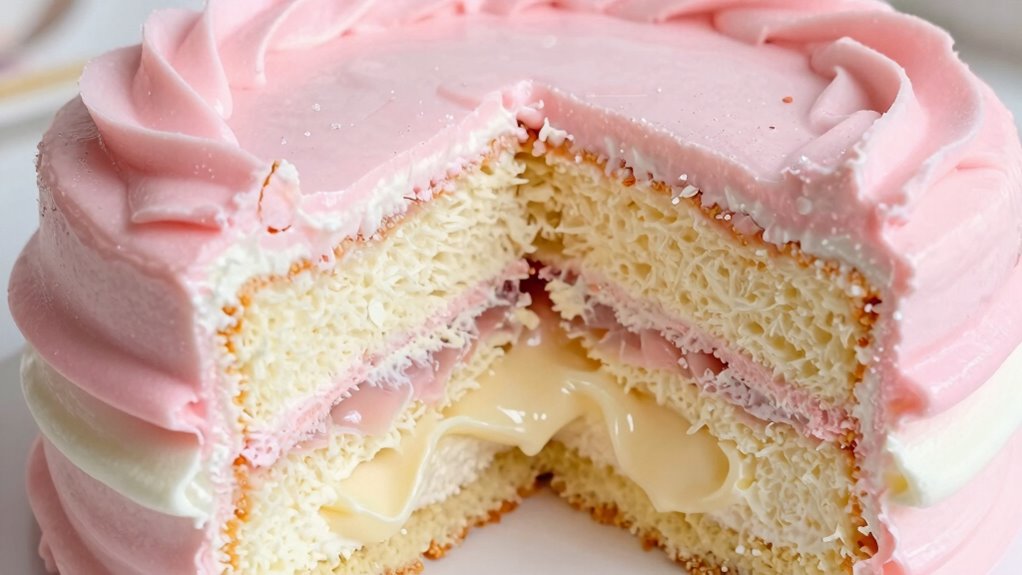
Have you ever experienced a buttercream split while frosting a cake? It’s a frustrating sight—your once-smooth, creamy frosting now looks curdled, greasy, or separated into oily layers. Don’t worry; it’s a common issue and usually fixable. The key is understanding what caused the split and knowing how to bring your buttercream back to life. Sometimes, the problem stems from ingredient substitutions or improper storage, but with a few tweaks, you can often rescue your frosting and achieve that silky finish you desire.
First, identify why your buttercream split. If you recently made ingredient substitutions—like replacing butter with margarine or using low-fat milk instead of heavy cream—these changes can destabilize the emulsion. Butter and fat content, as well as liquid ratios, are critical to maintaining smoothness. When substitutions cause splitting, the best approach is to re-emulsify the mixture. Start by adding a small amount of hot water, a teaspoon at a time, and whisk vigorously. This can help re-incorporate the separated fats and liquids, restoring its creamy consistency. Alternatively, placing the bowl over a warm water bath and whisking can also help bring the mixture back together.
Storage tips also play a crucial role. If you’ve stored your buttercream improperly—exposing it to extreme temperatures or leaving it out too long—it can cause separation or spoilage. Always store buttercream in an airtight container in the refrigerator if you’re not using it immediately. When ready to use again, allow it to come to room temperature and give it a good stir before applying. If it appears too stiff, beat in a splash of milk or cream to loosen it up. Conversely, if it’s too runny, chilling it briefly can help firm it up.
In cases where your buttercream continues to split despite these efforts, don’t panic. Sometimes, starting anew with a fresh batch is the simplest solution—especially if the original has been compromised by improper storage or incompatible ingredient substitutions. To prevent future splits, stick to traditional ingredients when possible and carefully follow recipes, especially when making substitutions. Use high-quality butter and ensure your liquids are at the right temperature. Proper storage and handling, such as keeping your frosting at consistent temperatures and avoiding rapid temperature changes, can also make a difference.
Ultimately, buttercream splitting isn’t the end of the world. With patience and the right techniques—adjusting ingredients, re-emulsifying, and storing properly—you can salvage your frosting and still achieve that beautiful, velvety finish.

PUCKWAY Angled Icing Spatula, Stainless Steel Offset Spatula, Cake Spatula Set of 2 Black 6, 8 inch Blade
Two Professional Cake Decorating Spatulas: PUCKWAY offset spatula set comes in two different sizes: 6 inch and 8…
As an affiliate, we earn on qualifying purchases.
As an affiliate, we earn on qualifying purchases.
Frequently Asked Questions
Can I Fix Buttercream That Has Completely Melted?
Yes, you can fix melted buttercream by chilling it in the fridge for 15-20 minutes, then re-whipping until smooth. If it remains too runny, consider using alternative frosting options like cream cheese or ganache. For buttercream flavor variations, try adding extracts or fruit purees to improve texture and taste. Remember, adjusting ingredients and temperature helps restore its consistency, so don’t hesitate to experiment for the perfect finish.
What Causes Buttercream to Split in Cold Weather?
You notice your buttercream splitting in cold weather, and it’s often caused by sudden temperature fluctuations or poor ingredient quality. When temperatures drop, the fats in the butter harden unevenly, causing separation. To prevent this, keep your ingredients at a consistent room temperature and avoid sudden changes. Using high-quality butter and ensuring proper mixing can also help maintain a smooth, stable buttercream, even in chilly conditions.
How Long Does It Take to Recover a Split Buttercream?
You can typically recover a split buttercream within 10 to 15 minutes. To speed up texture restoration, start by gently warming the mixture and then gradually add a small amount of ingredient adjustments, like more butter or shortening, while mixing on low speed. This process helps blend the separated fats and liquids, restoring a smooth, creamy texture. Keep patience, and you’ll have beautifully restored buttercream in no time.
Is It Possible to Salvage All Types of Buttercream?
Like a broken mirror, some buttercreams can be salvaged, but not all. You might find success with classic or Swiss meringue buttercreams, which respond well to gentle mixing and proper storage tips. However, thicker or highly curdled types may need alternative frosting options, such as cream cheese or whipped ganache. Always store your buttercream correctly—airtight containers in the fridge—and adjust your approach to keep your frosting smooth and salvageable.
Should I Refrigerate Buttercream to Prevent Splitting?
You don’t need to refrigerate buttercream to prevent splitting. Refrigeration benefits include slowing bacterial growth and maintaining freshness, but it can cause temperature fluctuations that lead to splitting. Instead, focus on temperature control by keeping your buttercream at a consistent room temperature, ideally around 65-70°F. If you plan to store it for a while, cover it tightly and chill briefly, then bring it back to room temperature before use.

Hamilton Beach 6-Speed Electric Hand Mixer with Whisk, Traditional Beaters, Snap-On Storage Case, 250 Watts, White
NO MORE LOST BEATERS: The snap-on storage case that comes with the Hamilton Beach hand mixer neatly holds…
As an affiliate, we earn on qualifying purchases.
As an affiliate, we earn on qualifying purchases.
Conclusion
Don’t let a split buttercream ruin your baking mood—restoring it is easier than you think. With just a little patience and the right technique, you can save your frosting and keep your cake looking perfect. Did you know that over 60% of bakers have experienced buttercream splitting at some point? So, next time it happens, remember these tips and turn a potential disaster into a delicious success! Happy decorating!
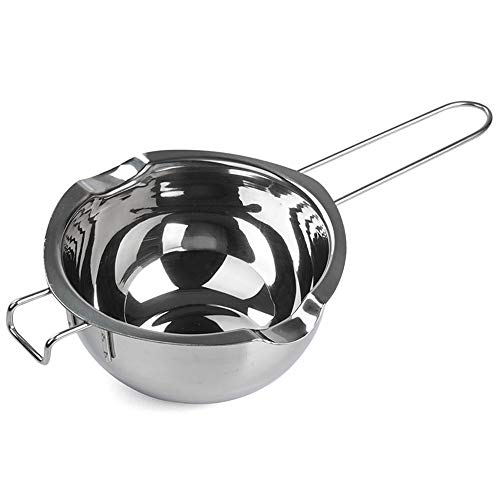
Stainless Steel Double Boiler Pot for Melting Chocolate, Candy and Candle Making (18/8 Steel, 2 Cup Capacity, 480ML)
【Superior Material 】- Made of 18/8 Stainless steel, Rust Resistant, Sturdy,and proper temperature to melt things but not…
As an affiliate, we earn on qualifying purchases.
As an affiliate, we earn on qualifying purchases.

12 Inch Stainless Steel Cake Scraper, Leveler and Smoother, Icing Spatula, Perfect Tool for Icing, Frosting, Cream Edge. Adjustable Kitchen Spatula for Mousse, Cheese & Cream Cake
📏 PERFECT METAL DESIGN: With this durable stainless steel cake smoother, you can precisely level and smooth your…
As an affiliate, we earn on qualifying purchases.
As an affiliate, we earn on qualifying purchases.